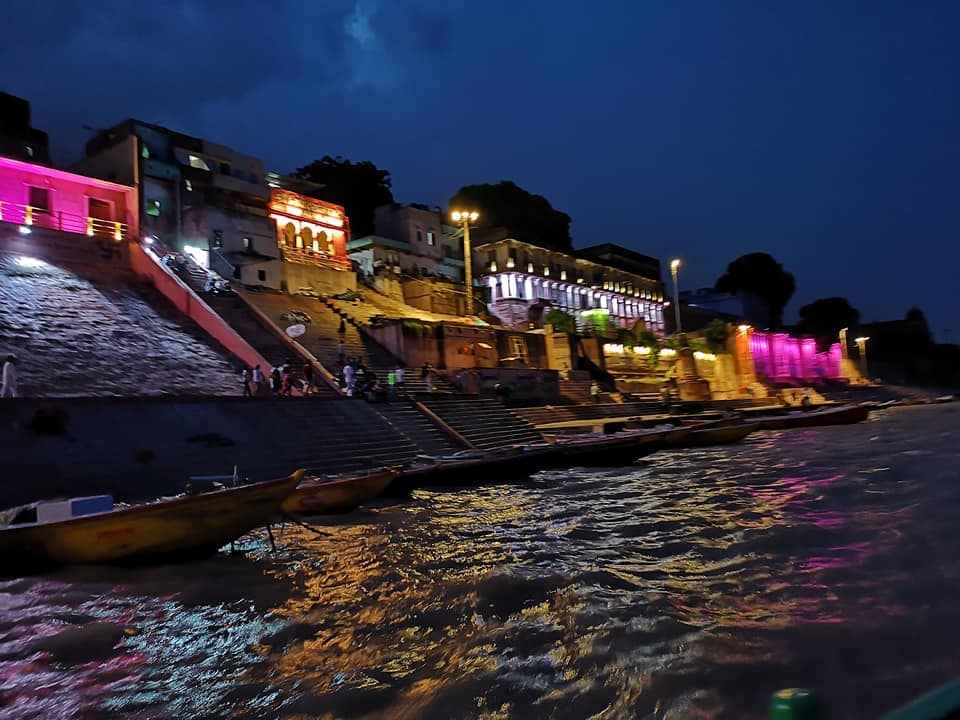
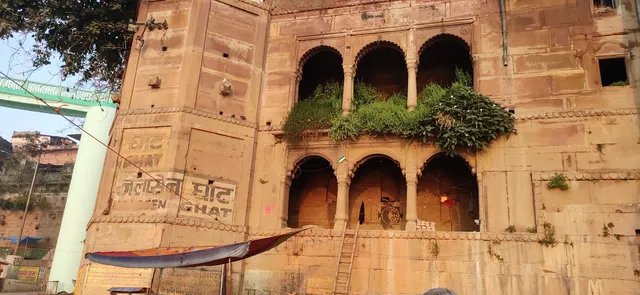
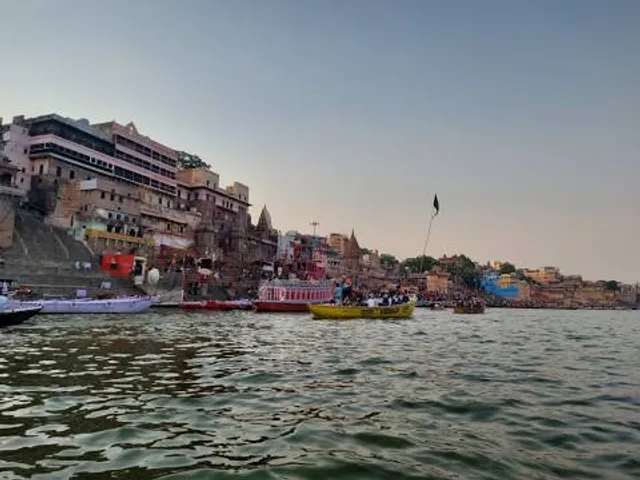
Like any other component present in the city of light, the ghats too are very religious and considered a platform for liberation and the end of human misery. There are around 84 ghats. If the blessings of life start at Dashashwamedh Ghat than it ends at Manikarnika Ghat; a unique combination of life and death in the desire of salvation attracts the pilgrims. Paradoxically, it is the only city on earth that is famous for the death and salvation.
“Even after a thousand cycles of life and death, one is not sure if he gets salvation or not.” It is attainable in a single birth in Kashi (Varanasi). This is a great saying for Kashi.
The name ‘Manikarnika’, as the scriptures suggest, came when the ‘Mani’ of Shiva and ‘Karnika’ of Parvati, while bathing in that Kund, slipped off and fell in it. The decision of Shiva to retain the task of granting salvation is seen in the broader perspective here in Manikarnika.
I am Vishwanatha, the Lord. Kashi is the Light of Liberation. The waves of the River of Heaven are the wine of immortality.
The above lines are from Kashi Khanda, one of the parts of the ancient Skanda Purana which praises the Sangam of the three elements particularly, Ganga, Varanasi, and therefore the Vishwanatha Temple. This ancient text established the part of the essential belief that gives uniqueness to all the three elements to such an amount that they stand large and religious among the beliefs of Hindus in India.
The city of Varanasi is understood to the world over as the “sacred city” of India and it is recognized as the “most ancient continuously inhabited city of the world”.
Like any other component present in the city of light, the ghats too are very religious and considered a platform for liberation and the end of human misery. There are around 84 ghats. If the blessings of life start at Dashashwamedh Ghat than it ends at Manikarnika Ghat; a unique combination of life and death in the desire of salvation attracts the pilgrims. Paradoxically, it is the only city on earth that is famous for the death and salvation.
“Even after a thousand cycles of life and death, one is not sure if he gets salvation or not.” It is attainable in a single birth in Kashi (Varanasi). This is a great saying for Kashi.
History behind the Manikarnika Ghat
Mani of Shiva The name ‘Manikarnika’, as the scriptures suggest, came when the ‘Mani’ of Shiva and ‘Karnika’ of Parvati, while bathing in that Kund, slipped off and fell in it. The decision of Shiva to retain the task of granting salvation is seen in the broader perspective here in Manikarnika.
It is said that here in this ghat, Lord Shiva, himself directs the soul of the dead to crossover the world towards the path of salvation by speaking the ‘Taraka Mantra’ in the ears of the dead. This belief is the lifeline of the ghat, which makes it a special place for cremation.
Story of Sati Another narrative claims that Mata Sati sacrificed herself by positioning her body on fire after one of the sons of Lord Brahma, Raja Daksh Prajapati, tried to dishonor Lord Shiva in a Yagnya (a ritual within which offerings are made into a dedicated fire).
Later, Lord Shiva carried Mata Sati’s body toward the Himalaya. During this journey, her body started to fall onto the earth. Shakti Peeth (a place of worship to the divinity Sati/Shakti) was then established in each place her body parts had fallen.
In this story, Mata Sati’s earring fell down at Manikarnika Ghat and the name has derived from it.
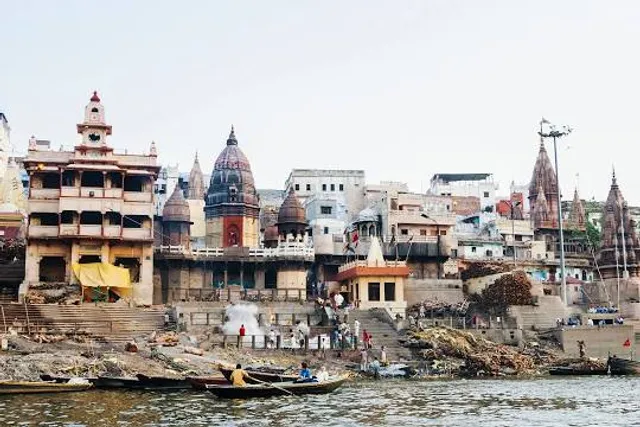
The Manikarnika Ghat, popularly known as the “Maha Smashaan” or ”great cremation ground” is one of the main ghats present on the long stretch of the holy river of Ganga flowing past the city of Varanasi. “While in India, the cremation ground is generally on the periphery or outside the area of human settlement, in Kashi, it is at the very hub. Just as India is said to be the navel of the world and Kashi is the navel of India, so Manikarnika is the navel of Kashi.”
On entering the ghat from the southern end one finds huge stacks of woods(of different trees and quality) used...
Read more🌊 కాశీ పట్టణంలో మణికర్ణిక ఘాటుతో నాకు ఏర్పడిన సంబంధం నా జీవితానికి ఒక పెద్ద మలుపు సాక్షాత్ కాశి విశ్వనాథుడి అనుగ్రహం
👉 ఈ మణికర్ణికా ఘాటు ఎటువంటి వారికైనా సరే తప్పక ఆధ్యాత్మికజ్ఞానాన్ని అందిస్తుంది ఈశ్వర అనుగ్రహంగా ప్రతి ఒక్కరికి గత జన్మల ఉత్తమ సంస్కారాన్ని జతచేసి ఆ రకంగా ప్రేరేపించి జీవుడిని సరిచేసి జన్మ లక్ష్యాన్ని గుర్తుచేసి అనుభవాన్ని అందించగలదు మణికర్ణిక ఘాట్
👉 కాశీ విశ్వేశ్వరుడి సన్నిధానంలో ఉన్న ఈ మణికర్ణిక ఘాటు వద్ద అనుభవాన్ని పొందాలన్న ఆ యొక్క ఫలితాన్ని పొందాలన్న కనీసం లో కనీసం (ఒంటరిగా వెళ్లాలి) + (మౌనంగా ఉండాలి) +(ఈశ్వర నామ జపం నిరంతరంగా జరుగుతూ ఉండాలి)+ (ఈశ్వరుడు) +(ప్రకృతి) +(నది గంగా మాత)+ (శవ దహనం) ఏడు విధి విధానాలను ఇవి తప్ప ఇంకేమి మనకి కనిపించకూడదు వీటిపై తప్ప ఇంక వేరే ఎక్కడ దృష్టి ఉంచకూడదు
👉 ఎటువంటి వారికైనా సరే మణికర్ణిక ఘాట్ లో అడుగుపెట్టిన తర్వాత ఏదో ఒక అనుభవంతో తిరిగి వెళ్లడమే కానీ ఒట్టి చేతులతో వెళ్లడం అనేది ఉండదు
👉 శవము శవం కాబట్టి అటువంటి శవ దహనం జరిగే సమయంలో మనపై అగ్ని మంటలలో నుంచి ఎగసి పడుతున్న చిన్నపాటి రేణువులు ఒక్కొక్క రేణువు మన ఒక్కొక్క పాపాన్ని హరించేస్తుంది(ఇలాంటి ప్రదేశంలో ధ్యానముద్రలో శివనామ జపం చేసుకుంటూ మనసును అంతర్ముఖం చేసి ఉన్న క్షణంలో అలాంటి శవ దహన అగ్నిశిఖల నుంచి ఎగసి పెడుతున్న రేణువులు అంతర్ముఖం చెంది ఉన్న మన పై పడడంతో అది ఎంతటి ఫలితాన్ని ఇస్తుంది అంటే ఏడేడు 14 లోకాలలో ఎవరికి అందని ఊహాతీత ఫలితాన్ని ఏ తత్ క్షణమే అందుతుంది) ఇది ఈశ్వరానుగ్రహం ఉంటే గాని జరగని పని ఎందుకంటే ఆ సమయంలో ధ్యానంలో అంతర్ముఖం చెందడం నిరంతరం జపము సాధకులు అయినటువంటి ఉపాసకులు అయినటువంటి వారికి తప్ప సామాన్యులకు మనసు అంతర్ముఖం చెందడం సమాధి నిష్టలో ఉండగలగడం సాధ్యపడని ప్రక్రియ
👉 ఈ మణికర్ణికా ఘాట్ వద్ద 108 పూసల జపమాలను తీసుకుని భౌతిక ప్రపంచం మీద దృష్టి ఉంచకుండా బ్రుకిటి స్థానం మధ్యమున ఆజ్ఞ చక్రంలో దృష్టి ఉంచి గంగానది ఒడ్డున నది స్వరూపిణి అయినటువంటి గంగమ్మను చూస్తూ లేదా కళ్ళు మూసుకుని పంచాక్షరి మంత్రo ఎంత సంఖ్యలో జపం చేస్తే అంత సంఖ్యలో పాపహరణం జరుగుతుంది ఊహాతీతమైన అటువంటి అనుభవాన్ని ఇస్తుంది జపము
👉 మణికర్ణిక ఘాటు ఒక వ్యక్తిని సన్యాసిగా నైనా మార్చగలదు పూర్ణ వైరాగ్యం గా అయినా మార్చగలదు అంతటి మహిమానిత్వం కలది మణికర్ణిక ఘాట్ అంటే (ఈ కాలం యువత ఈ కంటెంట్ చదివి భయపడతారు ఏమో భయపడనవసరం లేదు 2015 నుంచి వస్తున్న జనరేషన్ కి సన్యాసం వైరాగ్యం సిద్దించడం అంత సులువు కాదు నూటికో కోటికో ఎవరో కొంతమంది ఉంటారు అంతే అందరికీ సాధ్యపడదు వైరాగ్యం సన్యాసం కాబట్టి హాయిగా మణికర్ణిక ఘాట్ సందర్శించి తిరిగి మీ స్వగృహానికి వెళ్ళవచ్చు)
👉మధ్యాహ్నం 12 గంటల సమయంలో సంకల్ప పూర్వకంగా ఈ మణికర్ణికా ఘాట్ లో స్నానమాచరించడం వలన పాపా హరణ జరిగి సాధనా క్రమంలో ఆటంకాలు తొలగి సాధన సరిగ్గా కొనసాగుతుంది
👉ఇక్కడ స్నానం ఆచరించిన తర్వాత శివాభిషేకం రుద్ర సహితంగా చేయడం వల్ల అద్భుత అనుభూతి పొందవచ్చు
👉 ఈ గాటు వద్ద ఒకచోట కూర్చుని విష్ణు సహస్రనామం పారాయణం చేయడం కారణంగా పాప హరణం జరుగుతుంది
👉ఈ మణికర్ణిక ఘాటు వద్ద శవ దహనం జరిగే ప్రదేశంలో కేవలం 12 నిమిషాలు పాటు శవ దహనాన్ని తదేకంగా చూస్తూ మనసును కేంద్రీకరించడం ద్వారా కాశీ విశ్వనాథుడి అనుగ్రహం చేత 100% కచ్చితంగా తిరుగులేని సుపురణ స్పురించి మన జీవితం ఒక గొప్ప మలుపు తిరగడం గమనించవచ్చు
ఒకప్పటి కాలంలో ఈ మణికర్ణిక గాడు వద్ద గొప్ప గొప్ప సాధకులు అయినటువంటి వారిని తీసుకువచ్చి దహనం చేయడం ద్వారా అలాంటి శవం తగలబెట్టడం ద్వారా వెలువడే వాయువుల కారణంగా ఏ తత్తు క్షణమే మన మనసుకు పట్టిన మలినం వదిలి సాధన క్రమంలో మంచి స్థితి సిద్దించడం జరిగేది కాకపోతే ఇప్పుడు తగలబెడుతున్న శవాలు అంతటి ప్రతిభ కలిగినటువంటి వారివి కాదు కనుక పెద్దగా ప్రభావం మనకి కనిపించదు అనుభవానికి రాదు కూడా
కాకపోతే ప్రస్తుత కాలంలో దొంగల బెడద ఎక్కువగా ఉండడం చేత మన వస్తుగత వస్తువులను కాపాడుకోవడం కోసం జాగ్రత్త పడాల్సి వస్తుంది మన మనసు ఎంతసేపు నా ఫోను నా డబ్బు అని వస్తు గత మైనటువంటి విషయాల వాటి మీదకి వెళితే అసలు మొదట సామాన్య భక్తే నిలవదు ఇక వైరాగ్యం సన్యాసం మాట దేవుడెరుగు
ఈశ్వరానుగ్రహం ఉండాలి కానీ నా అనుభవంలో ఈ మణికర్ణికా ఘాట్ లో దొంగల మధ్య సాధన చేయడం జరిగింది పారాయణ చేయడం జరిగింది కాకపోతే నాకు వారితో ఎటువంటి ఇబ్బంది వారి ద్వారా జరగలేదు ఇది నా జీవితంలో జరిగిన విచిత్ర సంఘటన
మనలో సరైన లక్ష్య శుద్ధి శ్రద్ధ భక్తులు దైవానుగ్రహం మన మీద ఉన్నప్పుడు ఎటువంటి ఆటంకాలు ఏర్పడవు అనడానికి నిదర్శనం మణికర్ణిక ఘాటు వద్ద జరిగిన నా స్వానుభవం నన్ను ఎంతగానో...
Read moreManikarnika Ghat, located on the banks of the River Ganges in Varanasi, Uttar Pradesh, is one of the holiest and most ancient cremation grounds in India, deeply revered in Hinduism for its spiritual significance related to death and liberation (moksha).
Historical and Mythological Significance:
The name "Manikarnika" derives from Sanskrit words meaning "jewel" (Mani) and "earring" (Karnika). According to Hindu mythology, the ghat is named after the earrings of Goddess Sati (Adi Shakti) that fell here when Lord Shiva carried her burning body across the heavens after her self-immolation in protest against her father's insult to Shiva. Vishnu, using his Sudarshan Chakra, dismembered Sati’s body into 51 parts, which fell on Earth and formed sacred Shakti Peethas—Manikarnika Ghat being one of these sites due to the fall of her earrings.
Another tradition holds that Lord Vishnu created the sacred Manikarnika Kund (a pond at the ghat) during his penance, and during a bath taken by Shiva and Parvati, an earring from Parvati fell into this pond, sanctifying the place even further.
Religious Importance:
Manikarnika Ghat is considered the most sacred cremation site in Hinduism. It is believed that being cremated here grants the soul immediate moksha, liberation from the continuous cycle of birth and rebirth, thus ending all worldly suffering.
Lord Shiva is said to personally attend to the souls of the dead here by whispering the "Taraka Mantra" into their ears, helping guide them towards salvation—this sombre yet hopeful belief is central to the ghat’s sanctity.
The ghat is mentioned in Hindu scriptures including the Skanda Purana and is noted for its connections to the city of Kashi (Varanasi), considered by many as the “Light of Liberation” in spiritual texts.
Cultural and Social Dimensions:
Manikarnika Ghat operates as an open crematorium where hundreds of cremations take place daily, performed traditionally by the Dom community priests.
It symbolizes the egalitarian aspect of Hindu death rites, as people from all strata of society come here—rich or poor, locals or foreigners—to complete last rites.
The presence of constant flames and ritual chanting creates a profound space for contemplation on life’s impermanence and the eternal soul.
Physical and Modern Context:
The ghat is situated between Dashashwamedh Ghat and Scindia Ghat, two other significant Varanasi riverfronts.
Manikarnika also serves as a living cultural site supporting many local families whose livelihoods are tied to the rituals and services surrounding the cremations.
Though primarily a cremation site, it also attracts many pilgrims and tourists who see it as an insight into Hindu spirituality, death rituals, and philosophy.
The site is under active administration and has seen redevelopment efforts to maintain its status and infrastructure as part of preserving Varanasi’s sacred heritage.
Symbolic and Spiritual Essence:
Manikarnika Ghat epitomizes the Hindu worldview that death is not an end but a transition, a gateway to the soul’s liberation. Amid the smoke and flames, it is a place where life’s transient nature is powerfully felt, and the quest for moksha is vividly realistic. For visitors and devotees alike, the ghat offers a profound meditation on mortality, spirituality, and the eternal cycle of existence.
This comprehensive view shows Manikarnika Ghat as a site of deep cultural, mythological, and religious importance, intertwining ancient lore with ongoing sacred practices that make it one of the most unique and revered places on earth.
If you want, I can also provide specific details on rituals performed here or the social role of the...
Read more