HTML SitemapExplore
logo
Find Things to DoFind The Best Restaurants

Fort St.George Museum — Attraction in Zone 5 Royapuram

Name
Fort St.George Museum
Description
Nearby attractions
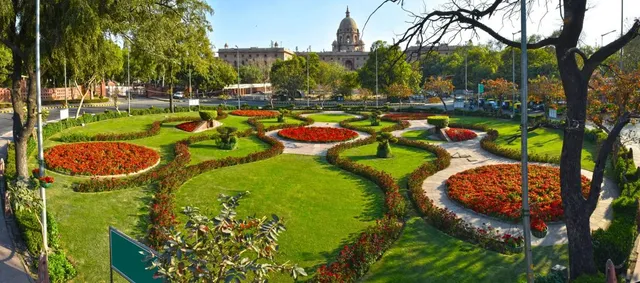
Secretariat Park, Chennai
19, Rajaji Salai, Fort St George, Chennai, Tamil Nadu 600009, India
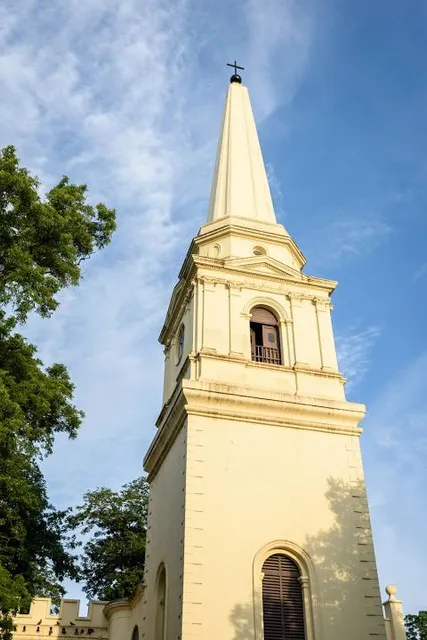
CSI St. Mary's Church
37HP+FJW, Shankar Rd, Rajaji Rd, Fort St George, Chennai, Tamil Nadu 600009, India
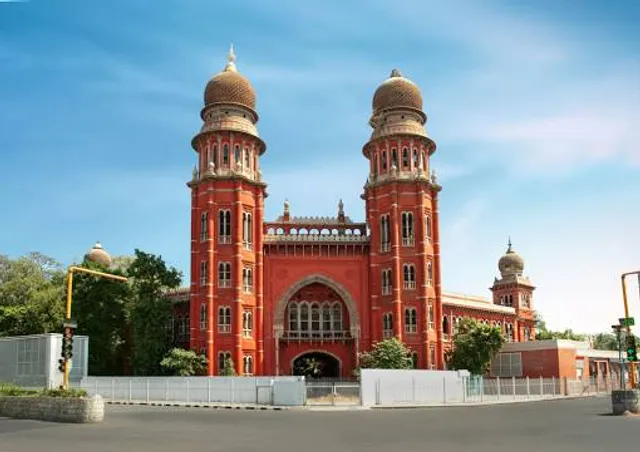
Madras High Court
High Ct Rd, Parry's Corner, George Town, Chennai, Tamil Nadu 600104, India
Victory War Memorial
37FP+96X, Port Trust Officers Quarters, Sathya Nagar, Chennai Port Trust, Chennai, Tamil Nadu 600009, India
The Armenian Church
37VQ+H5M, 60/116, Armenian Street, near High Court, Parry's Corner, George Town, Chennai, Tamil Nadu 600001, India
Nearby restaurants
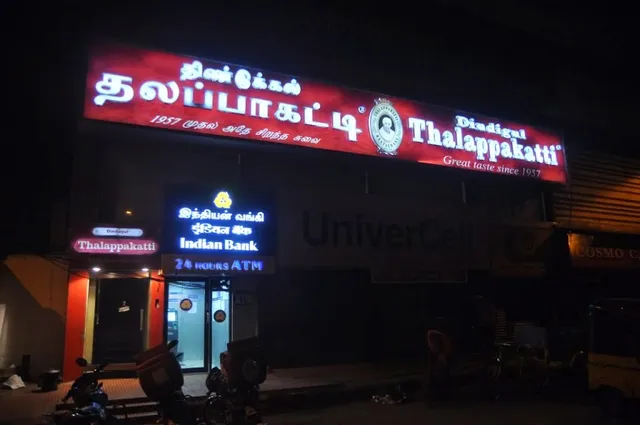
Dindigul Thalappakatti
New No.229, Old No.372, 375, NSC Bose Rd, George Town, Chennai, Tamil Nadu 600001, India
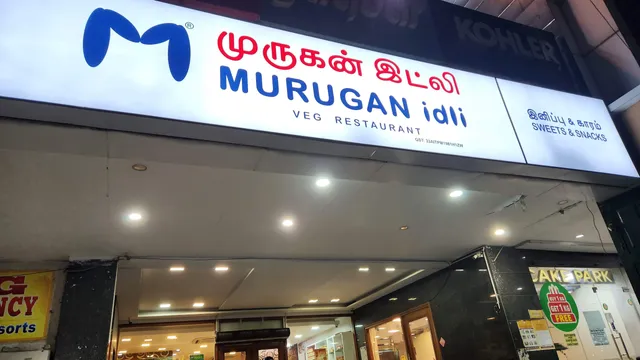
murugan idli shop
Armenian St, Parry's Corner, George Town, Chennai, Tamil Nadu 600001, India
TTDC Drive-In Restaurant
Gate No: 06, Island Grounds, Anna Salai, opposite to War Memorial, Port Trust Officers Quarters, Sathya Nagar, Chennai Port Trust, Chennai, Tamil Nadu 600009, India
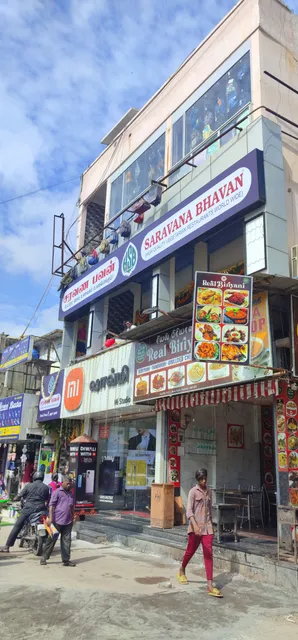
HOTEL SARAVANA BHAVAN
209, NSC Bose Rd, Parrys, George Town, Chennai, Tamil Nadu 600001, India
Hot Chips Veg Restaurant
225, NSC Bose Rd, Parry's Corner, George Town, Chennai, Tamil Nadu 600001, India
Sangeetha Vegetarian Restaurant
111/54, Armenian St, Parry's Corner, George Town, Chennai, Tamil Nadu 600001, India
Suprapadham Sweets And Veg Restaurant
22/224, Sunkurama Chetty Street, Parry's Corner, George Town, Chennai, Tamil Nadu 600001, India
Anjappar Chettinad Restaurant
No. 122/123, Old, New No. 58, Armenian St, Parrys, George Town, Chennai, Tamil Nadu 600001, India
New Ramakrishna lunch home, Ramkrishna Bhavan
222, NSC Bose Rd, Elephant Gate, George Town, Chennai, Tamil Nadu 600001, India
Madurai Sri Thevar Hotel, Parrys
14, Sunkurama Chetty Street, Parrys, George Town, Chennai, Tamil Nadu 600001, India
Nearby hotels
Paris Towers
No.3, Kondi Chetty Street, Parry's Corner, George Town, Chennai, Tamil Nadu 600001, India
Al Noor Residency Business Class Hotel
2nd Floor, 221/222, NSC Bose Rd, Parry's Corner, George Town, Chennai, Tamil Nadu 600001, India
Bagyam Inn
11, Sunkurama Chetty Street, Parry's Corner, George Town, Chennai, Tamil Nadu 600001, India
OYO 69269 Green Star Residency
Empire Plaza, 221/222, Francis Joseph Street, Parry's Corner, George Town, Chennai, Tamil Nadu 600001, India
FabHotel Nestlay Rooms High Court
No: 3, Kondi Chetty Street, Parry's Corner, George Town, Chennai, Tamil Nadu 600001, India
Faazil Mansion
Faazil Mansion 10 st Francis Turin Street, Parrys, George Town, Chennai, Tamil Nadu 600001, India
Hotel Thoiba Residency
222, Empire Complex, NSC Bose Rd, George Town, Chennai, Tamil Nadu 600001, India
Related posts
Keywords
Fort St.George Museum tourism.Fort St.George Museum hotels.Fort St.George Museum bed and breakfast. flights to Fort St.George Museum.Fort St.George Museum attractions.Fort St.George Museum restaurants.Fort St.George Museum travel.Fort St.George Museum travel guide.Fort St.George Museum travel blog.Fort St.George Museum pictures.Fort St.George Museum photos.Fort St.George Museum travel tips.Fort St.George Museum maps.Fort St.George Museum things to do.
Fort St.George Museum things to do, attractions, restaurants, events info and trip planning
Fort St.George Museum
IndiaTamil NaduZone 5 RoyapuramFort St.George Museum

Basic Info

Fort St.George Museum

Rajaji Rd, near Legislature and Secretariat, Fort St George, Chennai, Tamil Nadu 600009, India
4.3(2.6K)
Closed
Save
spot

Ratings & Description

Info

Cultural
Family friendly
Accessibility
attractions: Secretariat Park, Chennai, CSI St. Mary's Church, Madras High Court, Victory War Memorial, The Armenian Church, restaurants: Dindigul Thalappakatti, murugan idli shop, TTDC Drive-In Restaurant, HOTEL SARAVANA BHAVAN, Hot Chips Veg Restaurant, Sangeetha Vegetarian Restaurant, Suprapadham Sweets And Veg Restaurant, Anjappar Chettinad Restaurant, New Ramakrishna lunch home, Ramkrishna Bhavan, Madurai Sri Thevar Hotel, Parrys
logoLearn more insights from Wanderboat AI.
Phone
+91 44 2567 1127
Open hoursSee all hours
Mon9 AM - 5 PMClosed

Plan your stay

hotel
Pet-friendly Hotels in Zone 5 Royapuram
Find a cozy hotel nearby and make it a full experience.
hotel
Affordable Hotels in Zone 5 Royapuram
Find a cozy hotel nearby and make it a full experience.
hotel
The Coolest Hotels You Haven't Heard Of (Yet)
Find a cozy hotel nearby and make it a full experience.
hotel
Trending Stays Worth the Hype in Zone 5 Royapuram
Find a cozy hotel nearby and make it a full experience.

Reviews

Nearby attractions of Fort St.George Museum

Secretariat Park, Chennai

CSI St. Mary's Church

Madras High Court

Victory War Memorial

The Armenian Church

Secretariat Park, Chennai

Secretariat Park, Chennai

4.4

(864)

Open 24 hours
Click for details
CSI St. Mary's Church

CSI St. Mary's Church

4.6

(210)

Closed
Click for details
Madras High Court

Madras High Court

4.3

(426)

Open 24 hours
Click for details
Victory War Memorial

Victory War Memorial

4.5

(700)

Open 24 hours
Click for details

Things to do nearby

A Day with a Local - Cooking, Temple Visit and Fun
Mon, Dec 8 • 9:30 AM
Chennai, Tamil Nadu, 600033, India
View details
Musical Walk along Chennais Marina Beach
Mon, Dec 8 • 6:00 AM
Chennai, Tamil Nadu, 600009, India
View details
Explore Street Shopping and try Local Food
Tue, Dec 9 • 11:00 AM
Chennai, Tamil Nadu, 600017, India
View details

Nearby restaurants of Fort St.George Museum

Dindigul Thalappakatti

murugan idli shop

TTDC Drive-In Restaurant

HOTEL SARAVANA BHAVAN

Hot Chips Veg Restaurant

Sangeetha Vegetarian Restaurant

Suprapadham Sweets And Veg Restaurant

Anjappar Chettinad Restaurant

New Ramakrishna lunch home, Ramkrishna Bhavan

Madurai Sri Thevar Hotel, Parrys

Dindigul Thalappakatti

Dindigul Thalappakatti

4.3

(3.4K)

$$$

Click for details
murugan idli shop

murugan idli shop

4.0

(1.6K)

Click for details
TTDC Drive-In Restaurant

TTDC Drive-In Restaurant

4.2

(205)

Click for details
HOTEL SARAVANA BHAVAN

HOTEL SARAVANA BHAVAN

3.4

(1.7K)

Click for details
Get the Appoverlay
Get the AppOne tap to find yournext favorite spots!
Wanderboat LogoWanderboat

Your everyday Al companion for getaway ideas

CompanyAbout Us
InformationAI Trip PlannerSitemap
SocialXInstagramTiktokLinkedin
LegalTerms of ServicePrivacy Policy

Get the app

© 2025 Wanderboat. All rights reserved.
logo

Reviews of Fort St.George Museum

4.3
(2,634)
avatar
5.0
4y

A Brief History of Fort St. George

Every year, Chennaiites celebrate the date August 22 with great fervor and enthusiasm as the day that marks the founding of Madras, the city that now known as Chennai. However, what many forget is that February 20 is equally important as it marks the date on which Madras became a physical entity with the first stones being laid for the construction of Fort St. George, a structure more crucial to the city’s history than any other.

Indeed, there can perhaps be no conversation about Chennai’s history without first mentioning the Fort, which even today serves as the seat of power for the Tamil Nadu Government. However, the importance of Fort St. George is not just restricted to the history of Chennai, but also plays an important part in the overall history of the British Raj in India.

Birth of Fort St. George

By the mid-17th-century, trade in the Coromandel Coast was already prospering with the British East India Company vying for monopoly over its French and Dutch counterparts. To protect English trade interests in the area, it was decided that an English Fort was needed in the region. And so, in the year 1639, Francis Day and Andrew Cogan, representatives of the British East India Company, purchased the strip of land along and inward from the present Marina Beach from the then Nayak rulers of the region, for the construction of a new Fort that was dedicated to St. George, the Patron Saint of England. On February 20, Day and Cogan arrived at the site with two ships and a few dozen workers and began work on a settlement that would later become Fort St. George. The Fort was finally completed on April 23, 1644, and had cost the crown nearly £3,000.

A cornerstone of British power in India

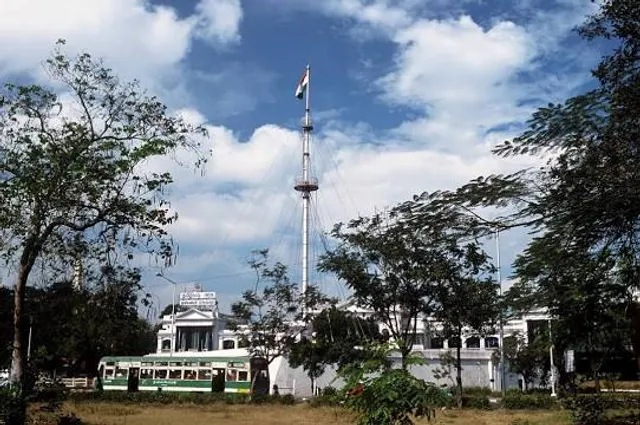
The Fort was an essential center of power during over three centuries of British rule around the region and was also the location of several battles and historical events. Chief among those was its capture in 1746 by the French, who held it for nearly three years, before it was restored to the English in 1749. Over the course of several decades following that, the Fort faced many challenges and attacks from the French and also Hyder Ali, the Sultan of Mysore. It was finally modified and several parts were reconstructed in 1783 and the fort has existed in more or less the same form till present. The fort also has the distinction of being home to a number of ‘firsts’ for the British in India. Among these are the Clive House (constructed in 1609), said to be the first British settlement in India, St, Mary’s Church, India’s first Anglican Church, and the Fort Museum, which was initially the first office of the Madras Bank.

The Fort Complex

While the Fort Complex was initially meant to support a small trade post, it soon burgeoned into a bustling city that was divided into White Town, where the English and Europeans stayed and Black Town, where dock workers and locals stayed. Within its 20ft walls, the British constructed several iconic structures such as the Wellesley House (named for Richard Wellesley, a former Governor General of India), St. Mary’s Church, a 150ft high Flag Staff, and the...

   Read more
avatar
5.0
1y

This is the first fort constructed by the British when they arrived in India as East India Company on the coast of Madras during 1600 erstwhile Chennapattanam, purchased from Chandragiri king with a condition to be named as CHENNAPATNAM. Subsequently, it was named as MADRAS& further christened as CHENNAI. The fort houses Madras Legislature, Defence establishments,a museum and a Flag post made of wood where the first flag designed by Pingali Venkaiyya was hoisted. The museum is the centre of many exhibits like Robert Clive, Governor of CHENNAPATNAM purchased, signed the agreement and still preserved the document for that piece of land. The National Flag can be seen but not allowed to be touched or photographed. The Britishers constructed a church, called St. Mary, christened the area as George Town or White House. The coins, relics, photos, shipping, dresses of the British soldiers, Original important documents are all preserved, displayed, exhibited, well arranged systematically & chronologically. The entrance fee is Rs.5/- for Indians but Rs. 100/- for the foreigners. Beautiful, knowledgeable that takes us from 1600 to 1947 & further. The first bank called Madras Bank started inside the fort. A building near to the Fort was called ICE House where solid ice was brought in ships, stored for the consumption of the British since India did not have the technology to make ice. Later the same building was christened as VIVEKANANDA House from where Triplicane starts from the eastern side. Some military presence is still maintained inside the fort even today. The Britishers fortified the fort due to fear of Tippu Sultan & Arcot Kings. The Flag post is historical. Every one must visit the fort, museum, surroundings and learn & understand the past history, struggles fought by the freedom fighters. Though The Britishers first landed in Surat, they felt for shipping Madras is an ideal one keeping South India as their base for their business. Further,it was an expansion of the British Raj. Do not forget History since one is condemned to repeat as per the words of Bernard Shaw. Preserve history, monuments, relics, records, places, items since everything tells about our past. Visit with a guide since one may miss many places or may struggle to understand the topography of the ancient fort....

   Read more
avatar
4.0
3y

The museum is exceptional. Most of things are kept by the Britishers for the publicity and greatness. First Indian national hosted is preserved there. Museum got weapons,great portraits of Britishers, utensils of Britishers, coins,rewards, medals of world war, bodyguards costumes, big marbles statues of Britishers created by India's great sculptors. Entry is bit tough, you should carry you ID, not mandatory but still you should.

Entry fees. 20.44 INR online booking

The origin of the great white structure of Fort St. George is inextricable from the history of the city of Chennai itself. Popularly called the 'White Town', the sole purpose of establishing the massive fort compound was to establish a British stronghold in the Coromandel Coast and the rest of south India. With Fort St. George as a British headquarter, it was easier to develop the many small towns and villages in Tamil Nadu. The now bustling city of Chennai grew up around this fort during this time, under the British-conferred name Madras.

The magnificent fort happens to be the first in many aspects in the entire era or British rule in India. The fort itself is the first British garrison settlement in India. It also houses the first British official residential complex, the Clive House which was the home of the Commander-in-chief and the orchestrator of British India, Lord Robert Clive. St Mary's Church inside the fortress is also the oldest Anglican Church, not only in India but among all the landmasses east of Suez.

The grand fort is now protected by the Archaeological Survey of India and the station of Tamil Nadu Government. The administrative branches and legislative assembly are housed in here today. However, the church and a museum are open for the common public to visit and understand the significance of this fort in the history of India. The building which houses the museum used to be the location for the Madras Bank since 1795. However, after independence, it is serving as a large collection house of more than 3600 artefacts dating back to the entire period of the British rule - weapons, letters, coins, silverware, ceremonial dresses, medals, some personal items of the residents of the fort...

   Read more
Page 1 of 7
Previous
Next

Posts

Amit WabaleAmit Wabale
The museum is exceptional. Most of things are kept by the Britishers for the publicity and greatness. First Indian national hosted is preserved there. Museum got weapons,great portraits of Britishers, utensils of Britishers, coins,rewards, medals of world war, bodyguards costumes, big marbles statues of Britishers created by India's great sculptors. Entry is bit tough, you should carry you ID, not mandatory but still you should. Entry fees. 20.44 INR online booking The origin of the great white structure of Fort St. George is inextricable from the history of the city of Chennai itself. Popularly called the 'White Town', the sole purpose of establishing the massive fort compound was to establish a British stronghold in the Coromandel Coast and the rest of south India. With Fort St. George as a British headquarter, it was easier to develop the many small towns and villages in Tamil Nadu. The now bustling city of Chennai grew up around this fort during this time, under the British-conferred name Madras. The magnificent fort happens to be the first in many aspects in the entire era or British rule in India. The fort itself is the first British garrison settlement in India. It also houses the first British official residential complex, the Clive House which was the home of the Commander-in-chief and the orchestrator of British India, Lord Robert Clive. St Mary's Church inside the fortress is also the oldest Anglican Church, not only in India but among all the landmasses east of Suez. The grand fort is now protected by the Archaeological Survey of India and the station of Tamil Nadu Government. The administrative branches and legislative assembly are housed in here today. However, the church and a museum are open for the common public to visit and understand the significance of this fort in the history of India. The building which houses the museum used to be the location for the Madras Bank since 1795. However, after independence, it is serving as a large collection house of more than 3600 artefacts dating back to the entire period of the British rule - weapons, letters, coins, silverware, ceremonial dresses, medals, some personal items of the residents of the fort and many more.
My journeyMy journey
The Fort St. George Museum, situated within the historic Fort St. George in Chennai, India, offers visitors a captivating journey through the annals of colonial history. Established in 1948, the museum stands as a testament to Chennai's significant role in the British colonial era. Upon entering the museum, visitors are greeted with a wealth of artifacts, documents, and exhibits that chronicle the British East India Company's presence in India. The museum's collection includes weaponry, uniforms, coins, paintings, and other relics dating back to the 17th century. One of the museum's highlights is its portrayal of the establishment of Fort St. George itself, the first British fortress in India, built in 1644. Visitors can explore the fort's history, from its strategic importance as a trading post to its evolution into a center of British administration in South India. The museum also offers insights into the lives of British officials and soldiers who resided within the fort, showcasing their living quarters, furniture, and personal belongings. Additionally, it sheds light on the cultural exchanges and conflicts that occurred between the British and the indigenous populations of Tamil Nadu. A visit to the Fort St. George Museum provides a comprehensive understanding of the colonial period in India, emphasizing both its complexities and its enduring impact on the region. Beyond its historical significance, the museum serves as a reminder of Chennai's diverse heritage and its place in the global narrative of colonialism and trade. For history enthusiasts and curious visitors alike, the Fort St. George Museum offers a fascinating glimpse into the past, inviting reflection on the forces that have shaped Chennai and its people.
Cyru DaniCyru Dani
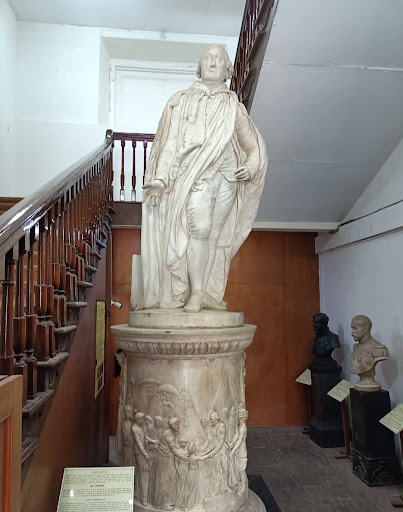
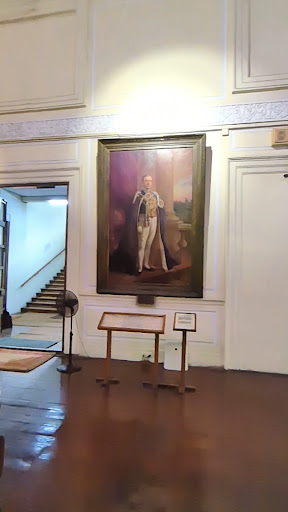
Fort St George Museum – A Gateway to Colonial Chennai. A fascinating journey into Chennai’s colonial past—rich in artefacts, art, and historical significance. Filled with galleries showcasing weaponry, coins, uniforms, paintings, documents, and even the first Indian flag hoisted after Independence, the Fort Museum brings history to life through thoughtfully curated exhibits. The museum is housed in a charming 18th-century structure that once served as the Madras Bank and the Exchange Hall. Upon entering, you’re greeted by a striking marble statue of Lord Cornwallis—an iconic landmark and conversation starter. Ground floor features armaments and porcelain; an upper floor displays portraits, medals, and coins; and the top floor houses the Indian national flag hoisted after Independence. Well-preserved galleries, especially the detailed craftsmanship on artifacts and colonial ephemera. The museum can feel quite warm, especially on hot days. Fans are few and spaced out. Entry ticket can be booked through online link, via QR codes only, at the entrance. Since the museum lies within a government compound, anticipate police screening. Carry a valid ID. Open from 9 AM to 5 PM. Entry Fee: Rs.20 per head. Bring water, there are limited facilities inside. St Mary’s Church (“Westminster Abbey of the East”) is worth exploring too. Nice place to spend 1 to 2 hours with family. Children might enjoy the artifact's. Free Car parking available across the main road.
See more posts
See more posts
hotel
Find your stay

Pet-friendly Hotels in Zone 5 Royapuram

Find a cozy hotel nearby and make it a full experience.

The museum is exceptional. Most of things are kept by the Britishers for the publicity and greatness. First Indian national hosted is preserved there. Museum got weapons,great portraits of Britishers, utensils of Britishers, coins,rewards, medals of world war, bodyguards costumes, big marbles statues of Britishers created by India's great sculptors. Entry is bit tough, you should carry you ID, not mandatory but still you should. Entry fees. 20.44 INR online booking The origin of the great white structure of Fort St. George is inextricable from the history of the city of Chennai itself. Popularly called the 'White Town', the sole purpose of establishing the massive fort compound was to establish a British stronghold in the Coromandel Coast and the rest of south India. With Fort St. George as a British headquarter, it was easier to develop the many small towns and villages in Tamil Nadu. The now bustling city of Chennai grew up around this fort during this time, under the British-conferred name Madras. The magnificent fort happens to be the first in many aspects in the entire era or British rule in India. The fort itself is the first British garrison settlement in India. It also houses the first British official residential complex, the Clive House which was the home of the Commander-in-chief and the orchestrator of British India, Lord Robert Clive. St Mary's Church inside the fortress is also the oldest Anglican Church, not only in India but among all the landmasses east of Suez. The grand fort is now protected by the Archaeological Survey of India and the station of Tamil Nadu Government. The administrative branches and legislative assembly are housed in here today. However, the church and a museum are open for the common public to visit and understand the significance of this fort in the history of India. The building which houses the museum used to be the location for the Madras Bank since 1795. However, after independence, it is serving as a large collection house of more than 3600 artefacts dating back to the entire period of the British rule - weapons, letters, coins, silverware, ceremonial dresses, medals, some personal items of the residents of the fort and many more.
Amit Wabale

Amit Wabale

hotel
Find your stay

Affordable Hotels in Zone 5 Royapuram

Find a cozy hotel nearby and make it a full experience.

Get the Appoverlay
Get the AppOne tap to find yournext favorite spots!
The Fort St. George Museum, situated within the historic Fort St. George in Chennai, India, offers visitors a captivating journey through the annals of colonial history. Established in 1948, the museum stands as a testament to Chennai's significant role in the British colonial era. Upon entering the museum, visitors are greeted with a wealth of artifacts, documents, and exhibits that chronicle the British East India Company's presence in India. The museum's collection includes weaponry, uniforms, coins, paintings, and other relics dating back to the 17th century. One of the museum's highlights is its portrayal of the establishment of Fort St. George itself, the first British fortress in India, built in 1644. Visitors can explore the fort's history, from its strategic importance as a trading post to its evolution into a center of British administration in South India. The museum also offers insights into the lives of British officials and soldiers who resided within the fort, showcasing their living quarters, furniture, and personal belongings. Additionally, it sheds light on the cultural exchanges and conflicts that occurred between the British and the indigenous populations of Tamil Nadu. A visit to the Fort St. George Museum provides a comprehensive understanding of the colonial period in India, emphasizing both its complexities and its enduring impact on the region. Beyond its historical significance, the museum serves as a reminder of Chennai's diverse heritage and its place in the global narrative of colonialism and trade. For history enthusiasts and curious visitors alike, the Fort St. George Museum offers a fascinating glimpse into the past, inviting reflection on the forces that have shaped Chennai and its people.
My journey

My journey

hotel
Find your stay

The Coolest Hotels You Haven't Heard Of (Yet)

Find a cozy hotel nearby and make it a full experience.

hotel
Find your stay

Trending Stays Worth the Hype in Zone 5 Royapuram

Find a cozy hotel nearby and make it a full experience.

Fort St George Museum – A Gateway to Colonial Chennai. A fascinating journey into Chennai’s colonial past—rich in artefacts, art, and historical significance. Filled with galleries showcasing weaponry, coins, uniforms, paintings, documents, and even the first Indian flag hoisted after Independence, the Fort Museum brings history to life through thoughtfully curated exhibits. The museum is housed in a charming 18th-century structure that once served as the Madras Bank and the Exchange Hall. Upon entering, you’re greeted by a striking marble statue of Lord Cornwallis—an iconic landmark and conversation starter. Ground floor features armaments and porcelain; an upper floor displays portraits, medals, and coins; and the top floor houses the Indian national flag hoisted after Independence. Well-preserved galleries, especially the detailed craftsmanship on artifacts and colonial ephemera. The museum can feel quite warm, especially on hot days. Fans are few and spaced out. Entry ticket can be booked through online link, via QR codes only, at the entrance. Since the museum lies within a government compound, anticipate police screening. Carry a valid ID. Open from 9 AM to 5 PM. Entry Fee: Rs.20 per head. Bring water, there are limited facilities inside. St Mary’s Church (“Westminster Abbey of the East”) is worth exploring too. Nice place to spend 1 to 2 hours with family. Children might enjoy the artifact's. Free Car parking available across the main road.
Cyru Dani

Cyru Dani

See more posts
See more posts