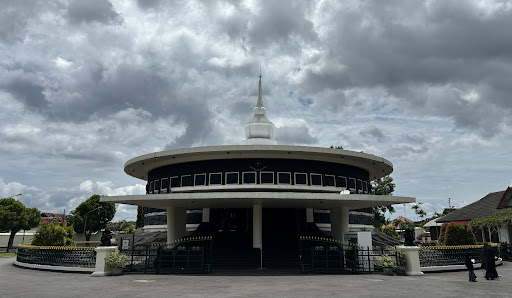
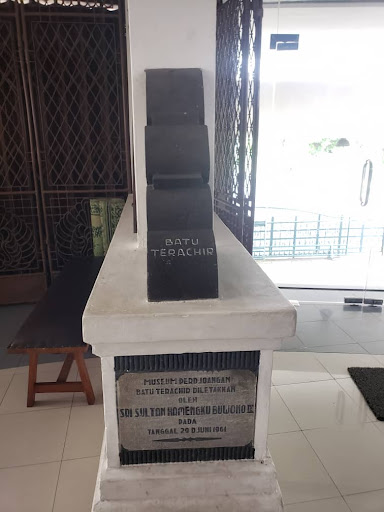
Museum Perjuangan things to do, attractions, restaurants, events info and trip planning
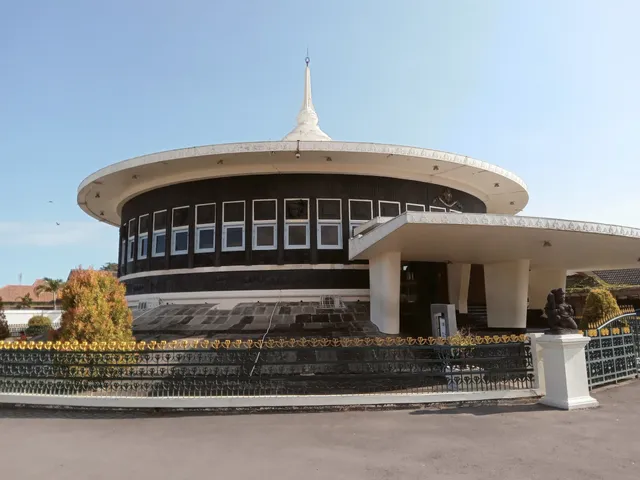
Basic Info
Museum Perjuangan
Depan museum perjuangan, Jl. Kolonel Sugiyono No.24, Brontokusuman, Kec. Mergangsan, Kota Yogyakarta, Daerah Istimewa Yogyakarta 55153, Indonesia
4.5(630)
Closed
Save
spot
spot
Ratings & Description
Info
Cultural
Family friendly
Accessibility
attractions: , restaurants: Sate Taichan Senayan Yogya, ViaVia Jogja, Zabunch Breakfast and Burger, Warung Heru, La Contrada Ristorante | Italian Food & Indonesian Cuisine, Ministry of Coffee, Bakso Bakar Sambal Geprek, TILLDROP BAR & RESTO, KESUMA Restaurant, Adam's Coffee & Pastry, local businesses: Jl. Prawirotaman, Pojok Benteng Wetan, Borobudur Tours, Moesson Antik Gallery, Antique and Vintage Shop "Pak Well", Dewi Tara Antique Shop, Borobudur Silver
 Learn more insights from Wanderboat AI.
Phone
+62 888-0276-9746
Open hoursSee all hours
Tue7:30 AM - 4 PMClosed
Plan your stay

Pet-friendly Hotels in Yogyakarta
Find a cozy hotel nearby and make it a full experience.

Affordable Hotels in Yogyakarta
Find a cozy hotel nearby and make it a full experience.

The Coolest Hotels You Haven't Heard Of (Yet)
Find a cozy hotel nearby and make it a full experience.

Trending Stays Worth the Hype in Yogyakarta
Find a cozy hotel nearby and make it a full experience.
Reviews
Live events
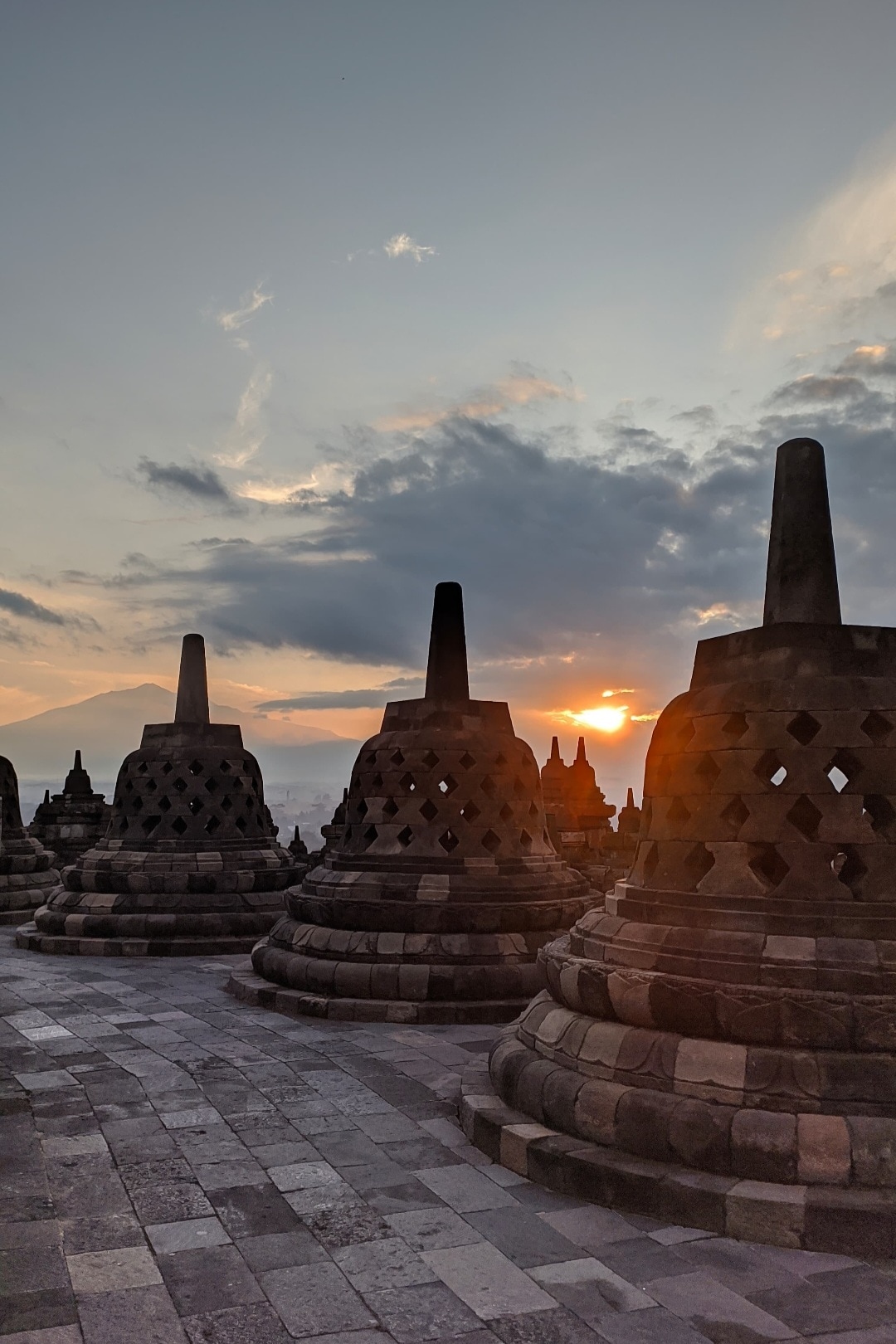
Borobudur-Prambanans Private Tour
Tue, Feb 24 • 3:30 AM
Gondokusuman, Special Region of Yogyakarta, 55213, Indonesia
View details
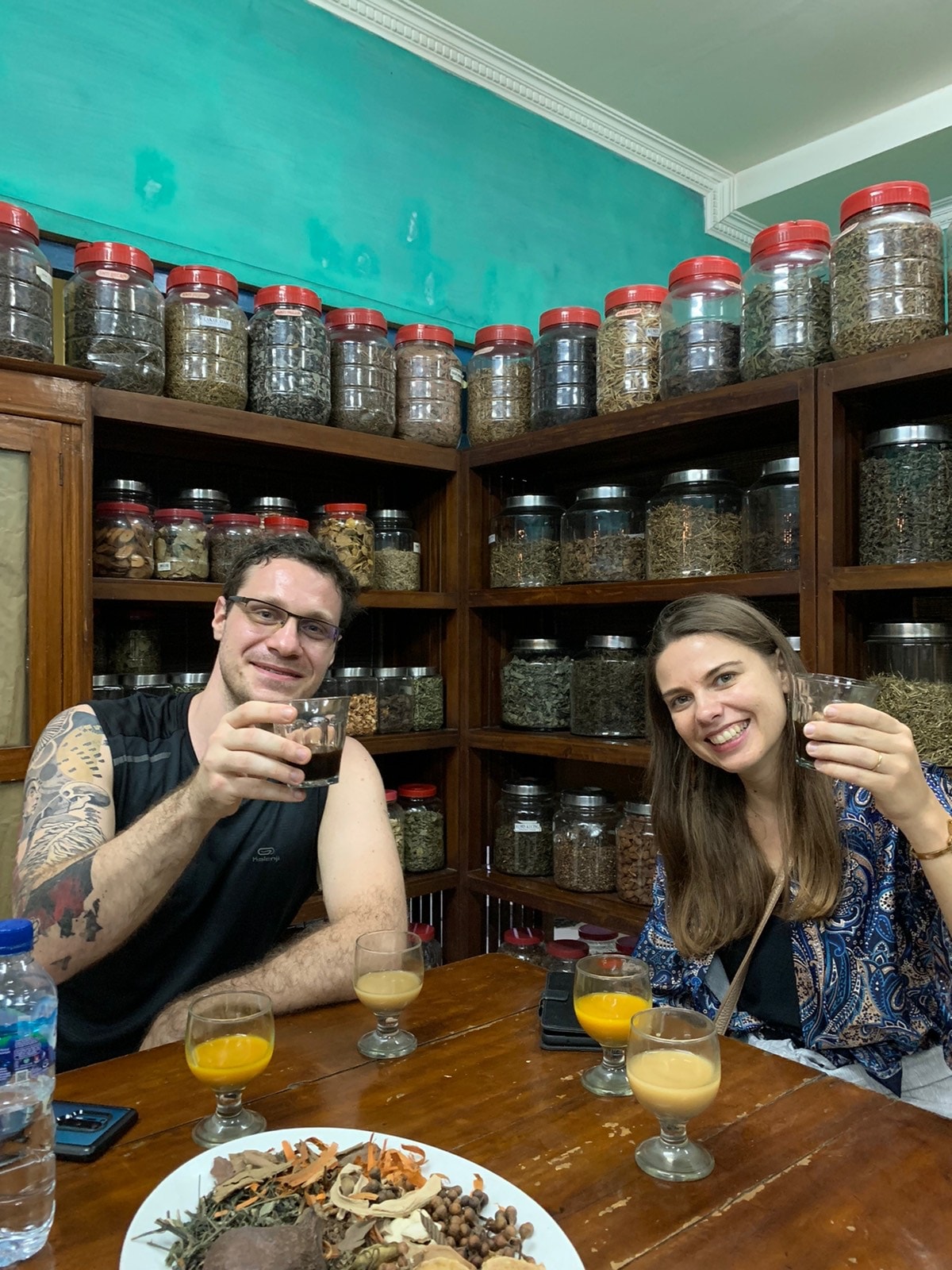
Yogyakarta Nighttime Walking and Food Tour
Tue, Feb 24 • 6:30 PM
Jetis, Special Region of Yogyakarta, 55233, Indonesia
View details
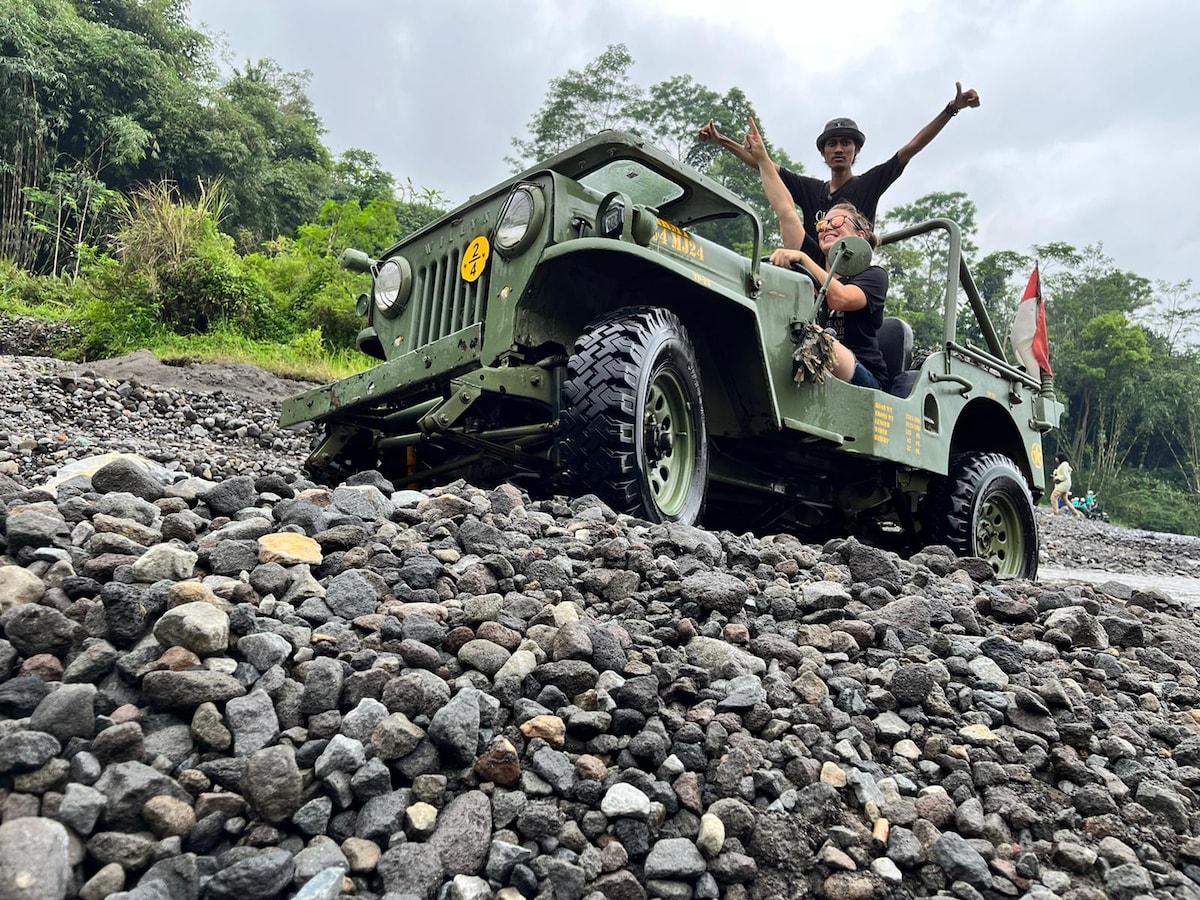
Discover Borobudur Prambanan & Yogyakarta
Tue, Feb 24 • 8:00 AM
Kraton, Special Region of Yogyakarta, 55661, Indonesia
View details
Nearby restaurants of Museum Perjuangan
Sate Taichan Senayan Yogya
ViaVia Jogja
Zabunch Breakfast and Burger
Warung Heru
La Contrada Ristorante | Italian Food & Indonesian Cuisine
Ministry of Coffee
Bakso Bakar Sambal Geprek
TILLDROP BAR & RESTO
KESUMA Restaurant
Adam's Coffee & Pastry
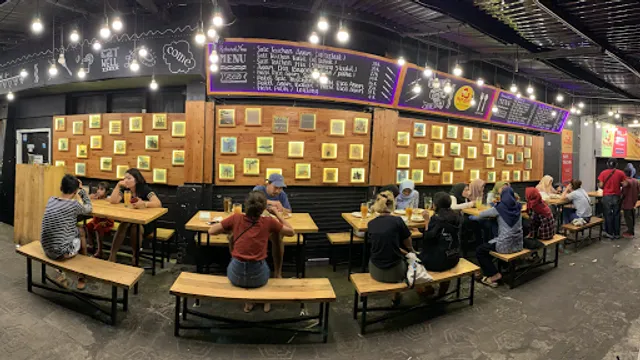
Sate Taichan Senayan Yogya
4.5
(1.9K)
Closed
Click for details
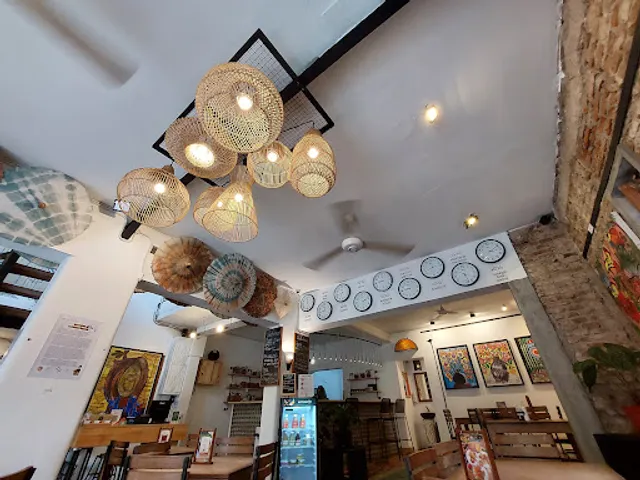
ViaVia Jogja
4.4
(1.8K)
$$
Closed
Click for details
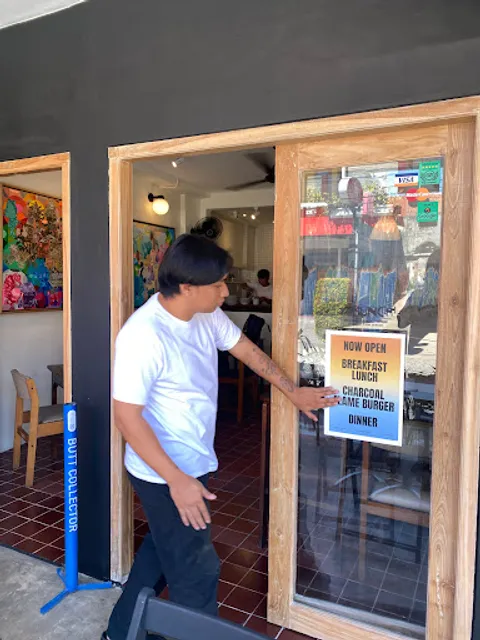
Zabunch Breakfast and Burger
4.8
(717)
Open until 12:00 AM
Click for details
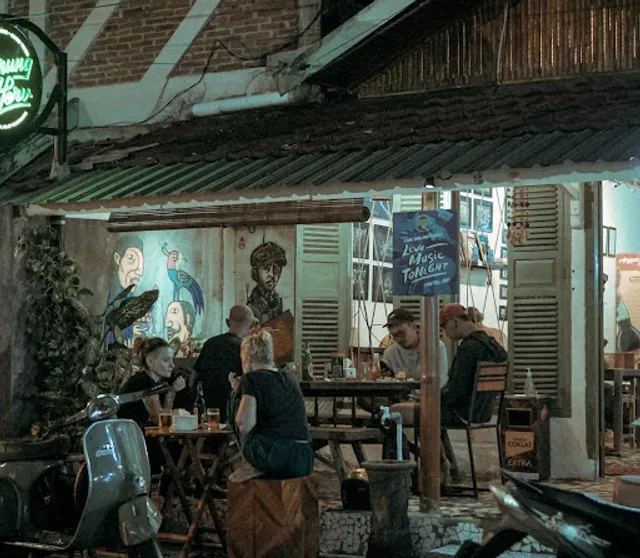
Warung Heru
4.6
(396)
Closed
Click for details
Nearby local services of Museum Perjuangan
Jl. Prawirotaman
Pojok Benteng Wetan
Borobudur Tours
Moesson Antik Gallery
Antique and Vintage Shop "Pak Well"
Dewi Tara Antique Shop
Borobudur Silver
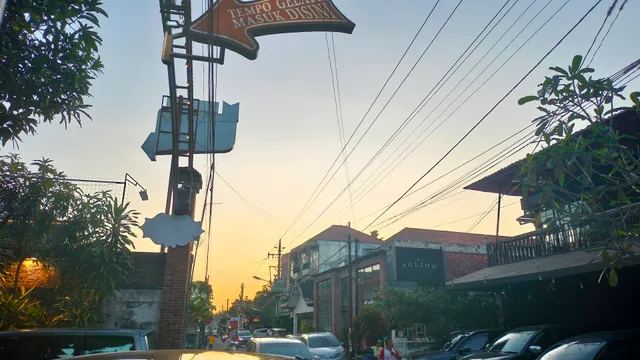
Jl. Prawirotaman
4.6
(187)
Click for details
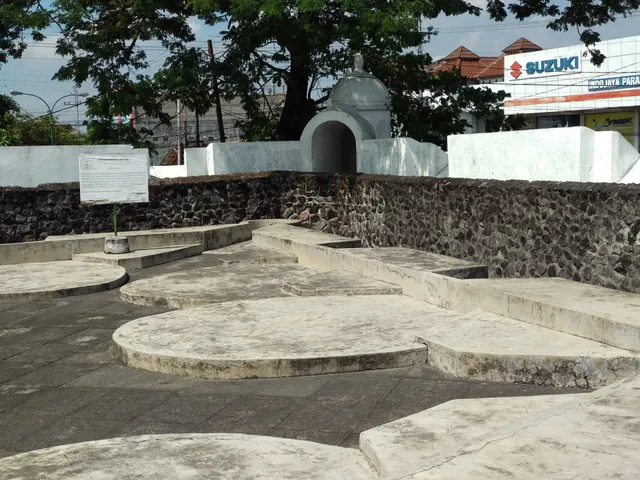
Pojok Benteng Wetan
4.6
(570)
Click for details
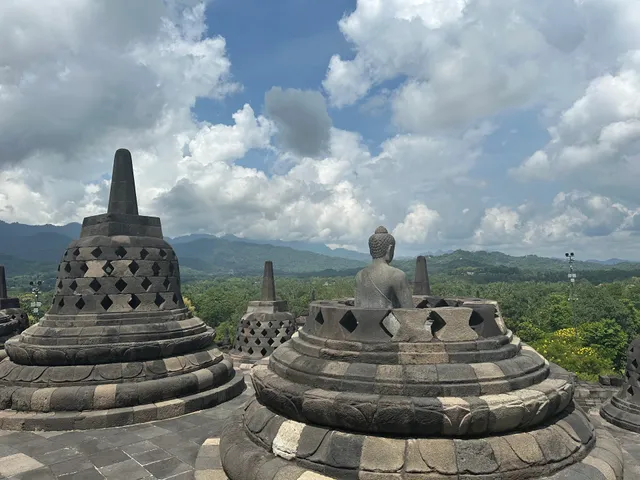
Borobudur Tours
5.0
(111)
Click for details
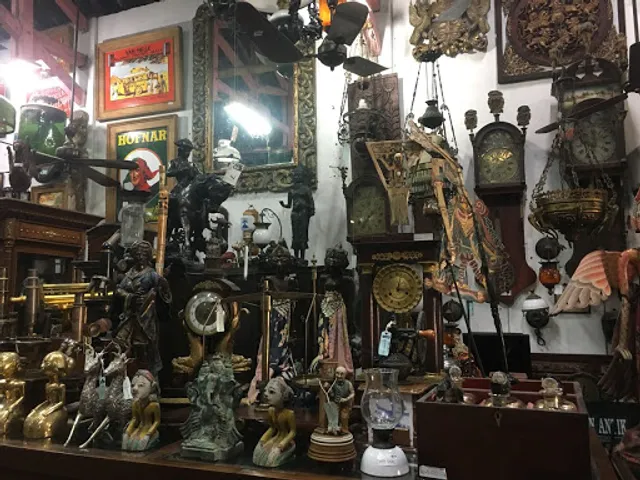
Moesson Antik Gallery
4.5
(44)
Click for details