Vredeburg Museum things to do, attractions, restaurants, events info and trip planning
Basic Info
Vredeburg Museum
Jl. Margo Mulyo No.6, Ngupasan, Kec. Gondomanan, Kota Yogyakarta, Daerah Istimewa Yogyakarta 55122, Indonesia
4.7(1.3K)
Closed
Save
spot
spot
Ratings & Description
Info
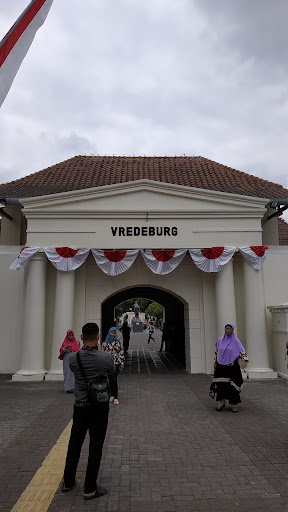
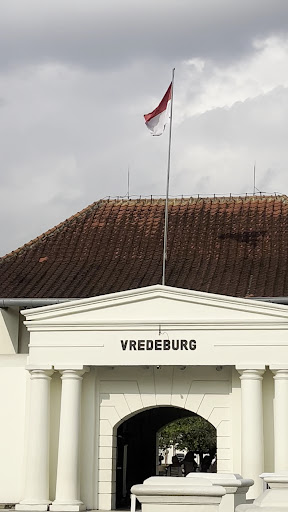
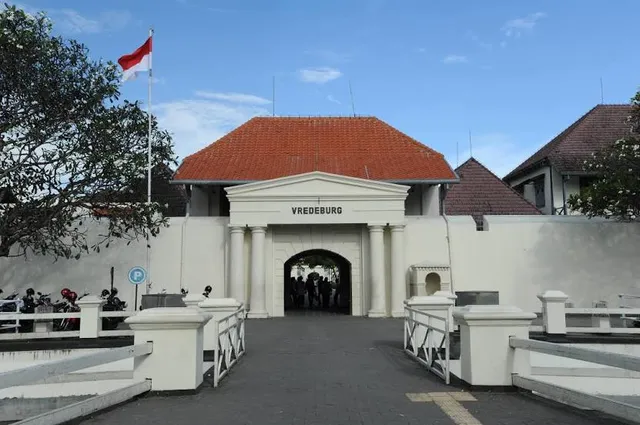
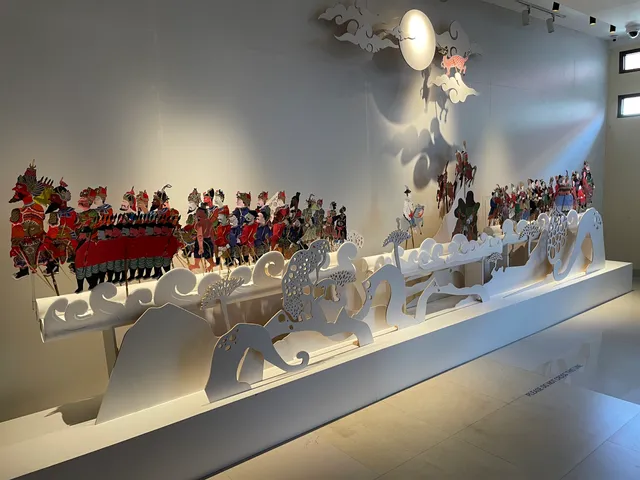
Fort Vredeburg Museum was a former colonial fortress located in the city of Yogyakarta, Special Region of Yogyakarta, Indonesia. The military complex has been converted into a museum of the Indonesian independence struggle which was opened in 1992. It is located in front of Gedung Agung and near the Kraton Yogyakarta.
Cultural
Family friendly
Accessibility
attractions: Taman Pintar Yogyakarta, 1 March 1949 Monument, Taman Budaya Yogyakarta, Museum Sonobudoyo Unit I, Siti Djirzanah Mosque, Taman Air Menari, Museum Sonobudoyo Gedung Baru, Gedung Agung Yogyakarta, Keraton Ngayogyakarta Hadiningrat, Gedhe Kauman Mosque, restaurants: KOPI PAKPOS NOL KM, Lesehan SBTB Terang Bulan Malioboro, Pempek Ny. Kamto Beskalan 3, Kopi Walik, Pendopo Lawas, Tengkleng Bhenjoyo, Keraton, Ingkung Bakar Sego Gurih Sekaten, Gudeg Wijilan Bu Lies 2, Sate Ayam Pak Kromo, Ayam Geprek DBC, local businesses: Pasar Beringharjo, Pasar Beringharjo Yogyakarta, GPIB Jemaat Marga Mulya Yogyakarta, Sonobudoyo Museum New Building, Yogyakarta Palace Tourism, Fuk Ling Miau temple, Jl. Malioboro, Jalan Malioboro, Malioboro Yogyakarta Indonesia
 Learn more insights from Wanderboat AI.
Phone
+62 274 586934
Website
vredeburg.id
Open hoursSee all hours
SunClosed
Plan your stay

Pet-friendly Hotels in Yogyakarta
Find a cozy hotel nearby and make it a full experience.

Affordable Hotels in Yogyakarta
Find a cozy hotel nearby and make it a full experience.

The Coolest Hotels You Haven't Heard Of (Yet)
Find a cozy hotel nearby and make it a full experience.

Trending Stays Worth the Hype in Yogyakarta
Find a cozy hotel nearby and make it a full experience.
Reviews
Live events
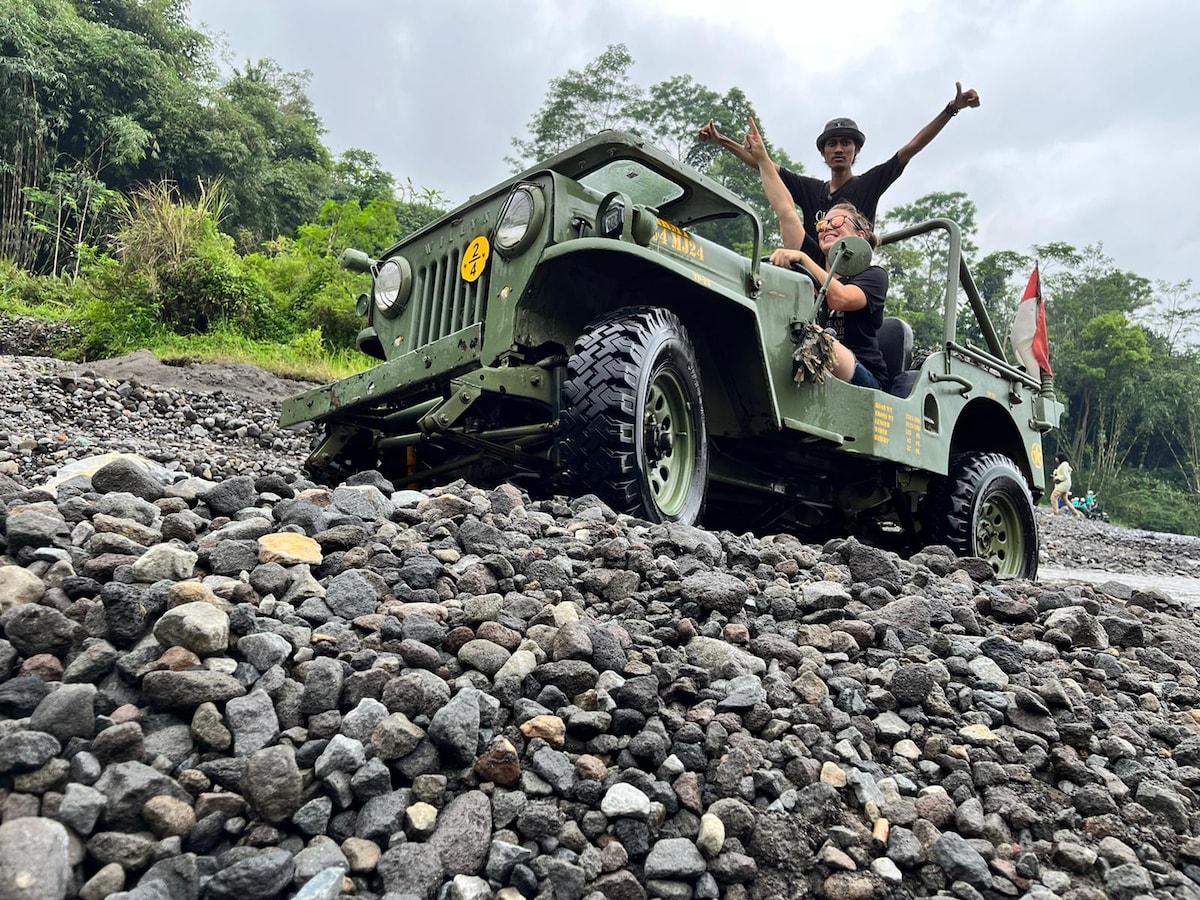
Discover Borobudur Prambanan & Yogyakarta
Sun, Feb 22 • 8:00 AM
Kraton, Special Region of Yogyakarta, 55661, Indonesia
View details
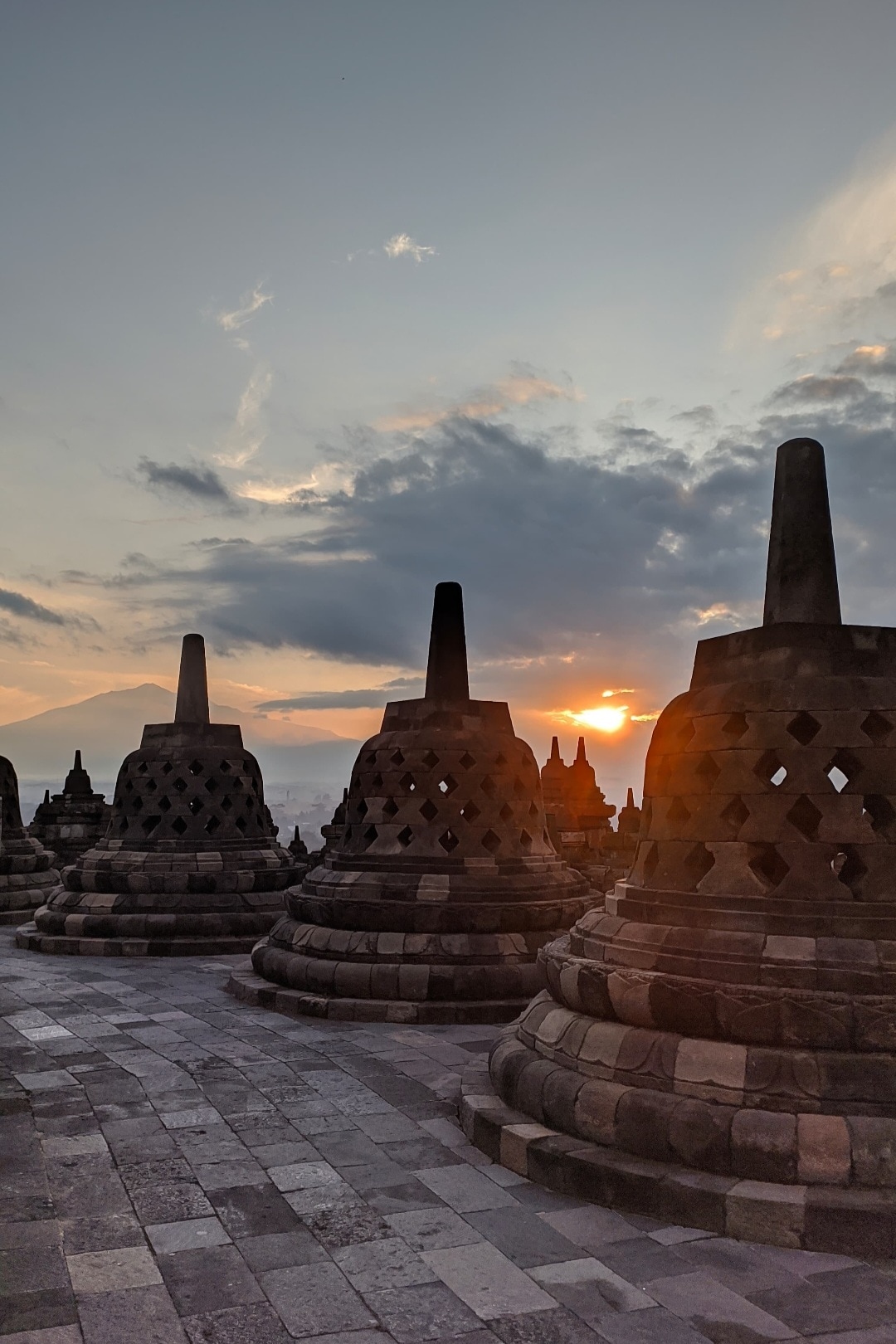
Borobudur-Prambanans Private Tour
Mon, Feb 23 • 3:30 AM
Gondokusuman, Special Region of Yogyakarta, 55213, Indonesia
View details

Yogyakarta Historical and Food Tour
Sun, Feb 22 • 6:00 PM
Gedong Tengen, Special Region of Yogyakarta, 55272, Indonesia
View details
Nearby attractions of Vredeburg Museum
Taman Pintar Yogyakarta
1 March 1949 Monument
Taman Budaya Yogyakarta
Museum Sonobudoyo Unit I
Siti Djirzanah Mosque
Taman Air Menari
Museum Sonobudoyo Gedung Baru
Gedung Agung Yogyakarta
Keraton Ngayogyakarta Hadiningrat
Gedhe Kauman Mosque

Taman Pintar Yogyakarta
4.5
(3.4K)
Closed
Click for details
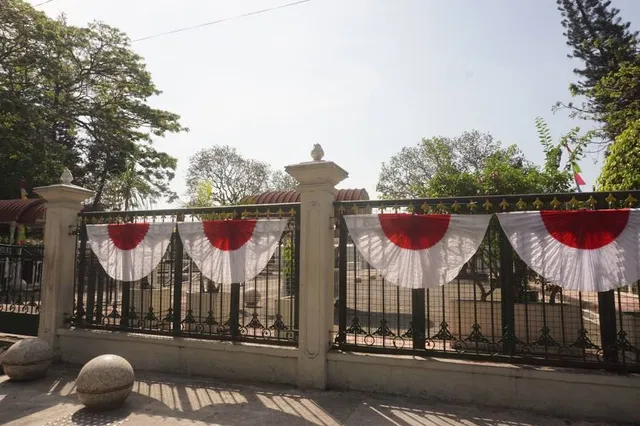
1 March 1949 Monument
4.6
(1.3K)
Closed
Click for details
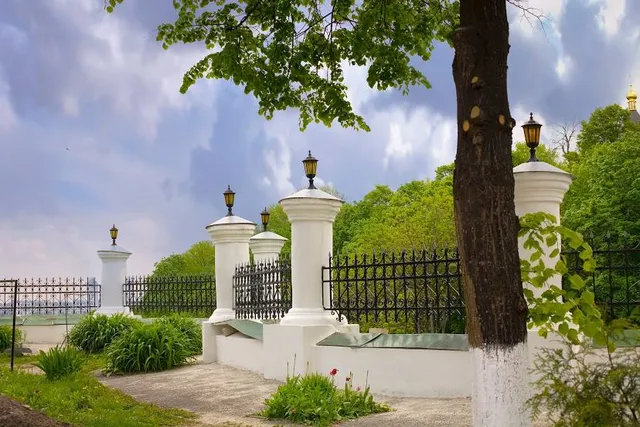
Taman Budaya Yogyakarta
4.6
(1.8K)
Closed
Click for details
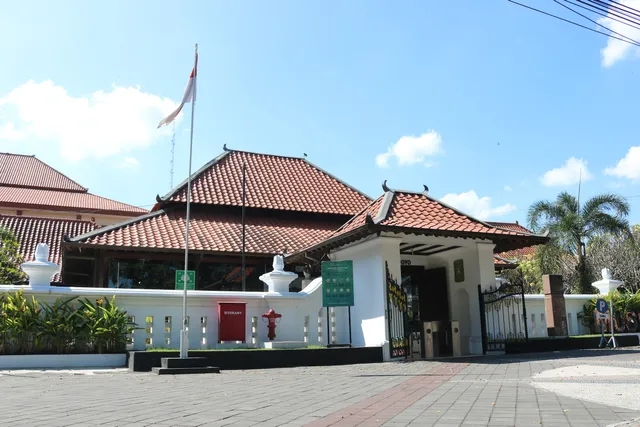
Museum Sonobudoyo Unit I
4.8
(4.1K)
Closed
Click for details
Nearby restaurants of Vredeburg Museum
KOPI PAKPOS NOL KM
Lesehan SBTB Terang Bulan Malioboro
Pempek Ny. Kamto Beskalan 3
Kopi Walik
Pendopo Lawas
Tengkleng Bhenjoyo, Keraton
Ingkung Bakar Sego Gurih Sekaten
Gudeg Wijilan Bu Lies 2
Sate Ayam Pak Kromo
Ayam Geprek DBC
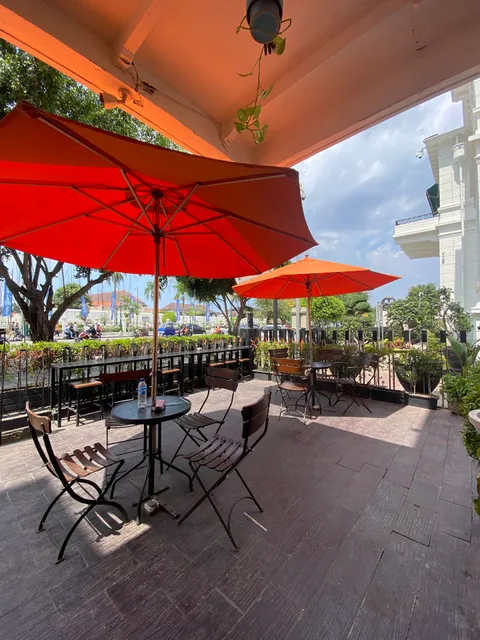
KOPI PAKPOS NOL KM
4.6
(434)
$$
Closed
Click for details
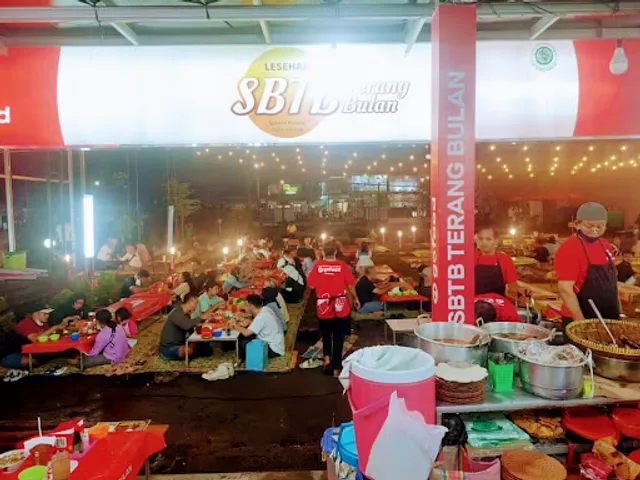
Lesehan SBTB Terang Bulan Malioboro
4.4
(619)
Closed
Click for details
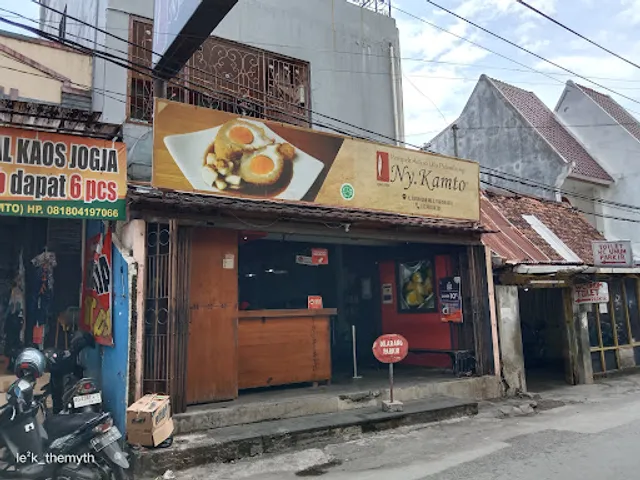
Pempek Ny. Kamto Beskalan 3
4.5
(1.8K)
Closed
Click for details
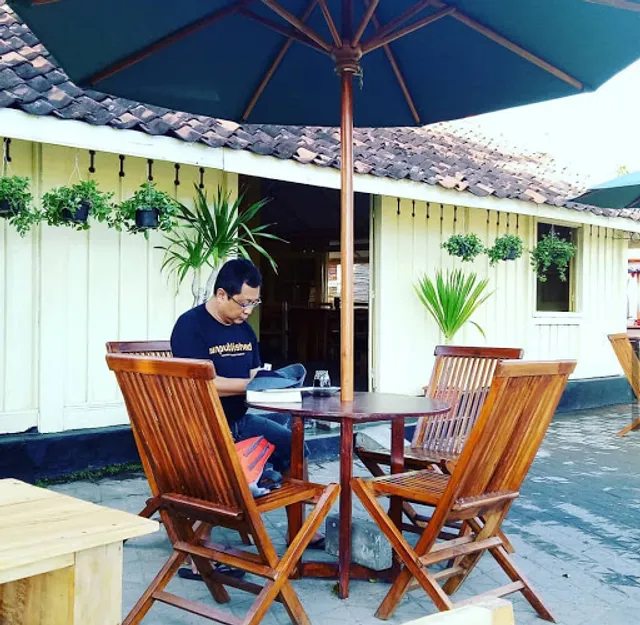
Kopi Walik
4.5
(579)
Closed
Click for details
Nearby local services of Vredeburg Museum
Pasar Beringharjo
Pasar Beringharjo Yogyakarta
GPIB Jemaat Marga Mulya Yogyakarta
Sonobudoyo Museum New Building
Yogyakarta Palace Tourism
Fuk Ling Miau temple
Jl. Malioboro
Jalan Malioboro
Malioboro Yogyakarta Indonesia
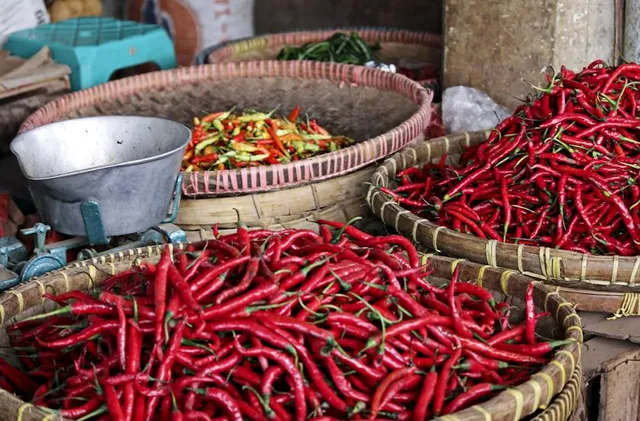
Pasar Beringharjo
4.6
(31.1K)
Click for details
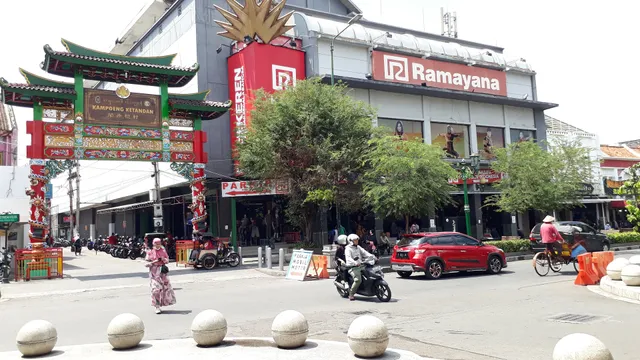
Pasar Beringharjo Yogyakarta
4.6
(1.8K)
Click for details
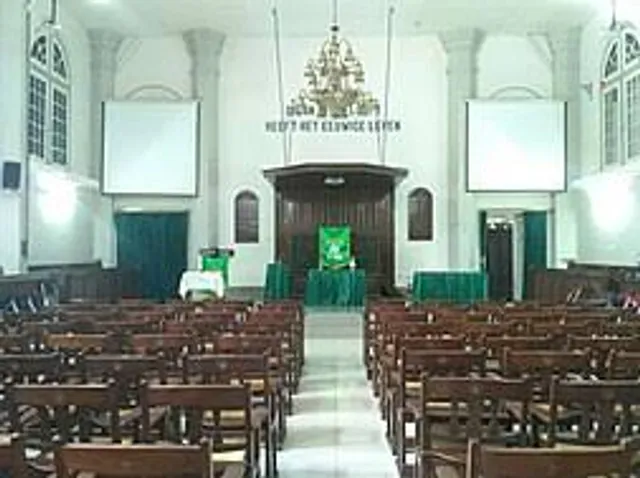
GPIB Jemaat Marga Mulya Yogyakarta
4.8
(174)
Click for details
Sonobudoyo Museum New Building
4.9
(48)
Click for details