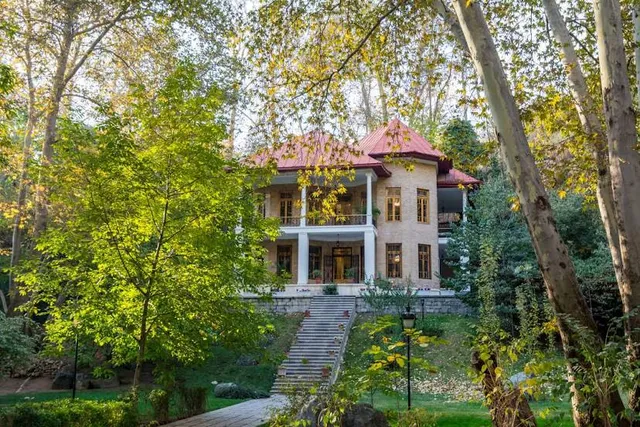
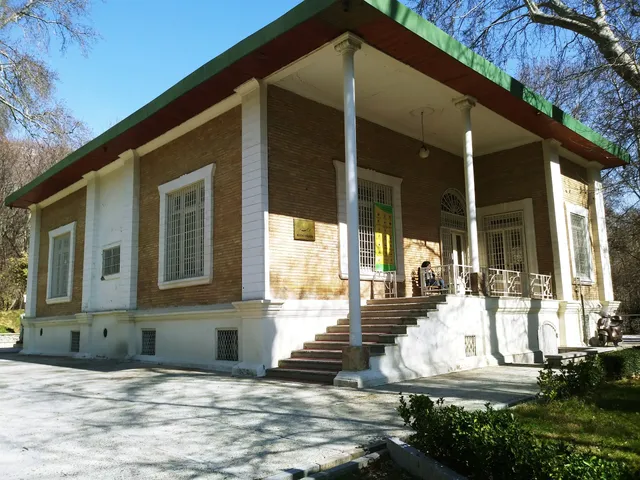
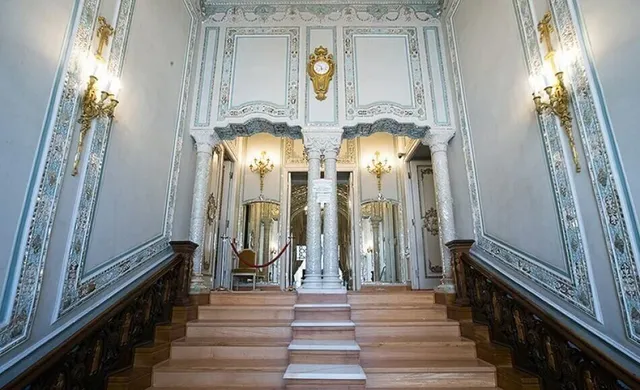
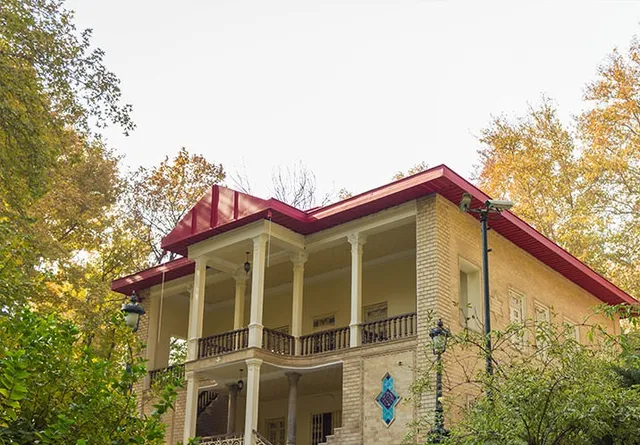
In the refined area of the resort's foothills and the lush valley of Darband, a delightful section is formed from the north of the city of Saadabad, with an area of one million and one hundred thousand square meters in this area.
Sa'adabad, which is located north of the Alborz mountains, east of Goladdareh, from the Maghreb to Velenjak, and to the south with Tajrish, was the place of settlement and summer residence of the kings of this dynasty during Qajar period.
After the coup d'état of 1299, in the new area and the annexation of various gardens, it was dedicated to the summer residence of Reza Khan; palaces and palaces for various occasions and necessities, in the place of this area from the ancient trees and Sepidar and Cedar, far from The remnants of the Qajar buildings have come to an end over the years to fourteen small and large palaces, each one in style and style in architecture.
Hajj Aqa Reza Rafi writes in his memoirs: "I purchased Saadabad from Abu al-Fitah, the son of Azam, the son of the great Azma, sister of Sultan Sultan, for four hundred thousandths, with Haj Aqa Noorah ... and a cobbase for Reza Khan Sardar Sepah.
Sa'adabad, which I bought at that time, was not that big, and its size was eight thousand meters along the river with the mother-queen's mansion. Of course, after purchasing Saad Abad from the Supreme Leader, I bought the hill of Ali Khan Governor from the father of the Brigadier Governor for seven thousand tomans, and this hill is the same hill that built Shahunt's house on Reza Khan, and the mother of Shapur Abdul Reza (Esmat Dolatshahi ) Sat at that palace.
Gardens of which lands were in the territory of Saadabad, the garden of Agham Mohammad Javad is a façade that was part of Ja'far Abad. Also, many of the garden of the Imam of Friday was in the garden of Saadabad, and the southern houses of Sa'adabad, which were related to the Qajar period, were purchased from Nasir al-Dawlah, and in The first Pahlavi times were used as a barracks in Saadabad. Later, other gardens around Sa'adabad, including the Gardens of War, Lieutenant General Aman ... Mirza, Mostofi al-Mamalek, Shakra ... Ghavam al-Dawlah, the companion of Sultan Mostofi and Mahmoud Badr, and Inside Sa'd Abad. At that time, Reza Khan was clad in the middle of the trees of Sa'adabad, and...
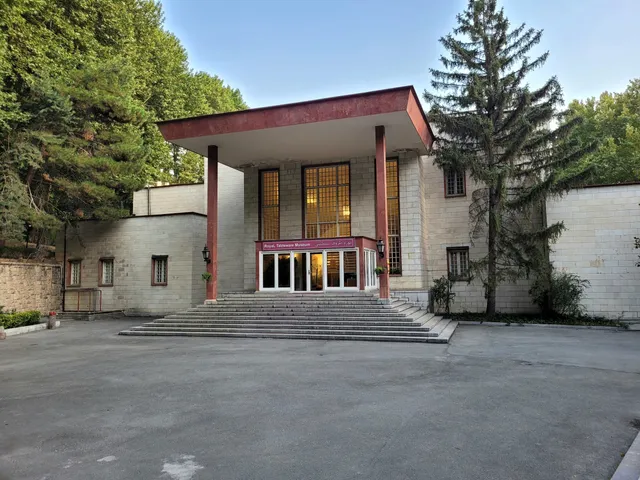
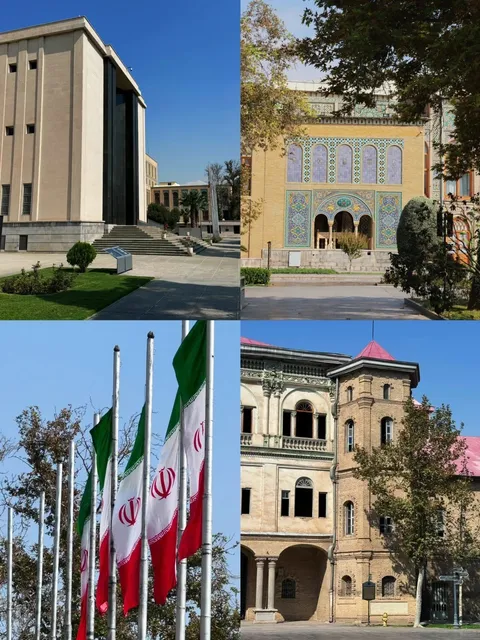
Read moreSaadabad historical and cultural complex is a collection of mansions and palaces that are built in Darband, the northernmost region of Alvand, on a 110-hectare land. The complex has about 180 hectares of forests, springs, aqueducts, orchards, greenhouses and streets. This mansion is bordered by Alborz mountains from the north, Golabodreh from the east, Velenjak from the west and Tajrish from the south. The Jafarabad River flows through the middle of the palace grounds. The average annual temperature of this region is estimated at 12.9 degrees Celsius and it is located at an altitude of 1650 to 1800 meters above sea level. During the first Pahlavi period, the entire Saadabad garden was drunk from the Darband River; But in the second Pahlavi period, due to giving water to the people in the middle of the day and night and not enough water to irrigate the entire complex, twelve old and new aqueducts were used.
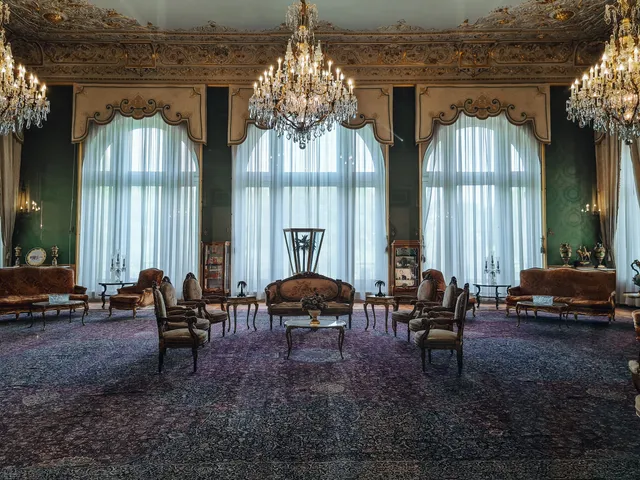
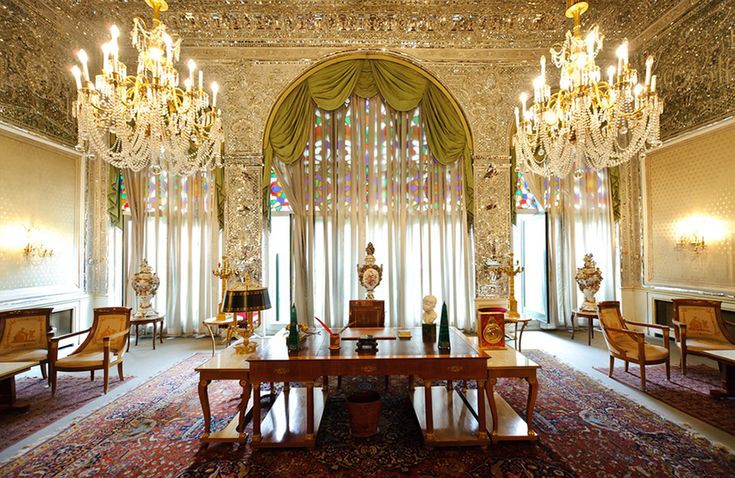
Saadabad complex has gone through four historical periods of Qajar, first Pahlavi and second Pahlavi and after the Iranian revolution. Saadabad was built during the Qajar period and was the summer residence of the kings of this dynasty. After the coup d'etat of 1299 and its occupation by the Pahlavi dynasty, several buildings and mansions were built in it, which can accommodate 18 palaces in different dimensions. Each of the buildings was the residence of a member of the Pahlavi dynasty. Mohammad Reza Pahlavi also settled in this place in the 1350s; Which was completed during the early days of his reign. The newest palace in this complex is Leila Pahlavi Palace, which belonged to the youngest daughter of Mohammad Reza Pahlavi.
After the victory of the Revolution of 1957, this complex became a museum, but the current presidential palace is located next to this complex. The Queen Mother Palace, which belongs to the Presidential Palace, has also been used to receive...
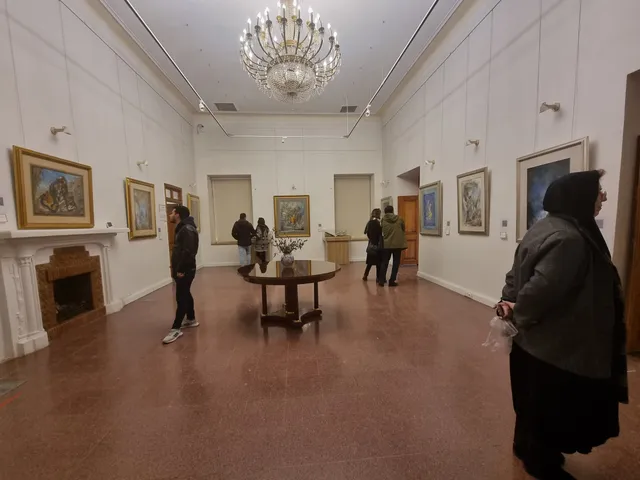
Read moreThe Saadabad Cultural & Historical Complex is a stunning cultural and historical site located in the northern part of Tehran, Iran. The complex is a sprawling estate that includes a range of palaces, museums, and gardens, offering visitors a glimpse into Iran's rich history and culture. One of the highlights of the complex is the Saadabad Palace, which was built in the 19th century during the Qajar Dynasty. The palace features ornate architecture, beautiful gardens, and stunning views of the surrounding mountains. Visitors can explore the palace's many rooms and halls, which are filled with impressive artwork and historical artifacts. Another must-visit site in the complex is the Green Palace, which was built in the 1920s as a summer residence for the last Shah of Iran. The palace's beautiful gardens and well-preserved interior offer visitors a fascinating look into the lifestyle of Iran's former royalty. In addition to the palaces, the complex also includes several museums that showcase Iran's rich history and culture. The Museum of Fine Arts features an impressive collection of Iranian and Western artwork, while the Museum of Anthropology focuses on the country's diverse ethnic groups and their traditional cultures. Finally, the complex's stunning gardens offer visitors a chance to relax and enjoy the natural beauty of the surrounding area. The gardens are filled with colorful flowers, fountains, and statues, providing a tranquil escape from the hustle and bustle of Tehran. Overall, the Saadabad Cultural & Historical Complex is a must-visit destination for anyone interested in Iran's rich history and culture. Its beautiful palaces, fascinating museums, and stunning gardens offer a unique and memorable experience that is sure to leave a...
Read more