Monastery of the Cross things to do, attractions, restaurants, events info and trip planning
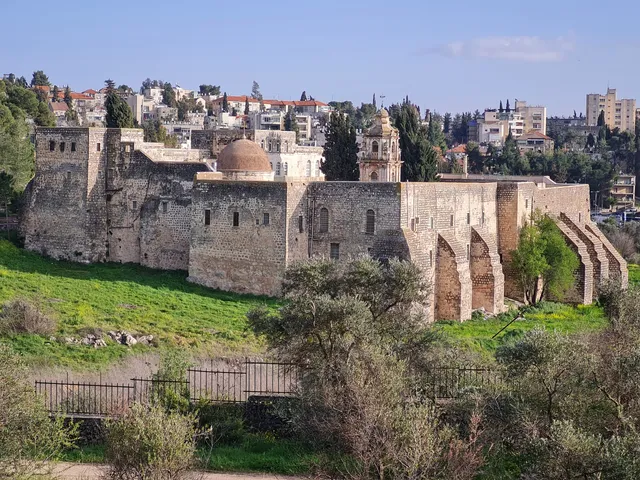
Basic Info
Monastery of the Cross
Sh'ota Rustaveli St 3, Jerusalem, Israel
4.6(322)
Open until 12:00 AM
Save
spot
spot
Ratings & Description
Info
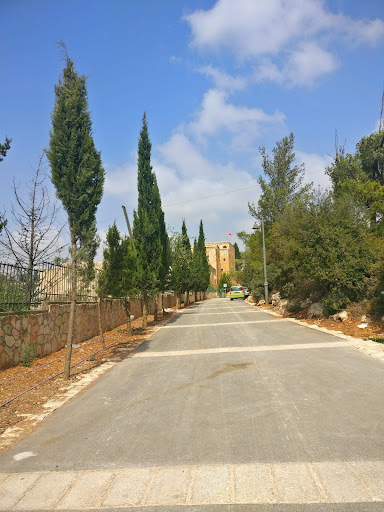
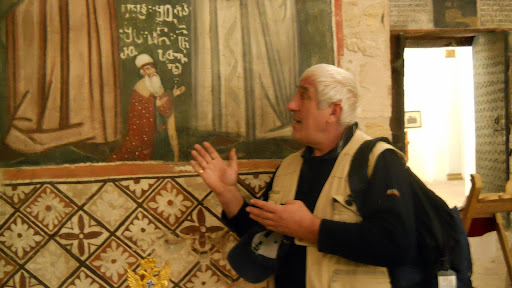
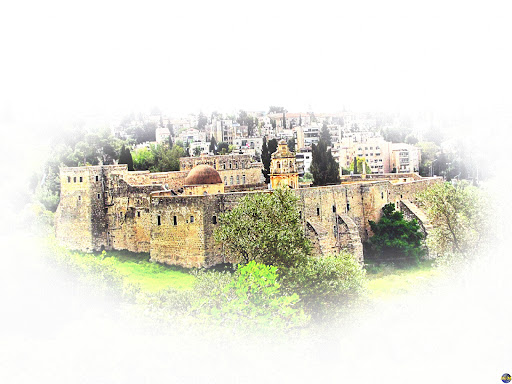
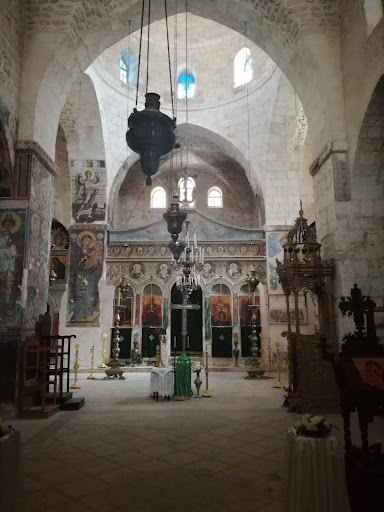
The Monastery of the Cross is an Eastern Orthodox monastery near the Nayot neighborhood of Jerusalem. It is located in the Valley of the Cross, below the Israel Museum and the Knesset.
Cultural
Family friendly
Accessibility
attractions: Rehavia Park, The Israel Museum, Jerusalem, Shrine of the Book, יד לוי אשכול, Model of Jerusalem in 2nd Temple Period, Museum of Islamic Art, Jason's Tomb, Bible Lands Museum Jerusalem, The Knesset, Bethesda, restaurants: Modern, Hummus Rechavia, Cafe Yehoshua, From Gaza to Berlin, Talbiye, Sheyan, Ahavat Hayam, Maimon place, local businesses: Rose Garden, Museum of Islamic Art, Billy Rose Sculpture garden, Wohl Rose Garden, jerusalem, Jerusalem Botanical Gardens
 Learn more insights from Wanderboat AI.
Open hoursSee all hours
Sat10 AM - 4 PMOpen
Plan your stay

Pet-friendly Hotels in Jerusalem
Find a cozy hotel nearby and make it a full experience.

Affordable Hotels in Jerusalem
Find a cozy hotel nearby and make it a full experience.

The Coolest Hotels You Haven't Heard Of (Yet)
Find a cozy hotel nearby and make it a full experience.

Trending Stays Worth the Hype in Jerusalem
Find a cozy hotel nearby and make it a full experience.
Reviews
Live events
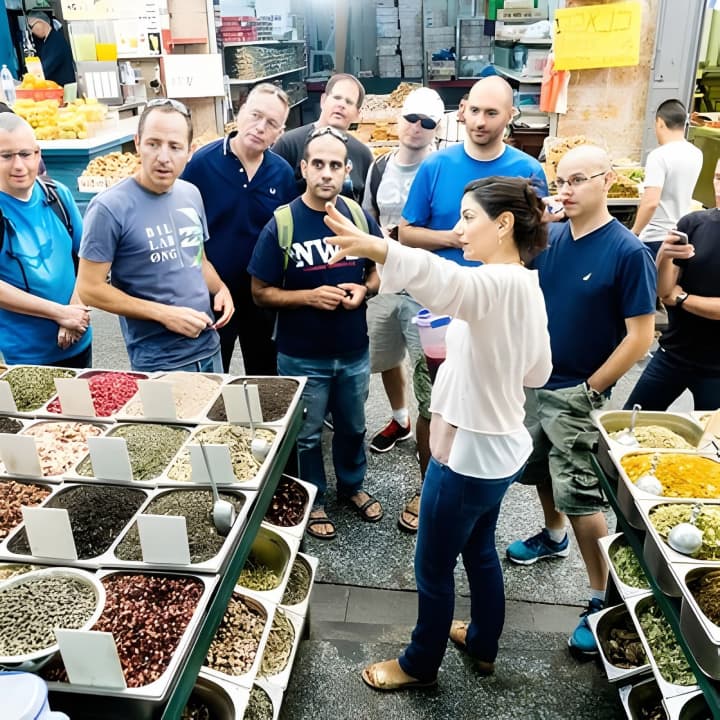
סיור עצמאי בשוק מחנה יהודה עם השפית טלי פרידמן
Fri, Jan 23 • 11:00 PM
אגריפס 88, ירושלים
View details
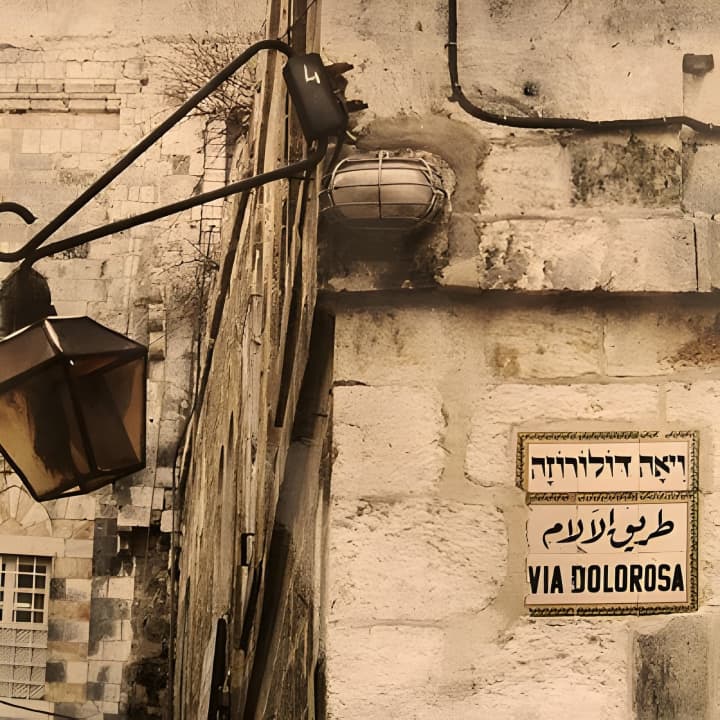
מירושלים/ סיור של יום שלם בירושלים וים המלח
Sat, Jan 24 • 6:45 AM
דוד המלך 7, ירושלים, 9410119
View details
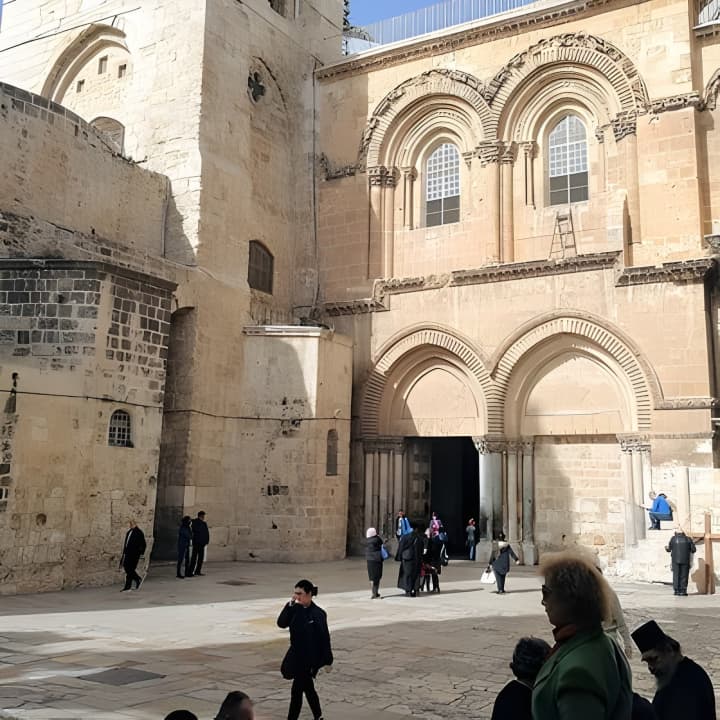
סיור פרטי: סיור נצרות בעיר העתיקה של ירושלים
Sat, Jan 24 • 8:00 AM
C. la Palma, 2, Amadores, 35139
View details
Nearby attractions of Monastery of the Cross
Rehavia Park
The Israel Museum, Jerusalem
Shrine of the Book
יד לוי אשכול
Model of Jerusalem in 2nd Temple Period
Museum of Islamic Art
Jason's Tomb
Bible Lands Museum Jerusalem
The Knesset
Bethesda
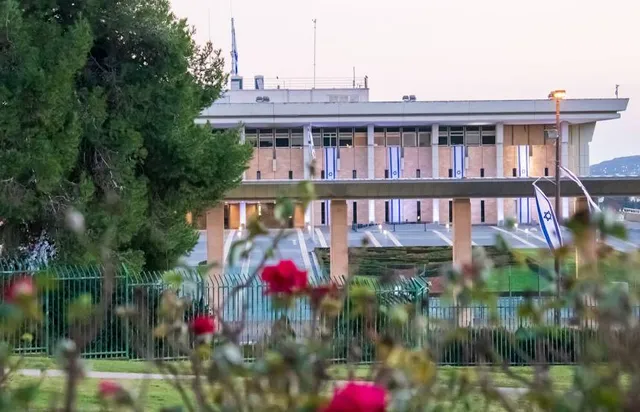
Rehavia Park
4.5
(768)
Open until 12:00 AM
Click for details
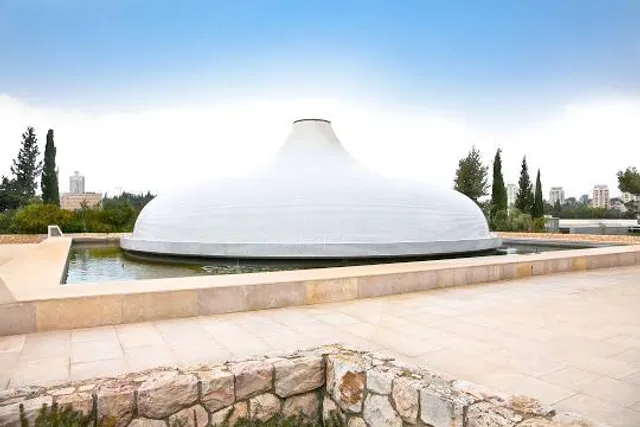
The Israel Museum, Jerusalem
4.7
(6.5K)
Closed
Click for details
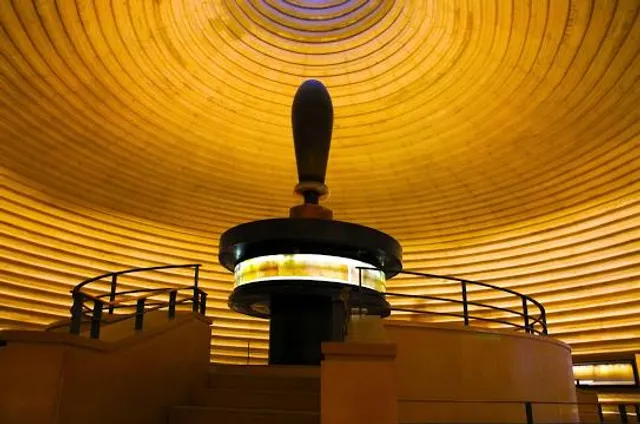
Shrine of the Book
4.7
(1.2K)
Closed
Click for details
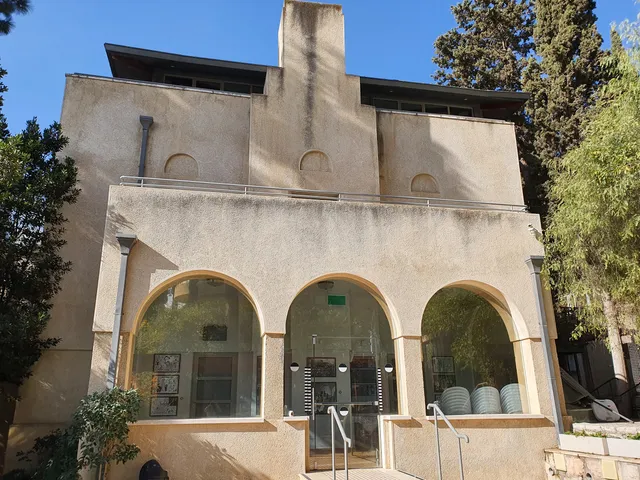
יד לוי אשכול
4.5
(220)
Open 24 hours
Click for details
Nearby restaurants of Monastery of the Cross
Modern
Hummus Rechavia
Cafe Yehoshua
From Gaza to Berlin
Talbiye
Sheyan
Ahavat Hayam
Maimon place
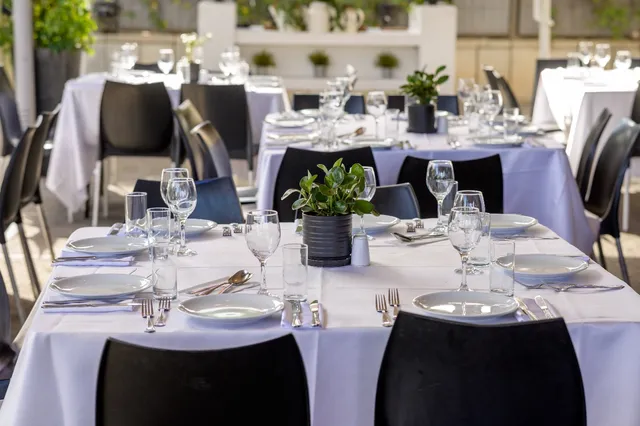
Modern
4.2
(445)
$$
Open until 12:00 AM
Click for details
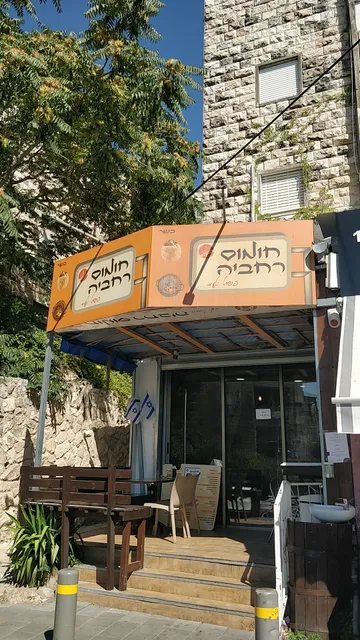
Hummus Rechavia
4.2
(180)
$
Open until 12:00 AM
Click for details
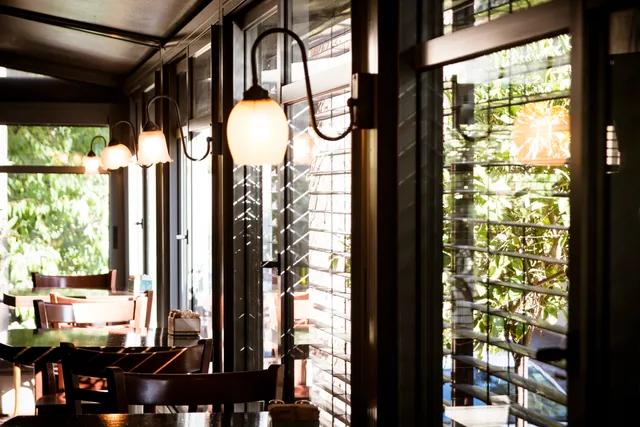
Cafe Yehoshua
4.6
(1.3K)
Closed
Click for details
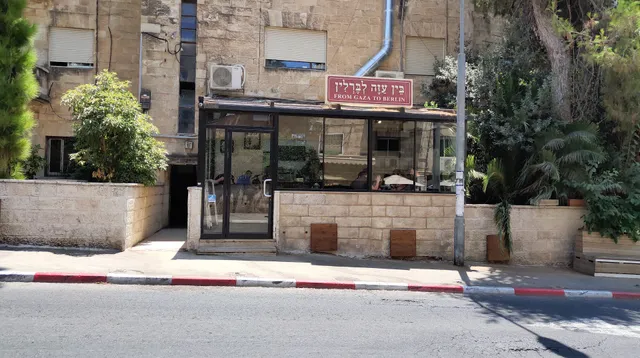
From Gaza to Berlin
4.3
(378)
Open until 12:00 AM
Click for details
Nearby local services of Monastery of the Cross
Rose Garden
Museum of Islamic Art
Billy Rose Sculpture garden
Wohl Rose Garden
jerusalem
Jerusalem Botanical Gardens
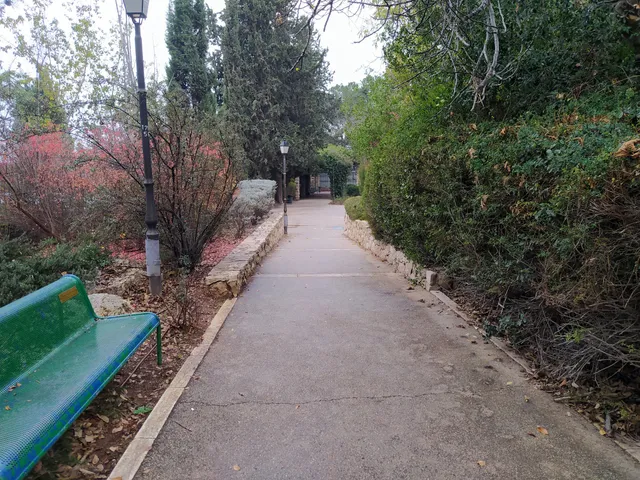
Rose Garden
4.4
(309)
Click for details
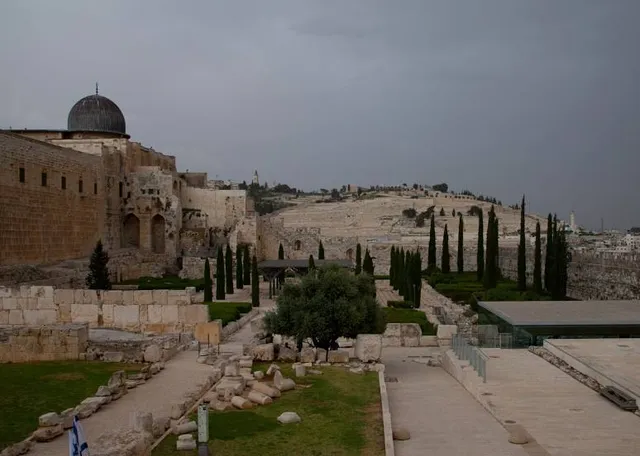
Museum of Islamic Art
4.5
(879)
Click for details
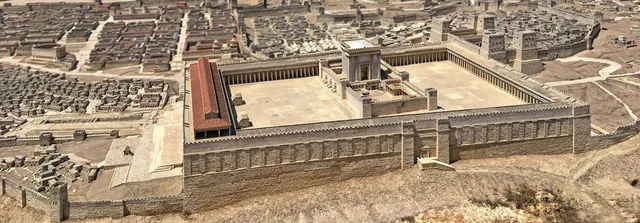
Billy Rose Sculpture garden
4.3
(12)
Click for details
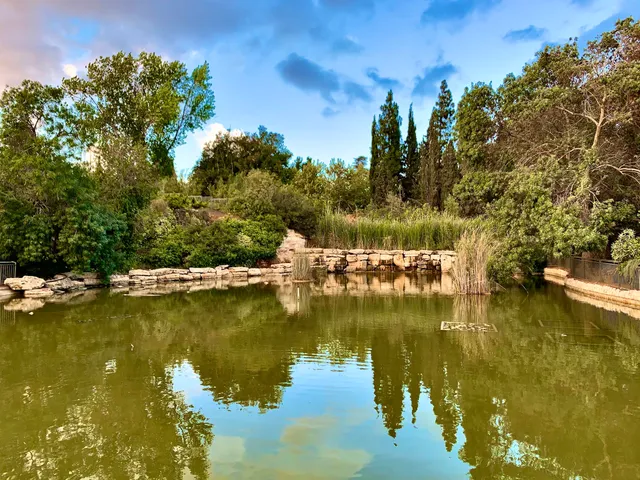
Wohl Rose Garden
4.4
(1.5K)
Click for details