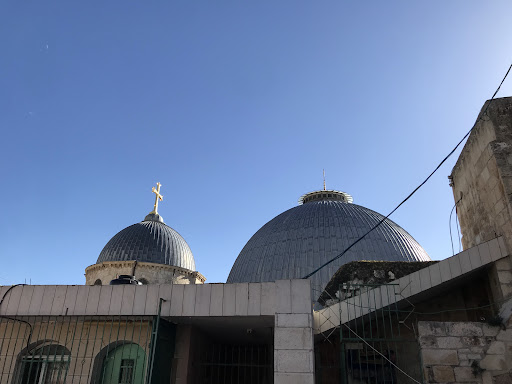
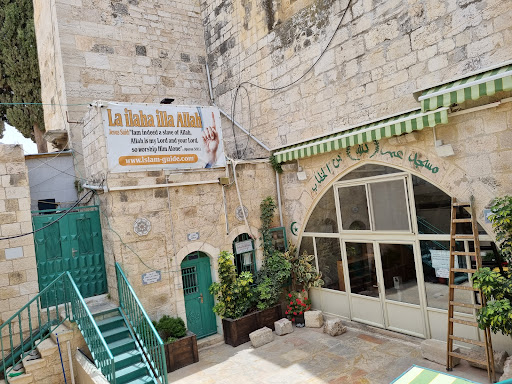
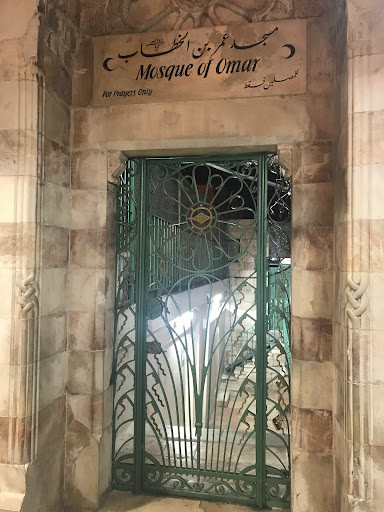
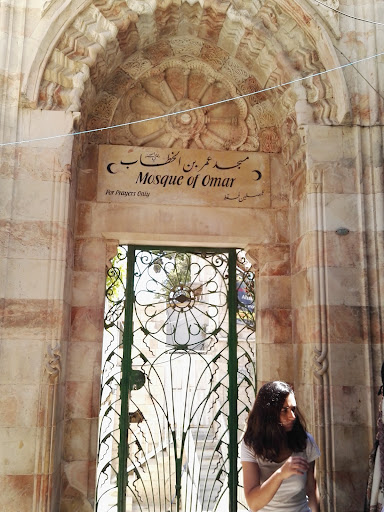
Mosque of Omar ibn Al-Khattab (2nd Caliph of Islam) things to do, attractions, restaurants, events info and trip planning
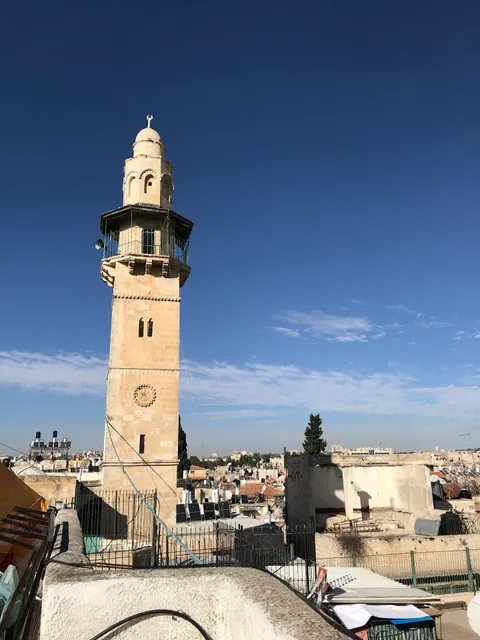
Basic Info
Mosque of Omar ibn Al-Khattab (2nd Caliph of Islam)
Jerusalem, Israel
4.6(55)
Open 24 hours
Save
spot
spot
Ratings & Description
Info
Cultural
Accessibility
attractions: Museum of Islamic Art, Bethesda, Tombs of the Kings, Hansen House, Jason's Tomb, יד לוי אשכול, Museum of Natural History, Villa Salameh, Private Guide Jerusalem - Léontine Cohen, Liberty Bell Park, restaurants: Talbiye, Hummus Rechavia, Cafe Yehoshua, From Gaza to Berlin, Rachel Ba-Sdera, Sheyan, Thailandi Bemoshava, Satya, Angelica, המקום של מימון, local businesses: Museum of Islamic Art, jerusalem, Ben Yehuda Street, Rose Garden, Monastery of the Cross, Billy Rose Sculpture garden, King David Street
 Learn more insights from Wanderboat AI.
Plan your stay

Pet-friendly Hotels in Jerusalem
Find a cozy hotel nearby and make it a full experience.

Affordable Hotels in Jerusalem
Find a cozy hotel nearby and make it a full experience.

The Coolest Hotels You Haven't Heard Of (Yet)
Find a cozy hotel nearby and make it a full experience.

Trending Stays Worth the Hype in Jerusalem
Find a cozy hotel nearby and make it a full experience.
Reviews
Live events
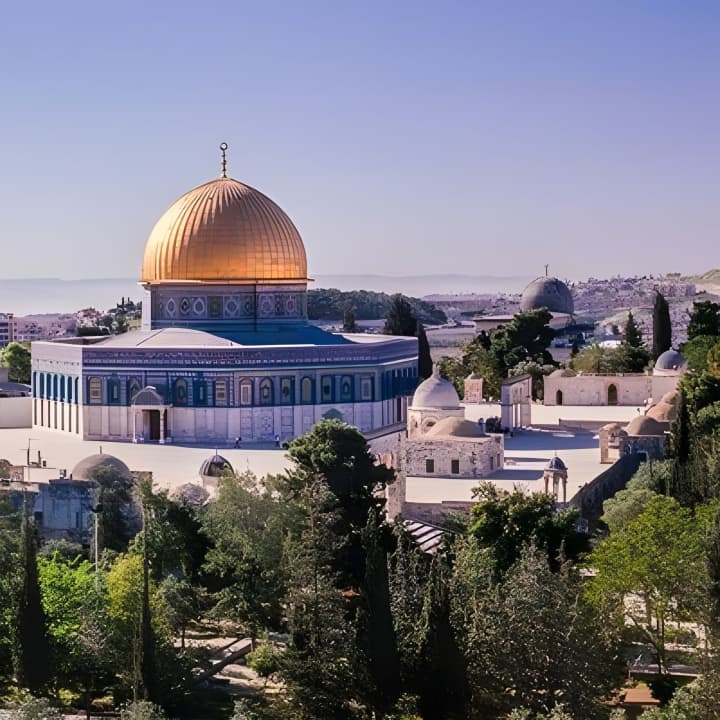
סיור יומי פרטי בירושלים
Tue, Feb 24 • 11:00 PM
Mamilla Street, 9414904
View details
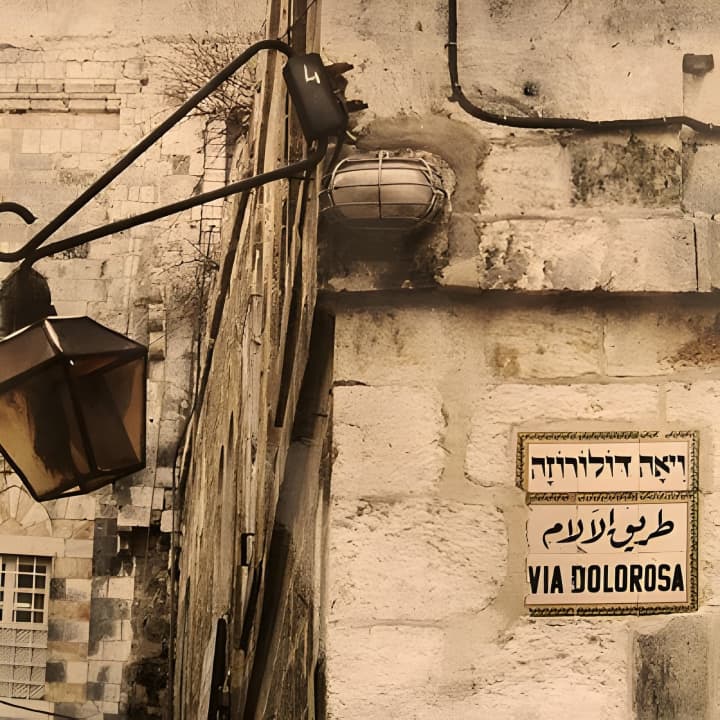
מירושלים/ סיור של יום שלם בירושלים וים המלח
Wed, Feb 25 • 6:45 AM
דוד המלך 7, ירושלים, 9410119
View details
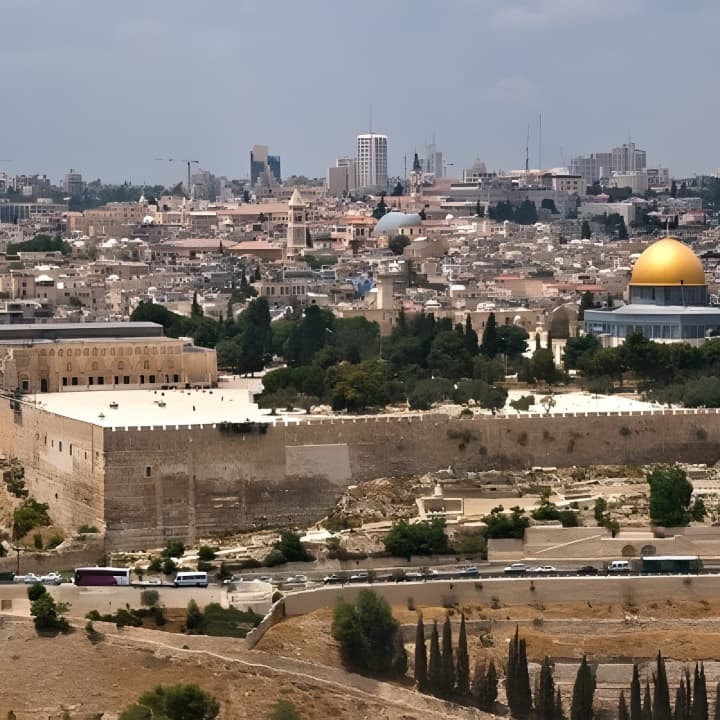
סיור פרטי: מגדל דוד ורובעי העיר העתיקה של ירושלים
Wed, Feb 25 • 7:00 AM
ירושלים, 1001363
View details
Nearby attractions of Mosque of Omar ibn Al-Khattab (2nd Caliph of Islam)
Museum of Islamic Art
Bethesda
Tombs of the Kings
Hansen House
Jason's Tomb
יד לוי אשכול
Museum of Natural History
Villa Salameh
Private Guide Jerusalem - Léontine Cohen
Liberty Bell Park
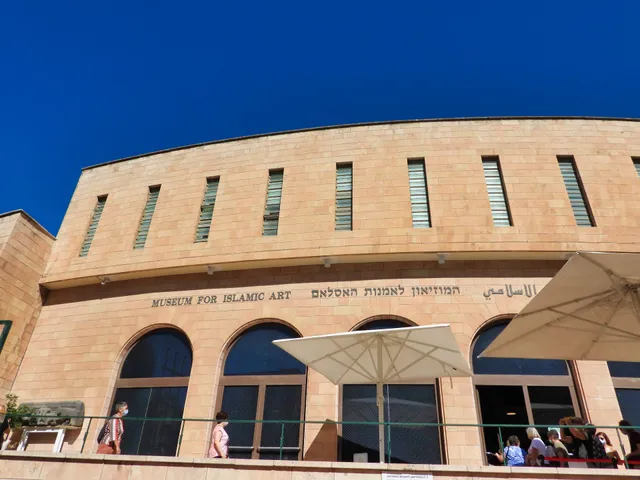
Museum of Islamic Art
4.5
(932)
Closed
Click for details
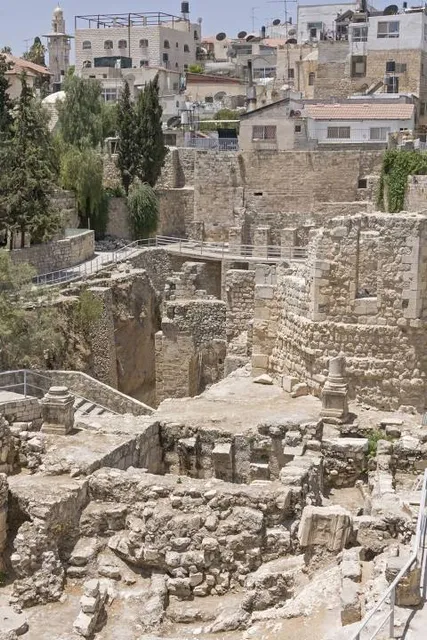
Bethesda
4.3
(121)
Open 24 hours
Click for details
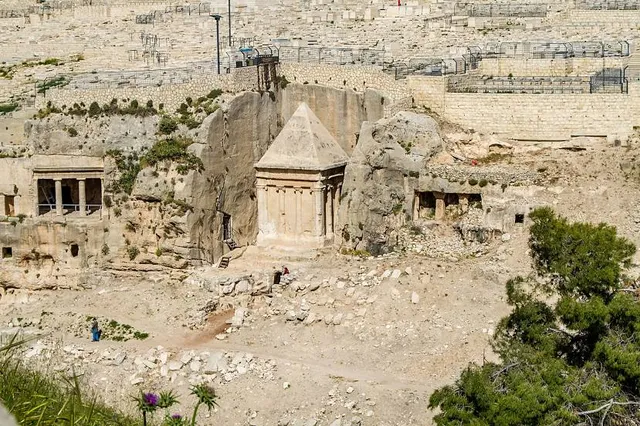
Tombs of the Kings
4.1
(81)
Open 24 hours
Click for details
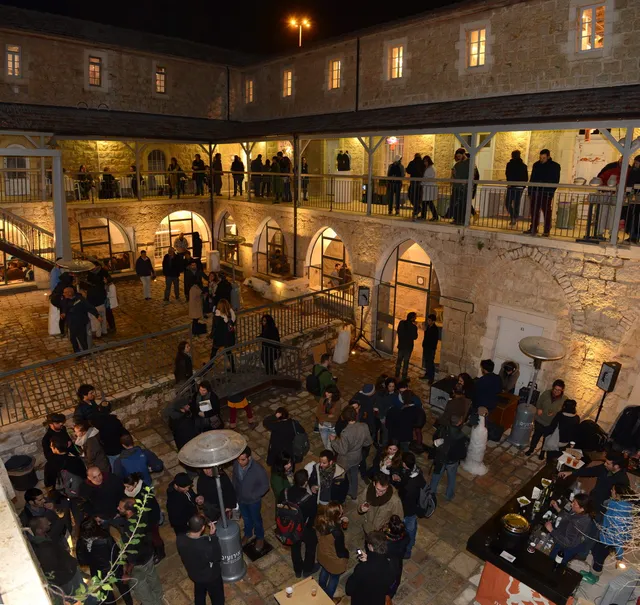
Hansen House
4.6
(1.3K)
Closed
Click for details
Nearby restaurants of Mosque of Omar ibn Al-Khattab (2nd Caliph of Islam)
Talbiye
Hummus Rechavia
Cafe Yehoshua
From Gaza to Berlin
Rachel Ba-Sdera
Sheyan
Thailandi Bemoshava
Satya
Angelica
המקום של מימון
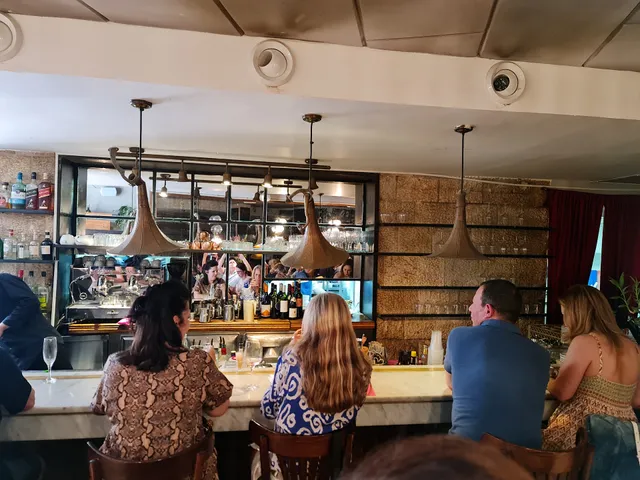
Talbiye
4.3
(1.4K)
Closed
Click for details
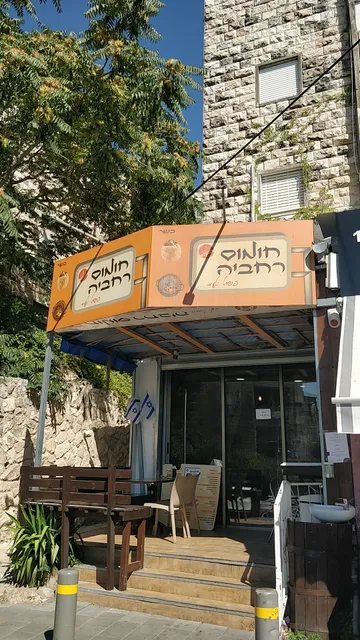
Hummus Rechavia
4.2
(174)
Closed
Click for details
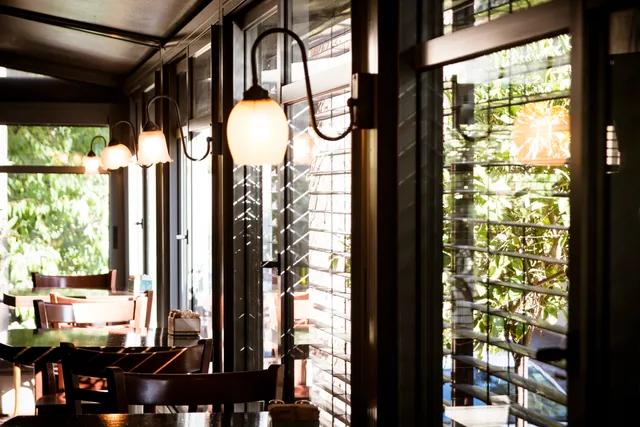
Cafe Yehoshua
4.6
(1.3K)
Closed
Click for details
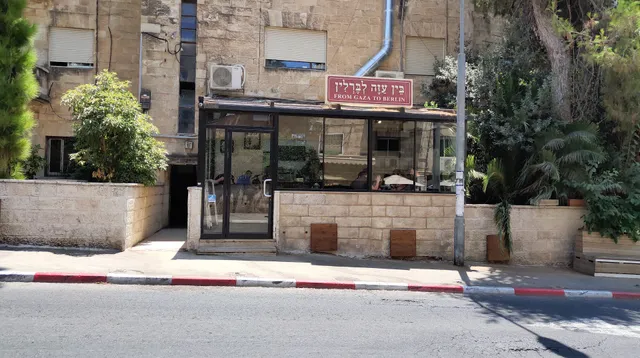
From Gaza to Berlin
4.3
(374)
Closed
Click for details
Nearby local services of Mosque of Omar ibn Al-Khattab (2nd Caliph of Islam)
Museum of Islamic Art
jerusalem
Ben Yehuda Street
Rose Garden
Monastery of the Cross
Billy Rose Sculpture garden
King David Street
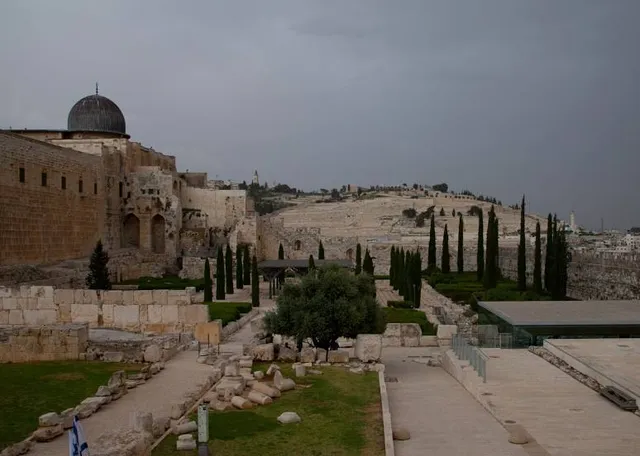
Museum of Islamic Art
4.5
(861)
Click for details
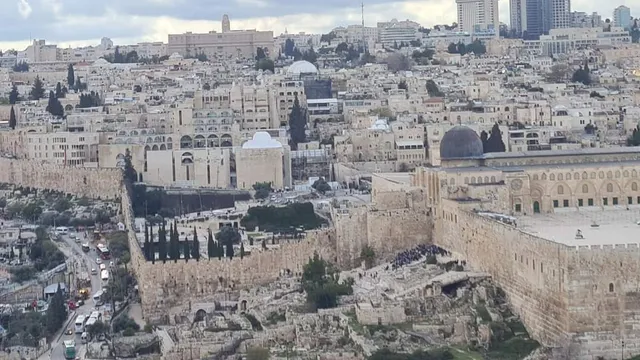
jerusalem
3.5
(8)
Click for details
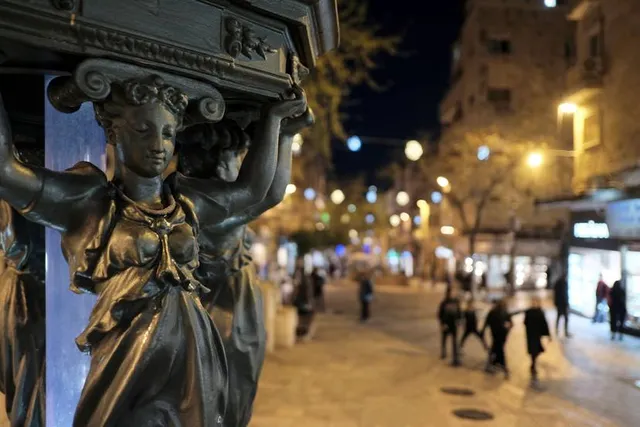
Ben Yehuda Street
4.7
(78)
Click for details
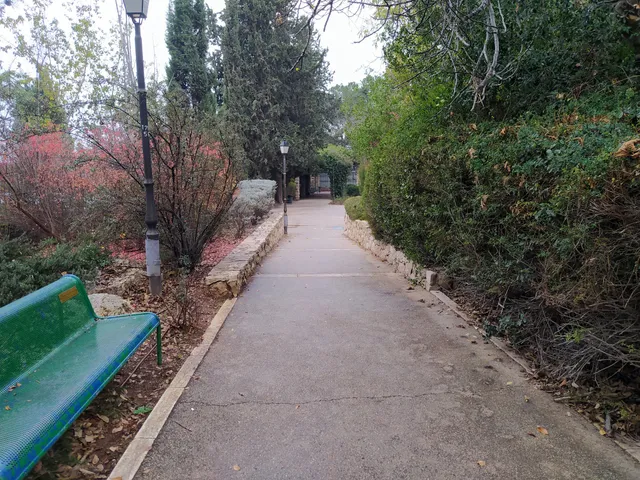
Rose Garden
4.4
(312)
Click for details