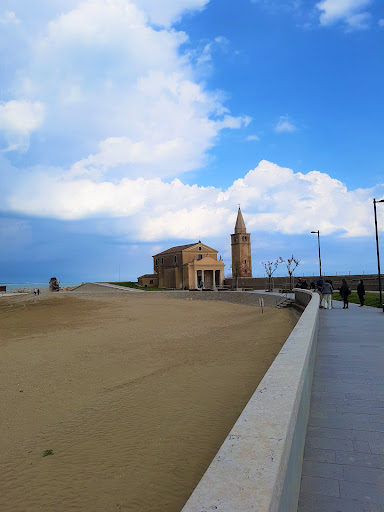
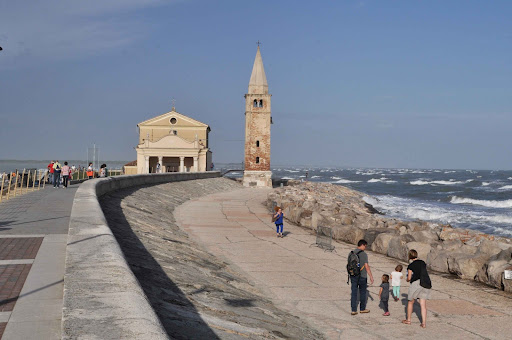
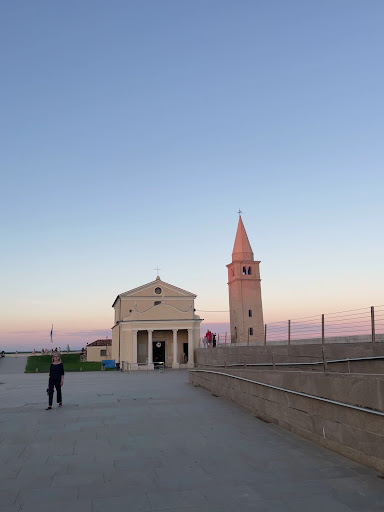
Madonna dell'Angelo things to do, attractions, restaurants, events info and trip planning
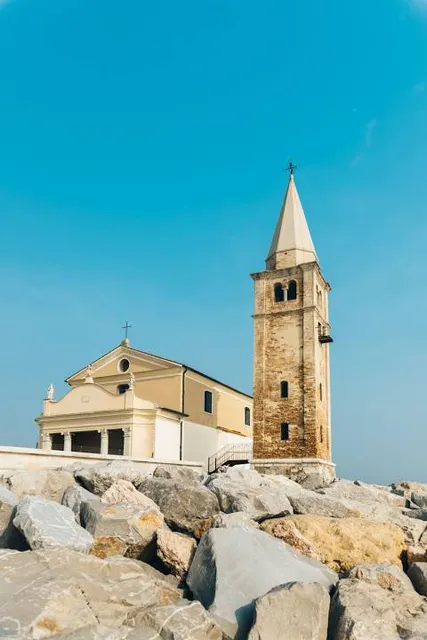
Basic Info
Madonna dell'Angelo
Viale Madonna dell'Angelo, 12, 30021 Caorle VE, Italy
4.7(1.3K)
Open until 12:00 AM

tickets
Save
spot
spot
Ratings & Description
Info
Cultural
Outdoor
Family friendly
attractions: Duomo di Santo Stefano Protomartire, Scogliera Viva, Centro Storico Caorle, Campanile del Duomo, Museo del Duomo di Caorle, Museo del tesoro del Duomo di Caorle, Aquafollie, restaurants: Ristorante Al Fogher Caorle, Ristorante All'anguilla, Al Veliero Caorle Ristorante, Nuova Hong Kong, Vecchia Costiera - Trattoria Moderna & Pizzeria, Ristorante Bucintoro, Trattoria Al Mare, Ristorante Belgau, BAR MOSQUITO, Ristorante Alla Posta, local businesses: Beach Levante, Caorle.it, Luna Park
 Learn more insights from Wanderboat AI.
Phone
+39 0421 81028
Website
caorle.eu
Open hoursSee all hours
MonOpen 24 hoursOpen
Plan your stay

Pet-friendly Hotels in Caorle
Find a cozy hotel nearby and make it a full experience.

Affordable Hotels in Caorle
Find a cozy hotel nearby and make it a full experience.

The Coolest Hotels You Haven't Heard Of (Yet)
Find a cozy hotel nearby and make it a full experience.

Trending Stays Worth the Hype in Caorle
Find a cozy hotel nearby and make it a full experience.
Reviews
Live events

Open Campus Experience_Edizione2026
Wed, Feb 25 • 3:30 PM
29 Via Vincenzo Monti 30016 Lido di Jesolo
View details

Volontariato Animalista
Thu, Feb 26 • 8:30 PM
Piazza Indipendenza, 13 Centro Culturale Da Vinci 30027 San Donà di Piave
View details
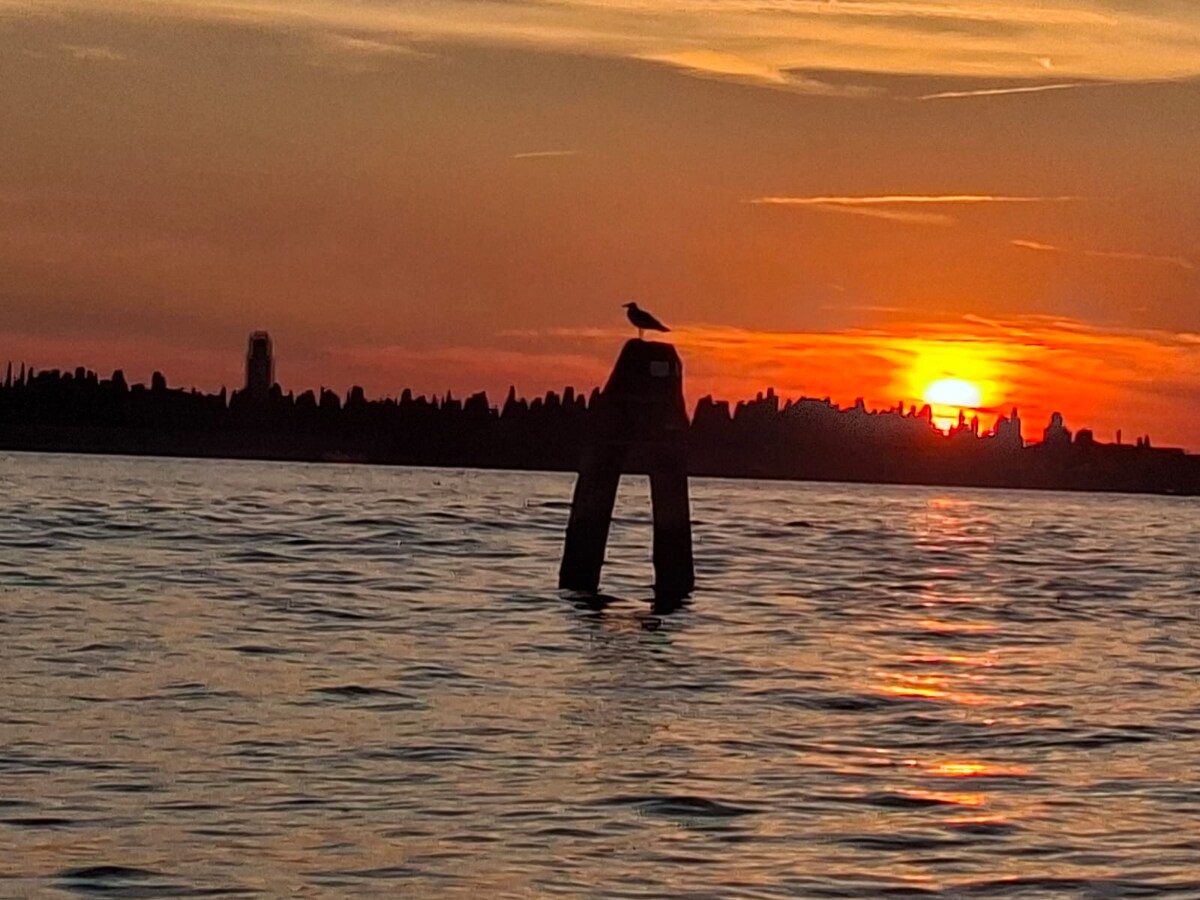
Venice boat tour through enchanting canal islands
Sun, Mar 1 • 9:00 AM
30016, Lido di Jesolo, Veneto, Italy
View details
Nearby attractions of Madonna dell'Angelo
Duomo di Santo Stefano Protomartire
Scogliera Viva
Centro Storico Caorle
Campanile del Duomo
Museo del Duomo di Caorle
Museo del tesoro del Duomo di Caorle
Aquafollie
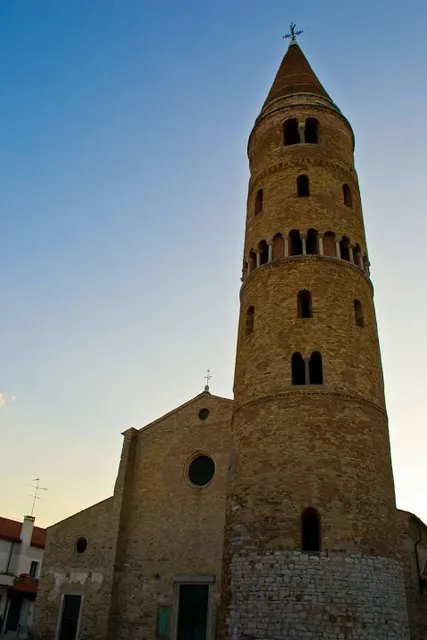
Duomo di Santo Stefano Protomartire
4.7
(1.3K)
Open 24 hours
Click for details
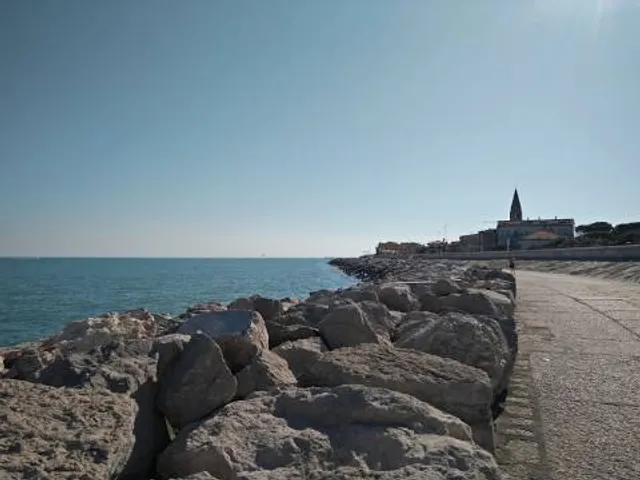
Scogliera Viva
4.8
(1.1K)
Open until 12:00 AM
Click for details
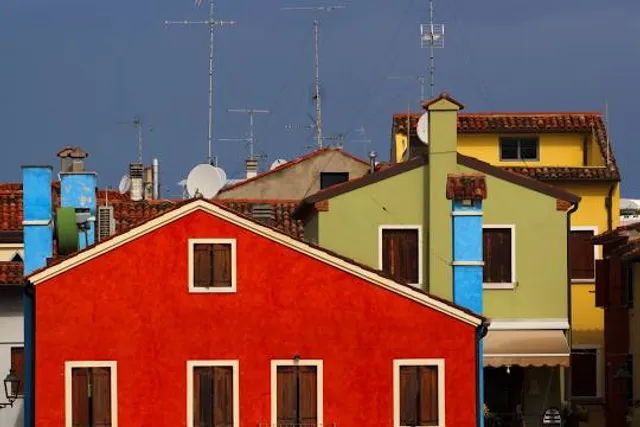
Centro Storico Caorle
4.8
(313)
Open 24 hours
Click for details
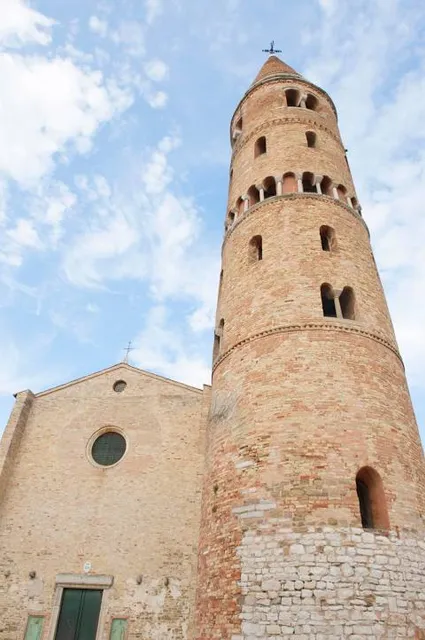
Campanile del Duomo
4.8
(74)
Closed
Click for details
Nearby restaurants of Madonna dell'Angelo
Ristorante Al Fogher Caorle
Ristorante All'anguilla
Al Veliero Caorle Ristorante
Nuova Hong Kong
Vecchia Costiera - Trattoria Moderna & Pizzeria
Ristorante Bucintoro
Trattoria Al Mare
Ristorante Belgau
BAR MOSQUITO
Ristorante Alla Posta
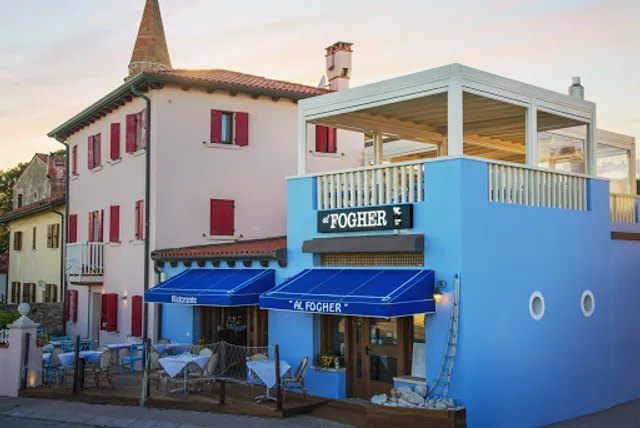
Ristorante Al Fogher Caorle
4.3
(511)
$$
Closed
Click for details
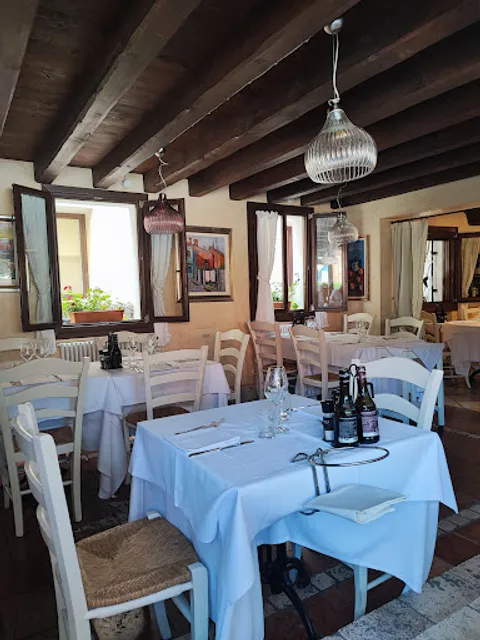
Ristorante All'anguilla
4.3
(773)
$$$
Click for details
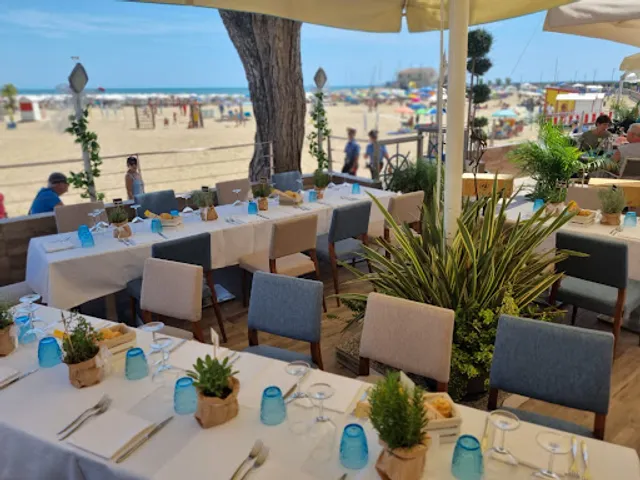
Al Veliero Caorle Ristorante
4.2
(1.0K)
Click for details
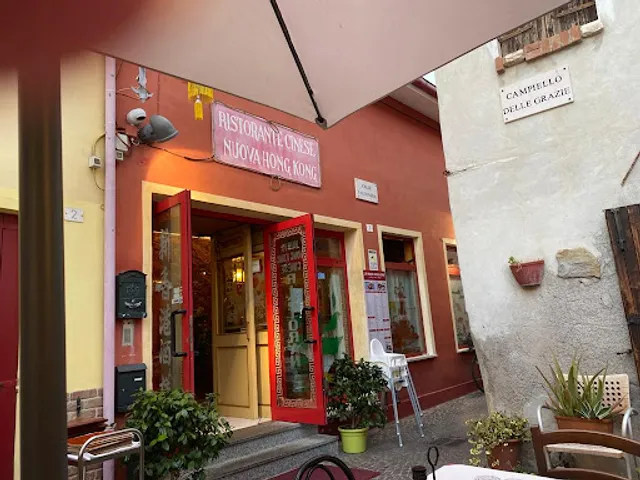
Nuova Hong Kong
4.6
(745)
Closed
Click for details
Nearby local services of Madonna dell'Angelo
Beach Levante
Caorle.it
Luna Park
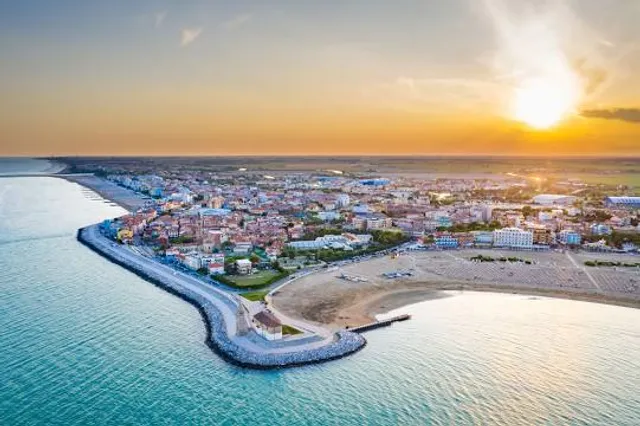
Beach Levante
4.4
(2.1K)
Click for details
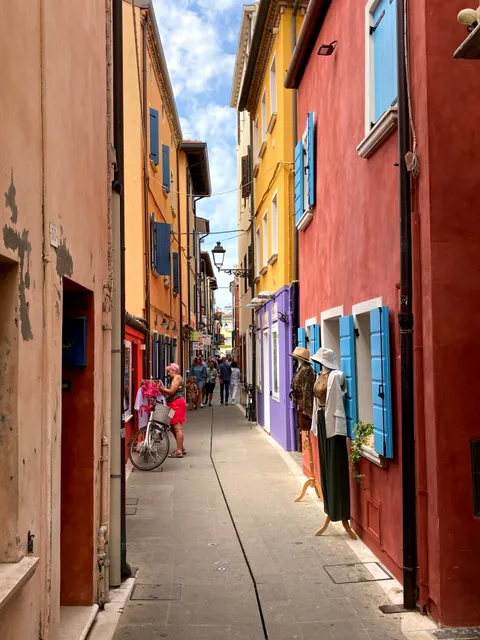
Caorle.it
4.6
(62)
Click for details
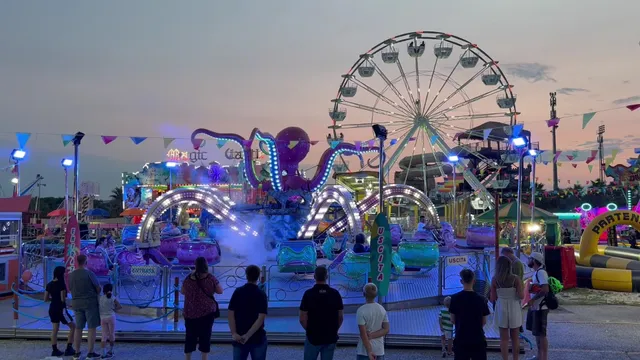
Luna Park
3.6
(55)
Click for details