HTML SitemapExplore
logo
Find Things to DoFind The Best Restaurants

Paper and Watermark Museum Fabriano — Attraction in Fabriano

Name
Paper and Watermark Museum Fabriano
Description
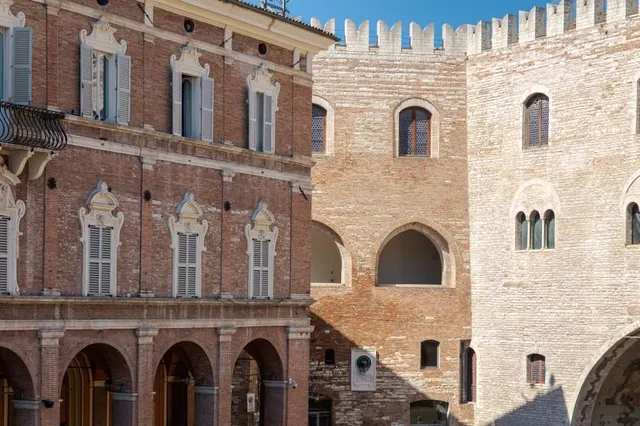
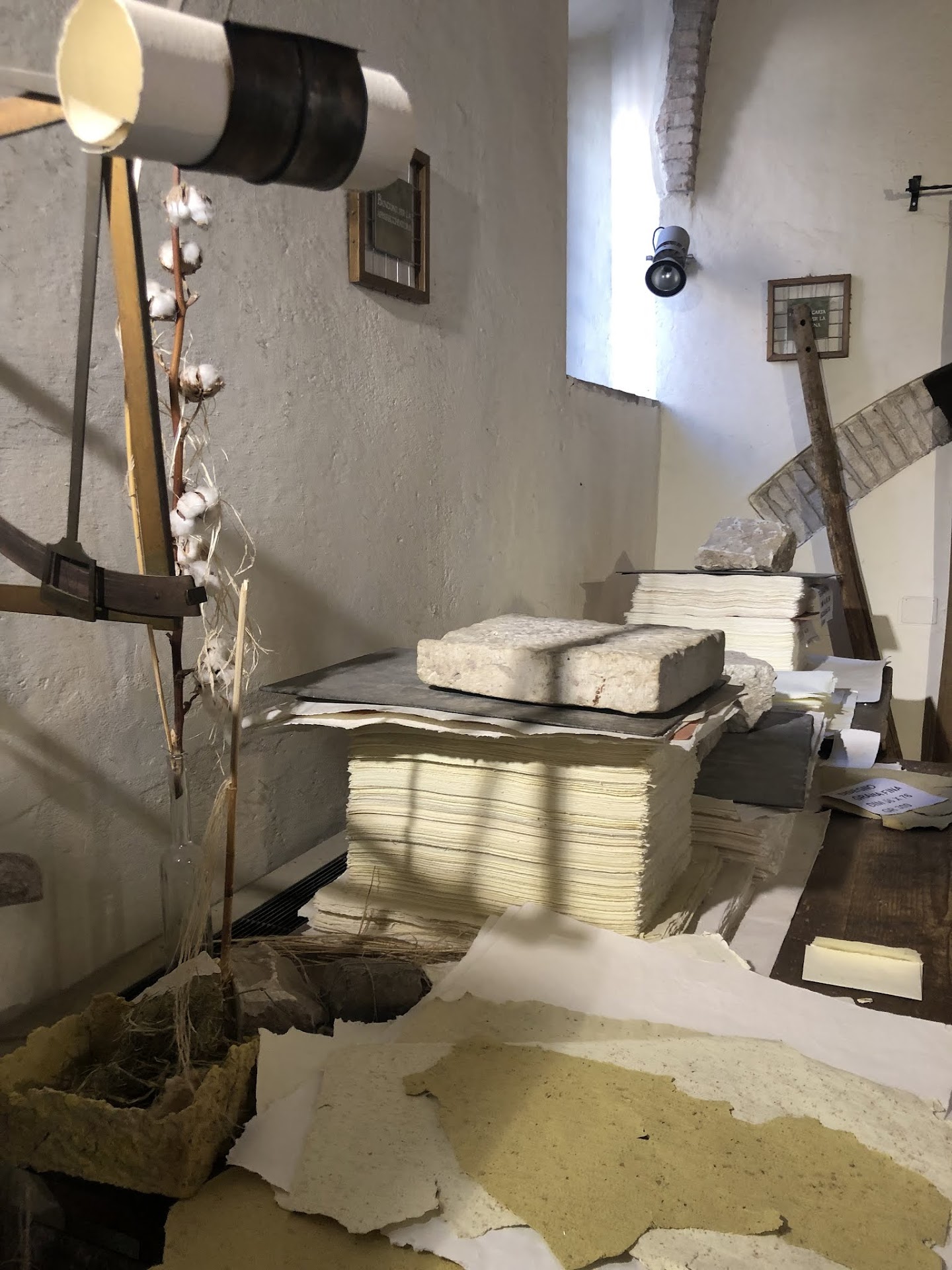
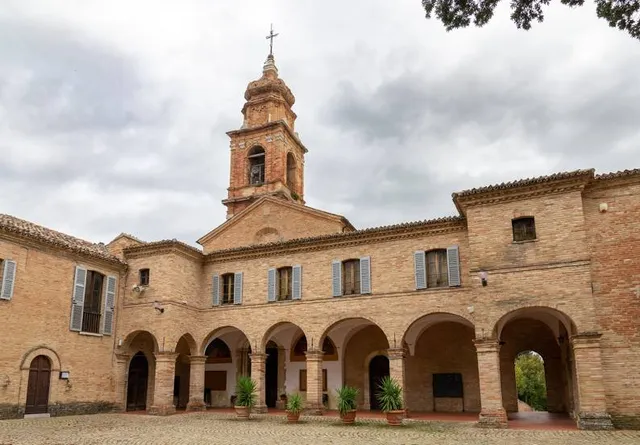
The Paper and Watermark Museum is a museum of Fabriano, Italy. Based on the paper-making tradition of Fabriano, which is documented since the 12th Century, the museum focusses on handmade paper and watermark techniques in Medieval Italy.
Nearby attractions
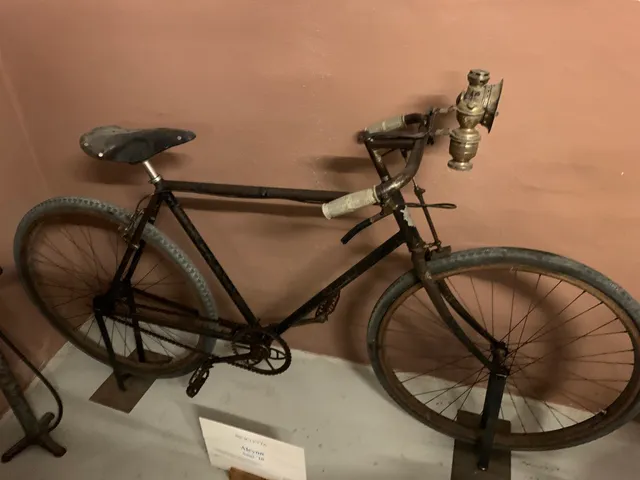
Museo delle Arti e dei Mestieri in Bicicletta - MAMB
Via della Ceramica, 37, 60044 Fabriano AN, Italy
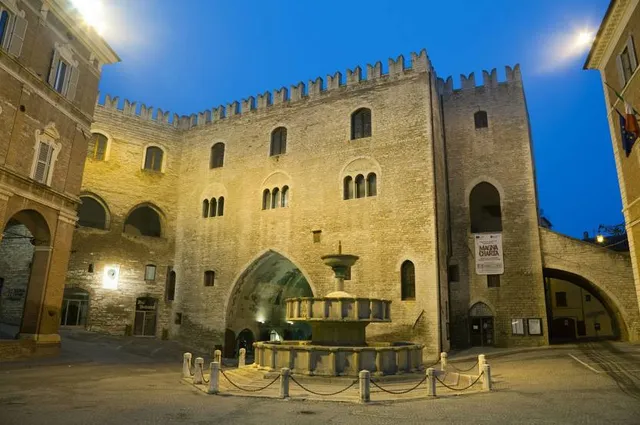
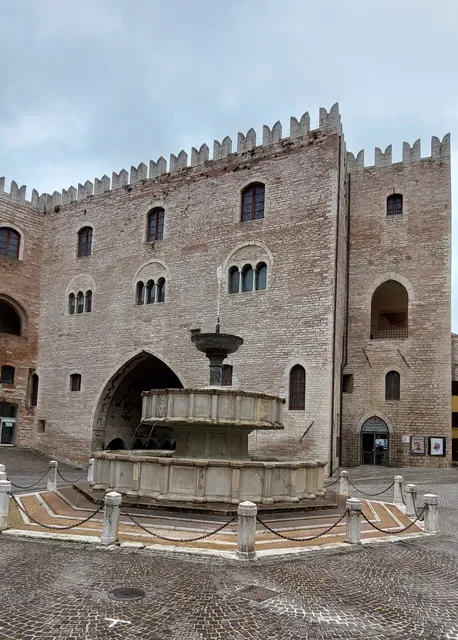
Fontana Sturinalto
Via Gentile da Fabriano, 6, 60044 Fabriano AN, Italy
Giardini del Poio
Via del Poio, 12, 60044 Fabriano AN, Italy
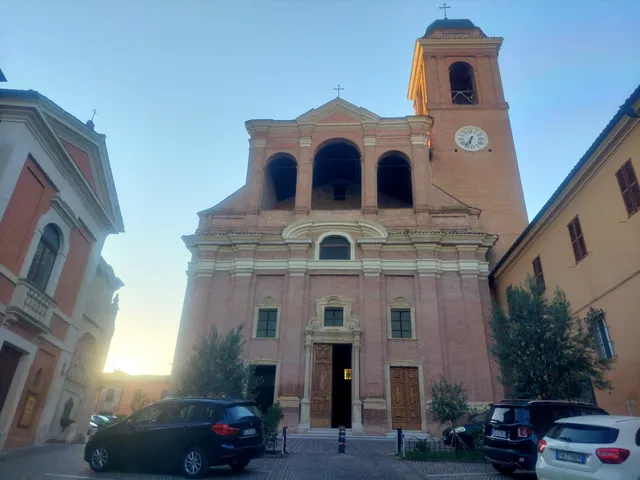
Church of Saint Nicolò
Piazza Benedetto Cairoli, 60044 Fabriano AN, Italy
Nearby restaurants
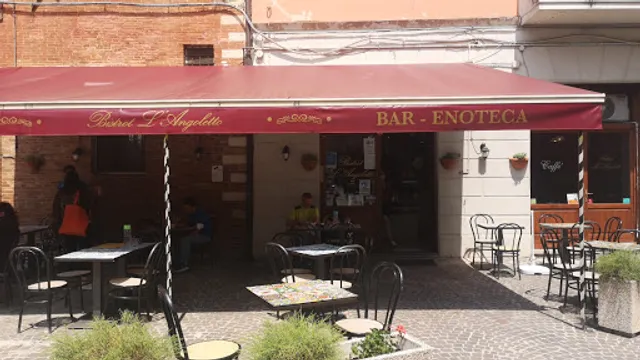
L’Angoletto Bistrot
Piazza Quintino Sella, 9/10, 60044 Fabriano AN, Italy
La Taverna del Palazzo
Via Balbo, 70, 60044 Fabriano AN, Italy
Enoteca Simona
Via Vincenzo Gioberti, 82, 60044 Fabriano AN, Italy
Hanami
Viale Pietro Miliani, 16, 60044 Fabriano AN, Italy
Nonna Rina ristorante
Piazza Garibaldi, 25, 60044 Fabriano AN, Italy
Il Piacere Della Carne
Via Giambattista Miliani, 20, 60044 Fabriano AN, Italy
Antica Osteria Mariani
Piazza Garibaldi, 60, 60044 Fabriano AN, Italy
Da Lara - Ristorante Pizzeria
Via Enrico Cialdini, 32, 60044 Fabriano AN, Italy
WOODEN - Vino Cucina & Cocktails
Corso della Repubblica, 20/A, 60044 Fabriano AN, Italy
Garibaldi Restaurant Lounge
Piazza Garibaldi, 47, 60044 Fabriano AN, Italy
Nearby hotels
La Portella Bed & Breakfast
Via Damiano Chiesa, 16, 60044 Fabriano AN, Italy
B&B La Dimora del Capitano
Vicolo I' di Via Mamiani, 7, 60044 Fabriano AN, Italy
La Corte Residence - CIR 042017-CAV-00001
Via Domenico Fogliardi, 22, 60044 Fabriano AN, Italy
Hotel Residenza La Ceramica
Via della Ceramica, 10, 60044 Fabriano AN, Italy
B&B del Podestà
Corso della Repubblica, 33, 60044 Fabriano AN, Italy
Centro Storico
Via Filippo Corridoni, 24, 60044 Fabriano AN, Italy
Il risveglio sul Giano
Via Fabio Filzi, 66, 60044 Fabriano AN, Italy
Hotel 2000
Viale Aurelio Zonghi, 29, 60044 Fabriano AN, Italy
B&B Da Bibi
Via Gentile da Fabriano, 11, 60044 Fabriano AN, Italy
B&B HOTEL Fabriano Janus
Via Enrico Toti, 60044 Fabriano AN, Italy
Related posts
Keywords
Paper and Watermark Museum Fabriano tourism.Paper and Watermark Museum Fabriano hotels.Paper and Watermark Museum Fabriano bed and breakfast. flights to Paper and Watermark Museum Fabriano.Paper and Watermark Museum Fabriano attractions.Paper and Watermark Museum Fabriano restaurants.Paper and Watermark Museum Fabriano travel.Paper and Watermark Museum Fabriano travel guide.Paper and Watermark Museum Fabriano travel blog.Paper and Watermark Museum Fabriano pictures.Paper and Watermark Museum Fabriano photos.Paper and Watermark Museum Fabriano travel tips.Paper and Watermark Museum Fabriano maps.Paper and Watermark Museum Fabriano things to do.
Paper and Watermark Museum Fabriano things to do, attractions, restaurants, events info and trip planning
Paper and Watermark Museum Fabriano
ItalyMarcheFabrianoPaper and Watermark Museum Fabriano

Basic Info

Paper and Watermark Museum Fabriano

Largo Fratelli Spacca, 2, 60044 Fabriano AN, Italy
4.7(1.7K)
Closed
Save
spot

Ratings & Description

Info

The Paper and Watermark Museum is a museum of Fabriano, Italy. Based on the paper-making tradition of Fabriano, which is documented since the 12th Century, the museum focusses on handmade paper and watermark techniques in Medieval Italy.

Cultural
Family friendly
attractions: Museo delle Arti e dei Mestieri in Bicicletta - MAMB, Fontana Sturinalto, Giardini del Poio, Church of Saint Nicolò, restaurants: L’Angoletto Bistrot, La Taverna del Palazzo, Enoteca Simona, Hanami, Nonna Rina ristorante, Il Piacere Della Carne, Antica Osteria Mariani, Da Lara - Ristorante Pizzeria, WOODEN - Vino Cucina & Cocktails, Garibaldi Restaurant Lounge
logoLearn more insights from Wanderboat AI.
Phone
+39 0732 22334
Website
museodellacarta.com
Open hoursSee all hours
Sat9:30 AM - 1:30 PM, 3 - 6 PMClosed

Plan your stay

hotel
Pet-friendly Hotels in Fabriano
Find a cozy hotel nearby and make it a full experience.
hotel
Affordable Hotels in Fabriano
Find a cozy hotel nearby and make it a full experience.
hotel
The Coolest Hotels You Haven't Heard Of (Yet)
Find a cozy hotel nearby and make it a full experience.
hotel
Trending Stays Worth the Hype in Fabriano
Find a cozy hotel nearby and make it a full experience.

Reviews

Nearby attractions of Paper and Watermark Museum Fabriano

Museo delle Arti e dei Mestieri in Bicicletta - MAMB

Fontana Sturinalto

Giardini del Poio

Church of Saint Nicolò

Museo delle Arti e dei Mestieri in Bicicletta - MAMB

Museo delle Arti e dei Mestieri in Bicicletta - MAMB

4.9

(64)

Closed
Click for details
Fontana Sturinalto

Fontana Sturinalto

4.6

(38)

Open 24 hours
Click for details
Giardini del Poio

Giardini del Poio

4.4

(13)

Closed
Click for details
Church of Saint Nicolò

Church of Saint Nicolò

4.6

(103)

Open 24 hours
Click for details

Things to do nearby

PRESENTAZIONE DEL LIBRO “IL RIFLESSO”
Sat, Nov 29 • 5:00 PM
1 Largo San Francesco #B, 60044 Fabriano
View details

Nearby restaurants of Paper and Watermark Museum Fabriano

L’Angoletto Bistrot

La Taverna del Palazzo

Enoteca Simona

Hanami

Nonna Rina ristorante

Il Piacere Della Carne

Antica Osteria Mariani

Da Lara - Ristorante Pizzeria

WOODEN - Vino Cucina & Cocktails

Garibaldi Restaurant Lounge

L’Angoletto Bistrot

L’Angoletto Bistrot

4.5

(198)

Click for details
La Taverna del Palazzo

La Taverna del Palazzo

4.6

(214)

Click for details
Enoteca Simona

Enoteca Simona

4.8

(231)

$$$

Click for details
Hanami

Hanami

4.0

(349)

Click for details
Get the Appoverlay
Get the AppOne tap to find yournext favorite spots!
Wanderboat LogoWanderboat

Your everyday Al companion for getaway ideas

CompanyAbout Us
InformationAI Trip PlannerSitemap
SocialXInstagramTiktokLinkedin
LegalTerms of ServicePrivacy Policy

Get the app

© 2025 Wanderboat. All rights reserved.
logo

Reviews of Paper and Watermark Museum Fabriano

4.7
(1,701)
avatar
5.0
6y

For a class field trip, we visited the Museo della Carta e della Filigrana. I was a very great experience and exceeded my expectations. We learned a lot about where and how paper making originated in the 18th to 19th century. The first photo in the review shows the original machine that hammered the material into a pulp to begin the paper making process. When paper was first made, it was made out of rags and old clothes, but now clothes are made of too many synthetic materials that it can no longer be turned into paper, hence why trees are used. Once the first machine hammered the cloth into a pulp, it was then mixed with water and put into a rotation tub (shown in photo 2), collected onto a tray, then laid onto felt to dry. To speed the drying process, stacks of the wet paper on felt are put into a press to press out majority of the water then hung to air dry. Once the paper air dried, it was smoothed and ironed so that it was nice and flat and smooth, and ready to sell or use. Later, machines were created to speed the process and minimize the number of workers needed to complete this process. Watermarks were invented here in Fabriano to authenticate the process and brand of the paper. Our tour guide, Francesca, was great! She was very passionate and very well informed on everything to do with paper. She did demonstrations and even asked for volunteers so my peers and I were able to interact in the process. She even showed us examples of paper made with wheat, artichoke, and more! Overall it was a great experience and I would highly...

   Read more
avatar
5.0
6y

I went to the Paper and Watermark museum on a class field trip and it did not disappoint. To begin with everyone in the class speaks solely English and the guide's English was fluent and very easy to understand which was very appreciated. In addition, the museum itself was amazing and beautiful. To begin with when the guide was explaining how the disintegrated rags went from being rags to sheets of paper a man showed us a demonstration. He was able to grab a frame lined various times with metal, run it through a vat of liquid and the disintegrated rag material, shake it out and lay the newly made paper to dry. It was really spectacular and surprising to see how paper was mad (especially prior to the use of making paper from trees). In the other picture one can see paper being left to dry. This is because the paper that was made previously in the vat of liquid comes out wet. Since this is the case, the paper must be set to dry before further work in process can be done and before it can be written on or sold. I learned a great deal from the Paper and Watermark Museum, it really is a...

   Read more
avatar
5.0
6y

I went to the Museo della Carta e della Filigrana on a class field trip about a week ago. When we first walked into the museum, you find yourself in a foyer area surrounded by works of watermarks on paper. The tour guide approached our group and she announced that she was ready to get started. Our tour guide, Francesca, was very informative throughout the whole experience and was more than willing to answer our questions to her full capabilities. The first room she took us in, she showed us the first machine that was able to turn washcloths into a flattened paper that people are able to write on. In that same room she brought a colleague and showed the group first hand how to make the paper. They were also nice enough to allow some of my classmates to experience this process with their own hands. Overall, I would definitely recommend this place to anybody who is interested in this subject. I know I learned a lot about paper making that I never thought I...

   Read more
Page 1 of 7
Previous
Next

Posts

Sierra MarkerSierra Marker
For a class field trip, we visited the Museo della Carta e della Filigrana. I was a very great experience and exceeded my expectations. We learned a lot about where and how paper making originated in the 18th to 19th century. The first photo in the review shows the original machine that hammered the material into a pulp to begin the paper making process. When paper was first made, it was made out of rags and old clothes, but now clothes are made of too many synthetic materials that it can no longer be turned into paper, hence why trees are used. Once the first machine hammered the cloth into a pulp, it was then mixed with water and put into a rotation tub (shown in photo 2), collected onto a tray, then laid onto felt to dry. To speed the drying process, stacks of the wet paper on felt are put into a press to press out majority of the water then hung to air dry. Once the paper air dried, it was smoothed and ironed so that it was nice and flat and smooth, and ready to sell or use. Later, machines were created to speed the process and minimize the number of workers needed to complete this process. Watermarks were invented here in Fabriano to authenticate the process and brand of the paper. Our tour guide, Francesca, was great! She was very passionate and very well informed on everything to do with paper. She did demonstrations and even asked for volunteers so my peers and I were able to interact in the process. She even showed us examples of paper made with wheat, artichoke, and more! Overall it was a great experience and I would highly recommend the visit.
Megan KoganMegan Kogan
I went to the Paper and Watermark museum on a class field trip and it did not disappoint. To begin with everyone in the class speaks solely English and the guide's English was fluent and very easy to understand which was very appreciated. In addition, the museum itself was amazing and beautiful. To begin with when the guide was explaining how the disintegrated rags went from being rags to sheets of paper a man showed us a demonstration. He was able to grab a frame lined various times with metal, run it through a vat of liquid and the disintegrated rag material, shake it out and lay the newly made paper to dry. It was really spectacular and surprising to see how paper was mad (especially prior to the use of making paper from trees). In the other picture one can see paper being left to dry. This is because the paper that was made previously in the vat of liquid comes out wet. Since this is the case, the paper must be set to dry before further work in process can be done and before it can be written on or sold. I learned a great deal from the Paper and Watermark Museum, it really is a nice experience.
Evan ThompsonEvan Thompson
I went to the Museo della Carta e della Filigrana on a class field trip about a week ago. When we first walked into the museum, you find yourself in a foyer area surrounded by works of watermarks on paper. The tour guide approached our group and she announced that she was ready to get started. Our tour guide, Francesca, was very informative throughout the whole experience and was more than willing to answer our questions to her full capabilities. The first room she took us in, she showed us the first machine that was able to turn washcloths into a flattened paper that people are able to write on. In that same room she brought a colleague and showed the group first hand how to make the paper. They were also nice enough to allow some of my classmates to experience this process with their own hands. Overall, I would definitely recommend this place to anybody who is interested in this subject. I know I learned a lot about paper making that I never thought I would learn.
See more posts
See more posts
hotel
Find your stay

Pet-friendly Hotels in Fabriano

Find a cozy hotel nearby and make it a full experience.

For a class field trip, we visited the Museo della Carta e della Filigrana. I was a very great experience and exceeded my expectations. We learned a lot about where and how paper making originated in the 18th to 19th century. The first photo in the review shows the original machine that hammered the material into a pulp to begin the paper making process. When paper was first made, it was made out of rags and old clothes, but now clothes are made of too many synthetic materials that it can no longer be turned into paper, hence why trees are used. Once the first machine hammered the cloth into a pulp, it was then mixed with water and put into a rotation tub (shown in photo 2), collected onto a tray, then laid onto felt to dry. To speed the drying process, stacks of the wet paper on felt are put into a press to press out majority of the water then hung to air dry. Once the paper air dried, it was smoothed and ironed so that it was nice and flat and smooth, and ready to sell or use. Later, machines were created to speed the process and minimize the number of workers needed to complete this process. Watermarks were invented here in Fabriano to authenticate the process and brand of the paper. Our tour guide, Francesca, was great! She was very passionate and very well informed on everything to do with paper. She did demonstrations and even asked for volunteers so my peers and I were able to interact in the process. She even showed us examples of paper made with wheat, artichoke, and more! Overall it was a great experience and I would highly recommend the visit.
Sierra Marker

Sierra Marker

hotel
Find your stay

Affordable Hotels in Fabriano

Find a cozy hotel nearby and make it a full experience.

Get the Appoverlay
Get the AppOne tap to find yournext favorite spots!
I went to the Paper and Watermark museum on a class field trip and it did not disappoint. To begin with everyone in the class speaks solely English and the guide's English was fluent and very easy to understand which was very appreciated. In addition, the museum itself was amazing and beautiful. To begin with when the guide was explaining how the disintegrated rags went from being rags to sheets of paper a man showed us a demonstration. He was able to grab a frame lined various times with metal, run it through a vat of liquid and the disintegrated rag material, shake it out and lay the newly made paper to dry. It was really spectacular and surprising to see how paper was mad (especially prior to the use of making paper from trees). In the other picture one can see paper being left to dry. This is because the paper that was made previously in the vat of liquid comes out wet. Since this is the case, the paper must be set to dry before further work in process can be done and before it can be written on or sold. I learned a great deal from the Paper and Watermark Museum, it really is a nice experience.
Megan Kogan

Megan Kogan

hotel
Find your stay

The Coolest Hotels You Haven't Heard Of (Yet)

Find a cozy hotel nearby and make it a full experience.

hotel
Find your stay

Trending Stays Worth the Hype in Fabriano

Find a cozy hotel nearby and make it a full experience.

I went to the Museo della Carta e della Filigrana on a class field trip about a week ago. When we first walked into the museum, you find yourself in a foyer area surrounded by works of watermarks on paper. The tour guide approached our group and she announced that she was ready to get started. Our tour guide, Francesca, was very informative throughout the whole experience and was more than willing to answer our questions to her full capabilities. The first room she took us in, she showed us the first machine that was able to turn washcloths into a flattened paper that people are able to write on. In that same room she brought a colleague and showed the group first hand how to make the paper. They were also nice enough to allow some of my classmates to experience this process with their own hands. Overall, I would definitely recommend this place to anybody who is interested in this subject. I know I learned a lot about paper making that I never thought I would learn.
Evan Thompson

Evan Thompson

See more posts
See more posts