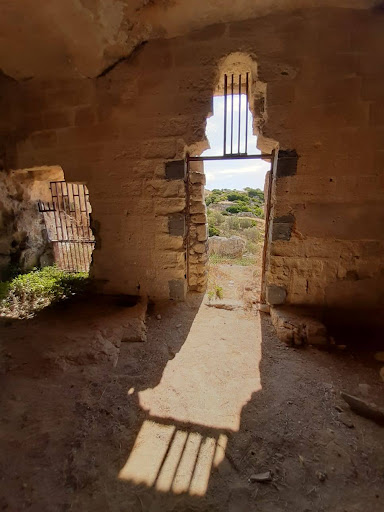
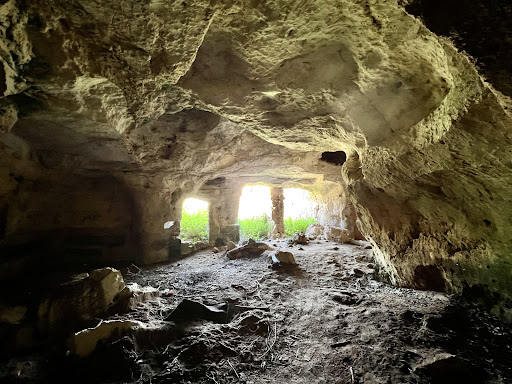
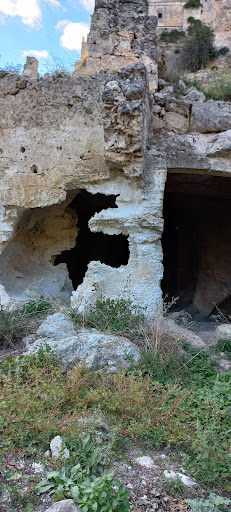
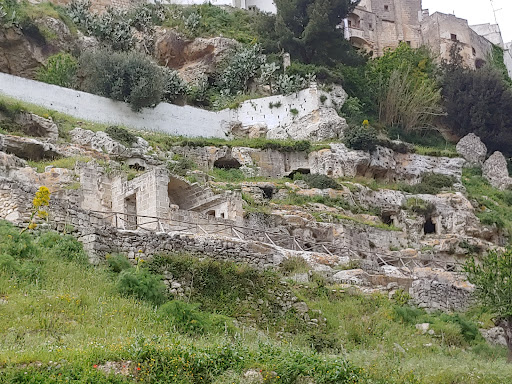
Gravina di Rivolta things to do, attractions, restaurants, events info and trip planning
Basic Info
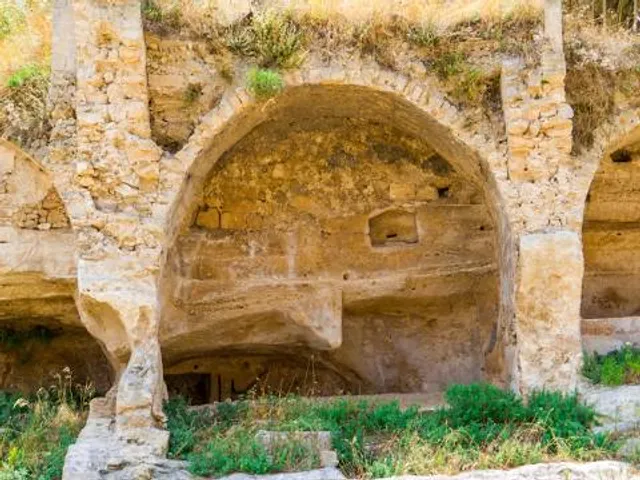
Gravina di Rivolta
Via Belledonne, 74013 Ginosa TA, Italy
4.9(36)
Open 24 hours
Save
spot
spot
Ratings & Description
Info
Scenic
Outdoor
attractions: Gravina di Ginosa, Torre Dell'Orologio, Castello Di Ginosa, restaurants: Caffè Plebiscito, Antiche Mura, Macelleria Mimmo E Rosa volpe braceria di MICHELE VOLPE, ristorante pizzeria Palazzo Pupino, Fan-Q, Alle Spighe D'Oro, NOIR CAFE', Pizzeria La Giara, Braceria L'Angolo di Puglia, Macelleria Braceria di Carpignano Michele e Anna Rosa Luisi, local businesses:
 Learn more insights from Wanderboat AI.
Plan your stay

Pet-friendly Hotels in Ginosa
Find a cozy hotel nearby and make it a full experience.

Affordable Hotels in Ginosa
Find a cozy hotel nearby and make it a full experience.

The Coolest Hotels You Haven't Heard Of (Yet)
Find a cozy hotel nearby and make it a full experience.

Trending Stays Worth the Hype in Ginosa
Find a cozy hotel nearby and make it a full experience.
Reviews
Nearby attractions of Gravina di Rivolta
Gravina di Ginosa
Torre Dell'Orologio
Castello Di Ginosa

Gravina di Ginosa
4.7
(187)
Open until 12:00 AM
Click for details
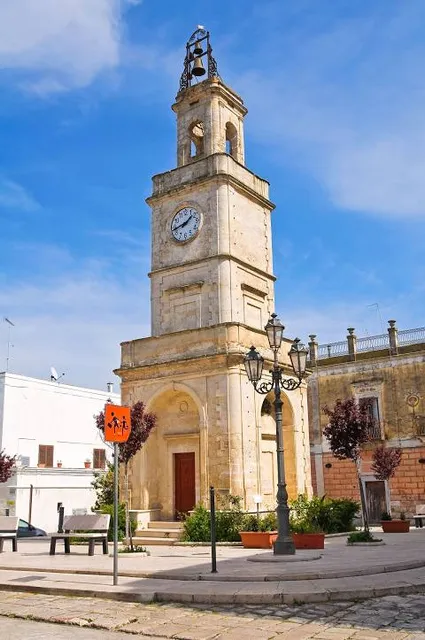
Torre Dell'Orologio
4.8
(66)
Open 24 hours
Click for details
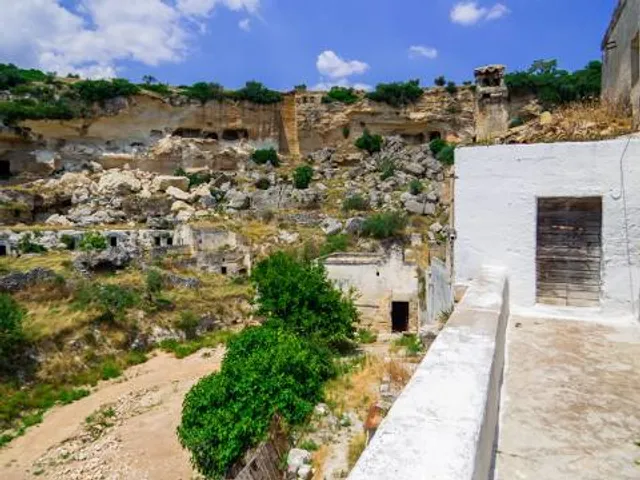
Castello Di Ginosa
4.2
(45)
Open 24 hours
Click for details
Nearby restaurants of Gravina di Rivolta
Caffè Plebiscito
Antiche Mura
Macelleria Mimmo E Rosa volpe braceria di MICHELE VOLPE
ristorante pizzeria Palazzo Pupino
Fan-Q
Alle Spighe D'Oro
NOIR CAFE'
Pizzeria La Giara
Braceria L'Angolo di Puglia
Macelleria Braceria di Carpignano Michele e Anna Rosa Luisi
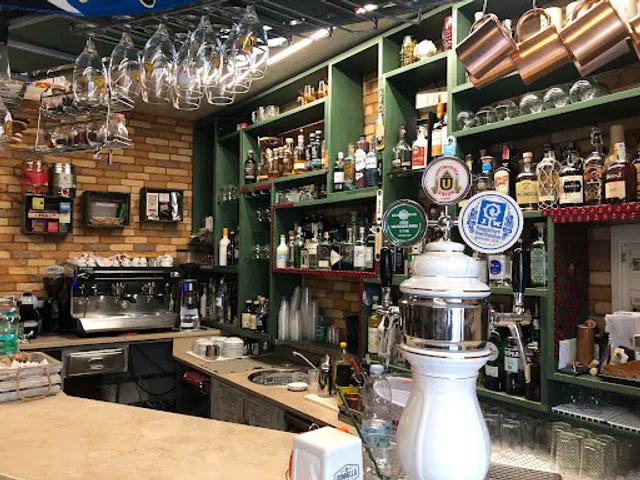
Caffè Plebiscito
4.6
(132)
Closed
Click for details
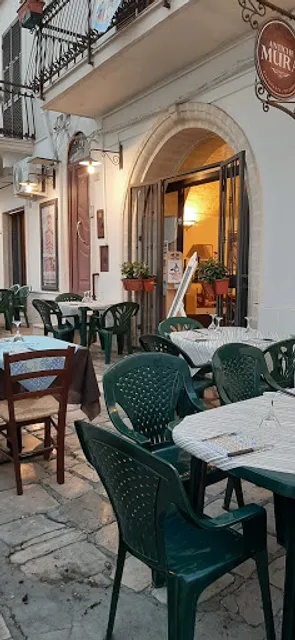
Antiche Mura
4.4
(224)
Closed
Click for details
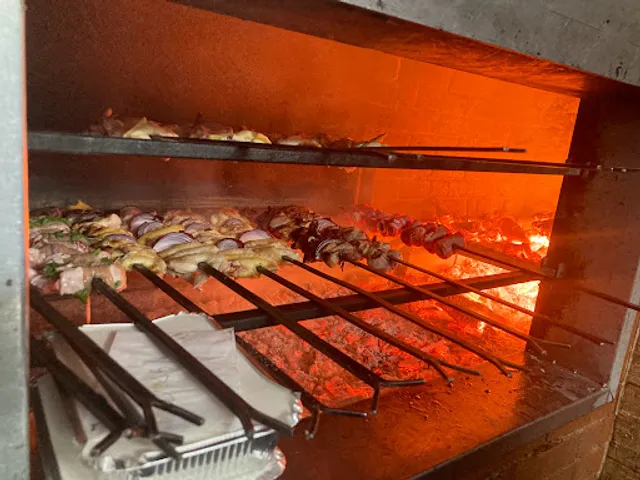
Macelleria Mimmo E Rosa volpe braceria di MICHELE VOLPE
4.5
(104)
Closed
Click for details
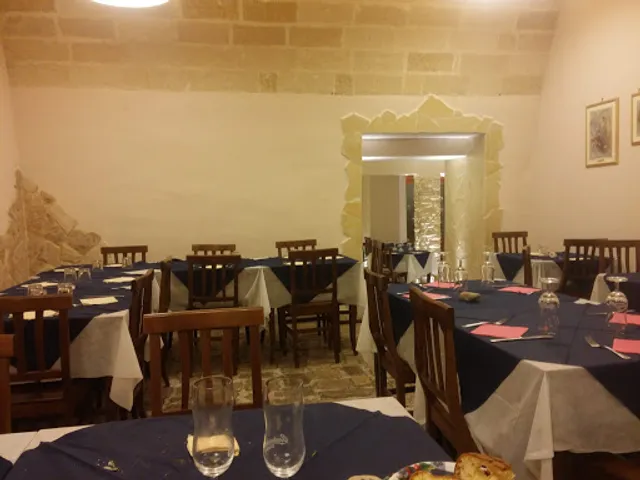
ristorante pizzeria Palazzo Pupino
4.7
(9)
Open until 12:00 AM
Click for details