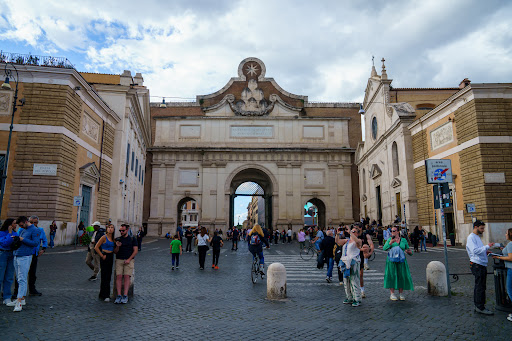
Basilica Parrocchiale Santa Maria del Popolo things to do, attractions, restaurants, events info and trip planning
Basic Info
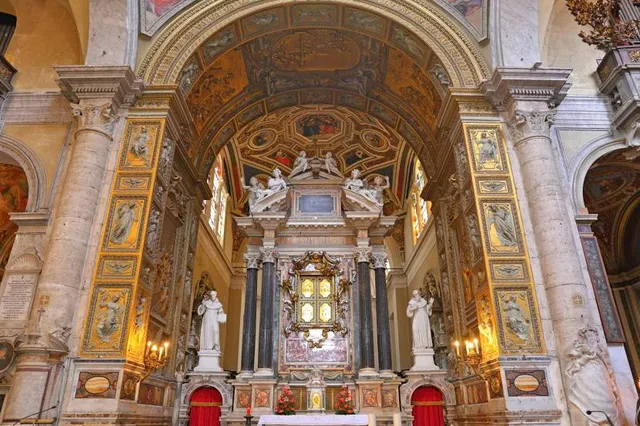
Basilica Parrocchiale Santa Maria del Popolo
Piazza del Popolo, 12, 00187 Roma RM, Italy
4.7(1.3K)
Closed
Save
spot
spot
Ratings & Description
Info
The Parish Basilica of Santa Maria del Popolo is a titular church and a minor basilica in Rome run by the Augustinian order. It stands on the north side of Piazza del Popolo, one of the most famous squares in the city.
Cultural
Accessibility
attractions: Piazza del Popolo, Museo Leonardo da Vinci, Porta del Popolo, Terrazza del Pincio, Cappella Chigi, Fontana dei Leoni, Santa Maria in Montesanto Basilica, Chiesa Santa Maria dei Miracoli, Passeggiata del Pincio, Goethe House, restaurants: Pastasciutta, Ristorante Pizzeria Popolo Caffè, All'Orsetto, PizzaRé, Canova Piazza del Popolo, McDonald's Roma Piazzale Flaminio, Flaminio Istanbul Kebab, Negresco Ristorante Pizzeria, Osteria del Tempo Perso Oca, Rosati, local businesses: Chigi Chapel, GROM, Euronics Nova, Star Shop Roma, AS Roma Store, Dainese Roma, Noi Salon, Hype Clothinga, Alfieri Roma - Abbigliamento in pelle - Leather Store - Leather Jacket, Ripetta’s Kitchen
 Learn more insights from Wanderboat AI.
Phone
+39 06 4567 5909
Website
santamariadelpopoloroma.it
Open hoursSee all hours
Fri8:30 - 9:45 AM, 10:30 AM - 12 PM, 4 - 6 PMClosed
Plan your stay

Pet-friendly Hotels in Rome
Find a cozy hotel nearby and make it a full experience.

Affordable Hotels in Rome
Find a cozy hotel nearby and make it a full experience.

The Coolest Hotels You Haven't Heard Of (Yet)
Find a cozy hotel nearby and make it a full experience.

Trending Stays Worth the Hype in Rome
Find a cozy hotel nearby and make it a full experience.
Reviews
Live events
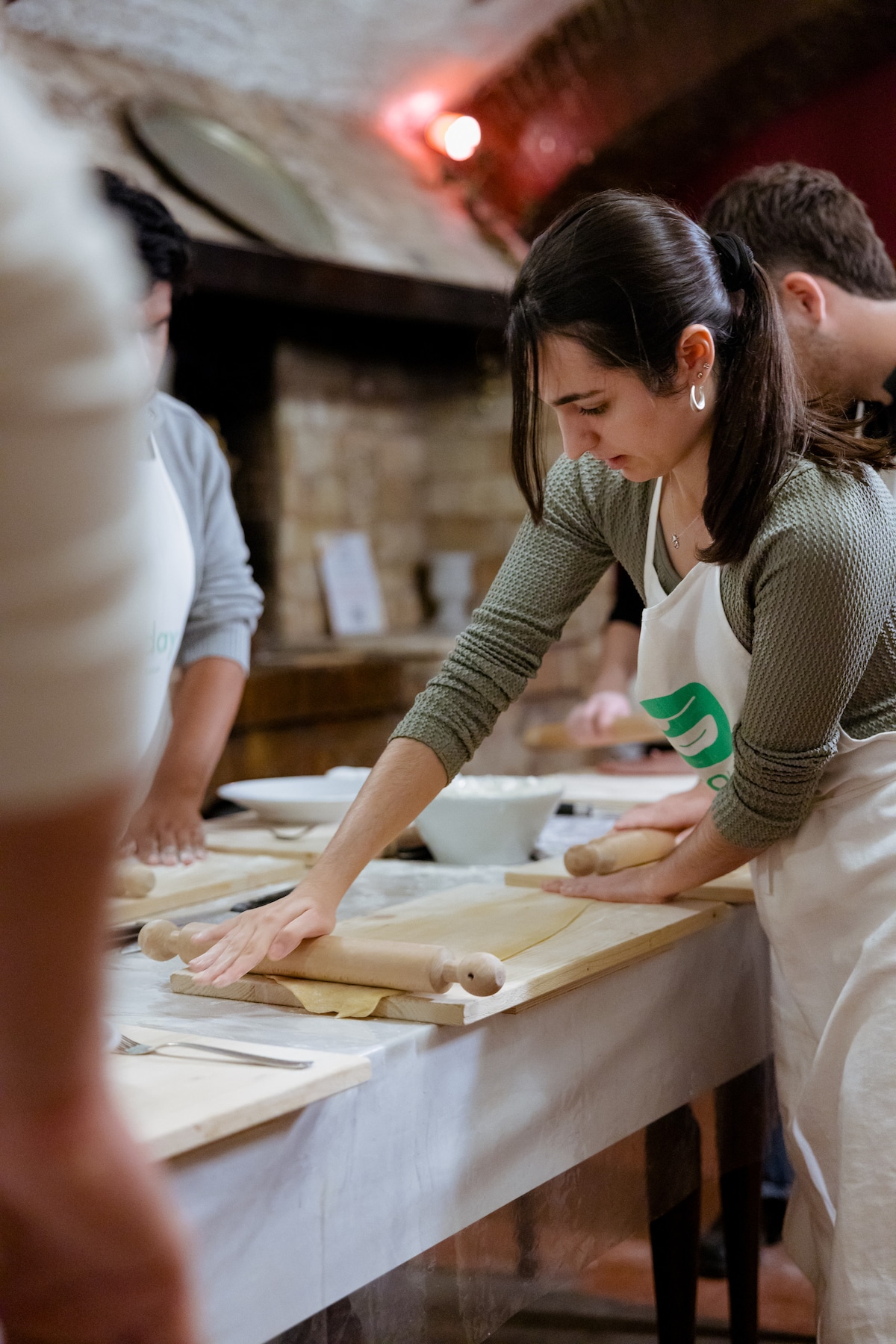
Make handmade fettuccine and tiramisu with a local
Fri, Feb 27 • 10:15 AM
00187, Rome, Lazio, Italy
View details
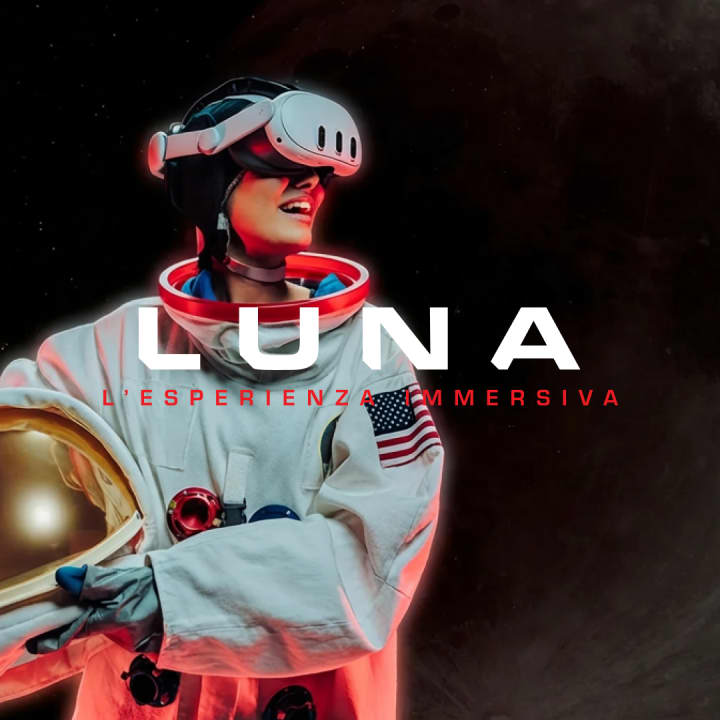
LUNA: A Journey to the Moon – un’esperienza immersiva in realtà virtuale a Roma
Fri, Feb 27 • 4:00 PM
Via Trionfale, 7400, Roma, 00136
View details
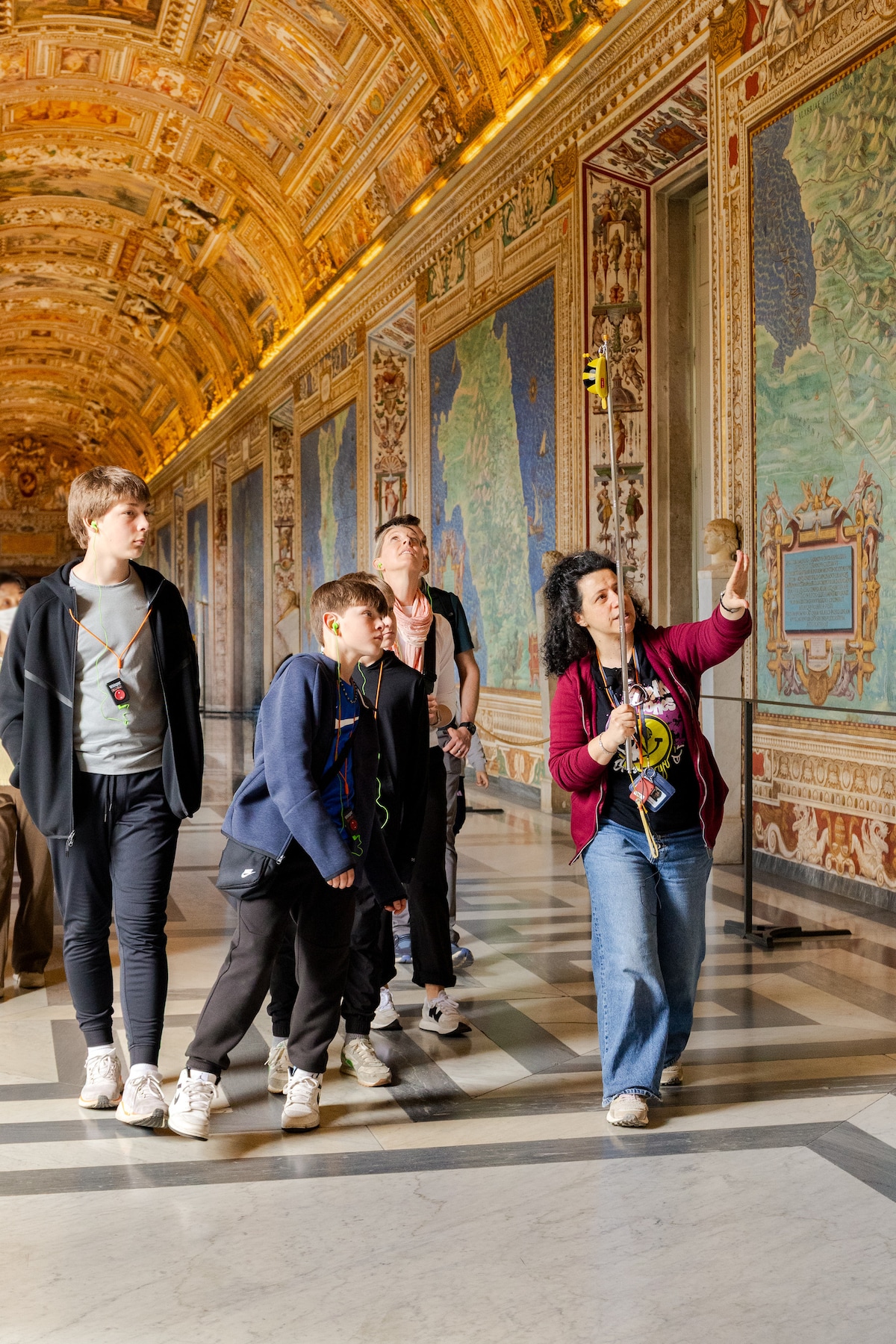
Complete Vatican Tour: Museums, Sistine & Basilica
Fri, Feb 27 • 9:30 AM
00192, Rome, Lazio, Italy
View details
Nearby attractions of Basilica Parrocchiale Santa Maria del Popolo
Piazza del Popolo
Museo Leonardo da Vinci
Porta del Popolo
Terrazza del Pincio
Cappella Chigi
Fontana dei Leoni
Santa Maria in Montesanto Basilica
Chiesa Santa Maria dei Miracoli
Passeggiata del Pincio
Goethe House
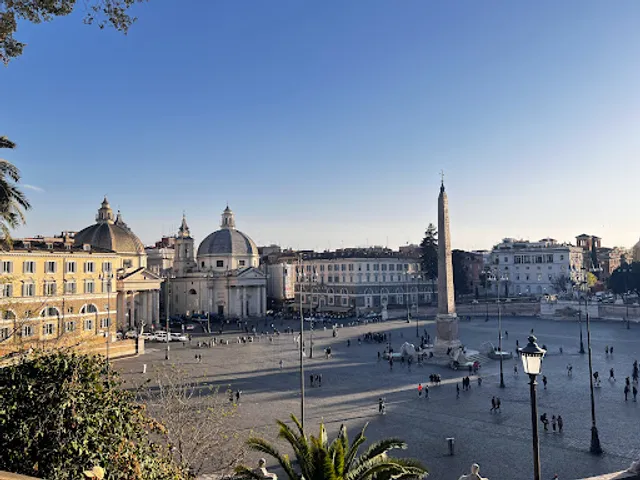
Piazza del Popolo
4.7
(39.3K)
Open 24 hours
Click for details
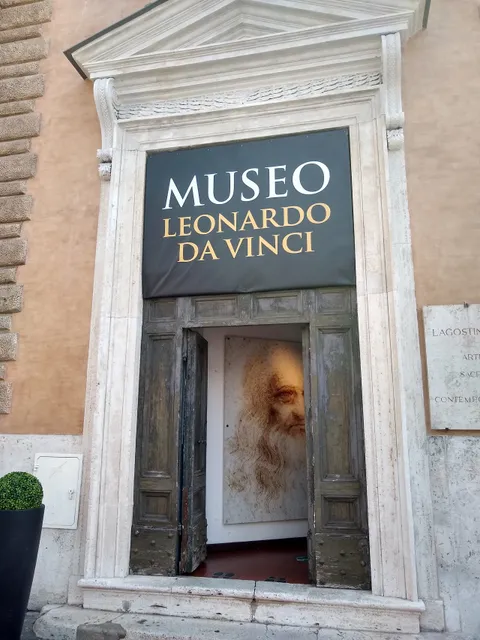
Museo Leonardo da Vinci
4.2
(1.1K)
Closed
Click for details
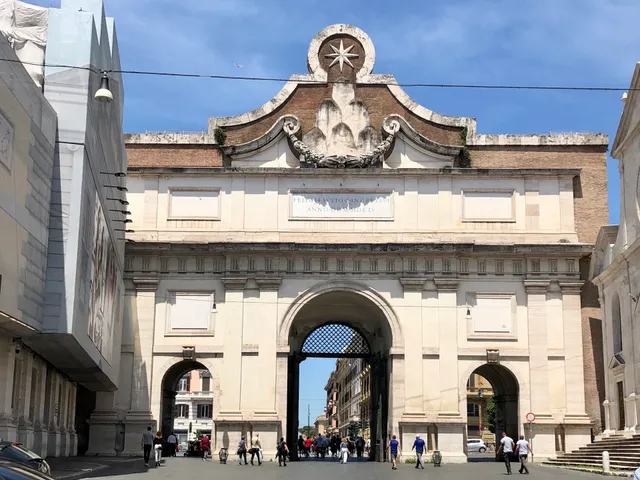
Porta del Popolo
4.6
(301)
Open until 12:00 AM
Click for details
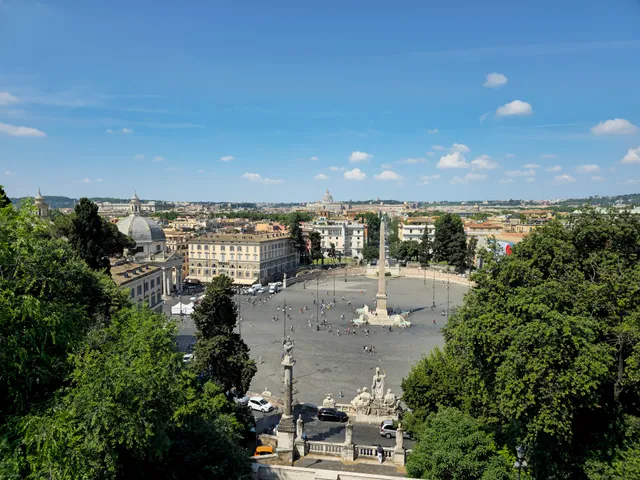
Terrazza del Pincio
4.8
(621)
Open 24 hours
Click for details
Nearby restaurants of Basilica Parrocchiale Santa Maria del Popolo
Pastasciutta
Ristorante Pizzeria Popolo Caffè
All'Orsetto
PizzaRé
Canova Piazza del Popolo
McDonald's Roma Piazzale Flaminio
Flaminio Istanbul Kebab
Negresco Ristorante Pizzeria
Osteria del Tempo Perso Oca
Rosati
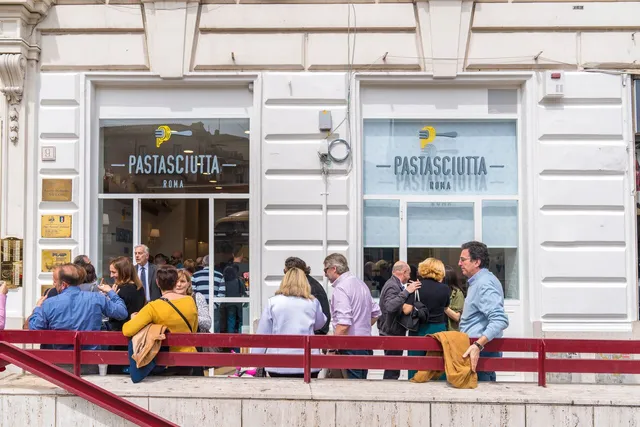
Pastasciutta
4.6
(2.4K)
Closed
Click for details
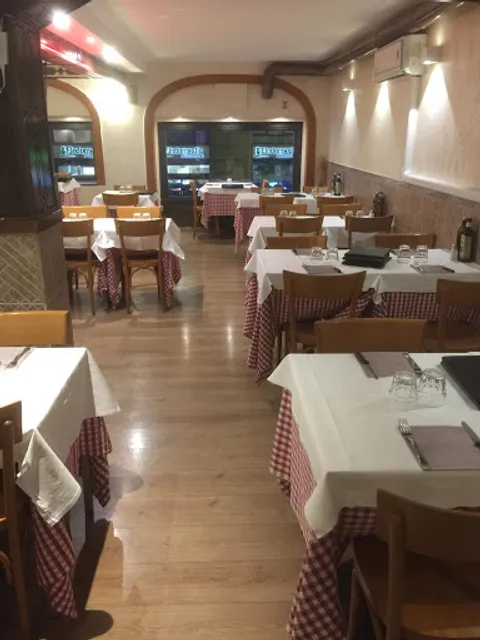
Ristorante Pizzeria Popolo Caffè
4.4
(645)
Closed
Click for details
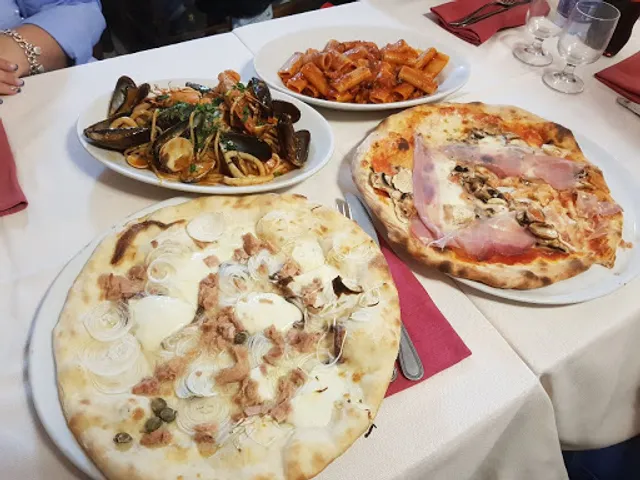
All'Orsetto
3.9
(465)
Closed
Click for details
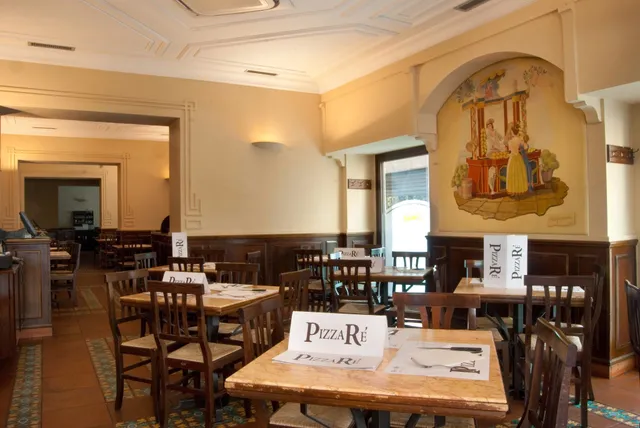
PizzaRé
4.4
(2.7K)
Closed
Click for details
Nearby local services of Basilica Parrocchiale Santa Maria del Popolo
Chigi Chapel
GROM
Euronics Nova
Star Shop Roma
AS Roma Store
Dainese Roma
Noi Salon
Hype Clothinga
Alfieri Roma - Abbigliamento in pelle - Leather Store - Leather Jacket
Ripetta’s Kitchen
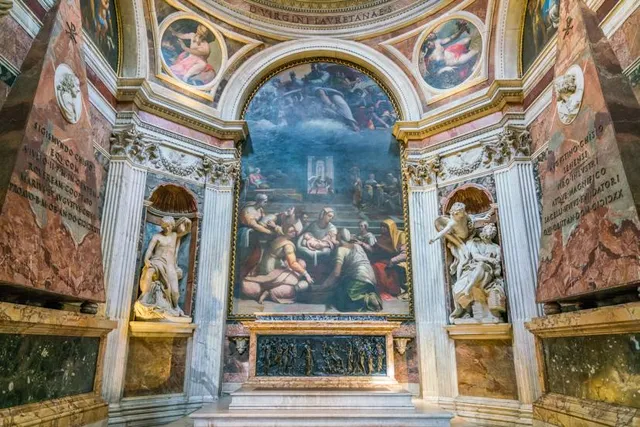
Chigi Chapel
4.7
(86)
Click for details
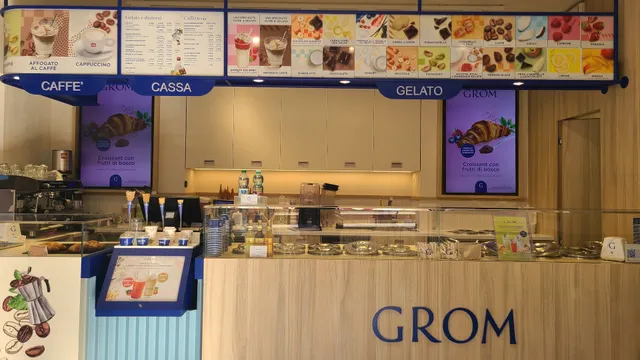
GROM
4.0
(83)
Click for details
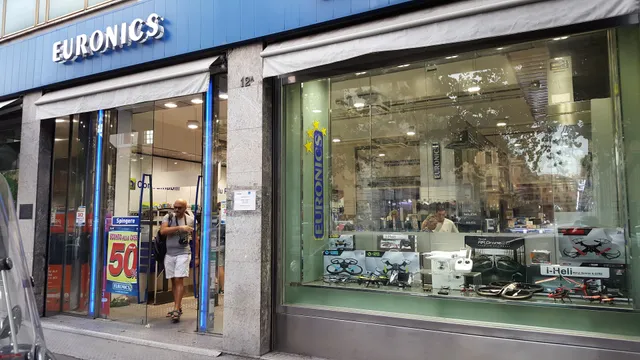
Euronics Nova
3.8
(524)
Click for details

Star Shop Roma
4.7
(1.1K)
Click for details


The hit list
Plan your trip with Wanderboat
Welcome to Wanderboat AI, your AI search for local Eats and Fun, designed to help you explore your city and the world with ease.
Powered by Wanderboat AI trip planner.