National Etruscan Museum of Villa Giulia things to do, attractions, restaurants, events info and trip planning
Basic Info
National Etruscan Museum of Villa Giulia
Piazzale di Villa Giulia 9, 00196 Roma RM, Italy
4.7(2K)
Closed


tickets
Save
spot
spot
Ratings & Description
Info
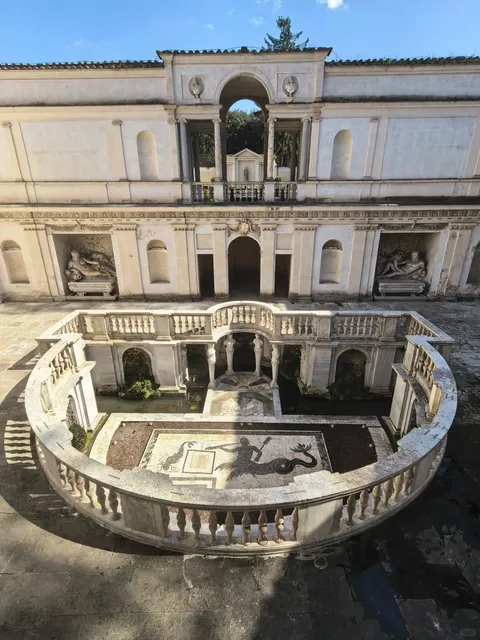
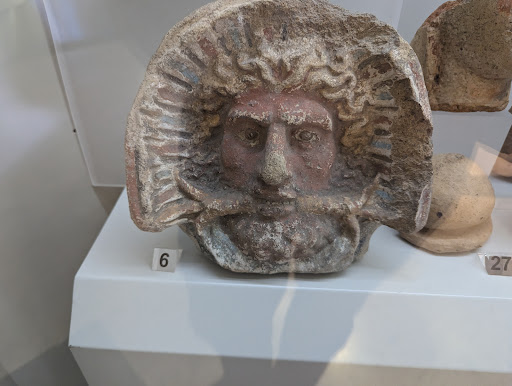
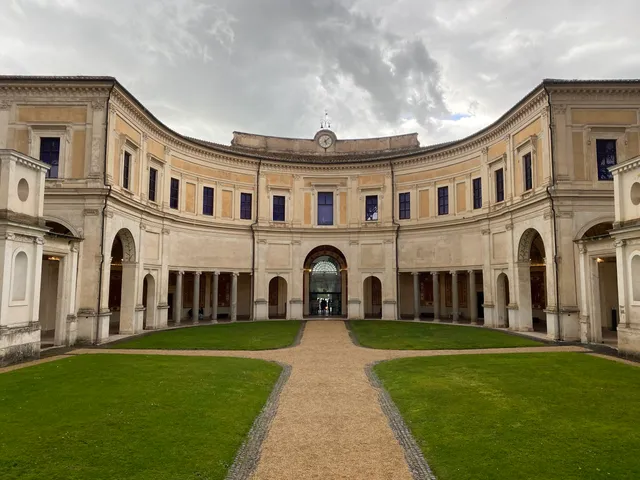
The National Etruscan Museum is a museum of the Etruscan civilization, housed in the Villa Giulia in Rome, Italy.
Cultural
Family friendly
Accessibility
attractions: National Gallery of Modern and Contemporary Art, Institute of Japanese Culture, Sapienza Università di Roma - Facoltà di Architettura - Sede di Valle Giulia, Temple of Aesculapius, Villa Balestra, Museo dei Bambini Società Cooperativa Sociale Onlus, Villa Borghese, Piazza del Popolo, Fine Arts Palace, Hendrik Christian Andersen Museum, restaurants: Caffè delle Arti, Villa Giulia Temporary Garden, Arch Bar, Il Buchetto, Bubi's Ristorante, Satyrus Temporary Bar, Gli Ulivi, Sensorio Coffee Lab, SUD Vino & Cucina, Marzapane, local businesses: Temple d'Esculape, Basilica Parrocchiale Santa Maria del Popolo, Mercato Rionale Flaminio I, Santa Maria della Pace - Chiesa Prelatizia dell'Opus Dei, GROM, Euronics Nova, Chigi Chapel, Pico Gelato - Flaminio, Alfieri Roma - Abbigliamento in pelle - Leather Store - Leather Jacket, Boutique Borsalino
 Learn more insights from Wanderboat AI.
Phone
+39 06 322 6571
Website
museoetru.it
Open hoursSee all hours
Wed8:30 AM - 7:30 PMClosed
Plan your stay

Pet-friendly Hotels in Rome
Find a cozy hotel nearby and make it a full experience.

Affordable Hotels in Rome
Find a cozy hotel nearby and make it a full experience.

The Coolest Hotels You Haven't Heard Of (Yet)
Find a cozy hotel nearby and make it a full experience.

Trending Stays Worth the Hype in Rome
Find a cozy hotel nearby and make it a full experience.
Reviews
Live events
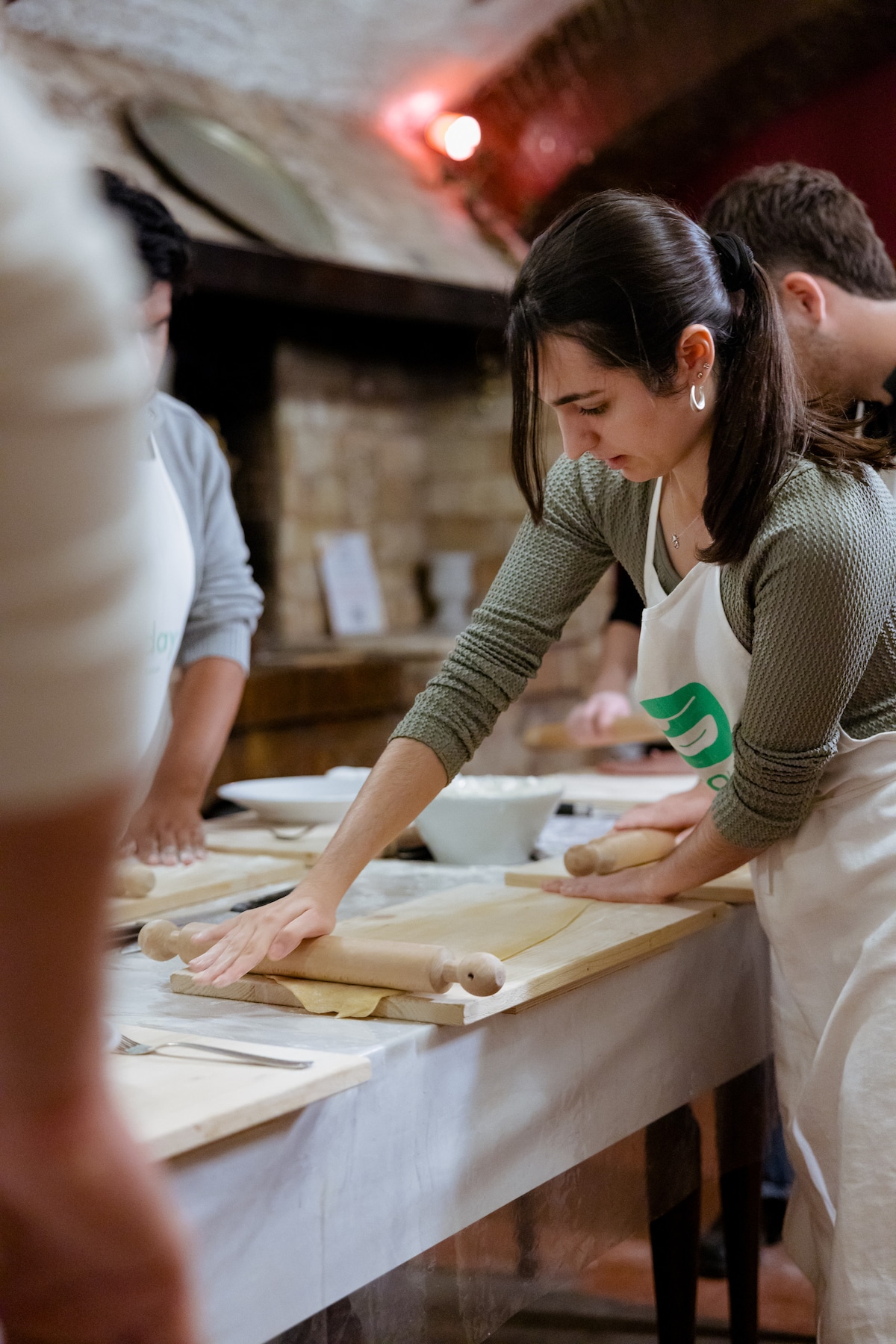
Make handmade fettuccine and tiramisu with a local
Thu, Feb 26 • 10:15 AM
00187, Rome, Lazio, Italy
View details

Passioni, simpatia e convenzioni: la natura umana in Hume e Darwin
Thu, Feb 26 • 6:00 PM
Via Plebiscito 118 00186 Roma
View details
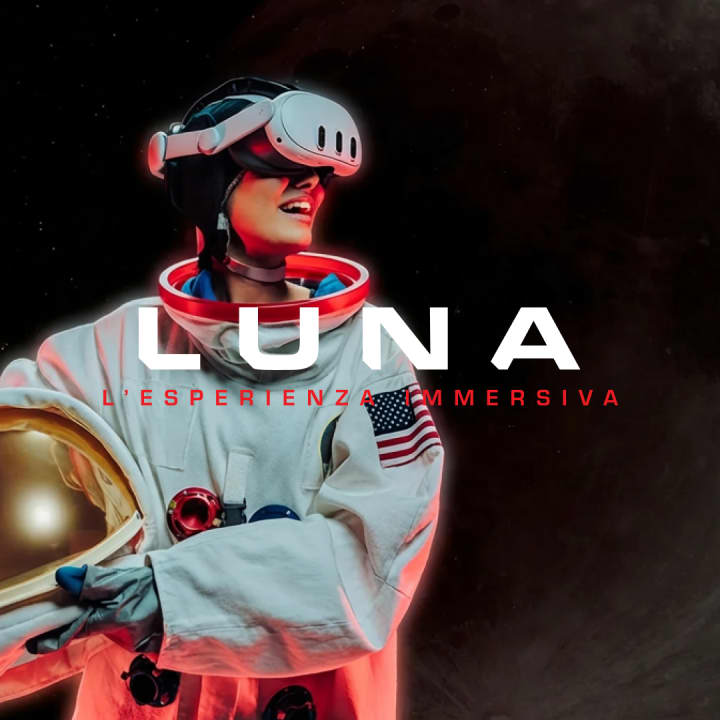
LUNA: A Journey to the Moon – un’esperienza immersiva in realtà virtuale a Roma
Fri, Feb 27 • 4:00 PM
Via Trionfale, 7400, Roma, 00136
View details
Nearby attractions of National Etruscan Museum of Villa Giulia
National Gallery of Modern and Contemporary Art
Institute of Japanese Culture
Sapienza Università di Roma - Facoltà di Architettura - Sede di Valle Giulia
Temple of Aesculapius
Villa Balestra
Museo dei Bambini Società Cooperativa Sociale Onlus
Villa Borghese
Piazza del Popolo
Fine Arts Palace
Hendrik Christian Andersen Museum

National Gallery of Modern and Contemporary Art
4.6
(4.4K)
Closed
Click for details
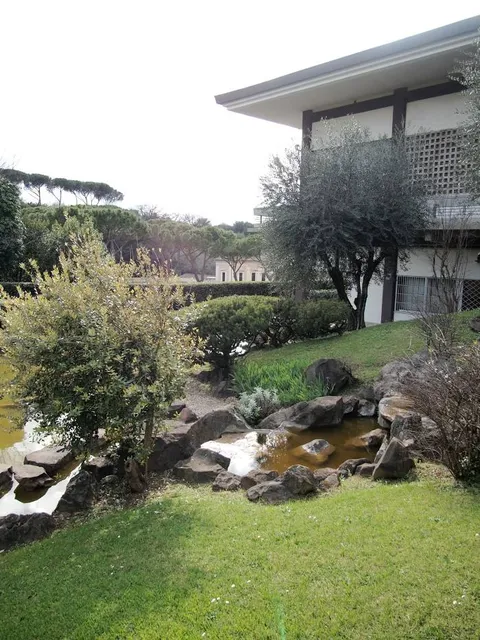
Institute of Japanese Culture
4.4
(17)
Closed
Click for details

Sapienza Università di Roma - Facoltà di Architettura - Sede di Valle Giulia
4.2
(44)
Closed
Click for details
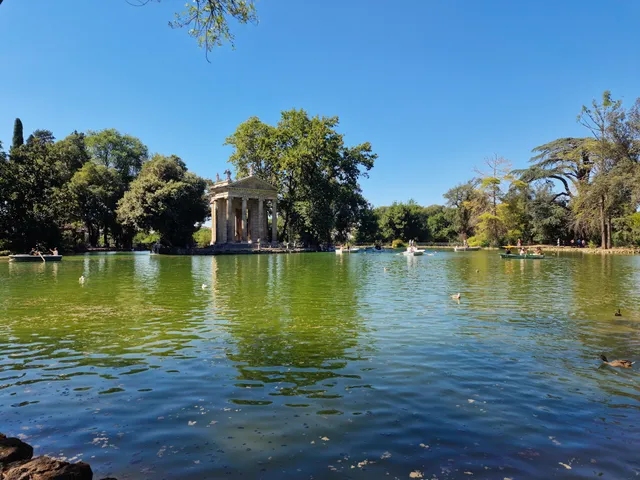
Temple of Aesculapius
4.7
(3.6K)
Closed
Click for details
Nearby restaurants of National Etruscan Museum of Villa Giulia
Caffè delle Arti
Villa Giulia Temporary Garden
Arch Bar
Il Buchetto
Bubi's Ristorante
Satyrus Temporary Bar
Gli Ulivi
Sensorio Coffee Lab
SUD Vino & Cucina
Marzapane
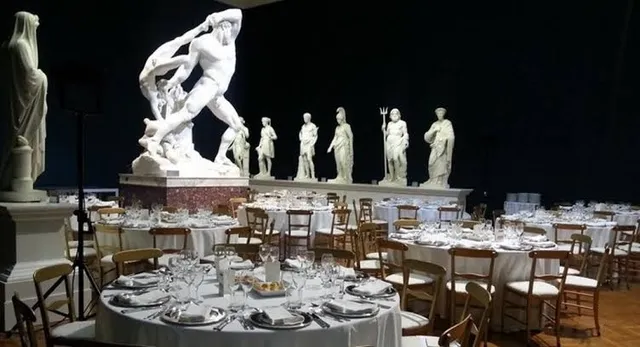
Caffè delle Arti
4.1
(729)
Closed
Click for details
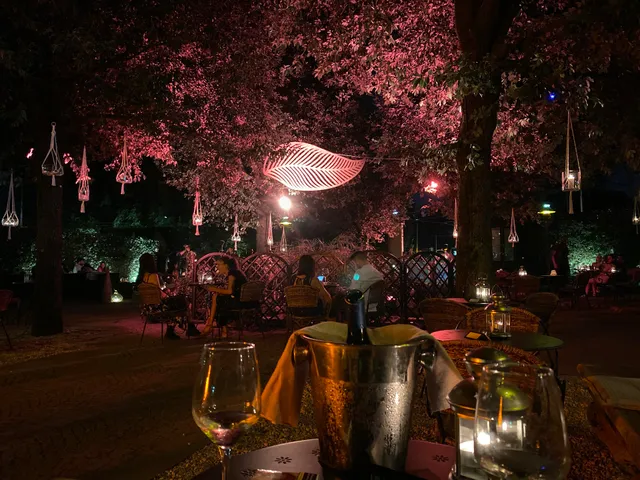
Villa Giulia Temporary Garden
3.3
(63)
Click for details
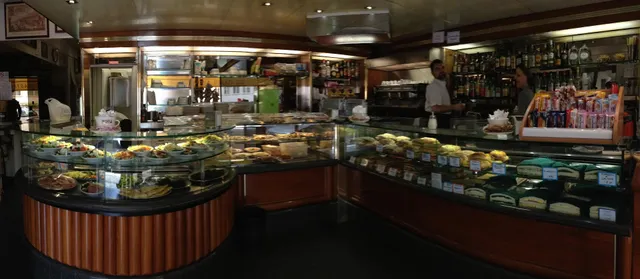
Arch Bar
4.4
(67)
Closed
Click for details
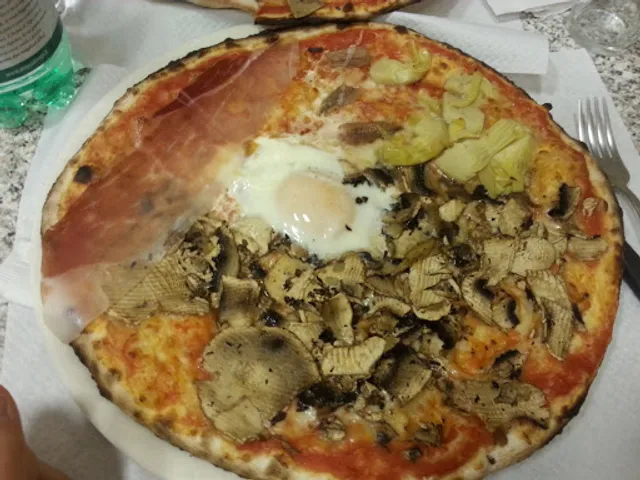
Il Buchetto
4.5
(534)
Open until 12:00 AM
Click for details
Nearby local services of National Etruscan Museum of Villa Giulia
Temple d'Esculape
Basilica Parrocchiale Santa Maria del Popolo
Mercato Rionale Flaminio I
Santa Maria della Pace - Chiesa Prelatizia dell'Opus Dei
GROM
Euronics Nova
Chigi Chapel
Pico Gelato - Flaminio
Alfieri Roma - Abbigliamento in pelle - Leather Store - Leather Jacket
Boutique Borsalino
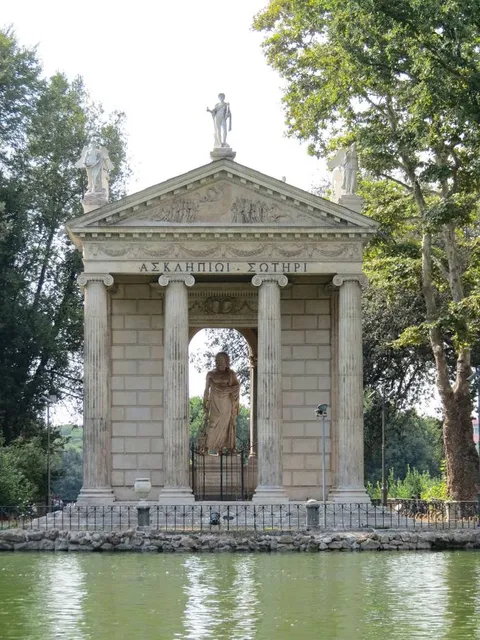
Temple d'Esculape
4.7
(2.5K)
Click for details

Basilica Parrocchiale Santa Maria del Popolo
4.7
(1.3K)
Click for details

Mercato Rionale Flaminio I
4.2
(43)
Click for details
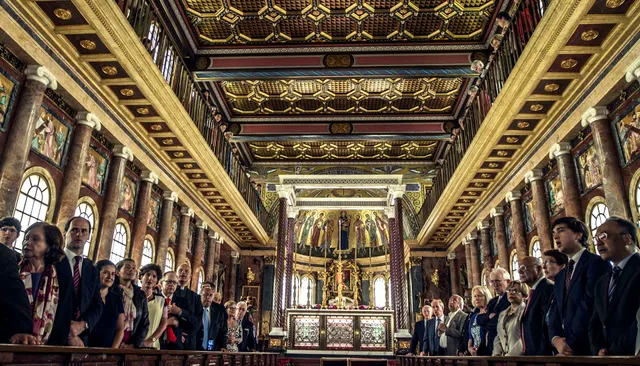
Santa Maria della Pace - Chiesa Prelatizia dell'Opus Dei
4.9
(116)
Click for details


The hit list

Plan your trip with Wanderboat
Welcome to Wanderboat AI, your AI search for local Eats and Fun, designed to help you explore your city and the world with ease.
Powered by Wanderboat AI trip planner.