Piazzale delle Corporazioni things to do, attractions, restaurants, events info and trip planning
Basic Info
Piazzale delle Corporazioni
Viale degli Scavi, 00119 Roma RM, Italy
4.9(21)
Open until 12:00 AM
Save
spot
spot
Ratings & Description
Info
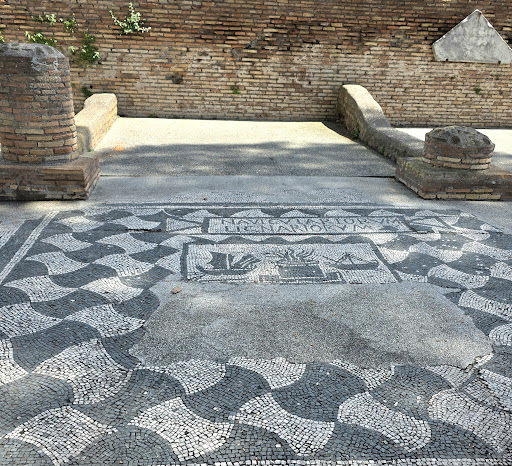
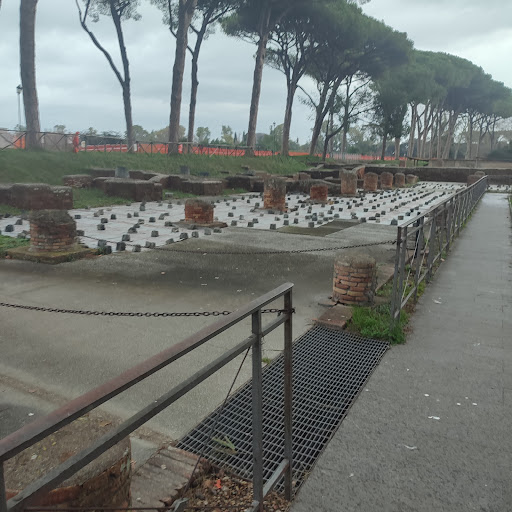
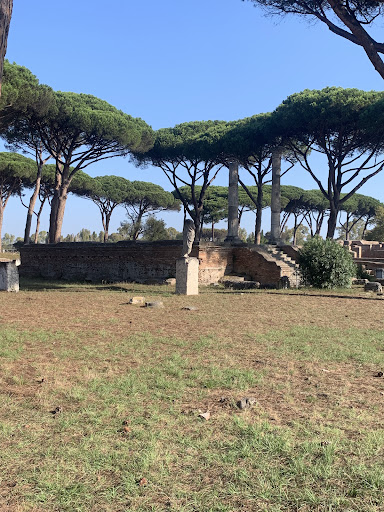
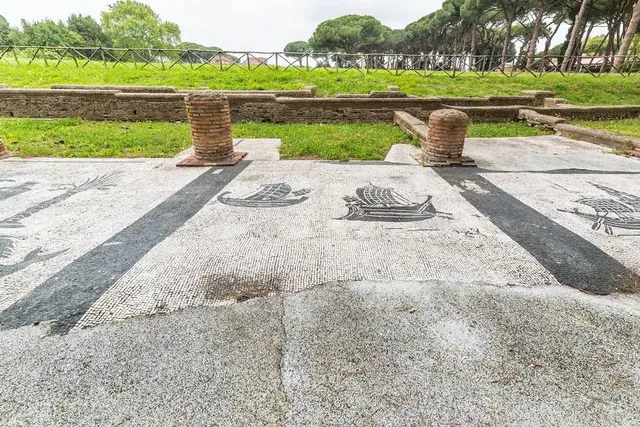
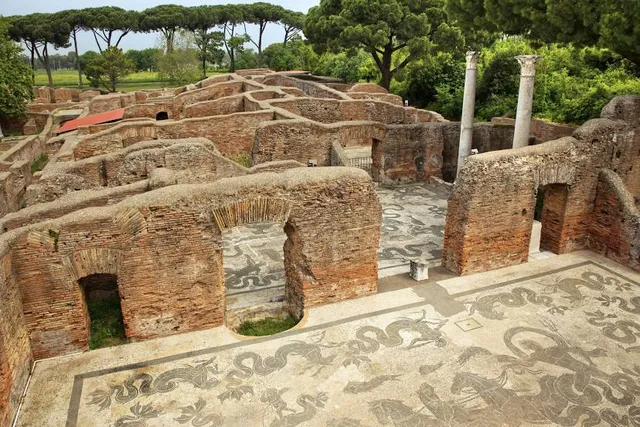
The Forum of Corporations, or the Piazzale delle Corporazioni, was the principal center of commerce and trade for the Roman Empire mainly during the Age of Augustus. Located in the major port city of Ostia, this open-air market was essential for Rome as a place of varying and exotic goods from foreign lands.
Cultural
Scenic
Family friendly
Accessibility
attractions: Teatro di Ostia, Ostia Antica, Baths of Neptune, Parco d'Affaccio Ostia Antica, Capitolium, The Forum Baths - Ostia Antica, Domus della Fortuna Annonaria, Domus of Amor and Psyche, Underground Mithraeum of the Baths of Mithras, Castello di Giulio II, restaurants: Café degli Scavi - Ostia Antica, Allo Sbarco di Enea, Arianna al Borghetto, Equo Risto Fiumicino - Ostia, La Fraschetta Del Borgo Prodotti Tipici e Vini, Il BARetto del borghetto, Bello De Nonna, Tevere Time, local businesses: Statua di Nettuno, Ostia Antica, Cattedrale di Sant'Aurea
 Learn more insights from Wanderboat AI.
Phone
+39 06 563 5801
Website
ostiaantica.cultura.gov.it
Open hoursSee all hours
MonClosedOpen
Plan your stay

Pet-friendly Hotels in Rome
Find a cozy hotel nearby and make it a full experience.

Affordable Hotels in Rome
Find a cozy hotel nearby and make it a full experience.

The Coolest Hotels You Haven't Heard Of (Yet)
Find a cozy hotel nearby and make it a full experience.

Trending Stays Worth the Hype in Rome
Find a cozy hotel nearby and make it a full experience.
Reviews
Live events
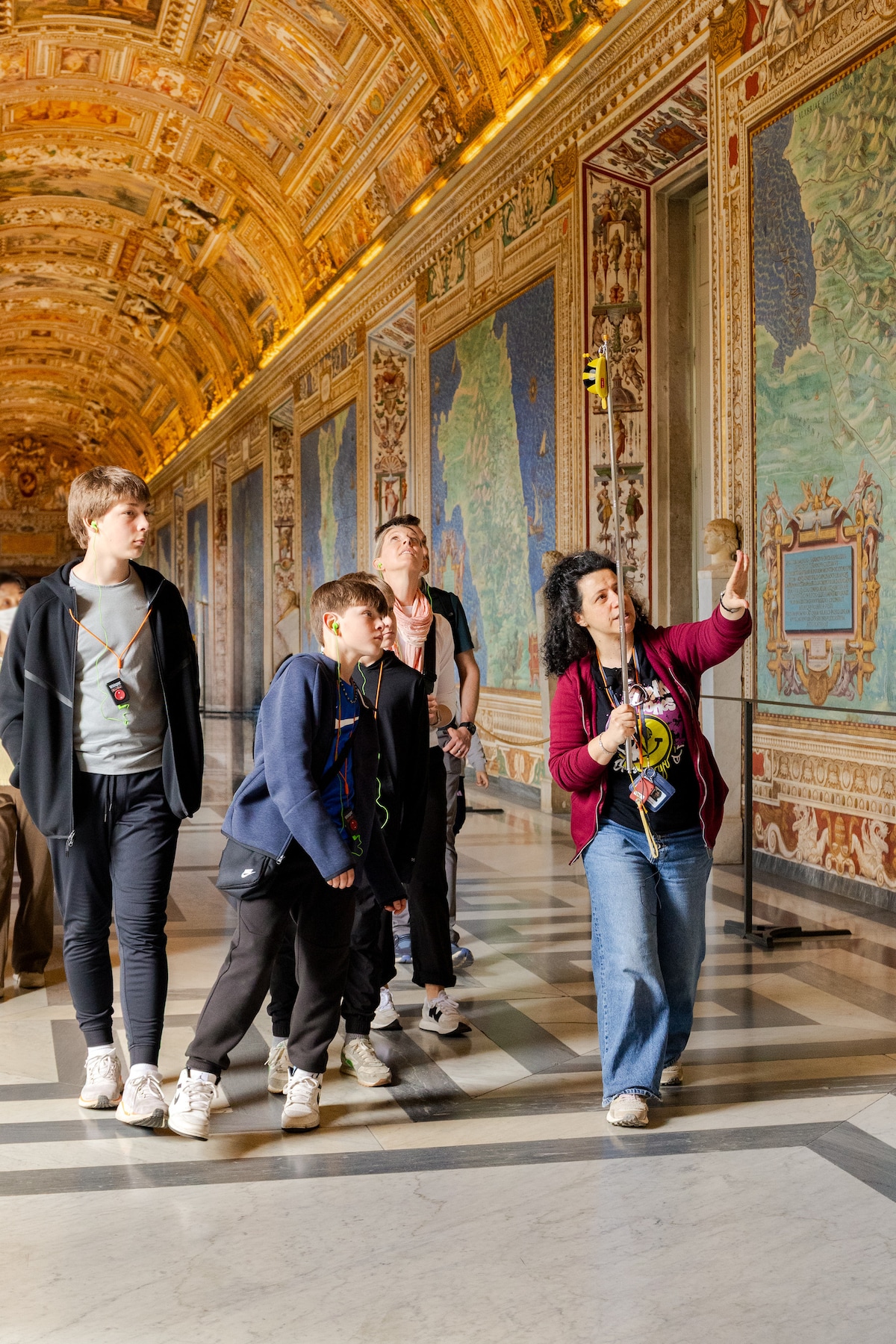
Complete Vatican Tour: Museums, Sistine & Basilica
Mon, Feb 9 • 9:15 AM
00192, Rome, Lazio, Italy
View details

Nonnas Handmade pasta with Grandma
Mon, Feb 9 • 9:30 AM
00162, Rome, Lazio, Italy
View details
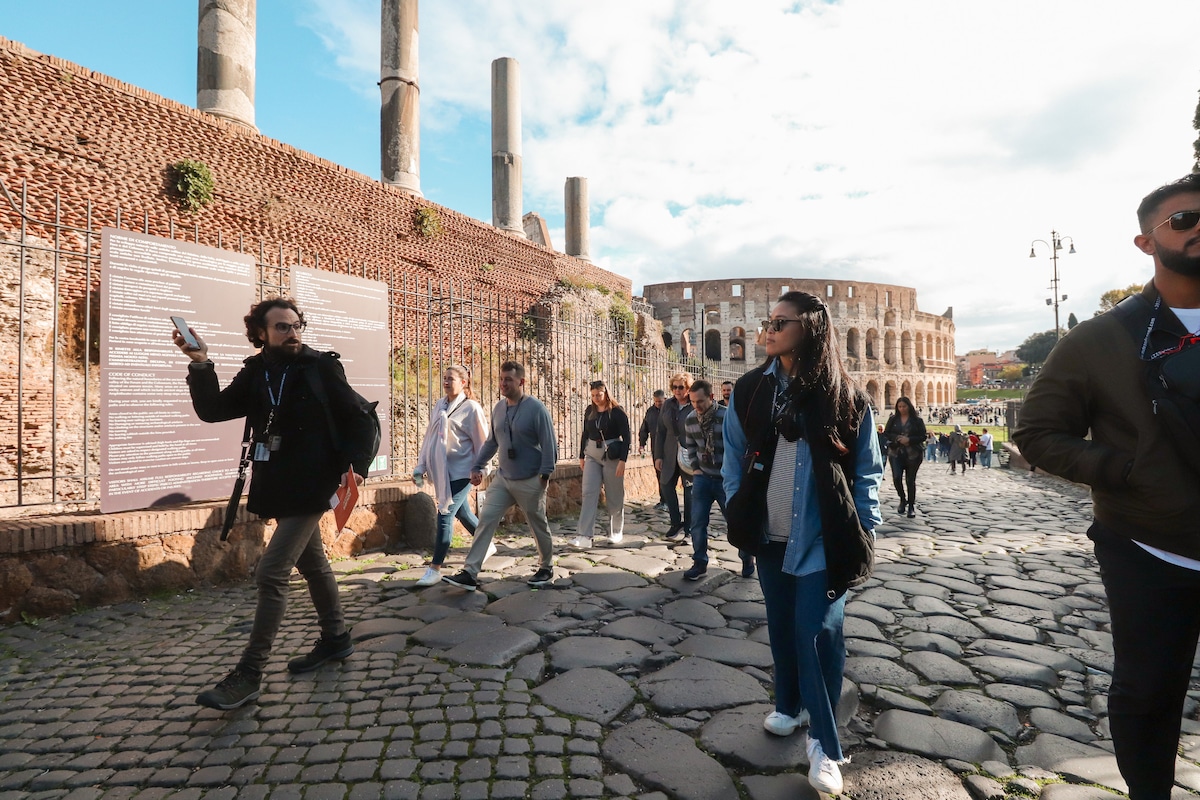
Colosseum, Forum, and Palatine Hill Guided Tour
Tue, Feb 10 • 9:30 AM
00184, Rome, Lazio, Italy
View details
Nearby attractions of Piazzale delle Corporazioni
Teatro di Ostia
Ostia Antica
Baths of Neptune
Parco d'Affaccio Ostia Antica
Capitolium
The Forum Baths - Ostia Antica
Domus della Fortuna Annonaria
Domus of Amor and Psyche
Underground Mithraeum of the Baths of Mithras
Castello di Giulio II
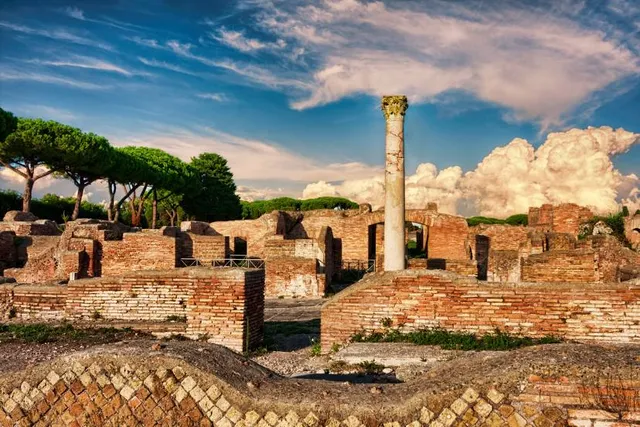
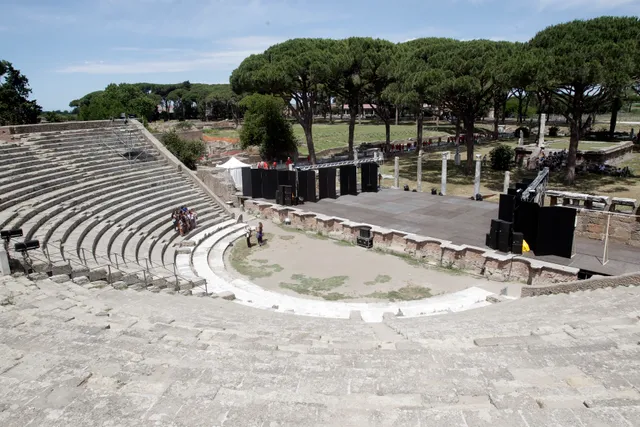
Teatro di Ostia
4.7
(3.7K)
Open until 12:00 AM
Click for details
Ostia Antica
4.7
(4.2K)
Open until 12:00 AM
Click for details
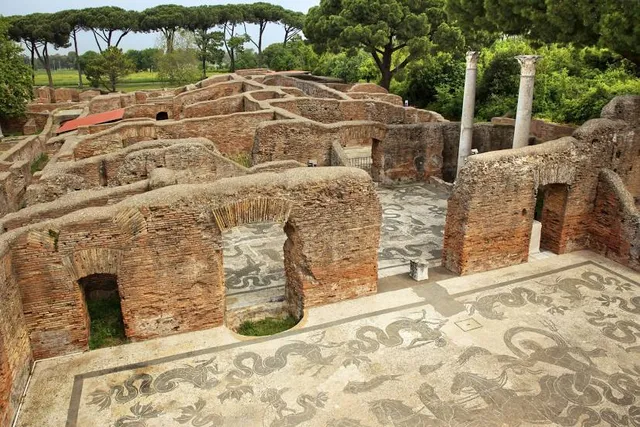
Baths of Neptune
4.6
(50)
Open until 12:00 AM
Click for details
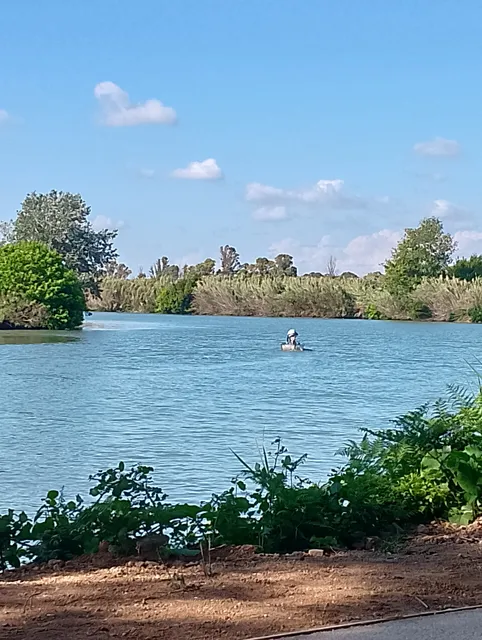
Parco d'Affaccio Ostia Antica
4.3
(20)
Open until 12:00 AM
Click for details
Nearby restaurants of Piazzale delle Corporazioni
Café degli Scavi - Ostia Antica
Allo Sbarco di Enea
Arianna al Borghetto
Equo Risto Fiumicino - Ostia
La Fraschetta Del Borgo Prodotti Tipici e Vini
Il BARetto del borghetto
Bello De Nonna
Tevere Time
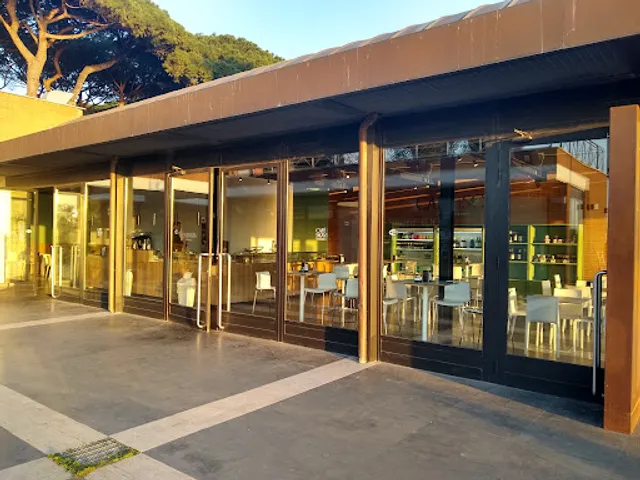
Café degli Scavi - Ostia Antica
4.1
(99)
Open until 12:00 AM
Click for details
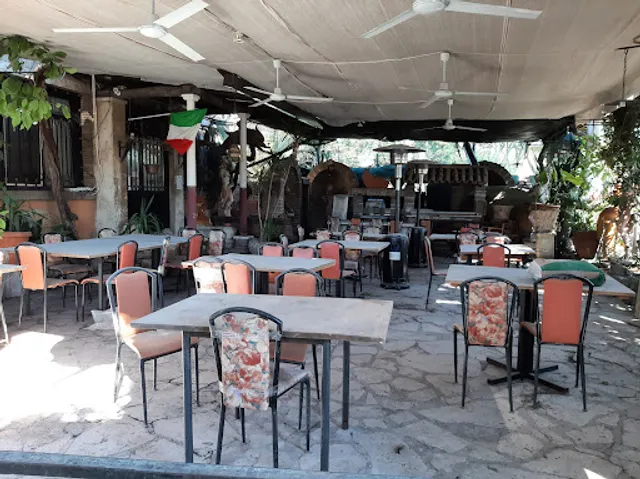
Allo Sbarco di Enea
3.9
(447)
Closed
Click for details
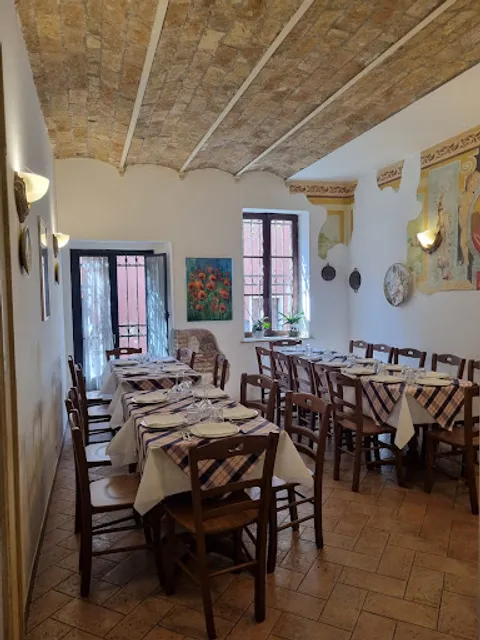
Arianna al Borghetto
4.5
(635)
Open until 12:00 AM
Click for details
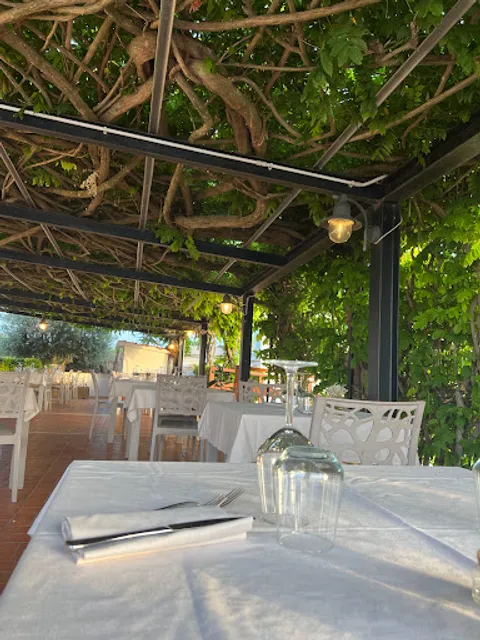
Equo Risto Fiumicino - Ostia
4.6
(206)
$$
Open until 12:00 AM
Click for details
Nearby local services of Piazzale delle Corporazioni
Statua di Nettuno
Ostia Antica
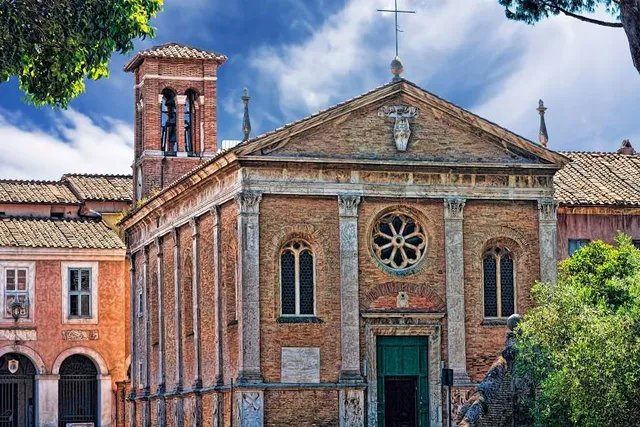
Cattedrale di Sant'Aurea
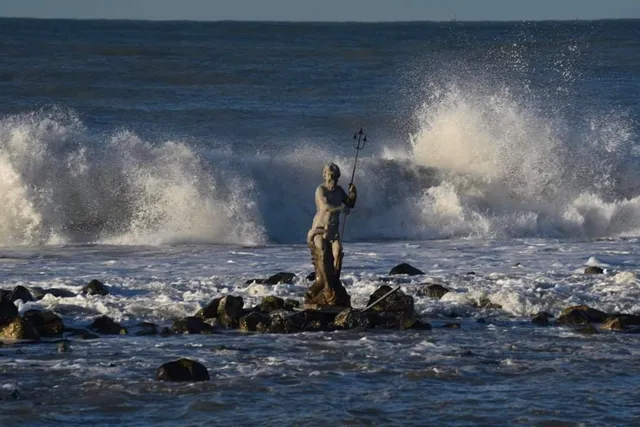
Statua di Nettuno
4.5
(35)
Click for details
Ostia Antica
4.7
(3.3K)
Click for details
Cattedrale di Sant'Aurea
4.6
(255)
Click for details


The hit list



Plan your trip with Wanderboat
Welcome to Wanderboat AI, your AI search for local Eats and Fun, designed to help you explore your city and the world with ease.
Powered by Wanderboat AI trip planner.