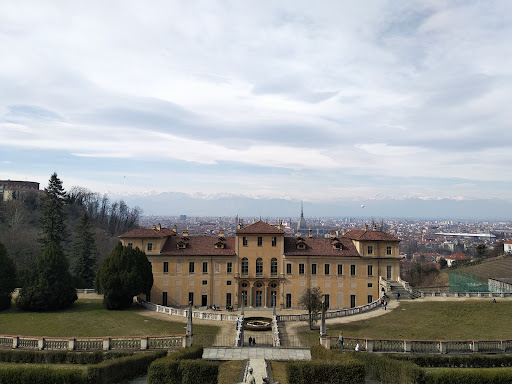
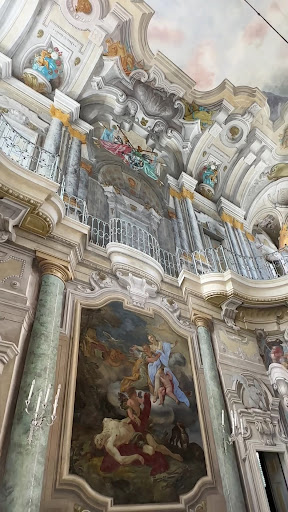
Villa della Regina things to do, attractions, restaurants, events info and trip planning
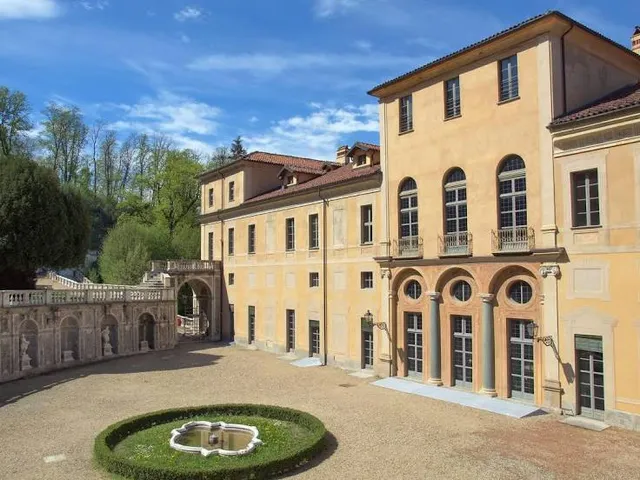
Basic Info
Villa della Regina
Strada Comunale Santa Margherita, 79, 10131 Torino TO, Italy
4.4(2.6K)
Closed


tickets
Save
spot
spot
Ratings & Description
Info
The Villa della Regina is a palace in the city of Turin, Piedmont, Italy. It was originally built by the House of Savoy in the 17th century. In 1997, it was placed on the UNESCO World Heritage Site list along with 13 other residences of the House of Savoy.
Cultural
Outdoor
Family friendly
attractions: Parco Pubblico di Villa Genero, Caserma Alessandro La Marmora, Chiesa Parrocchiale della Gran Madre di Dio, Chiesa di Santa Maria del Monte dei Cappuccini, Museum of Natural History "Don Bosco", Museo Nazionale della Montagna "Duca degli Abruzzi" CAI - Torino, Ceramica Contemporanea Maria Luisa Tribolo - Ceramista, restaurants: Casa Fedora, Cannavacciuolo Bistrot - Torino, Ristorante Giapponese Miyabi, Birilli, Locanda della Regina, Pastificio Gran Madre, PugliaMia Torino Braceria e Bottega, Ciro Petrucci, Bar Regina, Crossroads Cafe Concept, local businesses: Comme Toi - Via Villa della Regina 2, Spegis Cioccolato, Precollinear Park, FLASHBACK HABITAT. Ecosistema per le Culture Contemporanee
 Learn more insights from Wanderboat AI.
Phone
+39 011 819 5035
Website
beniculturali.it
Open hoursSee all hours
Sun9:30 a.m. - 5 p.m.Closed
Plan your stay

Pet-friendly Hotels in Turin
Find a cozy hotel nearby and make it a full experience.

Affordable Hotels in Turin
Find a cozy hotel nearby and make it a full experience.

The Coolest Hotels You Haven't Heard Of (Yet)
Find a cozy hotel nearby and make it a full experience.

Trending Stays Worth the Hype in Turin
Find a cozy hotel nearby and make it a full experience.
Reviews
Live events

NextEdu 2025 DemoDay
Wed, Feb 11 • 6:00 PM
22 Corso Castelfidardo 10128 Torino
View details

Rivelazioni - a cura di Nicola Lagioia. Giorno 1
Fri, Feb 13 • 9:30 AM
88 Via Pastrengo 10024 Moncalieri
View details
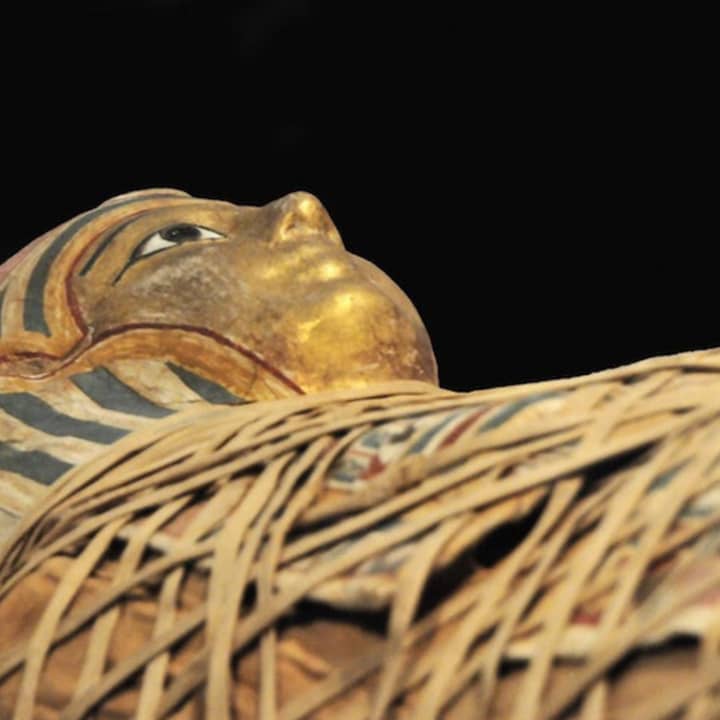
Museo Egizio di Torino: visita guidata Skip-The-Line
Sun, Feb 8 • 3:30 PM
Via Accademia delle Scienze, 6, Torino, 10123
View details
Nearby attractions of Villa della Regina
Parco Pubblico di Villa Genero
Caserma Alessandro La Marmora
Chiesa Parrocchiale della Gran Madre di Dio
Chiesa di Santa Maria del Monte dei Cappuccini
Museum of Natural History "Don Bosco"
Museo Nazionale della Montagna "Duca degli Abruzzi" CAI - Torino
Ceramica Contemporanea Maria Luisa Tribolo - Ceramista
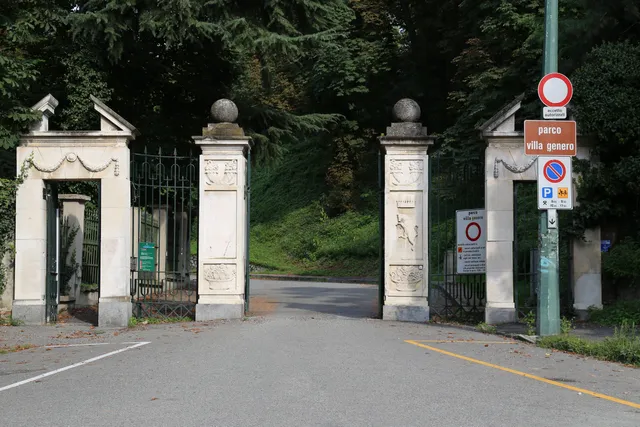
Parco Pubblico di Villa Genero
4.4
(482)
Closed
Click for details
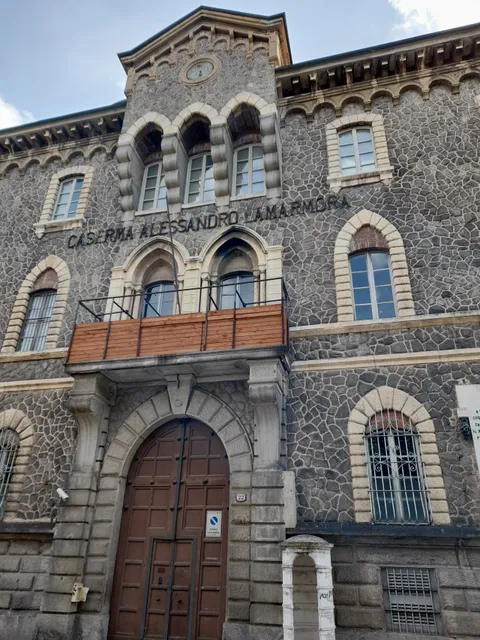
Caserma Alessandro La Marmora
4.0
(90)
Open 24 hours
Click for details

Chiesa Parrocchiale della Gran Madre di Dio
4.6
(3.2K)
Closed
Click for details
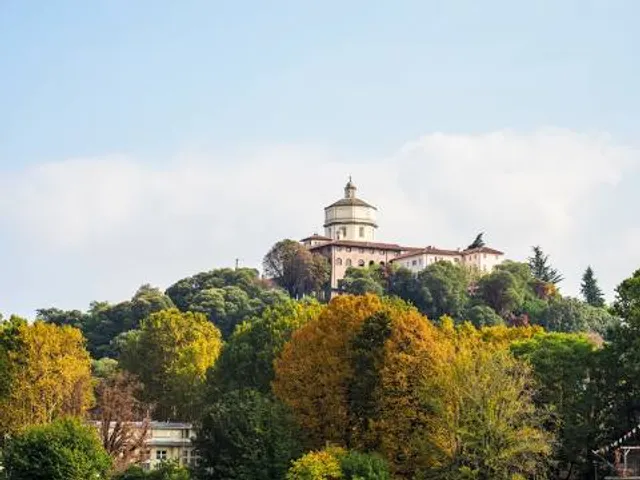
Chiesa di Santa Maria del Monte dei Cappuccini
4.7
(2.7K)
Closed
Click for details
Nearby restaurants of Villa della Regina
Casa Fedora
Cannavacciuolo Bistrot - Torino
Ristorante Giapponese Miyabi
Birilli
Locanda della Regina
Pastificio Gran Madre
PugliaMia Torino Braceria e Bottega
Ciro Petrucci
Bar Regina
Crossroads Cafe Concept
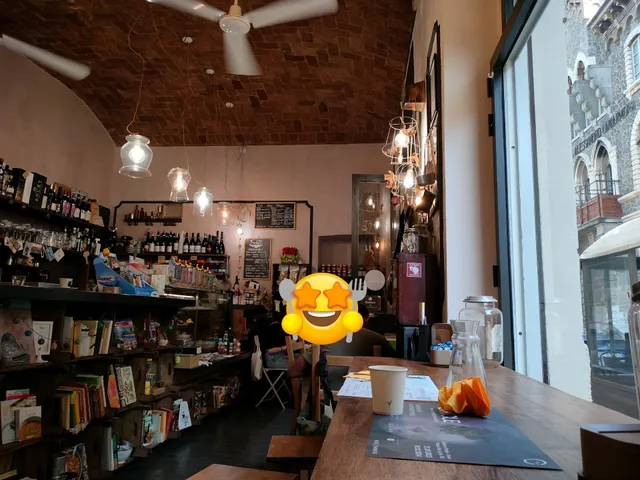
Casa Fedora
4.3
(118)
Open until 12:00 AM
Click for details
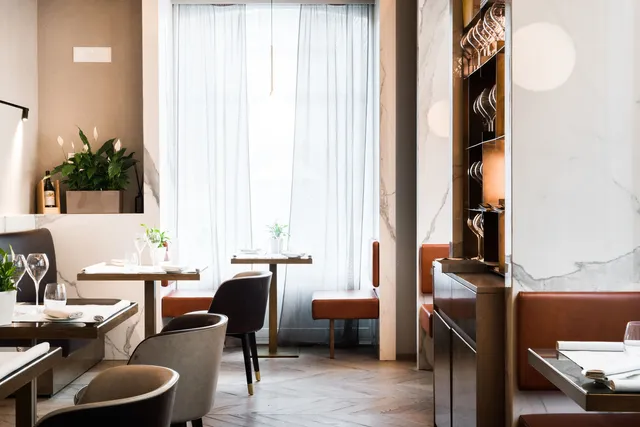
Cannavacciuolo Bistrot - Torino
4.6
(1.6K)
Closed
Click for details
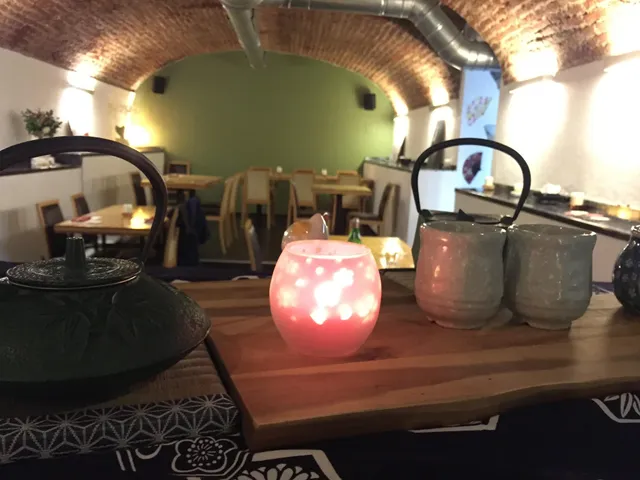
Ristorante Giapponese Miyabi
4.6
(205)
Closed
Click for details
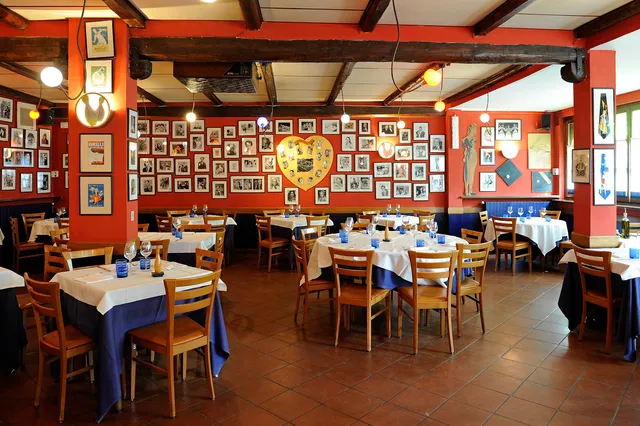
Birilli
4.3
(705)
Closed
Click for details
Nearby local services of Villa della Regina
Comme Toi - Via Villa della Regina 2
Spegis Cioccolato
Precollinear Park
FLASHBACK HABITAT. Ecosistema per le Culture Contemporanee
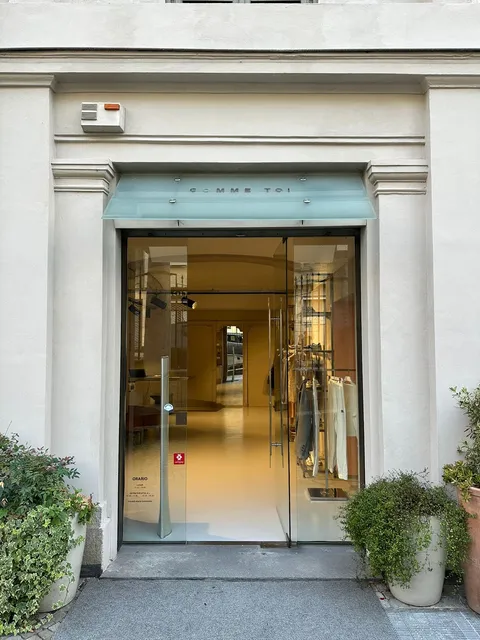
Comme Toi - Via Villa della Regina 2
4.8
(19)
Click for details
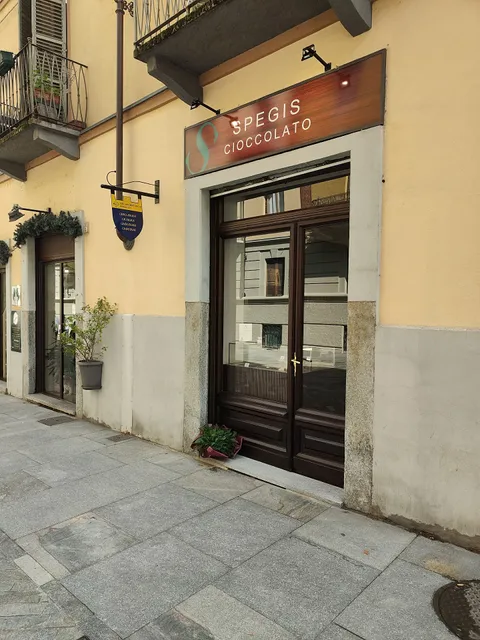
Spegis Cioccolato
4.9
(28)
Click for details
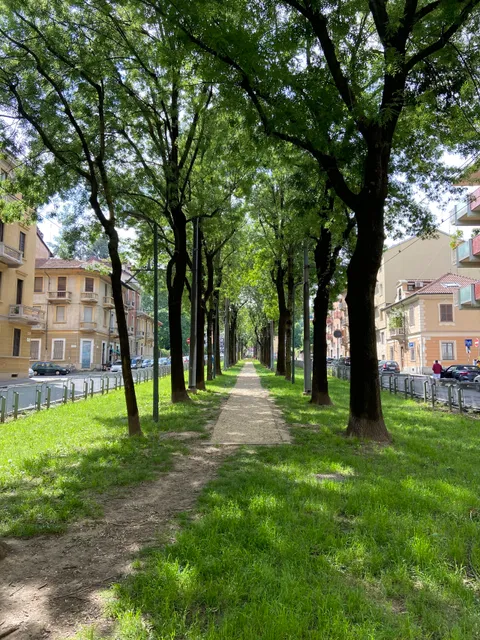
Precollinear Park
4.2
(53)
Click for details
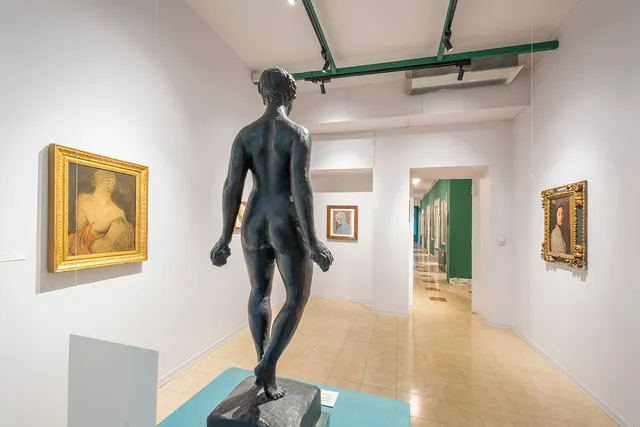
FLASHBACK HABITAT. Ecosistema per le Culture Contemporanee
4.6
(92)
Click for details