Chiesa di Santa Maria del Monte dei Cappuccini things to do, attractions, restaurants, events info and trip planning
Basic Info
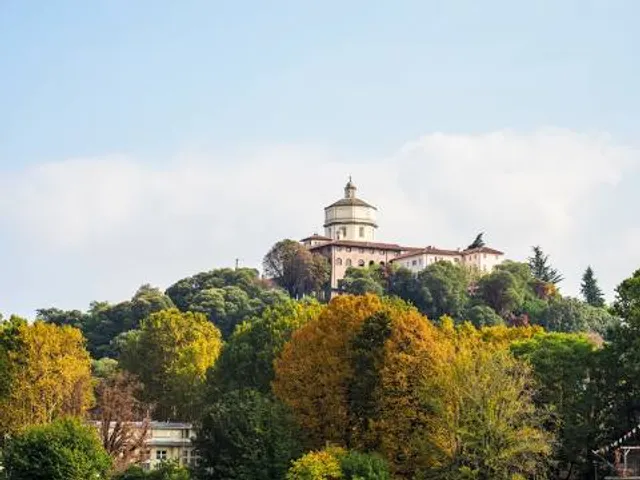
Chiesa di Santa Maria del Monte dei Cappuccini
Piazzale Monte dei Cappuccini, 3, 10131 Torino TO, Italy
4.7(2.7K)
Open until 7:00 PM
Save
spot
spot
Ratings & Description
Info
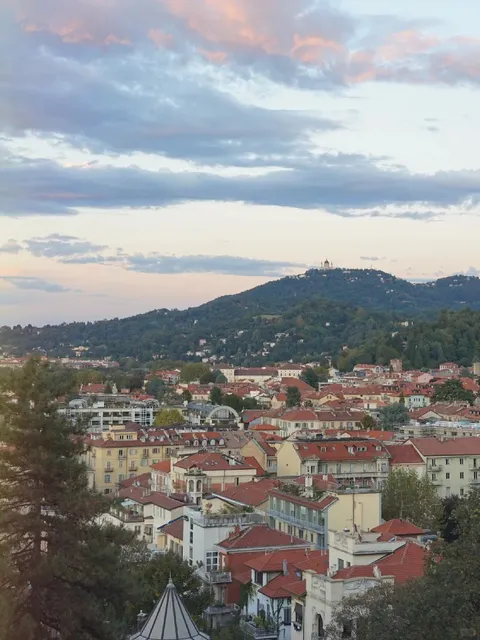
The Church of Santa Maria al Monte dei Cappuccini is a late-Renaissance-style church on a hill overlooking the River Po just south of the bridge of Piazza Vittorio Veneto in Turin, Italy. It was built for the Capuchin Order; construction began in 1583 and was completed in 1656.
Cultural
Family friendly
attractions: Museo Nazionale della Montagna "Duca degli Abruzzi" CAI - Torino, Chiesa Parrocchiale della Gran Madre di Dio, Italia Arte di Folco Guido - Museo MIIT, CAMERA - Centro Italiano per la Fotografia, Simondi, Villa della Regina, GALLERY LA ROCCA of GIANNETTI WHITE & C. sas, Fondazione Accorsi - Ometto - Museo di Arti Decorative, Ceramica Contemporanea Maria Luisa Tribolo - Ceramista, Casa Mollino, restaurants: Al Monte Dei Cappuccini, Gran Bar Turin, Esperia Ristorante, Solera Ristorante, PoDiCiotto, Barz8, Ammor e Core, Ristorante La Cantinella, Fradiavolo Pizzeria - Torino Gran Madre, ESCA Bistrot di Mare - Ristorante di pesce aTorino, local businesses: PazzEsco Events, Comme Toi - Via Villa della Regina 2, FLASHBACK HABITAT. Ecosistema per le Culture Contemporanee, Peyrano Torino dal 1915, vincent.tulipano fatto a mano, Peola Simondi, Spegis Cioccolato, Macelleria Pavese Enrico, Cinema Classico, Flying Tiger Copenhagen
 Learn more insights from Wanderboat AI.
Phone
+39 011 660 4414
Open hoursSee all hours
Mon7 AM - 7 PMOpen
Plan your stay

Pet-friendly Hotels in Turin
Find a cozy hotel nearby and make it a full experience.

Affordable Hotels in Turin
Find a cozy hotel nearby and make it a full experience.

The Coolest Hotels You Haven't Heard Of (Yet)
Find a cozy hotel nearby and make it a full experience.

Trending Stays Worth the Hype in Turin
Find a cozy hotel nearby and make it a full experience.
Reviews
Live events

Da Parigi per Kha e Merit
Sun, Feb 15 • 6:00 PM
6 Via Accademia delle Scienze 10123 Torino
View details
Candlelight: Ennio Morricone e altre colonne sonore di film
Fri, Feb 13 • 6:00 PM
Via Antonio Bertola, 40, Torino, 10122
View details

Inside Monet
Sat, Feb 14 • 9:45 AM
Viale Pier Andrea Mattioli, 25, Torino, 10125
View details
Nearby attractions of Chiesa di Santa Maria del Monte dei Cappuccini
Museo Nazionale della Montagna "Duca degli Abruzzi" CAI - Torino
Chiesa Parrocchiale della Gran Madre di Dio
Italia Arte di Folco Guido - Museo MIIT
CAMERA - Centro Italiano per la Fotografia
Simondi
Villa della Regina
GALLERY LA ROCCA of GIANNETTI WHITE & C. sas
Fondazione Accorsi - Ometto - Museo di Arti Decorative
Ceramica Contemporanea Maria Luisa Tribolo - Ceramista
Casa Mollino
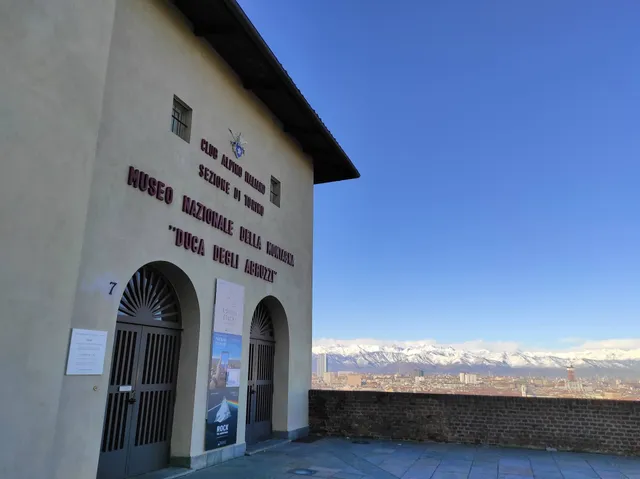
Museo Nazionale della Montagna "Duca degli Abruzzi" CAI - Torino
4.3
(384)
Open until 12:00 AM
Click for details
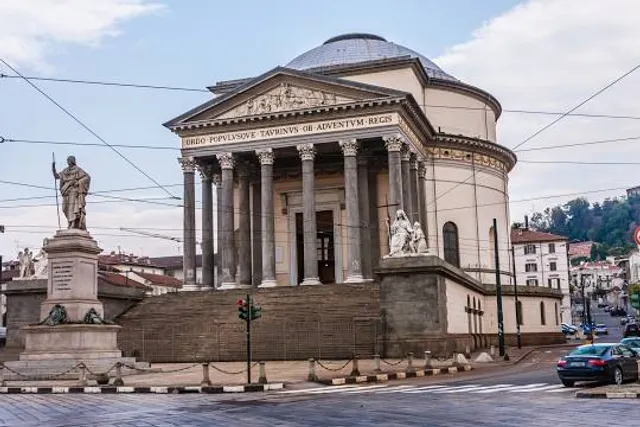
Chiesa Parrocchiale della Gran Madre di Dio
4.6
(3.2K)
Open until 7:00 PM
Click for details
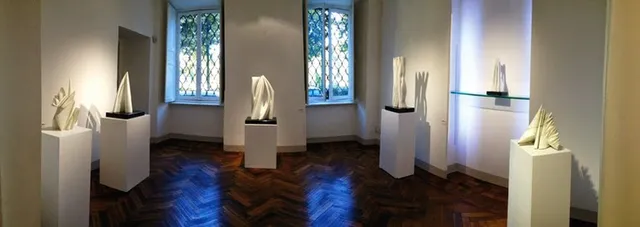
Italia Arte di Folco Guido - Museo MIIT
4.8
(33)
Open until 12:00 AM
Click for details

CAMERA - Centro Italiano per la Fotografia
4.6
(1.6K)
Open until 7:00 PM
Click for details
Nearby restaurants of Chiesa di Santa Maria del Monte dei Cappuccini
Al Monte Dei Cappuccini
Gran Bar Turin
Esperia Ristorante
Solera Ristorante
PoDiCiotto
Barz8
Ammor e Core
Ristorante La Cantinella
Fradiavolo Pizzeria - Torino Gran Madre
ESCA Bistrot di Mare - Ristorante di pesce aTorino
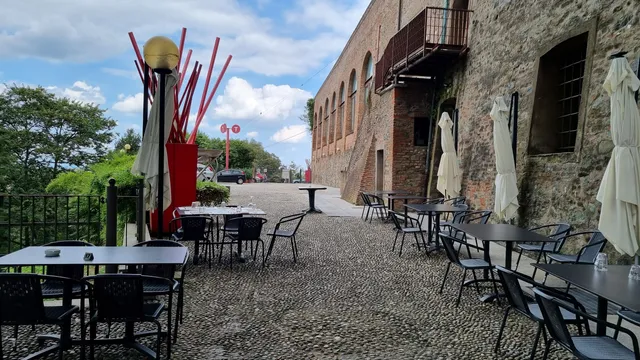
Al Monte Dei Cappuccini
4.4
(1.1K)
Open until 12:00 AM
Click for details
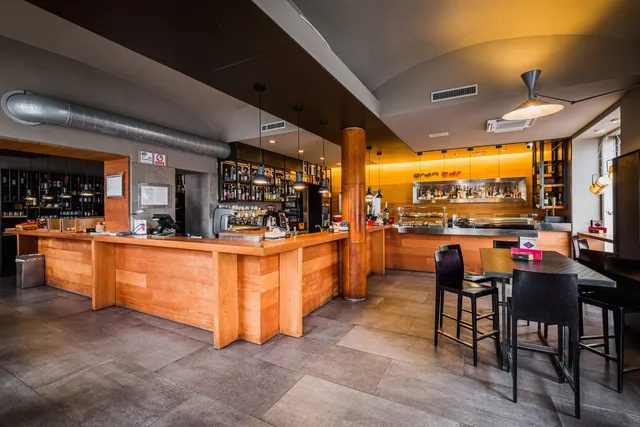
Gran Bar Turin
4.1
(1.5K)
Open until 2:00 AM
Click for details
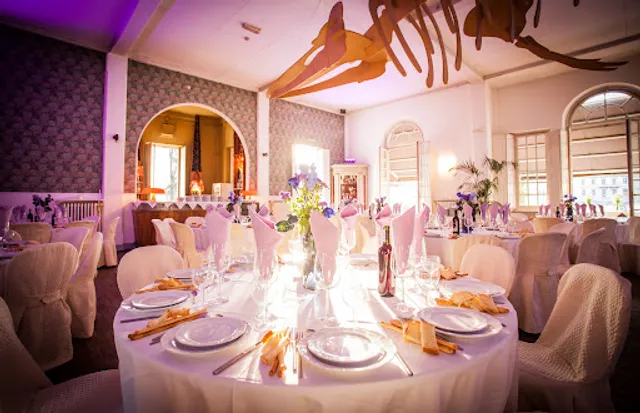
Esperia Ristorante
4.3
(483)
Open until 3:30 PM
Click for details
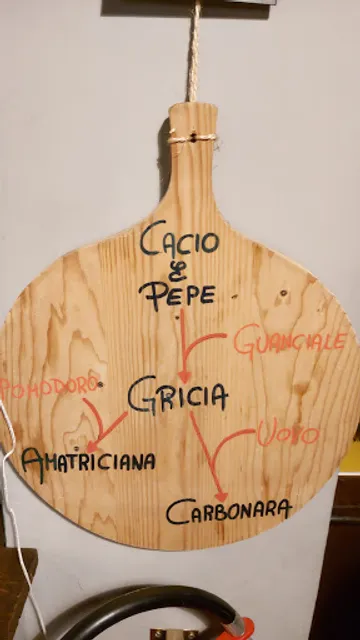
Solera Ristorante
4.6
(267)
Open until 7:00 PM
Click for details
Nearby local services of Chiesa di Santa Maria del Monte dei Cappuccini
PazzEsco Events
Comme Toi - Via Villa della Regina 2
FLASHBACK HABITAT. Ecosistema per le Culture Contemporanee
Peyrano Torino dal 1915
vincent.tulipano fatto a mano
Peola Simondi
Spegis Cioccolato
Macelleria Pavese Enrico
Cinema Classico
Flying Tiger Copenhagen
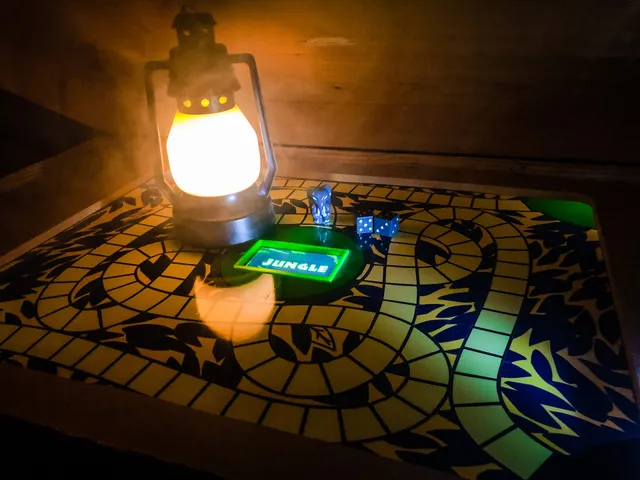
PazzEsco Events
5.0
(15)
Click for details
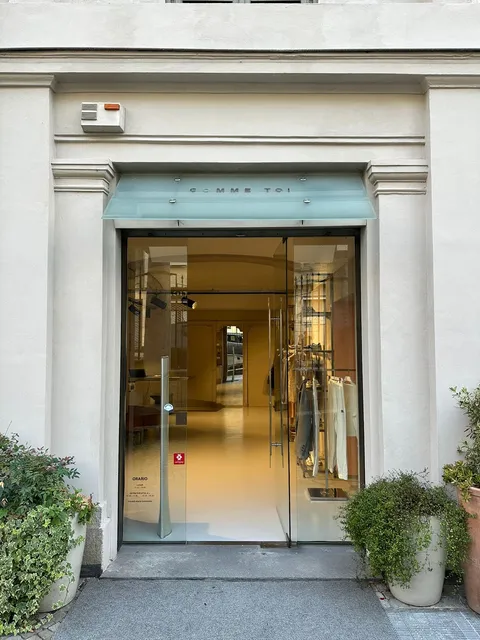
Comme Toi - Via Villa della Regina 2
4.8
(19)
Click for details
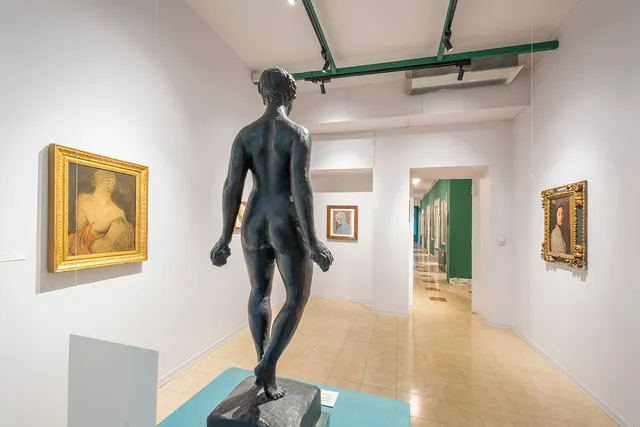
FLASHBACK HABITAT. Ecosistema per le Culture Contemporanee
4.6
(92)
Click for details
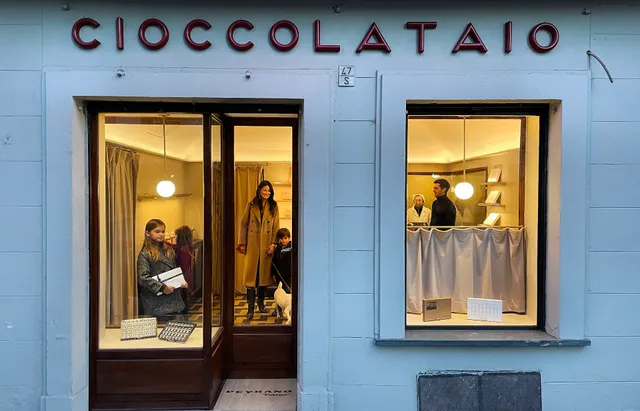
Peyrano Torino dal 1915
4.4
(127)
Click for details