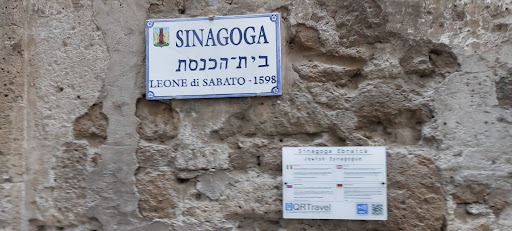
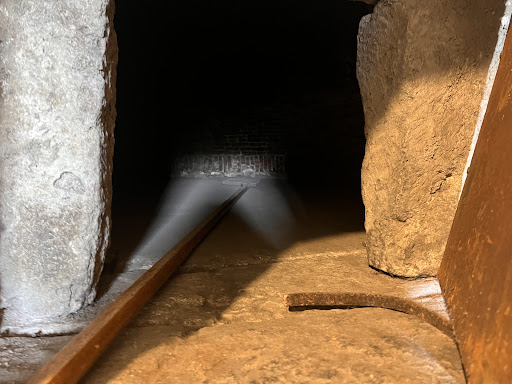
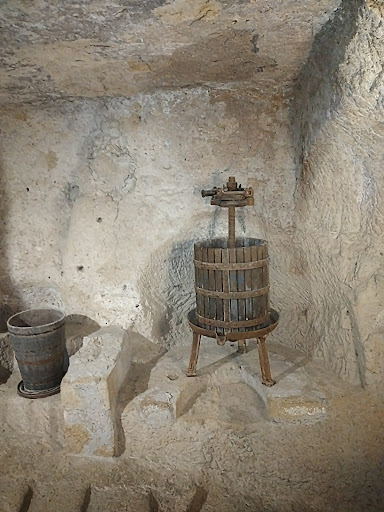
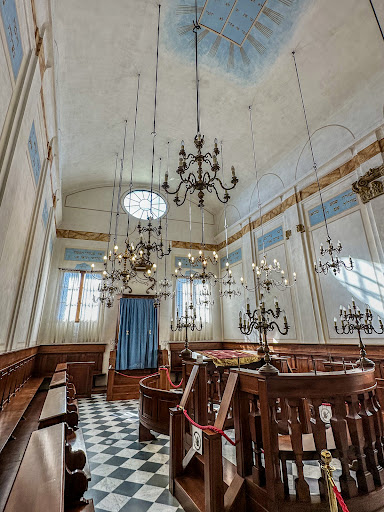
La Piccola Gerusalemme, Ghetto Ebraico things to do, attractions, restaurants, events info and trip planning
Basic Info
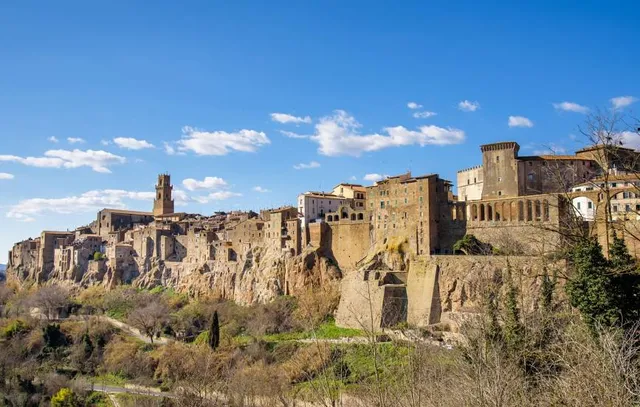
La Piccola Gerusalemme, Ghetto Ebraico
Vicolo Manin, 58017 Pitigliano GR, Italy
4.6(133)
Closed

tickets
Save
spot
spot
Ratings & Description
Info
Cultural
Scenic
Family friendly
Accessibility
attractions: Pitigliano Centro Storico, Fontana delle Sette Cannelle, Museum of Palazzo Orsini, Rasarit, Museo Archeologico Alberto Manzi, restaurants: Locanda del Pozzo Antico, Hostaria del Ceccottino, Trattoria La Chiave del Paradiso, Trattoria La Pappalpomodoro di Foschetti Anna Lisa, Il Caveau Restaurant, IL TUFO ALLEGRO di Pichini Domenico, Delizie di Ale & Helga, La Corte del Ceccottino, La Rocca Restaurant, Dalla Pepita, local businesses: Pitigliano Cathedral, Iglesia de Santa María y San Roque, Via cava di San Giuseppe
 Learn more insights from Wanderboat AI.
Phone
+39 0564 614230
Website
museidimaremma.it
Open hoursSee all hours
Tue10 AM - 12:30 PM, 2:30 - 4:30 PMClosed
Plan your stay

Pet-friendly Hotels in Unione di Comuni Montani Colline del Fiora
Find a cozy hotel nearby and make it a full experience.

Affordable Hotels in Unione di Comuni Montani Colline del Fiora
Find a cozy hotel nearby and make it a full experience.

The Coolest Hotels You Haven't Heard Of (Yet)
Find a cozy hotel nearby and make it a full experience.

Trending Stays Worth the Hype in Unione di Comuni Montani Colline del Fiora
Find a cozy hotel nearby and make it a full experience.
Reviews
Live events
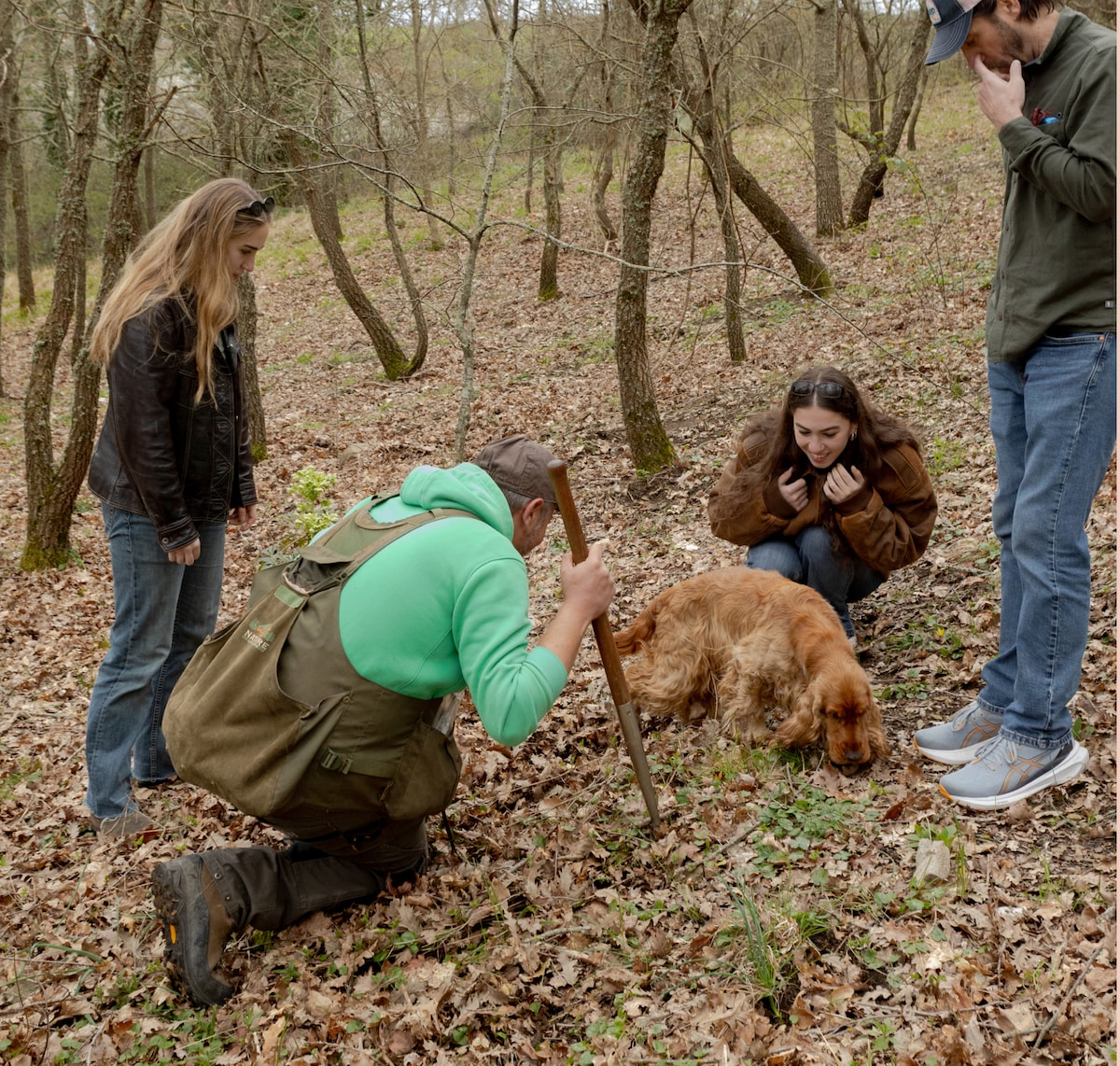
Discovering truffles in the Tuscany countryside
Tue, Jan 27 • 10:00 AM
58010, Sorano, Toscana, Italy
View details

Wandelen in the Sacred Forest, Bomarzo
Thu, Jan 29 • 9:00 AM
01023, Bolsena, Lazio, Italy
View details
Nearby attractions of La Piccola Gerusalemme, Ghetto Ebraico
Pitigliano Centro Storico
Fontana delle Sette Cannelle
Museum of Palazzo Orsini
Rasarit
Museo Archeologico Alberto Manzi
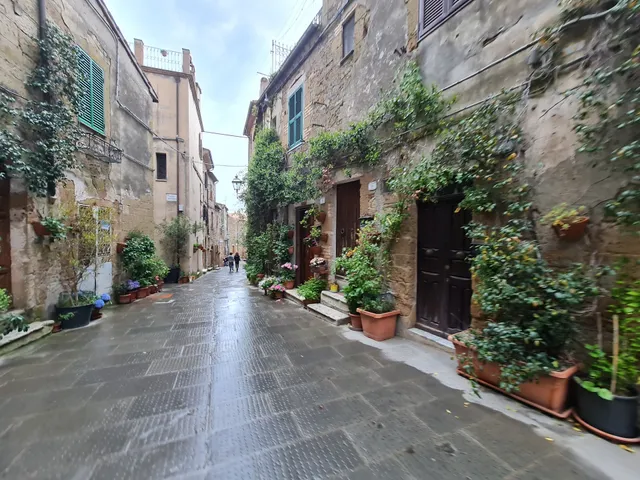
Pitigliano Centro Storico
4.8
(963)
Open until 12:00 AM
Click for details
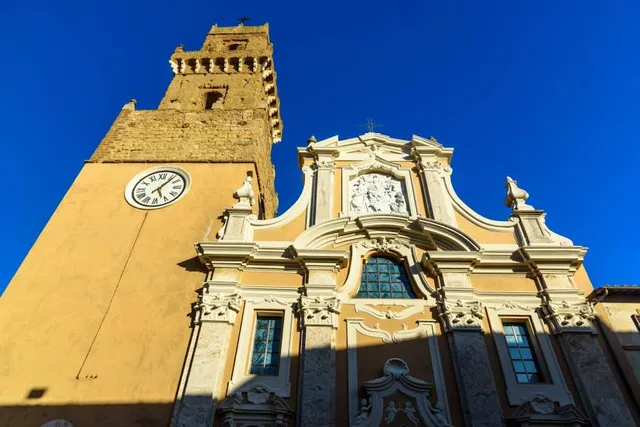
Fontana delle Sette Cannelle
4.5
(384)
Open until 12:00 AM
Click for details
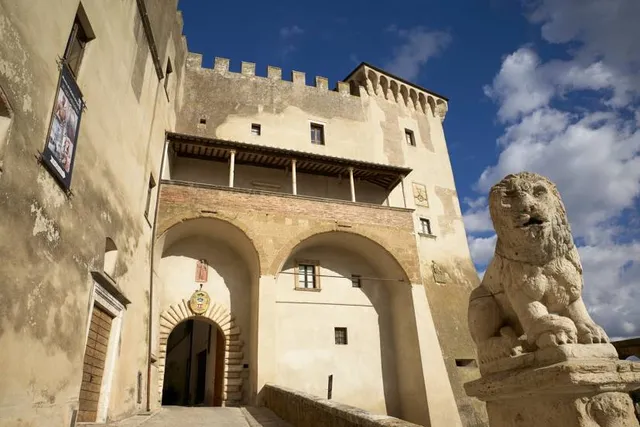
Museum of Palazzo Orsini
4.1
(160)
Open until 12:00 AM
Click for details
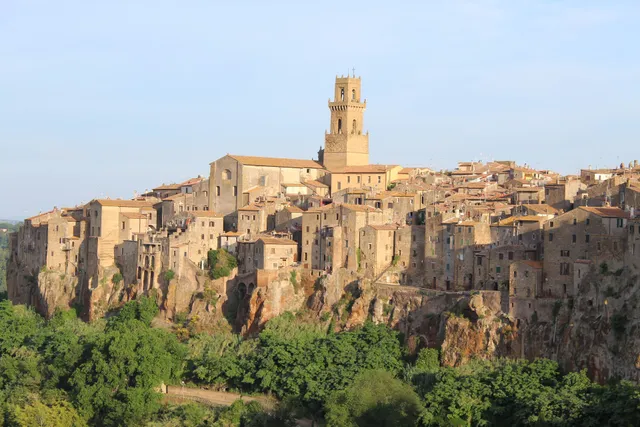
Rasarit
5.0
(11)
Open 24 hours
Click for details
Nearby restaurants of La Piccola Gerusalemme, Ghetto Ebraico
Locanda del Pozzo Antico
Hostaria del Ceccottino
Trattoria La Chiave del Paradiso
Trattoria La Pappalpomodoro di Foschetti Anna Lisa
Il Caveau Restaurant
IL TUFO ALLEGRO di Pichini Domenico
Delizie di Ale & Helga
La Corte del Ceccottino
La Rocca Restaurant
Dalla Pepita
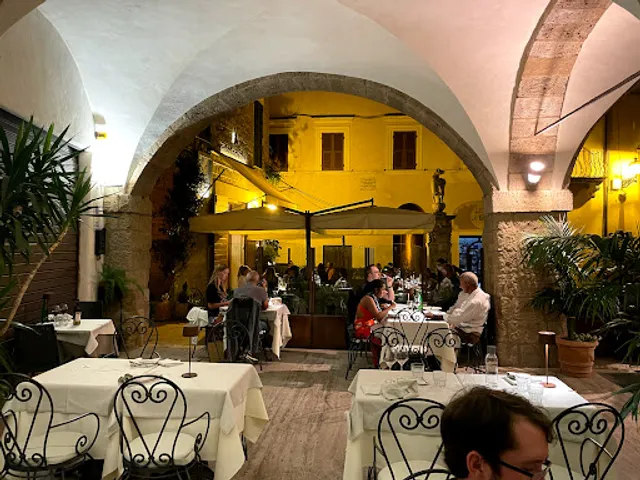
Locanda del Pozzo Antico
4.4
(577)
Closed
Click for details
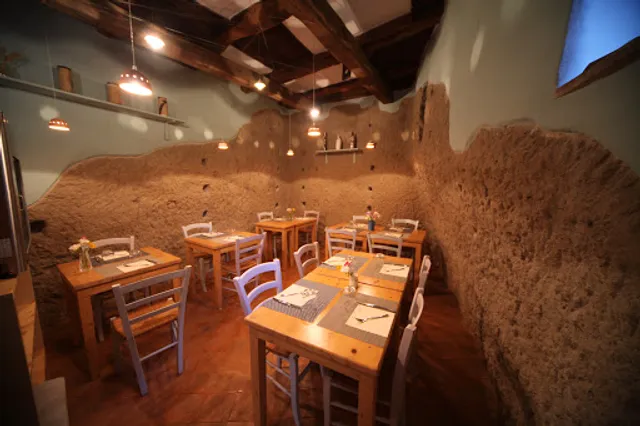
Hostaria del Ceccottino
4.4
(361)
$$
Closed
Click for details
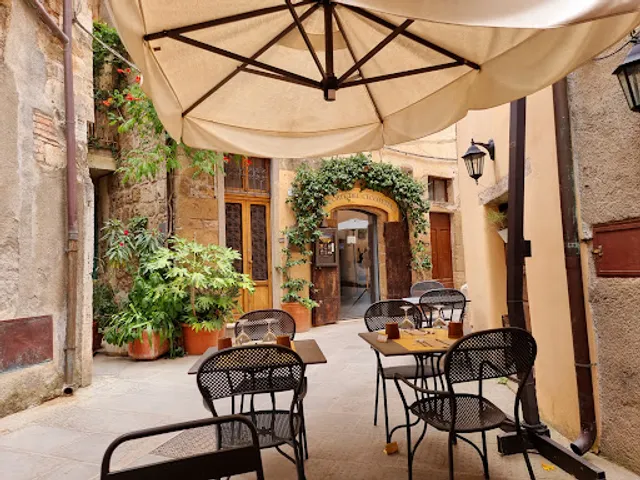
Trattoria La Chiave del Paradiso
4.5
(322)
Closed
Click for details
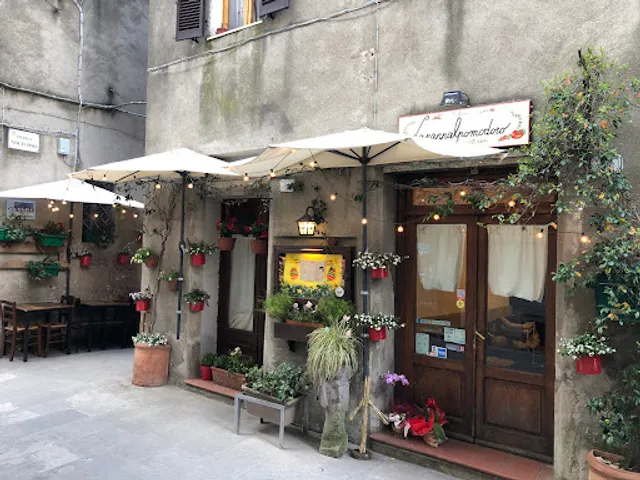
Trattoria La Pappalpomodoro di Foschetti Anna Lisa
4.3
(525)
Closed
Click for details
Nearby local services of La Piccola Gerusalemme, Ghetto Ebraico
Pitigliano Cathedral
Iglesia de Santa María y San Roque
Via cava di San Giuseppe
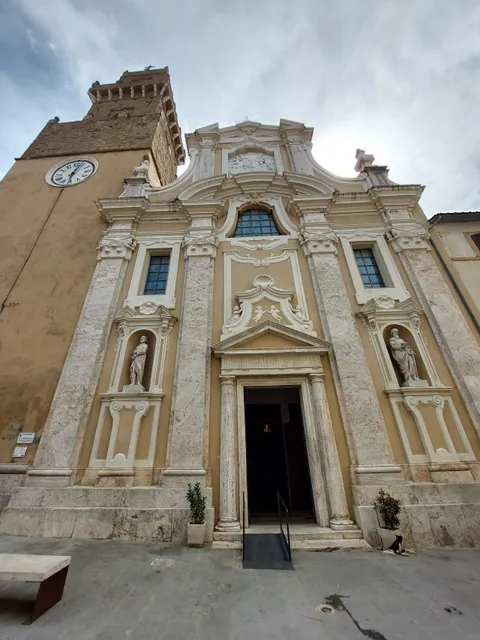
Pitigliano Cathedral
4.4
(53)
Click for details
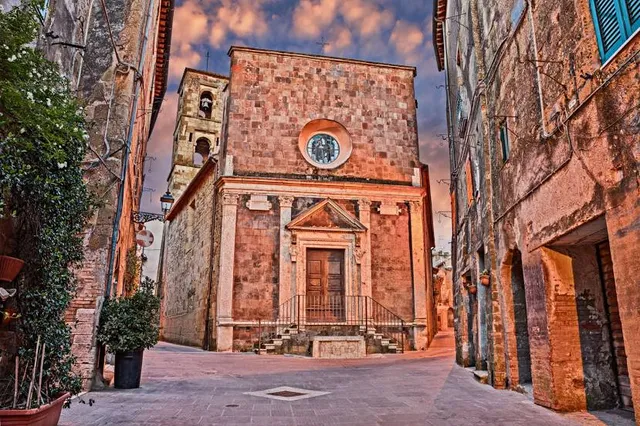
Iglesia de Santa María y San Roque
4.6
(60)
Click for details
Via cava di San Giuseppe
4.7
(86)
Click for details