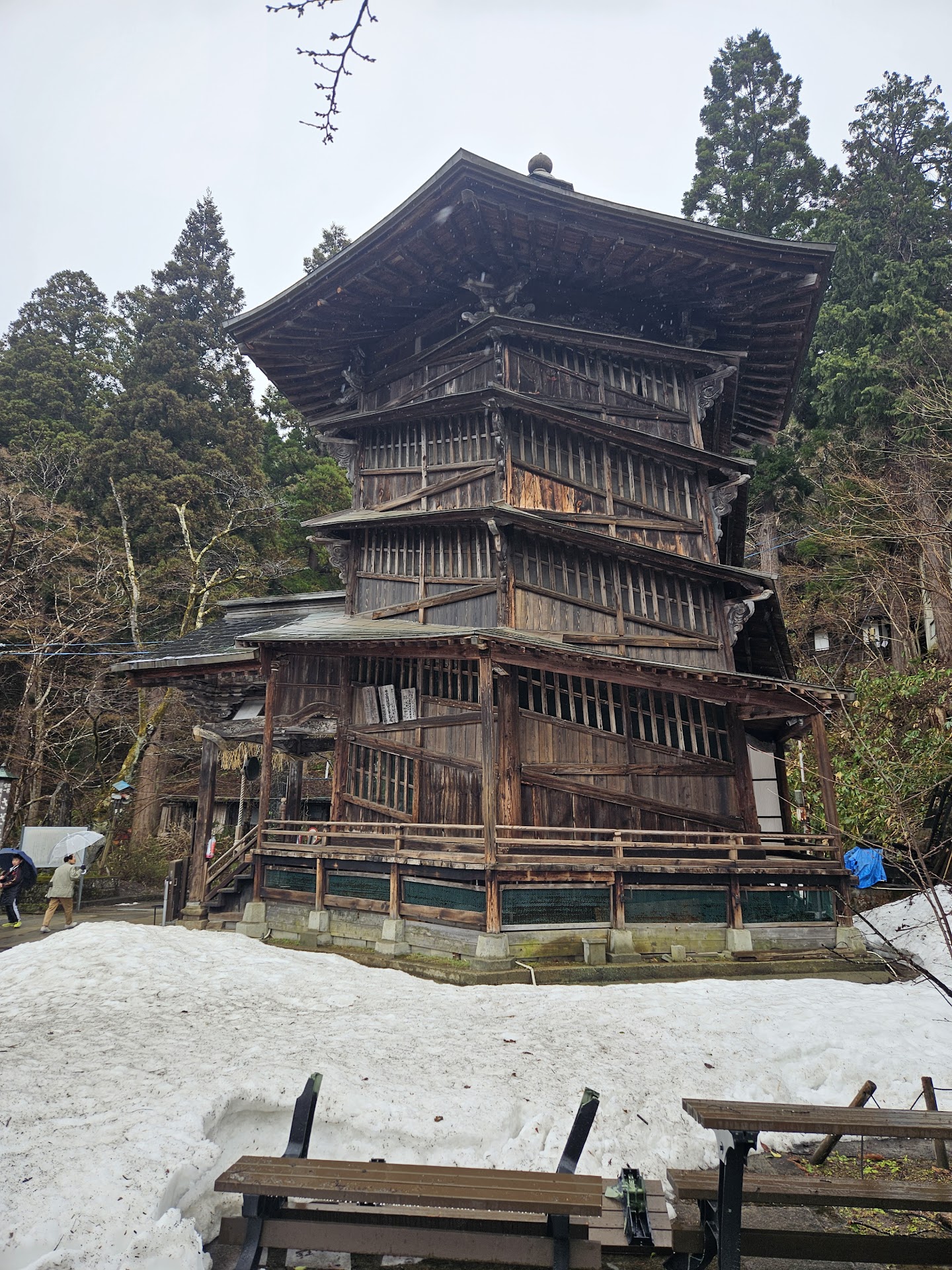
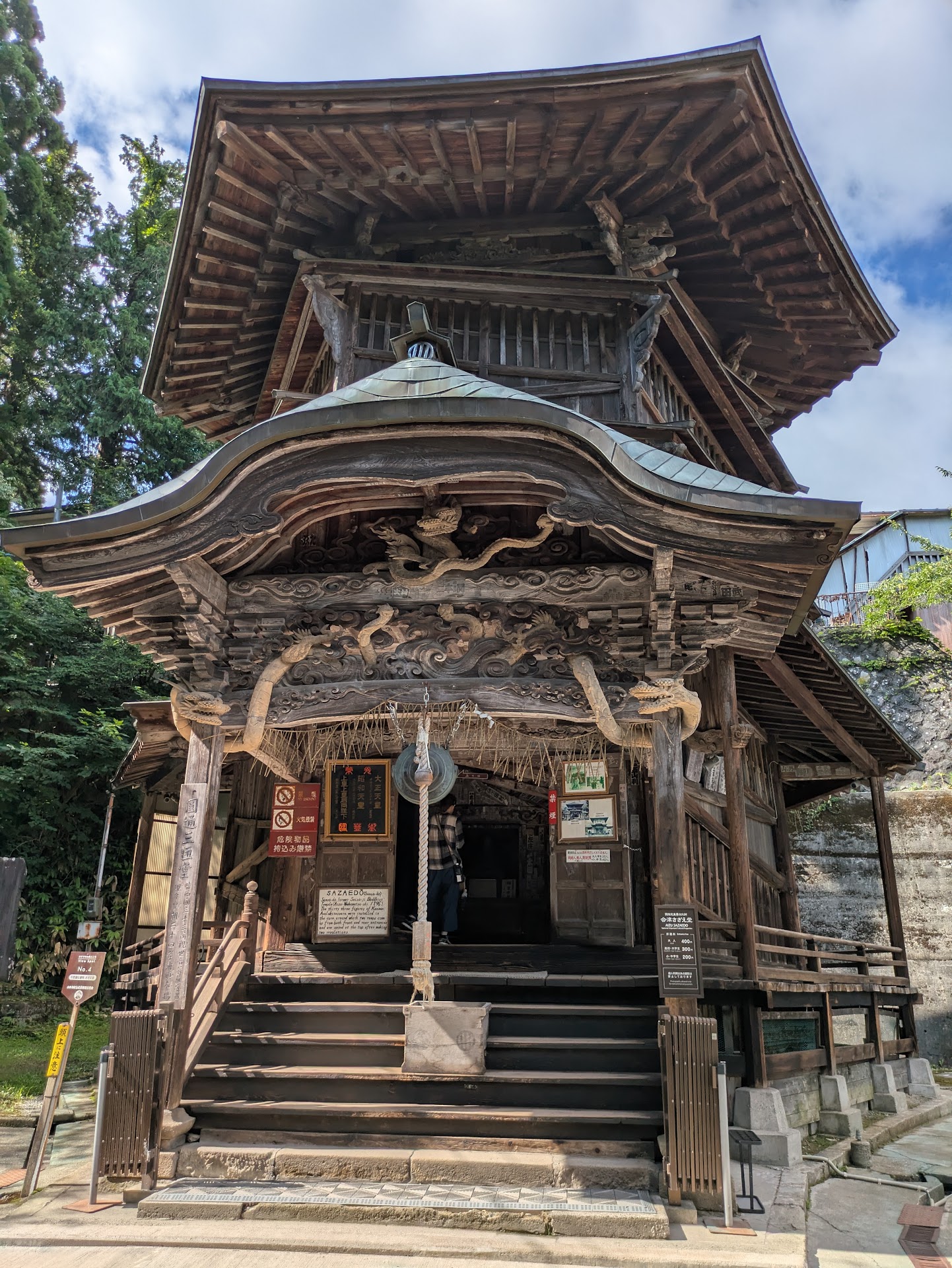
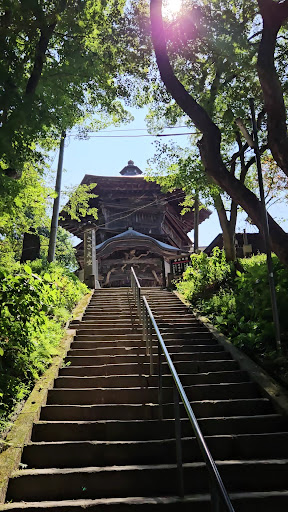
Sazae Temple things to do, attractions, restaurants, events info and trip planning
Basic Info
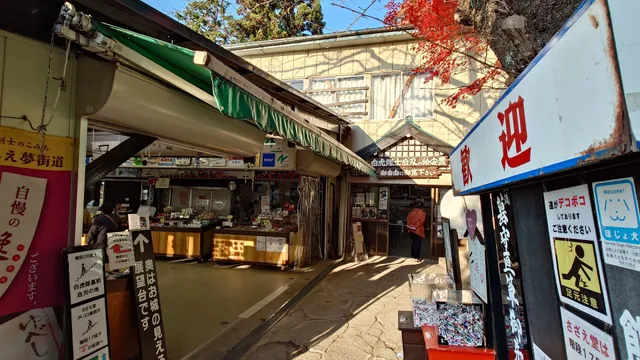
Sazae Temple
Bentenshita-1404 Itsukimachi Oaza Yahata, Aizuwakamatsu, Fukushima 965-0003, Japan
4.2(2.9K)
Open until 4:00 PM

tickets
Save
spot
spot
Ratings & Description
Info
Cultural
Outdoor
Family friendly
attractions: Byakkotai Museum, Iimoriyama Ugajindo, Site of the Byakkotai "White Tiger Force" Suicide, Itsukushima Shrine, Monument Donated by the City of Rome, Former Takizawa Honjin, Aizu-Wakamatsu City Tourism Bureau - Iimoriyama Information Center, Ishibe Cherry Blossom (Ishibe House Ruins), Akabeko Crafter Bansho, Takizawa Myokokuji Temple, restaurants: 1/3cafe(会津飯盛山), Ushiwakamaru, 飯盛山観光センターイガラシ, お休み処 伝承茶屋, Potager, Doutor, Rindon, Ninomiya Restaurant, 吉田ベーカリー 飯盛店, シャトレーゼ 会津飯盛店, local businesses: Graves of the 19 Byakkotai "White Tiger Force" Soldiers, Place of Byakkotai "White Tiger Force" Harakiri, Itsukushima Shrine, 飯盛山 ビックマウス店, Akabeko Land, Iimori Hill, 山主飯盛本店(奥州会津飯盛山正宗寺継跡), Koizumi Koboshi, Tonokuchiseki Suijin Shrine, Byakkotai Legendary Museum
 Learn more insights from Wanderboat AI.
Phone
+81 242-22-3163
Website
sazaedo.jp
Open hoursSee all hours
Wed9 AM - 4 PMOpen
Plan your stay

Pet-friendly Hotels in Aizuwakamatsu
Find a cozy hotel nearby and make it a full experience.

Affordable Hotels in Aizuwakamatsu
Find a cozy hotel nearby and make it a full experience.

The Coolest Hotels You Haven't Heard Of (Yet)
Find a cozy hotel nearby and make it a full experience.

Trending Stays Worth the Hype in Aizuwakamatsu
Find a cozy hotel nearby and make it a full experience.
Reviews
Live events
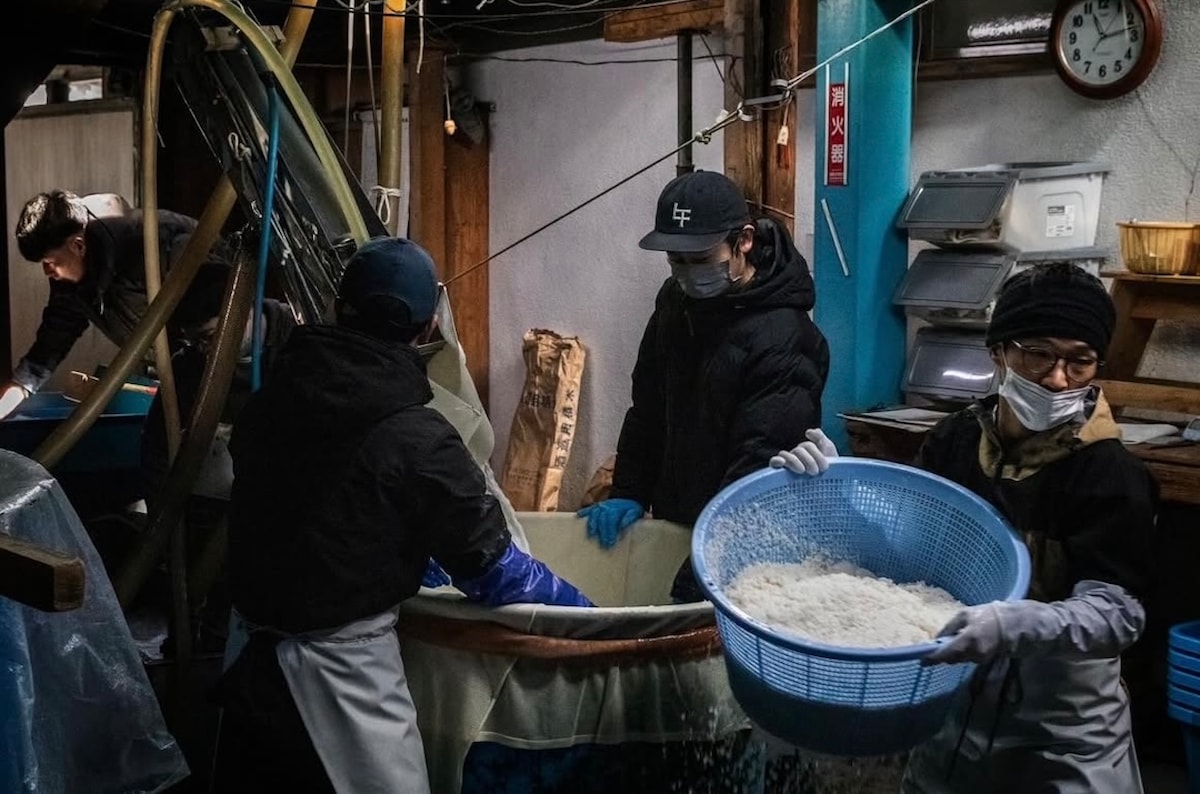
Experience at Toyokuni Sake Brewery Sake tasting & brewery tour
Thu, Feb 26 • 9:00 AM
969-6536, Fukushima, Aizubange, Kawanuma District, Japan
View details
Nearby attractions of Sazae Temple
Byakkotai Museum
Iimoriyama Ugajindo
Site of the Byakkotai "White Tiger Force" Suicide
Itsukushima Shrine
Monument Donated by the City of Rome
Former Takizawa Honjin
Aizu-Wakamatsu City Tourism Bureau - Iimoriyama Information Center
Ishibe Cherry Blossom (Ishibe House Ruins)
Akabeko Crafter Bansho
Takizawa Myokokuji Temple
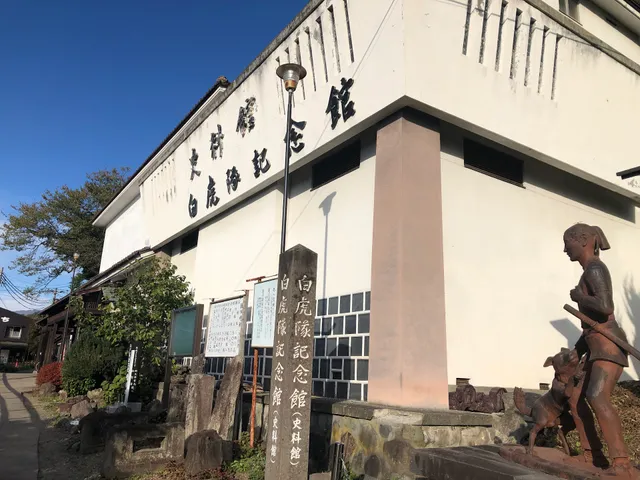
Byakkotai Museum
3.9
(198)
Open until 12:00 AM
Click for details
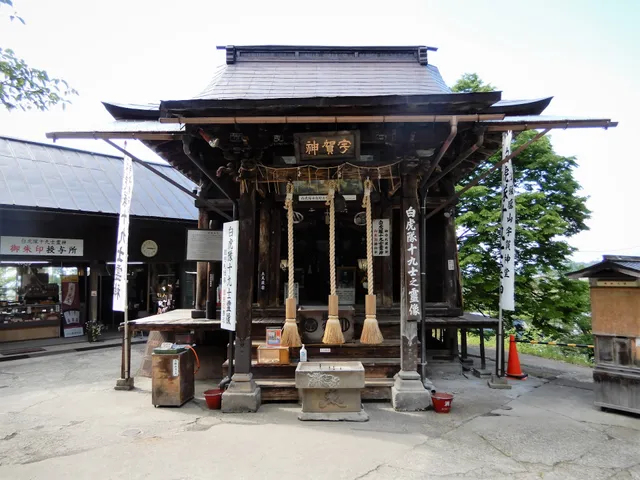
Iimoriyama Ugajindo
4.0
(49)
Open until 4:00 PM
Click for details
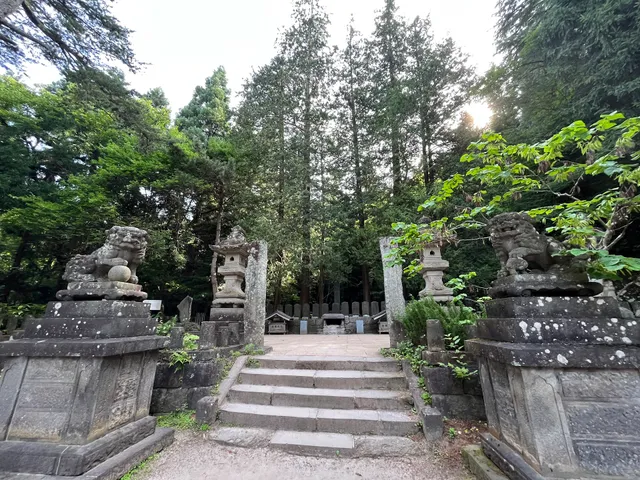
Site of the Byakkotai "White Tiger Force" Suicide
4.2
(241)
Open 24 hours
Click for details
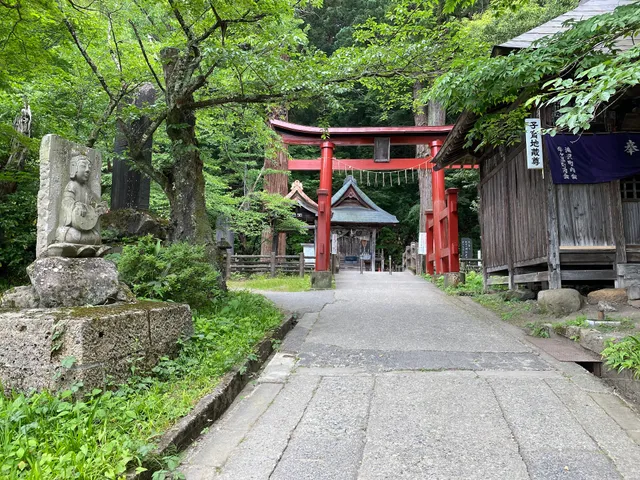
Itsukushima Shrine
4.0
(56)
Open until 4:00 PM
Click for details
Nearby restaurants of Sazae Temple
1/3cafe(会津飯盛山)
Ushiwakamaru
飯盛山観光センターイガラシ
お休み処 伝承茶屋
Potager
Doutor
Rindon
Ninomiya Restaurant
吉田ベーカリー 飯盛店
シャトレーゼ 会津飯盛店
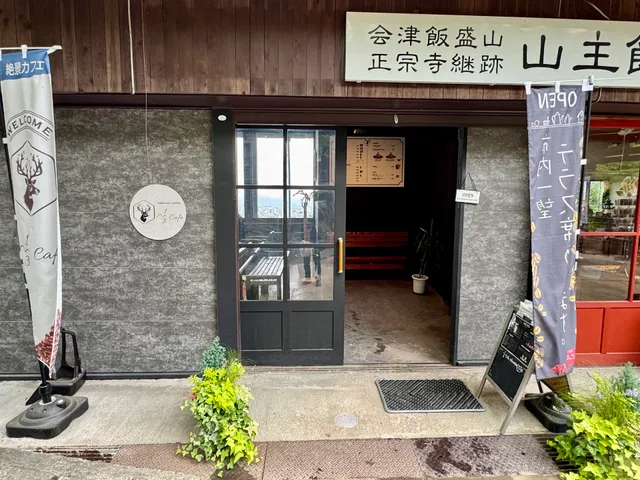
1/3cafe(会津飯盛山)
3.6
(31)
$
Open until 5:00 PM
Click for details
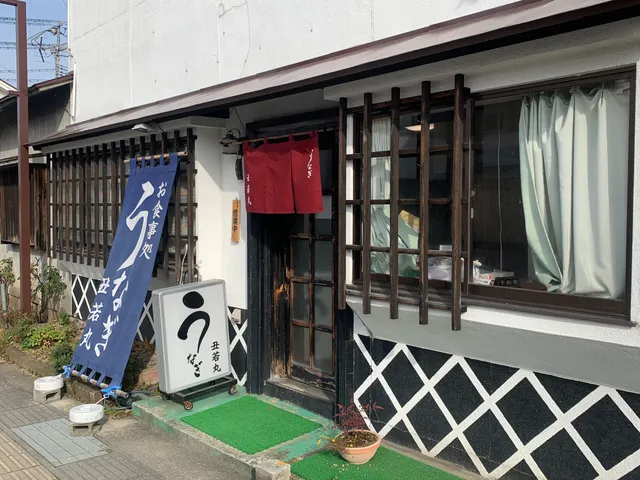
Ushiwakamaru
4.3
(126)
Open until 12:00 AM
Click for details
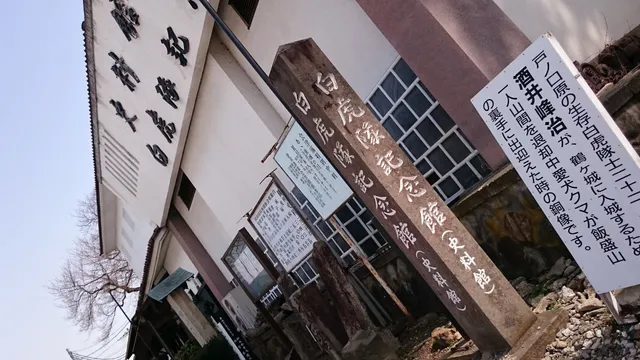
飯盛山観光センターイガラシ
3.5
(25)
Click for details
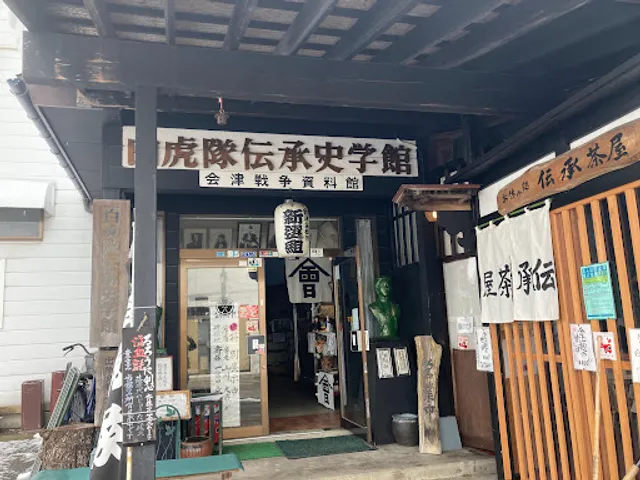
お休み処 伝承茶屋
2.5
(2)
Click for details
Nearby local services of Sazae Temple
Graves of the 19 Byakkotai "White Tiger Force" Soldiers
Place of Byakkotai "White Tiger Force" Harakiri
Itsukushima Shrine
飯盛山 ビックマウス店
Akabeko Land
Iimori Hill
山主飯盛本店(奥州会津飯盛山正宗寺継跡)
Koizumi Koboshi
Tonokuchiseki Suijin Shrine
Byakkotai Legendary Museum
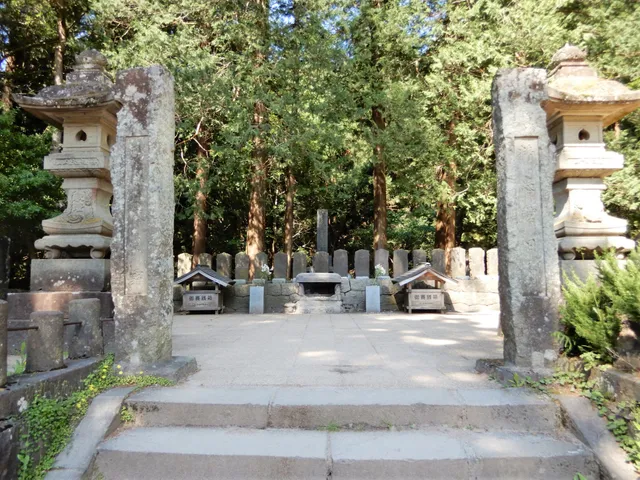
Graves of the 19 Byakkotai "White Tiger Force" Soldiers
4.1
(89)
Click for details
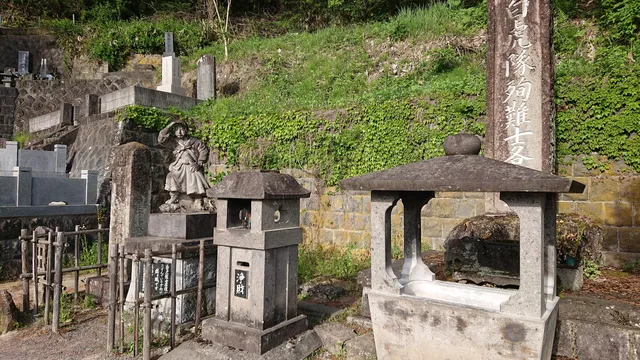
Place of Byakkotai "White Tiger Force" Harakiri
4.2
(164)
Click for details
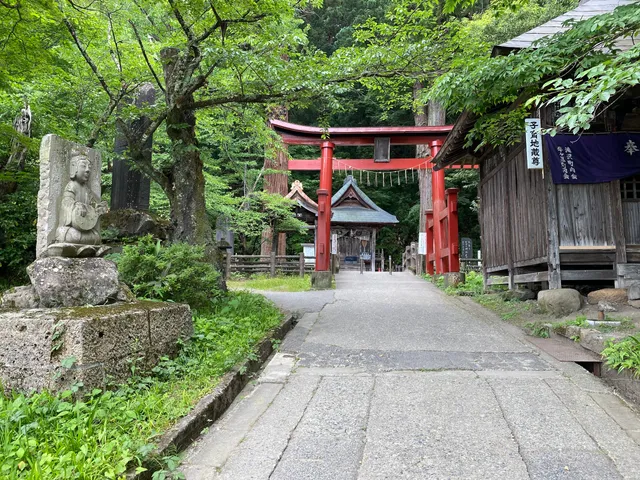
Itsukushima Shrine
3.9
(44)
Click for details
飯盛山 ビックマウス店
2.8
(44)
Click for details