Akita Castle Ruins things to do, attractions, restaurants, events info and trip planning

Basic Info
Akita Castle Ruins
5 Terauchiohata, Akita, 011-0939, Japan
3.9(261)
Open until 12:00 AM
Save
spot
spot
Ratings & Description
Info
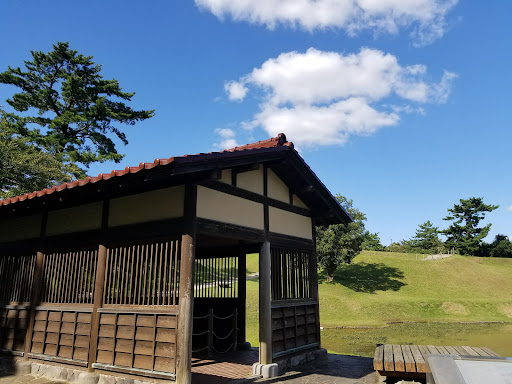
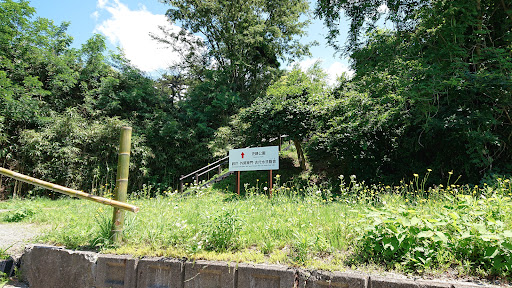
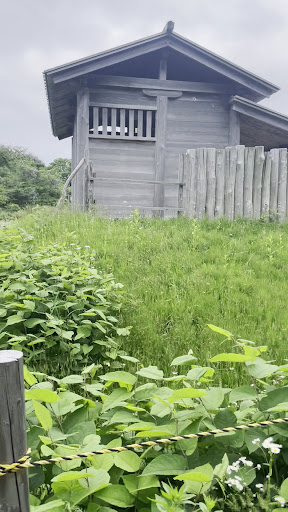
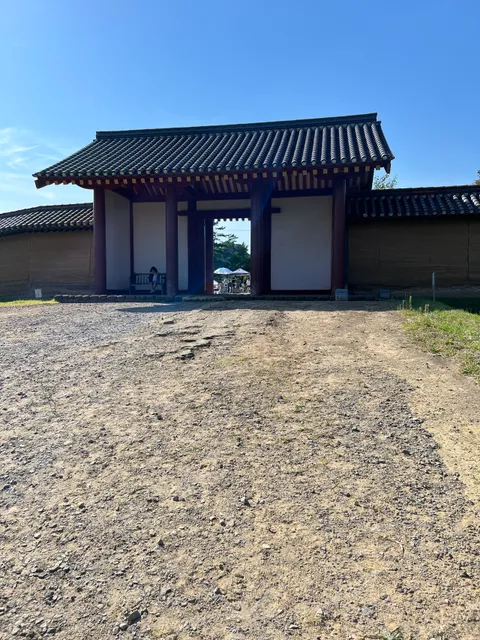
Akita Castle refers to the ruins of a Nara period fortified settlement located in what is now the city Akita, Akita Prefecture, Japan. It is also sometimes referred to as “Fort Akita”.
Cultural
Outdoor
Scenic
Family friendly
attractions: Akita Prefecture Gokoku Shrine, Takashimizu Park, restaurants: ボンボンの森, Ramen Akita Hinaiken, Ramen Shop Aji-Q, Yamaokaya Akita Terauchi, Kappa Sushi, 中華美食 小金龍, 元祖ラーメンショップ 寺内店, 木蓮, ロッテリア 7号秋田土崎, local businesses: Akita City History Museum of Akita Fort Ruins, Koshio Shrine
 Learn more insights from Wanderboat AI.
Phone
+81 18-845-1837
Website
city.akita.lg.jp
Open hoursSee all hours
TueOpen 24 hoursOpen
Plan your stay

Pet-friendly Hotels in Akita
Find a cozy hotel nearby and make it a full experience.

Affordable Hotels in Akita
Find a cozy hotel nearby and make it a full experience.

The Coolest Hotels You Haven't Heard Of (Yet)
Find a cozy hotel nearby and make it a full experience.

Trending Stays Worth the Hype in Akita
Find a cozy hotel nearby and make it a full experience.
Reviews
Nearby attractions of Akita Castle Ruins
Akita Prefecture Gokoku Shrine
Takashimizu Park
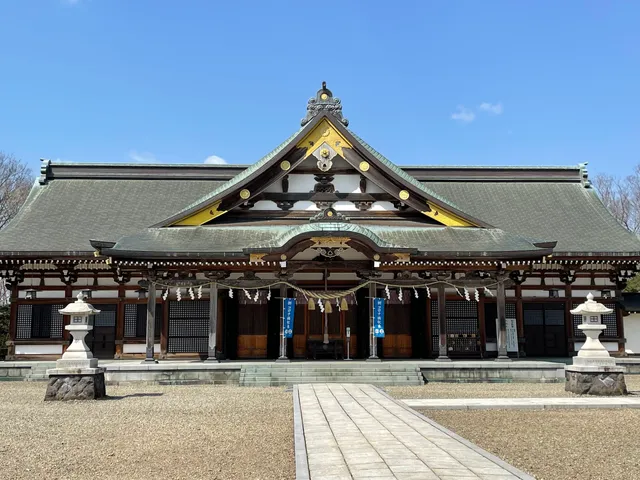
Akita Prefecture Gokoku Shrine
4.2
(131)
Open until 5:00 PM
Click for details
Takashimizu Park
3.8
(246)
Open 24 hours
Click for details
Nearby restaurants of Akita Castle Ruins
ボンボンの森
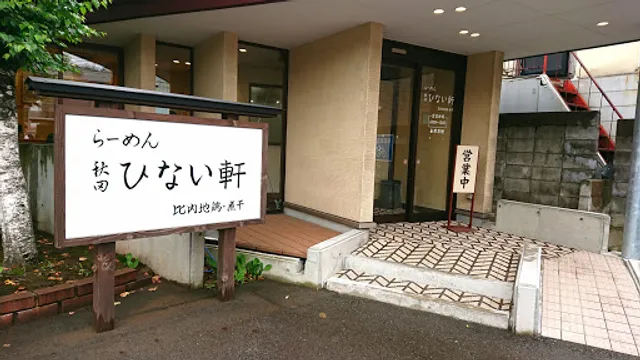
Ramen Akita Hinaiken
Ramen Shop Aji-Q
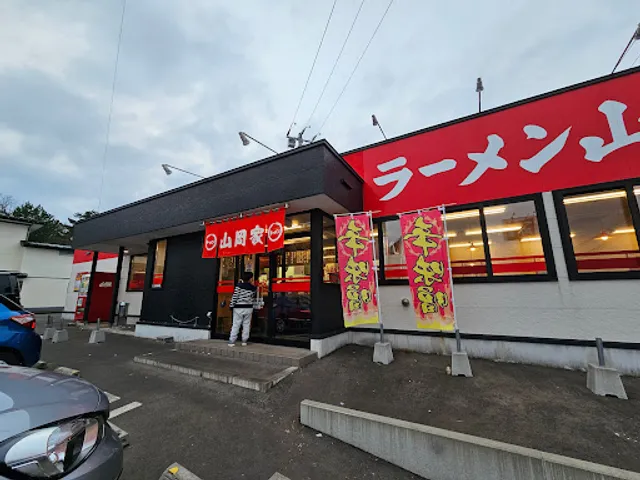
Yamaokaya Akita Terauchi
Kappa Sushi
中華美食 小金龍
元祖ラーメンショップ 寺内店
木蓮
ロッテリア 7号秋田土崎

ボンボンの森
4.2
(26)
Open until 9:00 PM
Click for details
Ramen Akita Hinaiken
4.1
(527)
Open until 3:00 PM
Click for details

Ramen Shop Aji-Q
4.1
(255)
Open until 3:00 PM
Click for details
Yamaokaya Akita Terauchi
3.8
(408)
Open until 12:00 AM
Click for details
Nearby local services of Akita Castle Ruins
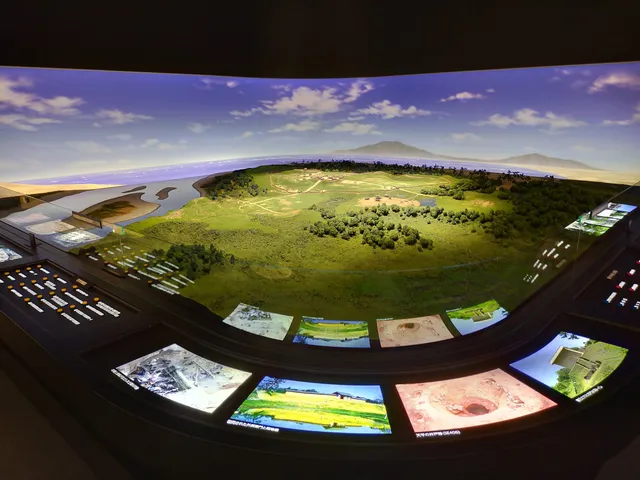
Akita City History Museum of Akita Fort Ruins
Koshio Shrine
Akita City History Museum of Akita Fort Ruins
3.9
(97)
Click for details
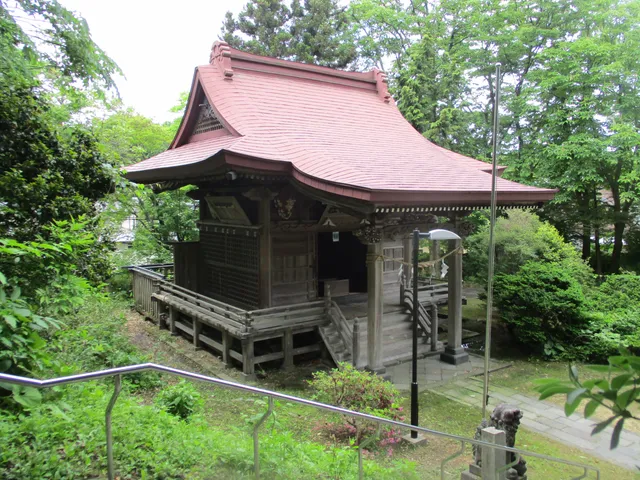
Koshio Shrine
4.2
(19)
Click for details