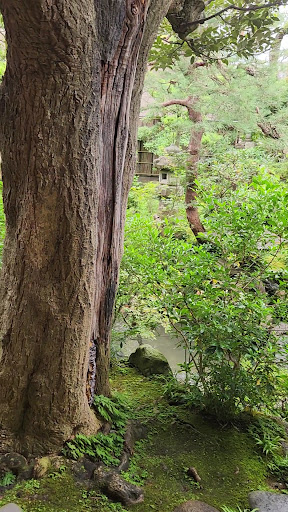
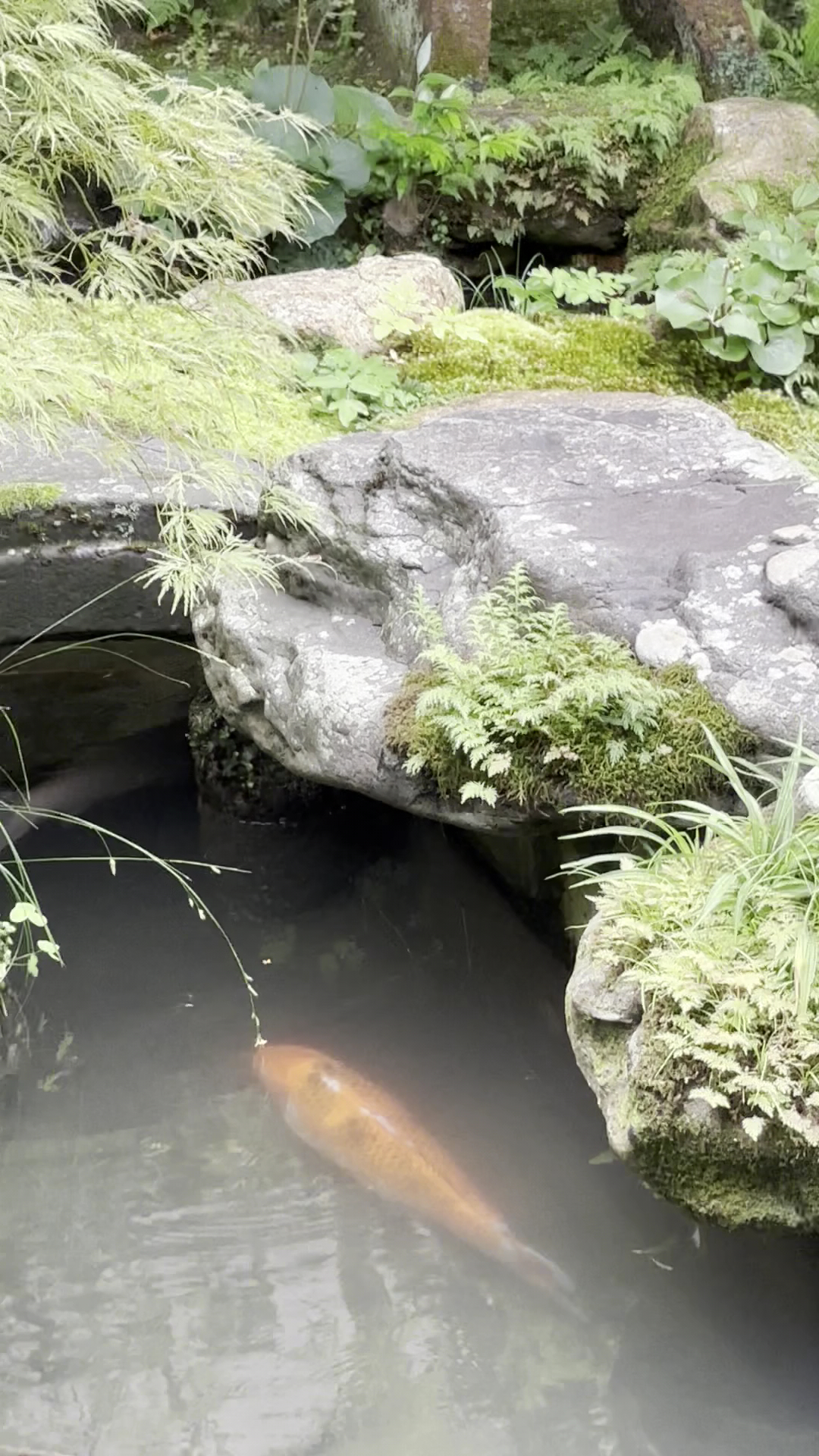
Nomura-ke Samurai Residence things to do, attractions, restaurants, events info and trip planning
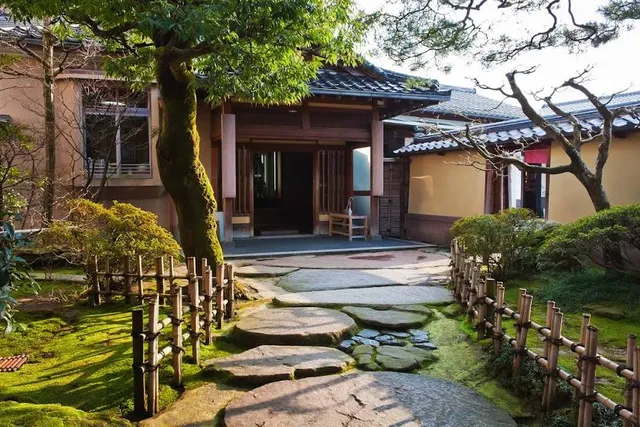
Basic Info
Nomura-ke Samurai Residence
1 Chome-3-32 Nagamachi, Kanazawa, Ishikawa 920-0865, Japan
4.3(1.9K)
Closed


tickets
Save
spot
spot
Ratings & Description
Info
Cultural
Outdoor
Family friendly
attractions: Naga-machi District, 金沢市老舗記念館, Maeda Tosanokami-ke Shiryokan Museum, Kanazawa Tours, Kanazawa Bunka Hall, Oyama Shrine Shinmon Gate, Ishikawa Shikou Memorial Park, Kanazawa Central Tourist Information Center, 工房ひょんの木, Run!, restaurants: Sakakobo TAROU Onigawa Store, MORON CAFE, Cafe Murakami Nagaya-Mon Shop, Record Cafe&Bar SHIKA. kanazawa, Aashirwad, The Godburger, 麗麗麻辣烫マーラータン, 茶房 似故礼(ニコレ), Machiya Cafe Kurinoki, Hirami Pan, local businesses: Murakami Kanazawa Main Store, MATSUNOYU Sento, soil flagship shop, Tailor-Made Suits SADA, わらじ屋本店, CLASO PLACE KORINBO, Daiwa Korinbo Store, Kohrinbo Atrio, wargo Kimono Rental Kanazawa Kourinbo Store, Central Community Center Nagamachi
 Learn more insights from Wanderboat AI.
Phone
+81 76-221-3553
Website
nomurake.com
Open hoursSee all hours
Fri8:30 AM - 4 PMClosed
Plan your stay

Pet-friendly Hotels in Kanazawa
Find a cozy hotel nearby and make it a full experience.

Affordable Hotels in Kanazawa
Find a cozy hotel nearby and make it a full experience.

The Coolest Hotels You Haven't Heard Of (Yet)
Find a cozy hotel nearby and make it a full experience.

Trending Stays Worth the Hype in Kanazawa
Find a cozy hotel nearby and make it a full experience.
Reviews
Live events
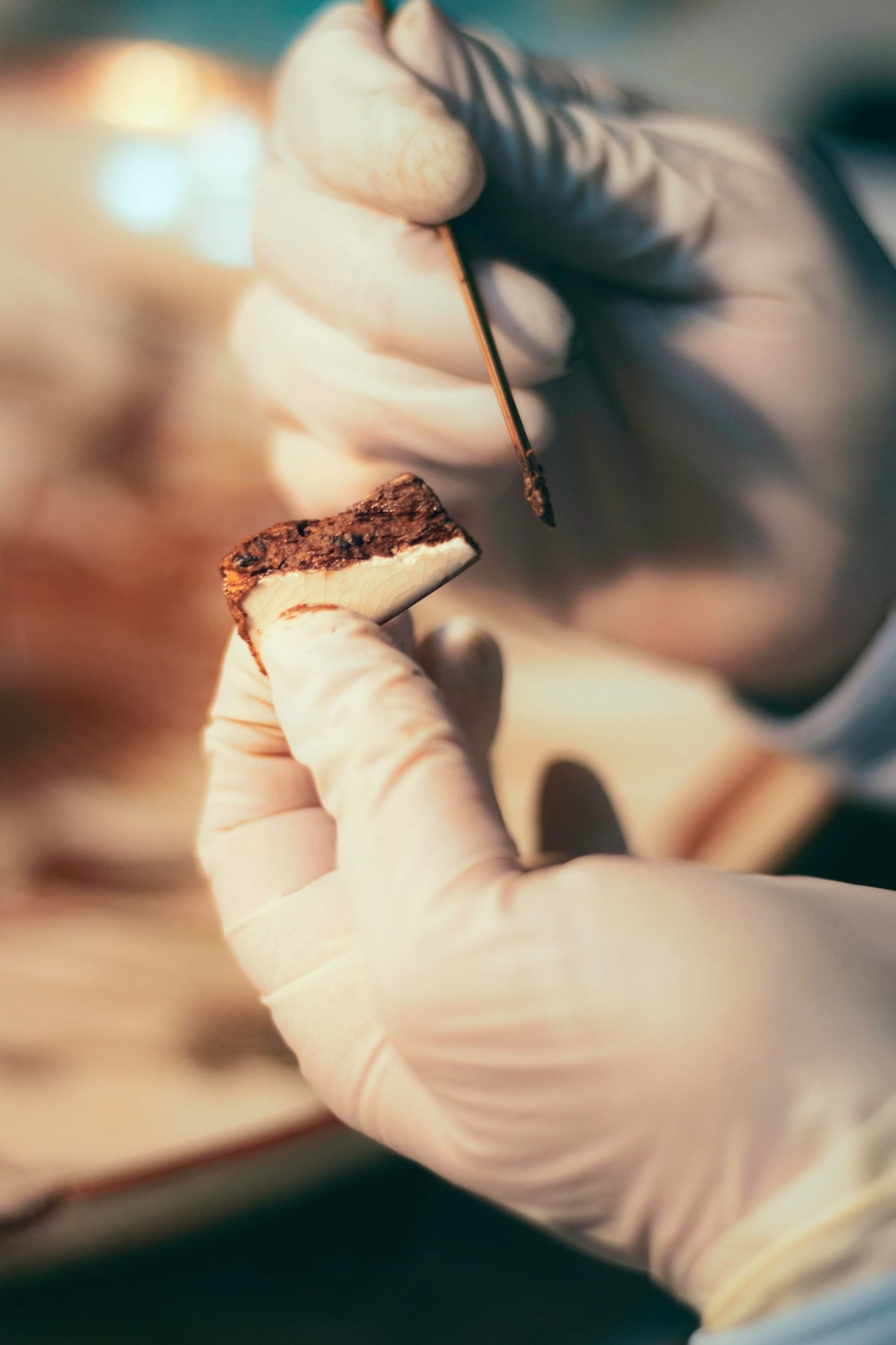
Traditional Kintsugi in the city of Gold
Mon, Mar 2 • 10:00 AM
920-0845, Ishikawa, Kanazawa, Japan
View details
Candlelight: 久石譲の音楽の世界
Sat, Feb 28 • 4:00 PM
石川県金沢市昭和町20番1号, 920-0856
View details
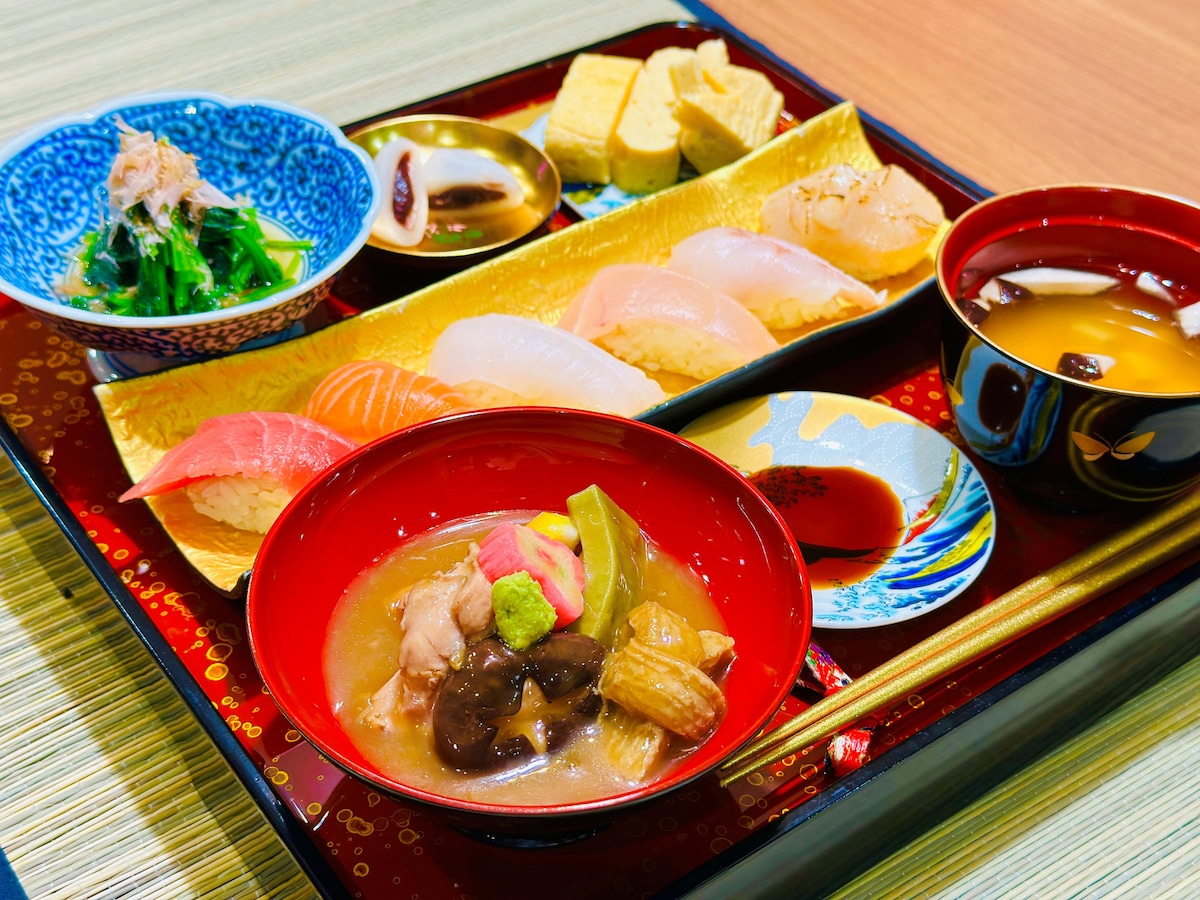
Sushi & Kanazawa Cooking Class Ai Translation
Fri, Feb 27 • 6:00 PM
920-0852, Ishikawa, Kanazawa, Japan
View details
Nearby attractions of Nomura-ke Samurai Residence
Naga-machi District
金沢市老舗記念館
Maeda Tosanokami-ke Shiryokan Museum
Kanazawa Tours
Kanazawa Bunka Hall
Oyama Shrine Shinmon Gate
Ishikawa Shikou Memorial Park
Kanazawa Central Tourist Information Center
工房ひょんの木
Run!
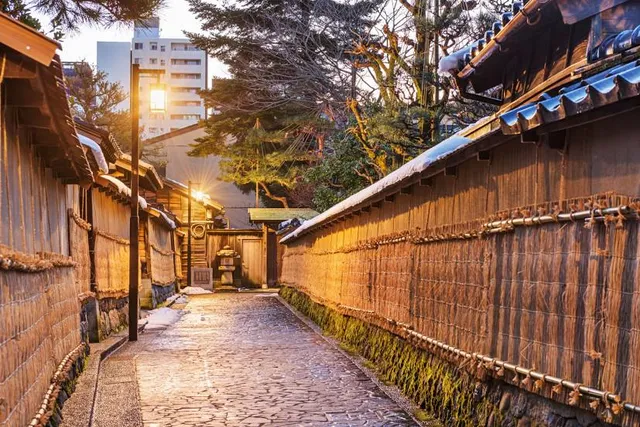
Naga-machi District
4.2
(2K)
Open until 12:00 AM
Click for details
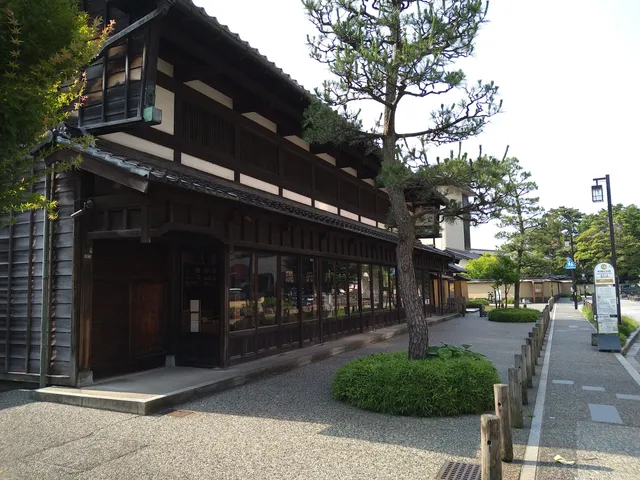
金沢市老舗記念館
4.4
(179)
Closed
Click for details
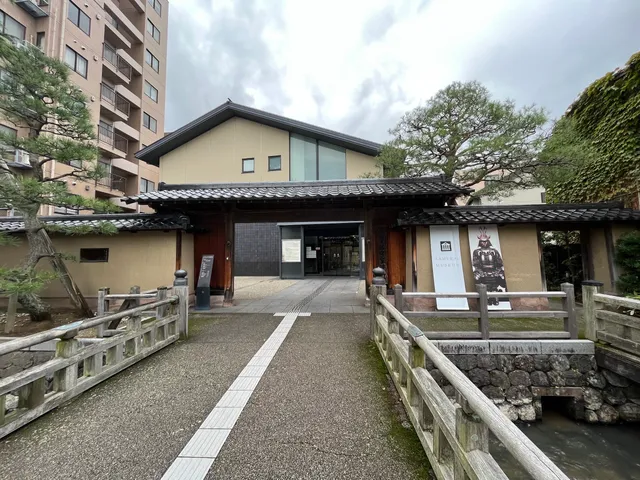
Maeda Tosanokami-ke Shiryokan Museum
3.7
(166)
Closed
Click for details
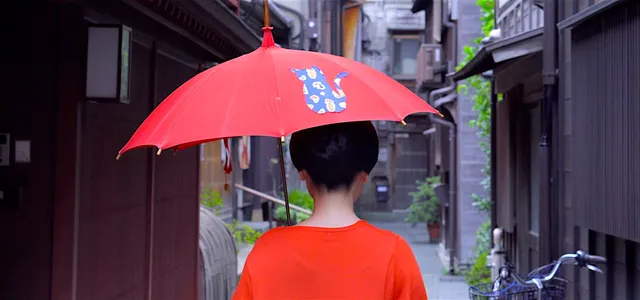
Kanazawa Tours
5.0
(231)
Open until 8:30 PM
Click for details
Nearby restaurants of Nomura-ke Samurai Residence
Sakakobo TAROU Onigawa Store
MORON CAFE
Cafe Murakami Nagaya-Mon Shop
Record Cafe&Bar SHIKA. kanazawa
Aashirwad
The Godburger
麗麗麻辣烫マーラータン
茶房 似故礼(ニコレ)
Machiya Cafe Kurinoki
Hirami Pan
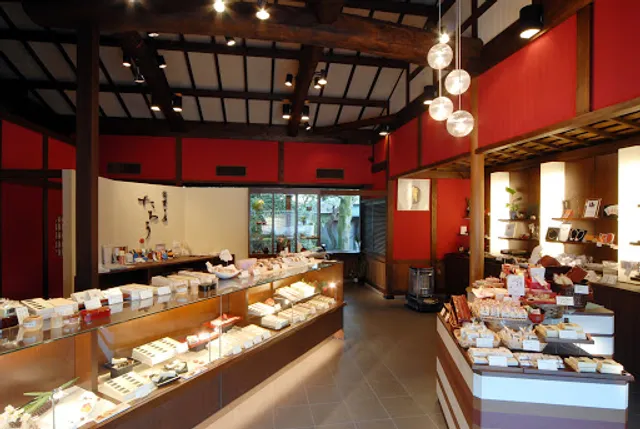
Sakakobo TAROU Onigawa Store
4.4
(123)
$$
Open until 5:30 PM
Click for details
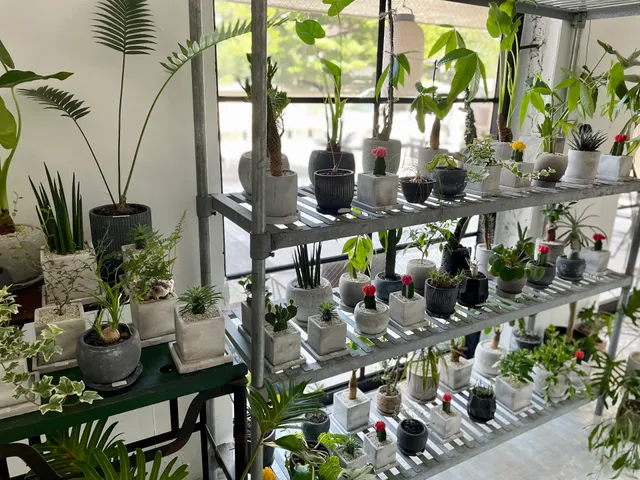
MORON CAFE
4.5
(217)
Open until 6:00 PM
Click for details
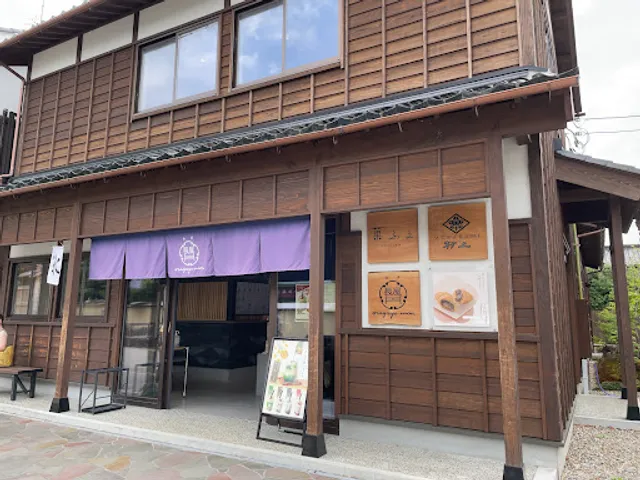
Cafe Murakami Nagaya-Mon Shop
4.1
(101)
Open until 5:30 PM
Click for details

Record Cafe&Bar SHIKA. kanazawa
5.0
(18)
Open until 6:00 PM
Click for details
Nearby local services of Nomura-ke Samurai Residence
Murakami Kanazawa Main Store
MATSUNOYU Sento
soil flagship shop
Tailor-Made Suits SADA
わらじ屋本店
CLASO PLACE KORINBO
Daiwa Korinbo Store
Kohrinbo Atrio
wargo Kimono Rental Kanazawa Kourinbo Store
Central Community Center Nagamachi
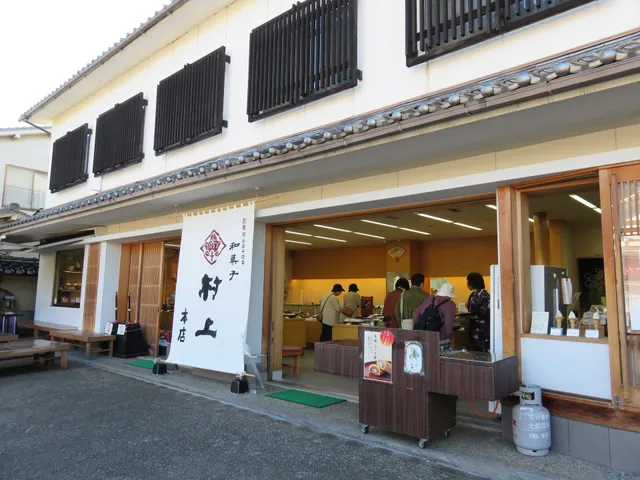
Murakami Kanazawa Main Store
3.9
(53)
Click for details
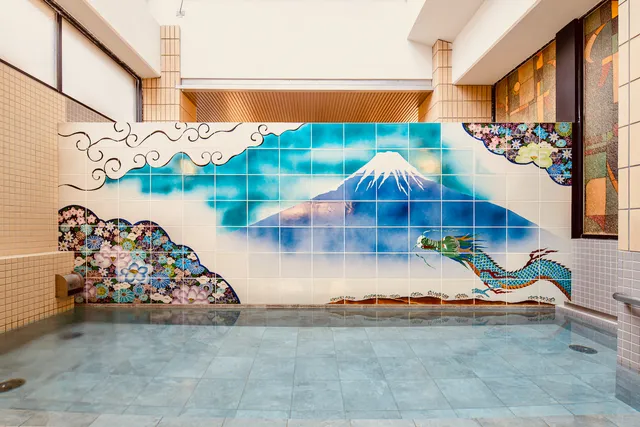
MATSUNOYU Sento
4.1
(185)
Click for details

soil flagship shop
4.6
(21)
Click for details

Tailor-Made Suits SADA
5.0
(1.3K)
Click for details