Come with curiosity and enrich your understanding and experience as a traveller. If you visit and just browse the stores without asking questions, unfortunately, you'll have the experience you created.
Each visit brings new knowledge of the Ainu culture which I am very grateful for.
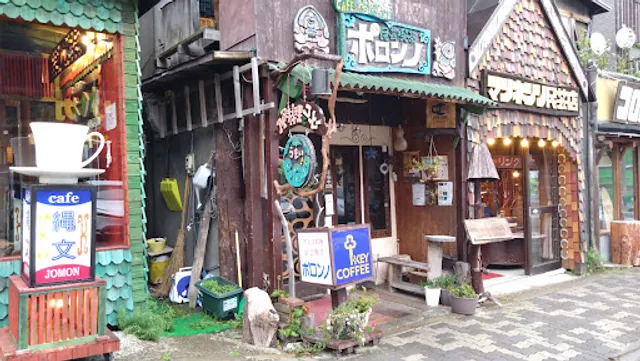
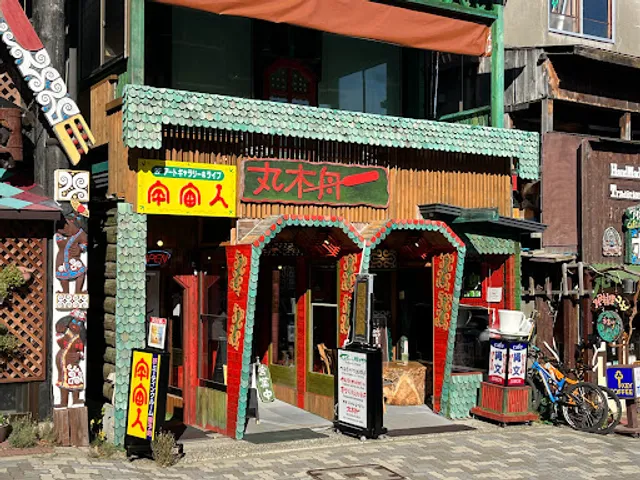
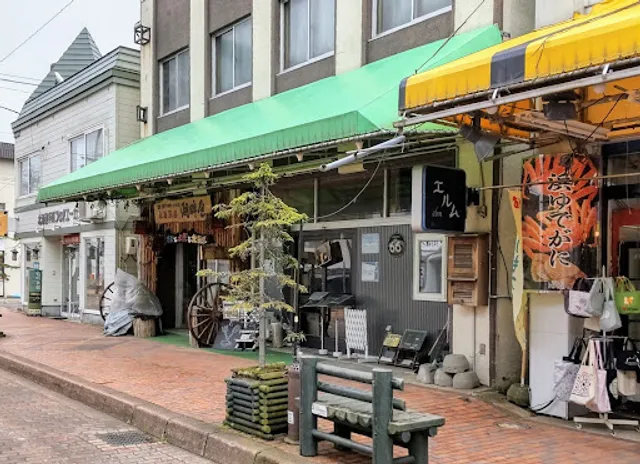
Please note that the village is not a theme park. The villagers own the stores, perform at the Ikor, run the business. They are staff, dancers, singers, artists, guides, advocates. They are a real community.
The history of this Ainu kotan is a grass-roots one (read more on the Akanko Ainu Kotan website or the Akan Ainu website). This is not a museum/ centre made by the Japanese goverment. This community has been here since the 60's. And that leads to the authenticity of this community.
Highly recommend spending more than a few hours here. Perhaps staying overnight or planning your stay or visit to cover:
As it is a living community, with living rituals and ceremonies, the stores/ museum may close irregularly as the owners also have other responsibilties. Some are the performers at the Ainu Ikor (theatre), guide cultural tours, life errands - taking kids to school, going to the doctor etc.
So when visiting, please bear in mind and invite yourself to avoid judgement or expectations of having staff, and wander through with an open-mind when you come to the kotan.
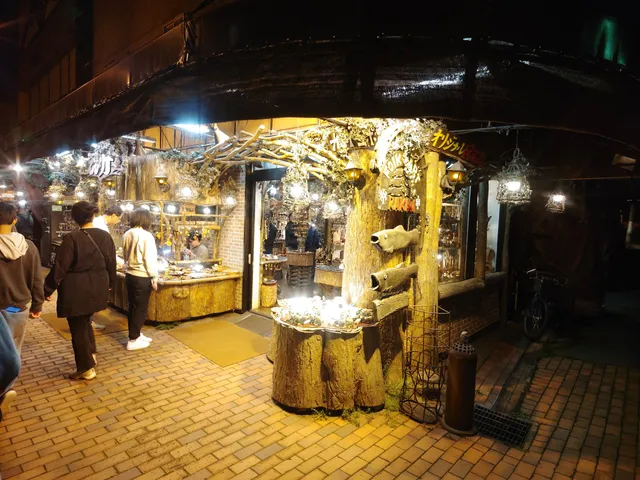
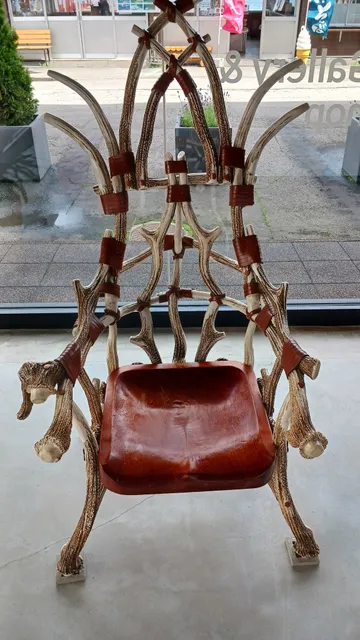
It is not a museum or theme park with staff. The stores are also homes. There are master carvers, embroiders, weavers and elders in some stores.
The stores started 2-3 generations ago, as a means for the Ainu to gain some financial independence, and retain and preserve their language and culture. It is a trade-off that they cannot simply live traditionally - they have stores to sell, and do their best to practice their endangered language and culture whilst trying to educate and satisfy the curiosity of tourists.
Perhaps a respectful way to visit is for us to learn more about Ainu culture & history online, and then come into the kotan understanding the history and context of this community. And let go of the expectation to be taught, given info and offered time or labour. Perhaps, come with curiosity, Google translate and some time to learn rather than to be catered to.
Akanko is also a location for some of the most important Ainu gatherings in Japan. Depending on when you visit, you may be lucky to attend a festival, a cermony or gathering.
As always, please be respectful of the living spirituality, Ainu beliefs and do not enter their sacred spaces or take photos without permission.
This Ainu kotan is a rare experience for the seasoned and compassionate traveller. I hope many more will make the effort to visit with respect. There is still much to learn, and an invitation to learn more about the Indiginous peoples...
Read moreLake Akan Ainu Kotan is a village offers a glimpse into the rich cultural heritage of the Ainu people, the indigenous inhabitants of the region.
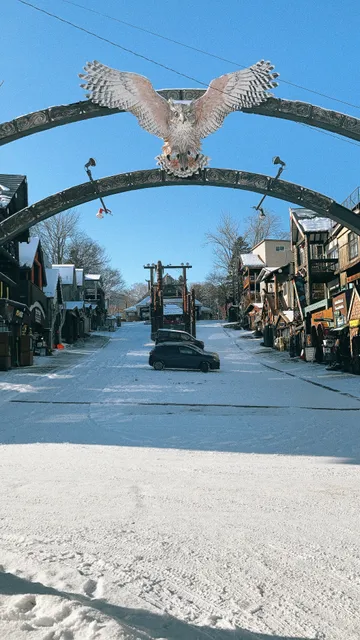
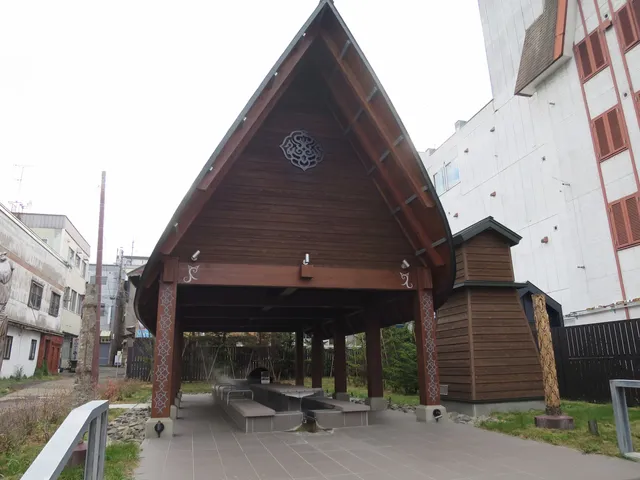
One of the standout features of Ainu Kotan is the collection of traditional Ainu houses, each telling a story of the past. Walking through these well-preserved structures, you'll feel a deep connection to the history and traditions of the Ainu culture. The village also hosts captivating traditional Ainu performances and dramas that provide insight into their way of life.
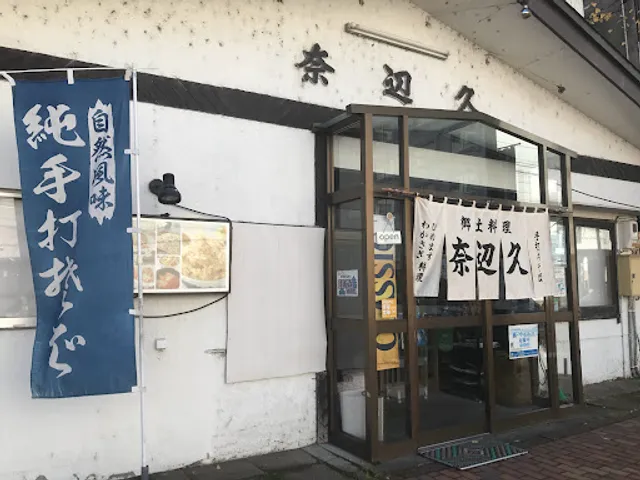
But it's not just about culture; the food at Ainu Kotan is a delightful surprise. Local restaurants serve delicious dishes inspired by Ainu cuisine, featuring fresh ingredients sourced from the surrounding nature. The flavors are unique, and you won't find them elsewhere.
What truly sets Ainu Kotan apart is its tranquility. Unlike bustling tourist destinations, this village remains untouched by crowds. It offers a serene escape into nature, where you can enjoy the beauty of Lake Akan and its surroundings in peace and quiet.
In summary, Lake Akan Ainu Kotan is a haven of cultural heritage, delicious cuisine, and tranquility. It's a place where you can immerse yourself in the traditions of the Ainu people while savoring the beauty of nature. If you seek a serene and culturally enriching experience, Ainu Kotan is a must-visit...
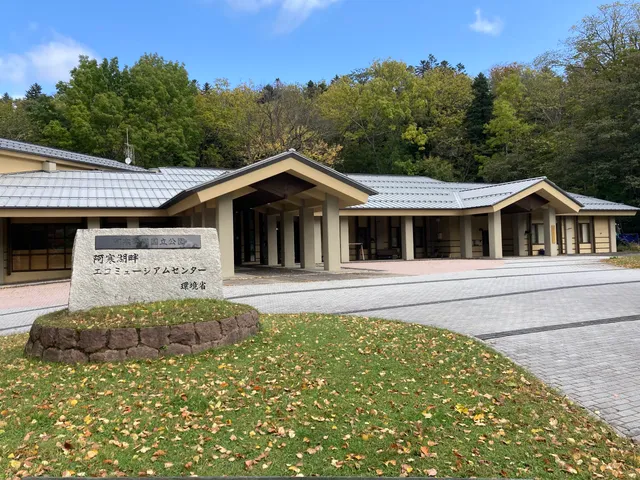
Read moreA wonderful experience, one of the highlights of our week in Hokkaido. At first, we were disappointed that there was no museum or information center proper. What there is, though, is a chance to genuinely connect and speak with the Hokkaido Ainu community and experience their traditional culture first-hand. There are a few model structures set up full of relics and photographs. There is a theater where traditional Ainu chanting and dancing is performed. There are a couple small, unobtrusive restaurants where you can sample "Ainu cuisine" (keeping in mind, of course, that they were traditionally nomadic hunter-gatherers, so foods like rice are a recent addition). The best experience, though, was speaking with the Ainu themselves. The smaller shops in the kotan are run by people active in the Ainu community, people who are studying the language and working hard to preserve their culture. You'll have to have a Japanese speaker on hand to chat them up, but they have wonderful pictures and stories to share. We spent hours chatting with friendly people and came back from a vacation with a thirst for...
Read more