This is my first negative post, and I have to say that Daigo-ji has deserved it. I cannot recommend visiting this place before 2040:
-1) The entrance fee is a total ripoff. It is 1500 yen in any decent season other than in the middle of winter or summer. The fee covers two temples plus one museum, and you probably are willing to pay for World Heritage status. But the fee does not include all temples of the complex (Kami-Daigo up the mountain is not covered and costs another 400 yen), and the ones included are hardly worth 500 yen each.
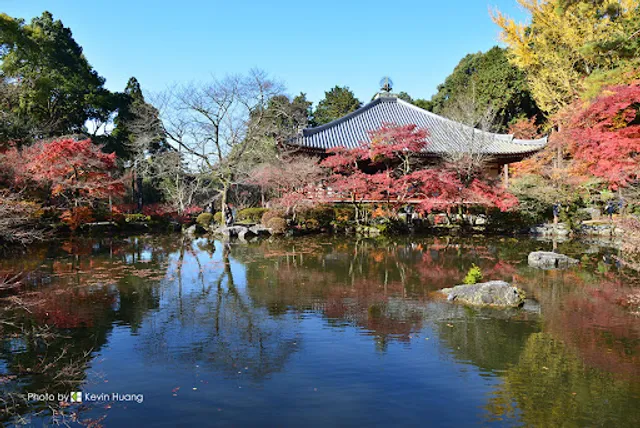
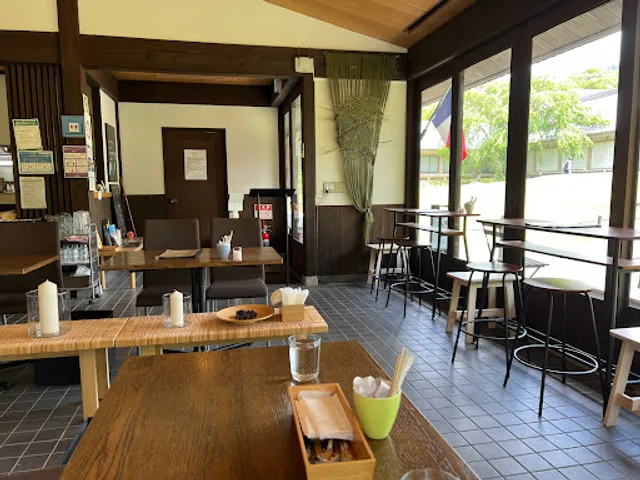
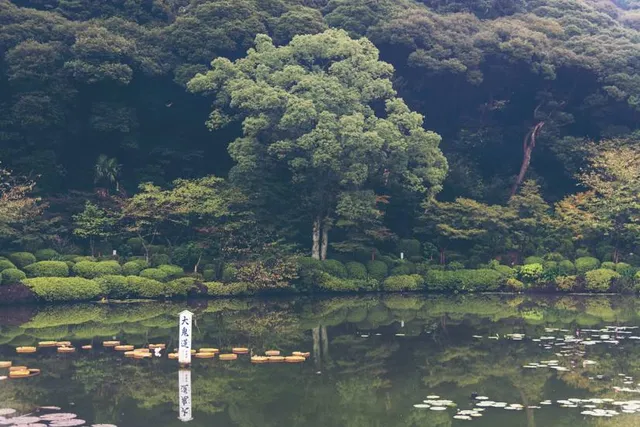
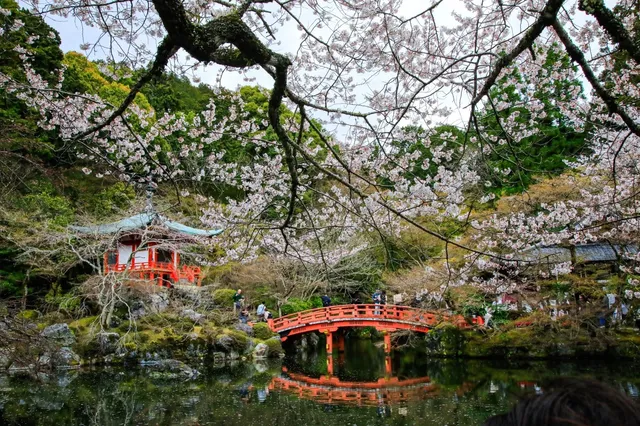
-2) The "garan" section comprises the admittedly beautiful Benten-do. Just check the pictures of a small vermilion/white "one-storey-pagoda" at the end of a vermilion wooden bridge over a streamlet entering a pond. Really nice. And small. The whole area of pond, pagoda, bridge, waterfall and all is approximately 100 x 50 m (ca. 330x190 feet), including the on-site restaurant. If you want to see a nice garden in Yamashina, consider visiting Bishamon-do Monzeki at the northern border of this ward.
-3) The calligrapher at Denpoin Daikodo, the temple building next downhill form Benten-do in the "garan" section, is inept. Sorry to say that, but I would really like to rip the page out of my goshuinchou.
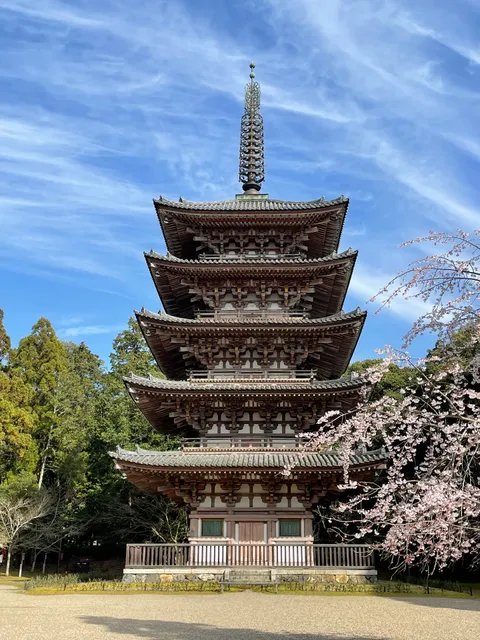
-4) The "garan" section also comprises the Goju-no-to, a five storey pagoda. This pagoda is really old but in good shape. It is located at the eastern (hillward) end of an open square of some 30 x 30 m (approx. 130x130 feet) covered in gravel with the general appeal of a makeshift car park. In case you are a student of city planning or architecture please visit the site and learn for good how a building can be debased by its surroundings. If you are not such a student, go to Nara and enjoy the pagodas there.
-5) All other buildings in "garan" section are either beautifully old but tainted by their parking lot settings, or are dilapidated/severely damaged by the taifuns of 2018 latest. At any rate, other sites offer quite similar buildings, maybe not of the same age, but without the inconvenience of traveling to this somewhat remote spot.
-6) The taifuns of 2018 have erased the former forest at the entrance of the "garan" section. While the taifuns are hardly the fault of the site management, not adjusting the entrance fee according to the ensuing aesthetic devaluation is. Thus, should you come here before 2040 do not expect to be greeted by any appearances of solemnity. I do hope that measures are taken to remedy the deforestation.
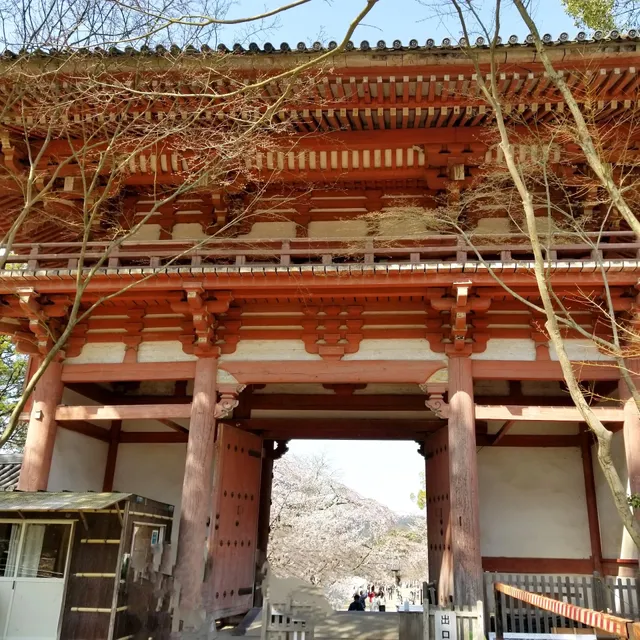
-7) Niomon, the gate at the entrance of the "garan" section, is a good sight, but so are others elsewhere. And it can be seen without entrance fee from the main avenue.
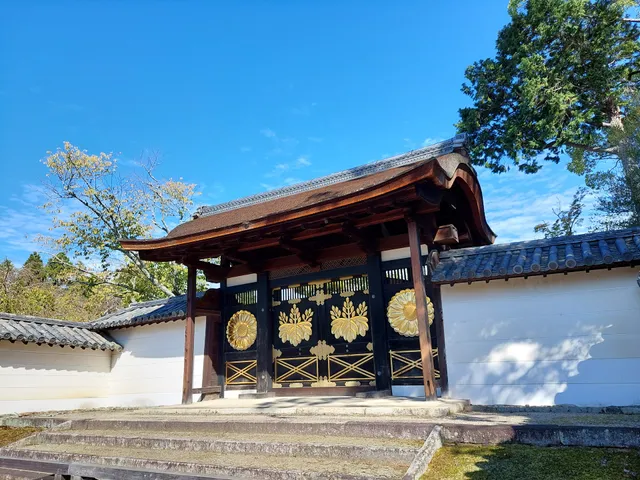
+1) Sanpo-in. No regrets regarding this temple other than that its entrance fee is used to subsidize the other temple complex parts.
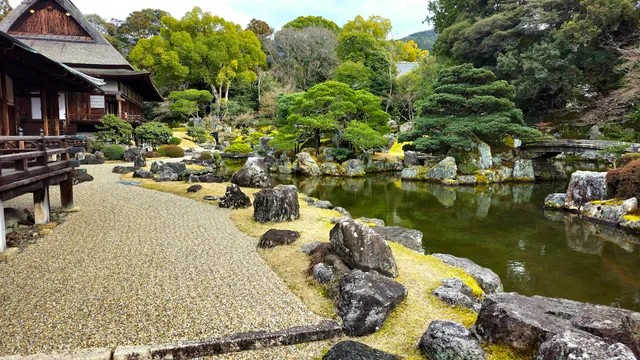
Tl;dr: If you want to see a good garden and fusuma paintings at a tripled entrance fee, come here and visit Sanpo-in. You may then also pay a courtesy visit to Daigo-in's...
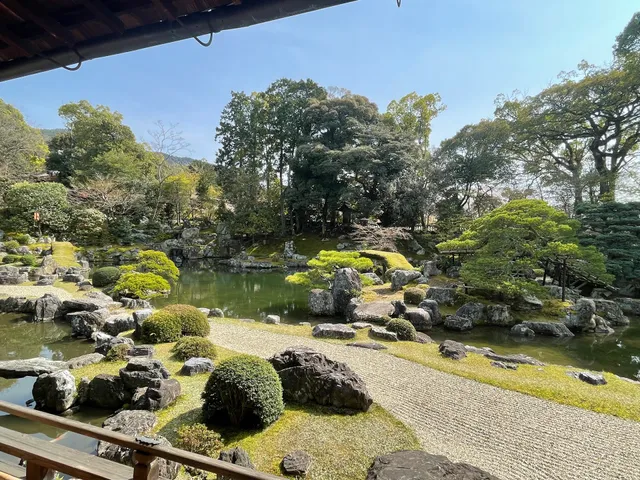
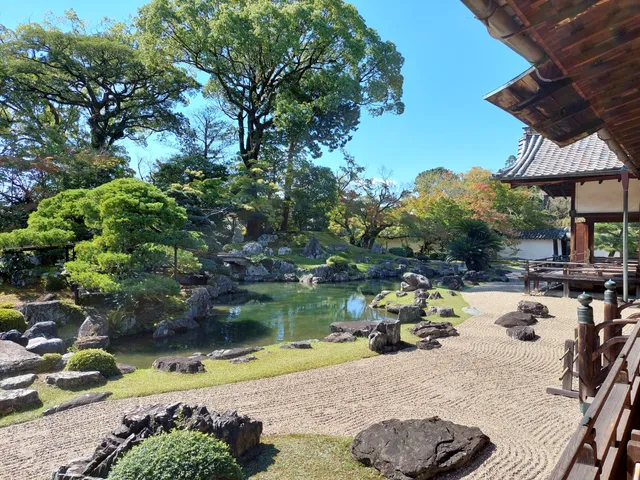
Read moreA good tourist site. The three tourist points seem to be the large pagoda, a small garden inside one of the temple buildings, and the artifacts stored in one of the facilities. To be truthful, the artifacts are just scrolls you cannot read(and no, not because you are a foreigner but because the Kanji are written in an ancient, cursive fashion...), but the pagoda and the garden are quite very pretty. I liked the garden really much and it was truly breathtaking as it rained heavily- imagine rain splashing over a beautifully constructed garden, bubbling its waters and soothing its trees! - but regrettably you are not allowed to take pictures of it and there are at least 3 staff workers on guard constantly. I am not one to challenge rules so I just gazed at the rain from the temple aisle for about 10 minutes.
Overall, the temple is totally worth a visit and the 800 yens' admission fee. Not just the three places but the intricate structure of the buildings, the tea room, the walk, the ponds... the 'artificial nature' surrounding each temple building and the Buddhas... everything is fascinating, yet somewhat subtly different from Buddhist temples of different cultures. Buddhist temples are one of the best reasons to visit the Far East,...
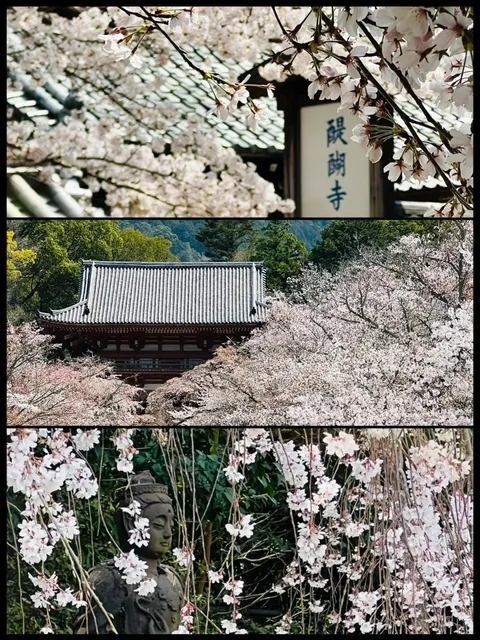
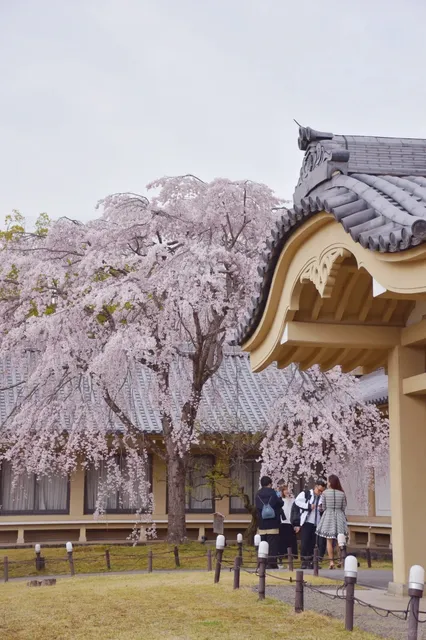
Read moreDaigo-ji Temple in Kyoto is a UNESCO World Heritage Site that offers a beautiful blend of culture and nature, making it an ideal place for cherry blossom viewing. Whether you are an art enthusiast, photographer, or nature lover, Daigo-ji provides an unforgettable cherry blossom experience.
Daigo-ji is famous for its early blooming cherry blossoms, typically reaching their peak from late March to early April. It is also renowned for Toyotomi Hideyoshi’s “Daigo Hanami”, when Hideyoshi hosted a grand cherry blossom viewing party here in 1598. Every year, on the second Sunday of April, the Toyotomi Hideyoshi Cherry Blossom Procession reenacts the spectacle of that famous gathering.
Main Cherry Blossom Viewing Spots: Sanbo-in Garden: Known for its exquisite dry landscape garden, this area is surrounded by cherry blossoms, making it an ideal spot to appreciate Zen aesthetics in harmony with nature.
Kondo (Main Hall) and Five-story Pagoda: These iconic structures blend beautifully with the surrounding cherry blossoms, offering magnificent photographic opportunities that capture the harmony between history and nature.
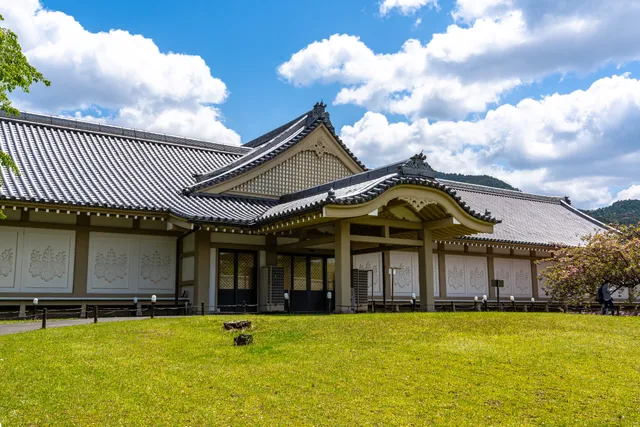
Reihokan Museum Garden: This garden features weeping cherry trees, particularly one that is over 180 years old, offering a unique visual experience.
To fully experience the cherry blossoms at Daigo-ji, you can follow this route:
Start at Sanbo-in Garden: Explore this Zen-inspired garden and enjoy the surrounding cherry blossoms, immersing yourself in the harmony between nature and art.
Next, head to Kondo and the Five-story Pagoda: Admire the cherry blossoms blooming around these historical structures and enhance your photographs with their beautiful backdrop.
Finally, visit the Reihokan Museum Garden: End your tour with the weeping cherry trees, experiencing the fusion of historic trees and modern landscapes.
Admission during cherry blossom season: ¥1,500;
Best times for photography: Early morning or late afternoon, when the lighting is softer and the crowds are fewer, perfect for capturing the beauty of the cherry blossoms.
京都的醍醐寺(Daigo-ji)是聯合國教科文組織世界遺產,提供文化與自然結合的美麗體驗,是京都賞櫻的絕佳場所。無論是藝術愛好者、攝影師還是自然愛好者,這裡都能提供你難忘的賞櫻之旅。
醍醐寺以早春盛開的櫻花而聞名,櫻花的最佳觀賞期通常在每年3月下旬至4月初。因豐臣秀吉的「醍醐花見」而聞名,1598年秀吉在此舉辦盛大賞櫻宴,現今每年4月第二個週日會舉行「豐太閣花見行列」,重現當年盛況。
主要櫻花觀賞地點: 三寶院庭園(Sanbo-in Garden): 這裡以精緻的枯山水庭園而聞名,四周的櫻花環繞,使得這裡成為品味禪宗美學的理想場所。
金堂(Kondo)與五重塔(Five-story Pagoda): 這些具有象徵意義的建築與周圍盛開的櫻花相得益彰,提供壯麗的攝影景點,捕捉歷史與自然的和諧。
霊宝館庭園(Reihokan Museum...
Read more