Okinawa Churaumi Aquarium things to do, attractions, restaurants, events info and trip planning
Basic Info
Okinawa Churaumi Aquarium
424 Ishikawa, Motobu, Kunigami District, Okinawa 905-0206, Japan
4.6(24.7K)
Open until 6:30 PM


tickets
Save
spot
spot
Ratings & Description
Info
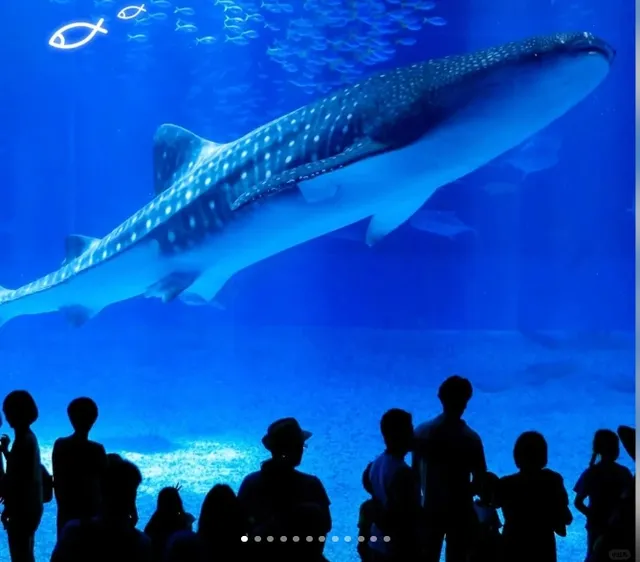
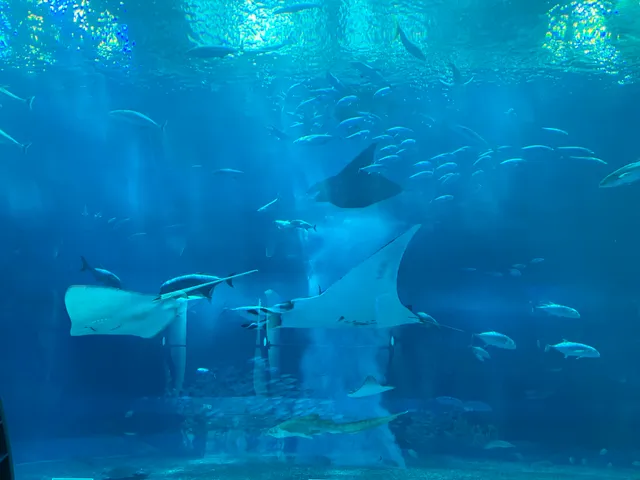
The Okinawa Churaumi Aquarium, formerly known as the Okinawa Ocean Expo Aquarium, is located within the Ocean Expo Park in Okinawa, Japan. It is a member of the Japanese Association of Zoos and Aquariums, and was the largest aquarium in the world until it was surpassed by the Georgia Aquarium in 2005.
Cultural
Entertainment
Family friendly
Accessibility
attractions: Ocean Expo Park, Sea Turtles Pool, Manatee Pool, Journey to the Kuroshio Sea, Okichan Theatre, Churaumi Aquarium Event Hall, Ocean Expo Park Beach, Kaiyohaku Park Dolphin Lagoon, Dolphin Statue, Oceanic Culture Museum Planetarium, restaurants: Ocean Blue Café, Ocean View Restaurant Inoh, Okinawaryorichinumanchuraumisuizokukanmaeten, Moremare, オキちゃんパーラー, とれび庵, Tida, パインの王様|ゴールドバレル スムージー, The Orion Hotel Motobu Resort & Spa ”Sirius” All-day Dining, THE ORION BEER BAR オリオンビアバー, local businesses: 海洋博公園管理センター 沖縄美ら海水族館魚類課, Ocean Expo Park Management Center Okinawa Churaumi Aquarium Aquarium Division,, 海洋博公園管理センター 沖縄美ら海水族館営業課, Blue Manta Gift Shop, With a Child, LAWSON Ocean Expo Park, オキちゃんショップ, Okinawa Village, ショップやんばるの杜, Relaxation Beach
 Learn more insights from Wanderboat AI.
Phone
+81 980-48-3748
Website
churaumi.okinawa
Open hoursSee all hours
Fri8:30 AM - 6:30 PMOpen
Plan your stay

Pet-friendly Hotels in Motobu
Find a cozy hotel nearby and make it a full experience.

Affordable Hotels in Motobu
Find a cozy hotel nearby and make it a full experience.

The Coolest Hotels You Haven't Heard Of (Yet)
Find a cozy hotel nearby and make it a full experience.

Trending Stays Worth the Hype in Motobu
Find a cozy hotel nearby and make it a full experience.
Reviews
Live events

Snorkeling in Okinawas Blue Cave
Mon, Feb 23 • 10:30 AM
904-0417, Okinawa, Onna, Kunigami District, Japan
View details
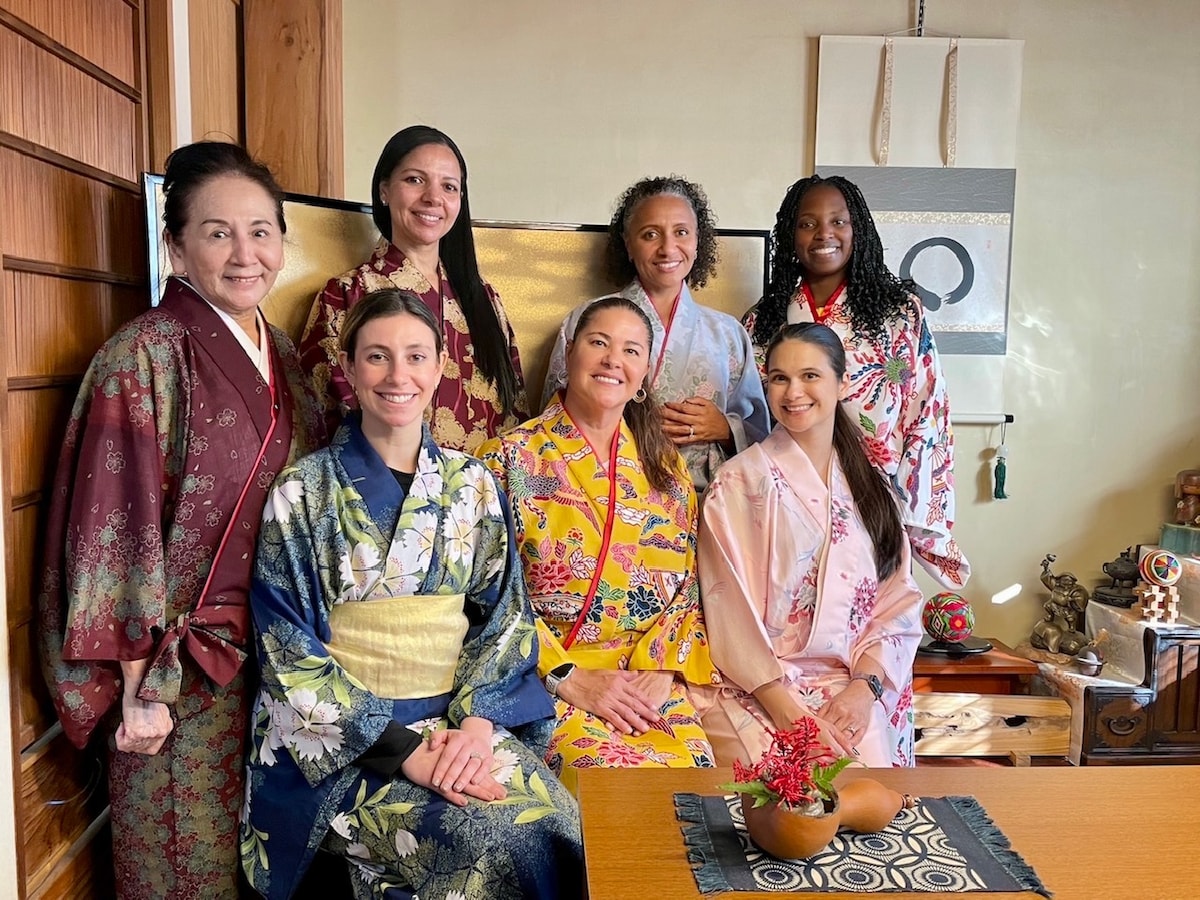
Tea ceremony experience with simple kimono in Onna
Sat, Feb 21 • 1:00 PM
904-0401, Okinawa, Onna, Kunigami District, Japan
View details
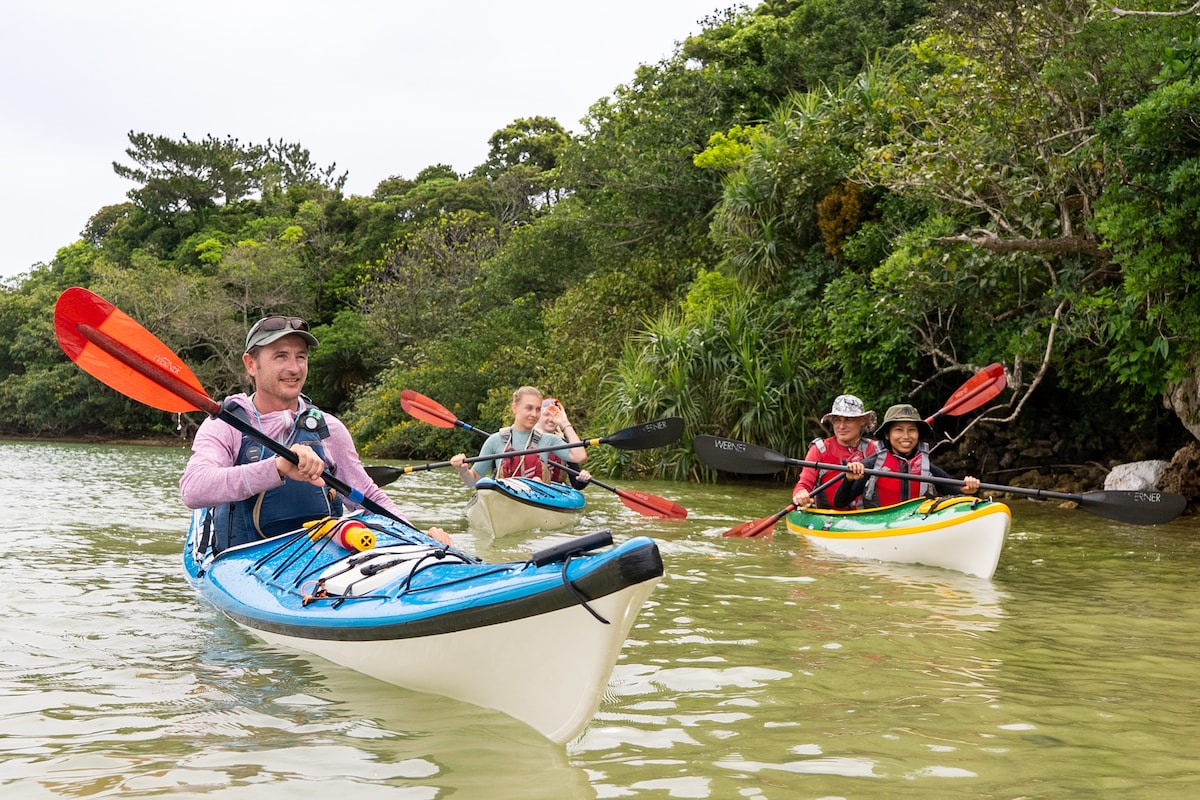
Kayak to mangroves and sea valleys in Okinawa
Sun, Feb 22 • 3:30 PM
905-0411, Okinawa, Nakijin, Kunigami District, Japan
View details
Nearby attractions of Okinawa Churaumi Aquarium
Ocean Expo Park
Sea Turtles Pool
Manatee Pool
Journey to the Kuroshio Sea
Okichan Theatre
Churaumi Aquarium Event Hall
Ocean Expo Park Beach
Kaiyohaku Park Dolphin Lagoon
Dolphin Statue
Oceanic Culture Museum Planetarium
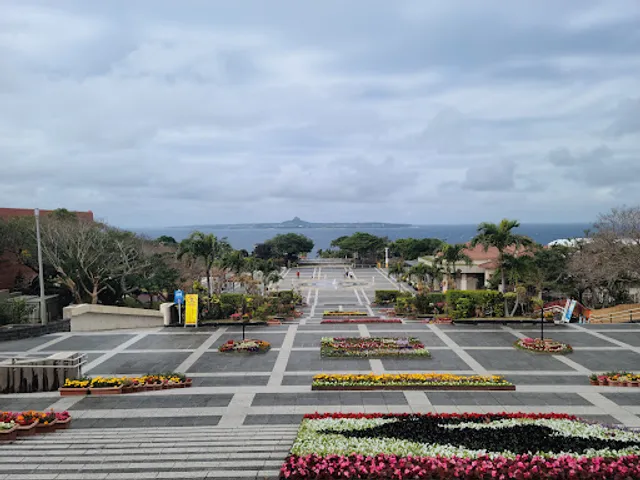
Ocean Expo Park
4.5
(7K)
Open until 6:00 PM
Click for details
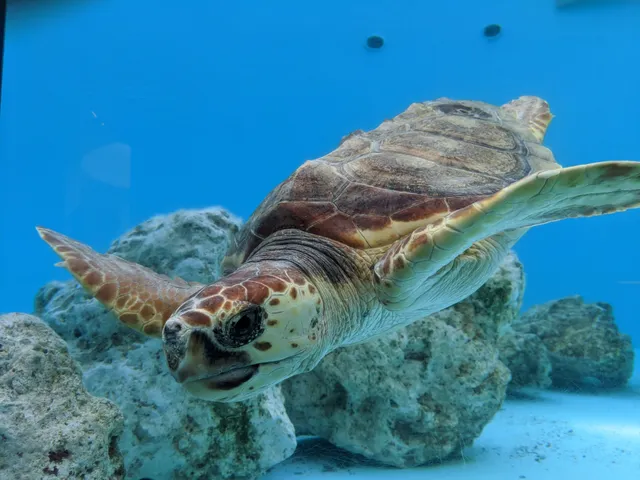
Sea Turtles Pool
4.4
(227)
Open until 5:30 PM
Click for details
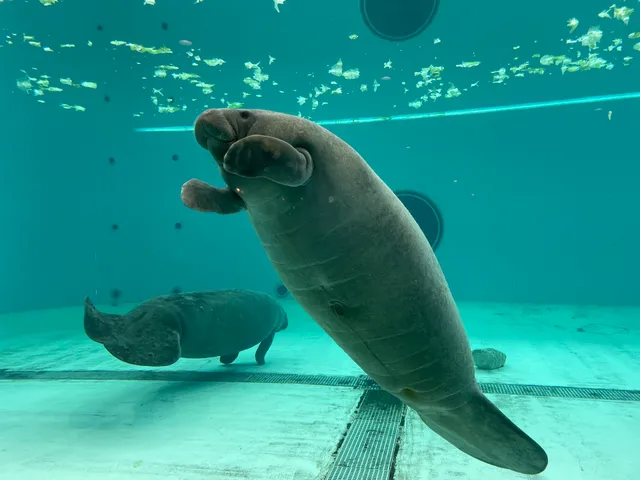
Manatee Pool
4.2
(168)
Open 24 hours
Click for details
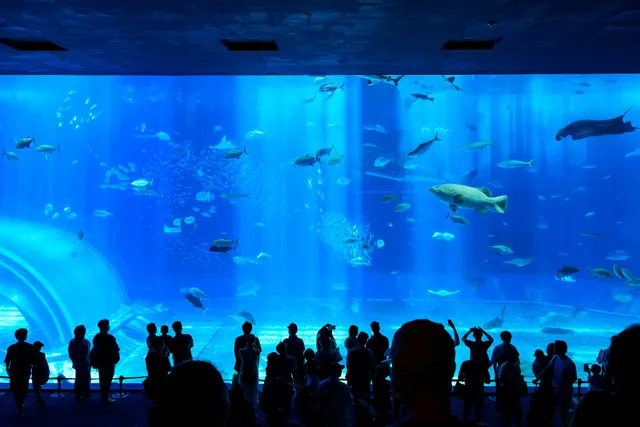
Journey to the Kuroshio Sea
4.9
(35)
Open 24 hours
Click for details
Nearby restaurants of Okinawa Churaumi Aquarium
Ocean Blue Café
Ocean View Restaurant Inoh
Okinawaryorichinumanchuraumisuizokukanmaeten
Moremare
オキちゃんパーラー
とれび庵
Tida
パインの王様|ゴールドバレル スムージー
The Orion Hotel Motobu Resort & Spa ”Sirius” All-day Dining
THE ORION BEER BAR オリオンビアバー
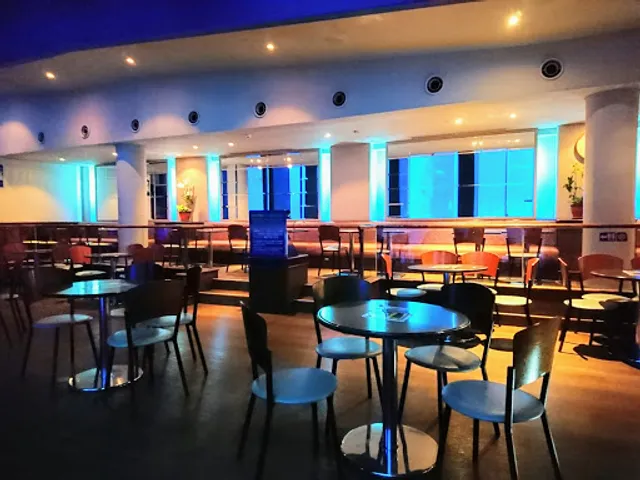
Ocean Blue Café
3.8
(134)
Open until 6:30 PM
Click for details
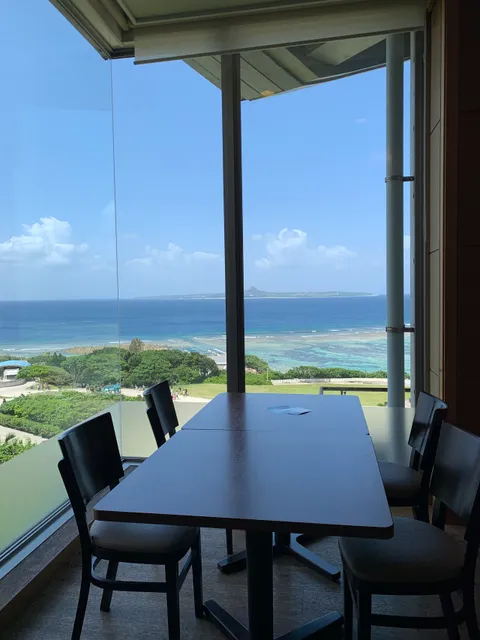
Ocean View Restaurant Inoh
3.7
(152)
Open until 3:00 PM
Click for details
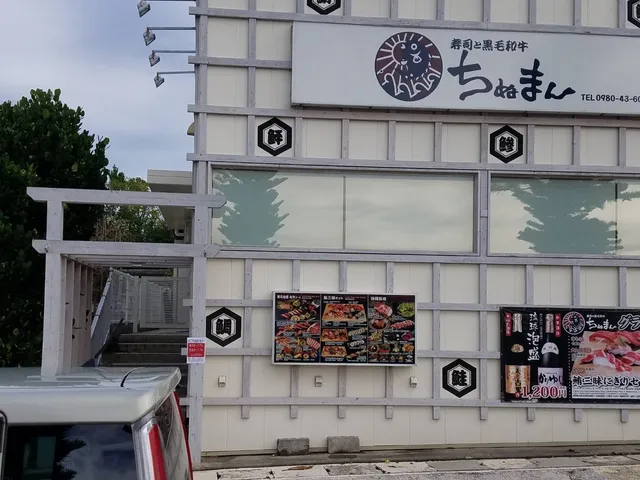
Okinawaryorichinumanchuraumisuizokukanmaeten
3.7
(111)
Closed
Click for details
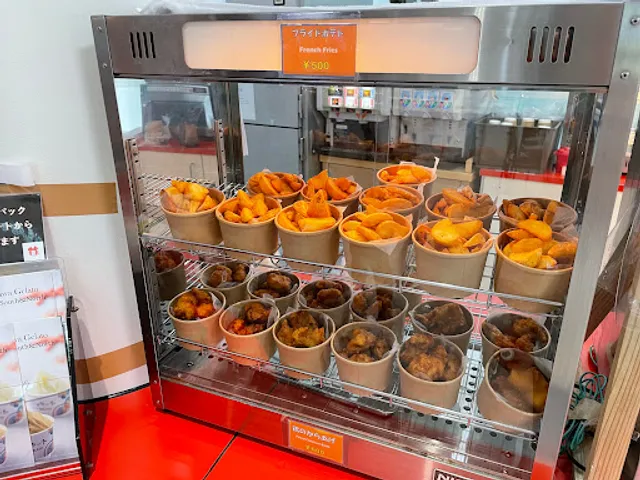
Moremare
3.7
(26)
Open until 5:00 PM
Click for details
Nearby local services of Okinawa Churaumi Aquarium
海洋博公園管理センター 沖縄美ら海水族館魚類課
Ocean Expo Park Management Center Okinawa Churaumi Aquarium Aquarium Division,
海洋博公園管理センター 沖縄美ら海水族館営業課
Blue Manta Gift Shop
With a Child
LAWSON Ocean Expo Park
オキちゃんショップ
Okinawa Village
ショップやんばるの杜
Relaxation Beach
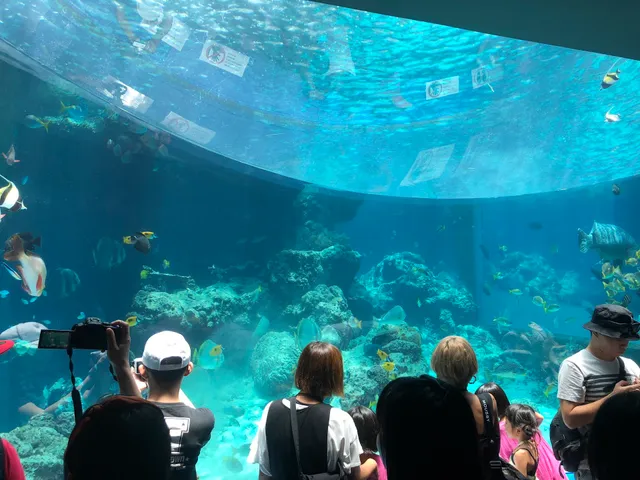
海洋博公園管理センター 沖縄美ら海水族館魚類課
4.2
(17)
Click for details
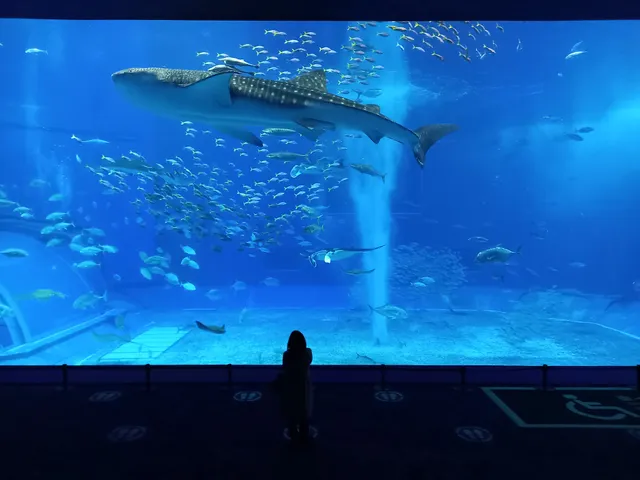
Ocean Expo Park Management Center Okinawa Churaumi Aquarium Aquarium Division,
4.6
(38)
Click for details
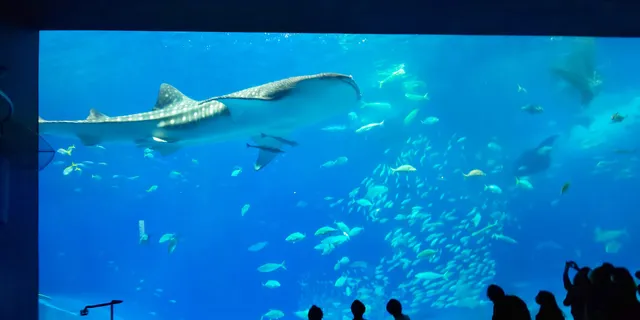
海洋博公園管理センター 沖縄美ら海水族館営業課
4.9
(11)
Click for details
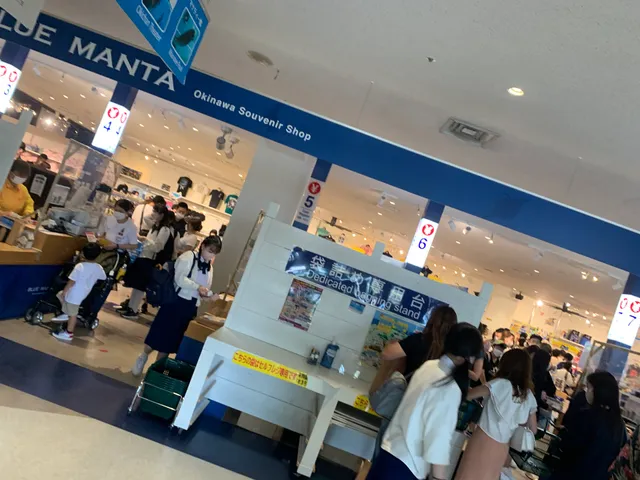
Blue Manta Gift Shop
4.5
(17)
Click for details