HTML SitemapExplore
logo
Find Things to DoFind The Best Restaurants

Yakushi-ji Toto (East Pagoda) — Attraction in Nara

Name
Yakushi-ji Toto (East Pagoda)
Description
Nearby attractions
Yakushi-ji
457 Nishinokyocho, Nara, 630-8563, Japan
Yakushi-ji Kondo (Golden Hall)
457 Nishinokyocho, Nara, 630-8042, Japan
Yakushi-ji Daikodo (Grand Lecture Hall)
457 Nishinokyocho, Nara, 630-8042, Japan
Yakushi-ji Genjo-Sanzoin Garan Precinct
457 Nishinokyocho, Nara, 630-8042, Japan
Toshodai-ji
13-46 Gojocho, Nara, 630-8032, Japan
Toshodai-ji Namdaimon (Grand South Gate)
14-3 Gojocho, Nara, 630-8032, Japan
Toshodai-ji Ganjin Wajo Gobyo (Mausoleum of Jianzhen)
4-10 Amagatsuji Minamimachi, Nara, 630-8032, Japan
Nearby restaurants
Cafe Bar Nara
1 Chome-1-5 Rokujo, Nara, 630-8043, Japan
西ノ京珈琲
372-2 Nishinokyocho, Nara, 630-8042, Japan
Shabaton
124-1 Rokujocho, Nara, 630-8041, Japan
ゴルカキッチン
104-4 Rokujocho, Nara, 630-8041, Japan
Dainagon
9-44 Gojocho, Nara, 630-8032, Japan
MENYA BIBIRI(メンヤ ビビリ)
165-1 Shichijocho, Nara, 630-8051, Japan
Joyfull
172-1 Shichijo Higashimachi, Nara, 630-8052, Japan
Sukiya Nara Shichijo
164-1 Shichijocho, Nara, 630-8051, Japan
仁
Japan, 〒630-8043 Nara, Rokujo, 2 Chome−5−16 薮内ビル
Nearby hotels
Yamashiroya
1-15 Nishinokyocho, Nara, 630-8042, Japan
Related posts
Keywords
Yakushi-ji Toto (East Pagoda) tourism.Yakushi-ji Toto (East Pagoda) hotels.Yakushi-ji Toto (East Pagoda) bed and breakfast. flights to Yakushi-ji Toto (East Pagoda).Yakushi-ji Toto (East Pagoda) attractions.Yakushi-ji Toto (East Pagoda) restaurants.Yakushi-ji Toto (East Pagoda) travel.Yakushi-ji Toto (East Pagoda) travel guide.Yakushi-ji Toto (East Pagoda) travel blog.Yakushi-ji Toto (East Pagoda) pictures.Yakushi-ji Toto (East Pagoda) photos.Yakushi-ji Toto (East Pagoda) travel tips.Yakushi-ji Toto (East Pagoda) maps.Yakushi-ji Toto (East Pagoda) things to do.
Yakushi-ji Toto (East Pagoda) things to do, attractions, restaurants, events info and trip planning
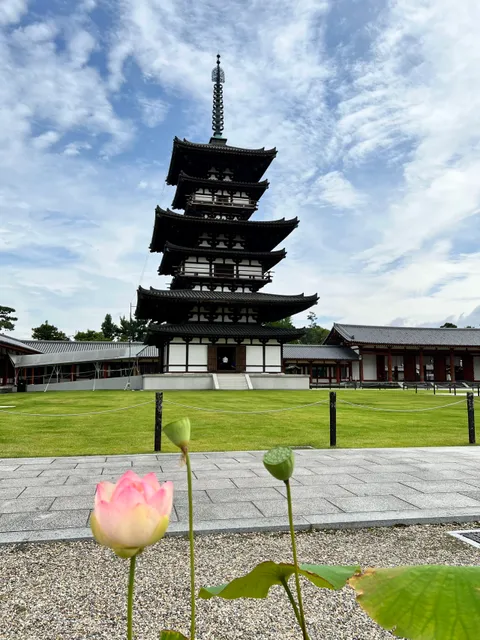
Yakushi-ji Toto (East Pagoda)
JapanNara PrefectureNaraYakushi-ji Toto (East Pagoda)

Basic Info

Yakushi-ji Toto (East Pagoda)

457 Nishinokyocho, Nara, 630-8042, Japan
4.5(81)
Open until 5:00 PM
Save
spot

Ratings & Description

Info

Cultural
Scenic
Family friendly
Accessibility
attractions: Yakushi-ji, Yakushi-ji Kondo (Golden Hall), Yakushi-ji Daikodo (Grand Lecture Hall), Yakushi-ji Genjo-Sanzoin Garan Precinct, Toshodai-ji, Toshodai-ji Namdaimon (Grand South Gate), Toshodai-ji Ganjin Wajo Gobyo (Mausoleum of Jianzhen), restaurants: Cafe Bar Nara, 西ノ京珈琲, Shabaton, ゴルカキッチン, Dainagon, MENYA BIBIRI(メンヤ ビビリ), Joyfull, Sukiya Nara Shichijo, 仁
logoLearn more insights from Wanderboat AI.
Website
yakushiji.or.jp
Open hoursSee all hours
Sat9 AM - 5 PMOpen

Plan your stay

hotel
Pet-friendly Hotels in Nara
Find a cozy hotel nearby and make it a full experience.

hotel
Affordable Hotels in Nara
Find a cozy hotel nearby and make it a full experience.

hotel
The Coolest Hotels You Haven't Heard Of (Yet)
Find a cozy hotel nearby and make it a full experience.

hotel
Trending Stays Worth the Hype in Nara
Find a cozy hotel nearby and make it a full experience.

Reviews

Nearby attractions of Yakushi-ji Toto (East Pagoda)

Yakushi-ji

Yakushi-ji Kondo (Golden Hall)

Yakushi-ji Daikodo (Grand Lecture Hall)

Yakushi-ji Genjo-Sanzoin Garan Precinct

Toshodai-ji

Toshodai-ji Namdaimon (Grand South Gate)

Toshodai-ji Ganjin Wajo Gobyo (Mausoleum of Jianzhen)
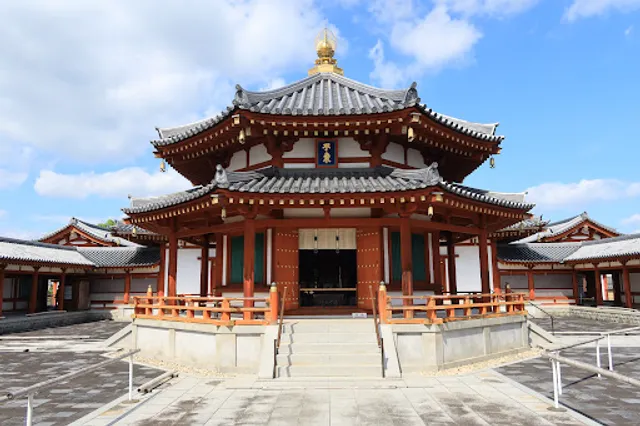
Yakushi-ji

Yakushi-ji

4.4

(2.4K)

Open 24 hours
Click for details
Yakushi-ji Kondo (Golden Hall)

Yakushi-ji Kondo (Golden Hall)

4.6

(56)

Open 24 hours
Click for details
Yakushi-ji Daikodo (Grand Lecture Hall)

Yakushi-ji Daikodo (Grand Lecture Hall)

4.4

(53)

Open 24 hours
Click for details
Yakushi-ji Genjo-Sanzoin Garan Precinct

Yakushi-ji Genjo-Sanzoin Garan Precinct

4.2

(113)

Open 24 hours
Click for details

Things to do nearby

Nara Park and Hidden Gems Walking Tour
Sun, Dec 7 • 9:30 AM
630-8214, Nara, Nara, Japan
View details
Experience making ramen in a private kitchen in Osaka!
Sat, Dec 6 • 2:00 PM
543-0021, Osaka, Osaka, Japan
View details
Taste traditional cuisines and drinks with a local
Tue, Dec 9 • 5:30 PM
532-0024, Osaka, Osaka, Japan
View details

Nearby restaurants of Yakushi-ji Toto (East Pagoda)

Cafe Bar Nara

西ノ京珈琲

Shabaton

ゴルカキッチン

Dainagon

MENYA BIBIRI(メンヤ ビビリ)

Joyfull

Sukiya Nara Shichijo

仁

Cafe Bar Nara

Cafe Bar Nara

4.2

(84)

$

Click for details
西ノ京珈琲

西ノ京珈琲

3.0

(63)

Click for details
Shabaton

Shabaton

3.9

(417)

Click for details
ゴルカキッチン

ゴルカキッチン

4.7

(46)

Click for details
Get the Appoverlay
Get the AppOne tap to find yournext favorite spots!
Wanderboat LogoWanderboat

Your everyday Al companion for getaway ideas

CompanyAbout Us
InformationAI Trip PlannerSitemap
SocialXInstagramTiktokLinkedin
LegalTerms of ServicePrivacy Policy

Get the app

© 2025 Wanderboat. All rights reserved.
logo

Reviews of Yakushi-ji Toto (East Pagoda)

4.5
(81)
avatar
5.0
32w

The Jinshin Wars in Japan in 672 resulted in moving the capital from Otsu back to Asuka. The movement of the capital was due to family disputes over money and power leading to civil war between Prince Naka and Prince Ōama. Prince Ōama desired power over Prince Naka's son, who was favored by his father to take the throne after him. After disagreements between Prince Ōama and Prince Naka's son, Prince Ōtomo, Prince Ōama secured victory over his brother and nephew. Prince Ōama, as Emperor Tenmu, was responsible for moving the temple from Otsu back to Asuka in 672. The original Yakushi-ji was built in Fujiwara-kyō, Japan's capital in the Asuka period. The Fujiwara capital was built during this time on the Chinese model, with hopes of improving economic stability and centralization of government as well as a strong military.

Yakushi-ji was commissioned by Emperor Tenmu in 680 as an offering for the recovery from illness of his consort, who succeeded him as Empress Jitō. This act of building temples in devotion to Buddhist figures was a common practice among Japanese nobility after Buddhism was first imported from China and Korea. Emperor Tenmu had died by the time Empress Jitō completed the complex, in around 698. It was disassembled and moved to Nara eight years after the Imperial Court settled in what was then the new capital. The Nara Period (710–794) began with the transfer of the capital to Nara in 710 from the Fujiwara Capital. This was due once again to the desire to build a strong, centralized government. Emperor Shōmu instigated the construction of the "Seven Great Temples": Tōdai-ji, Kōfuku-ji, Gangō-ji, Daian-ji, Yakushi-ji, Saidai-ji, and Hōryū-ji.

It has long been believed that the temple was moved to its present location in 718, following the move of the capital to Heijō-kyō, known today as Nara. However, excavation of the Fujiwara-kyō Yakushi-ji site in the 1990s suggested that there may have been two Yakushi-jis at one time. The Fujiwara-kyō Yakushi-ji is also referred to as Moto Yakushi-ji (元 moto, "original").

Fires destroyed most of the buildings in the complex in 973, and the main hall in 1528. The main hall was rebuilt in 1976, the west tower in 1981, the central gate in 1984, and both the east and west gates in 1995.

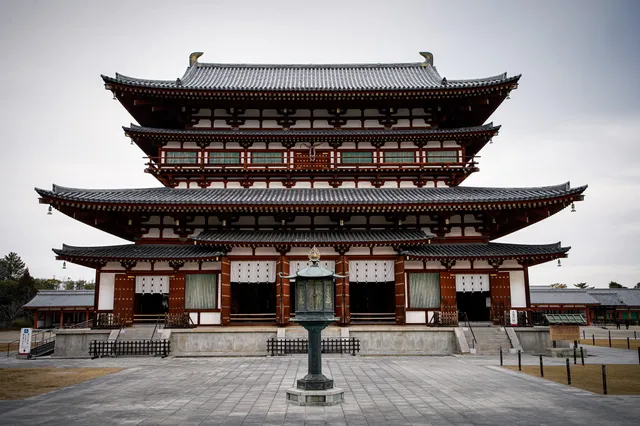
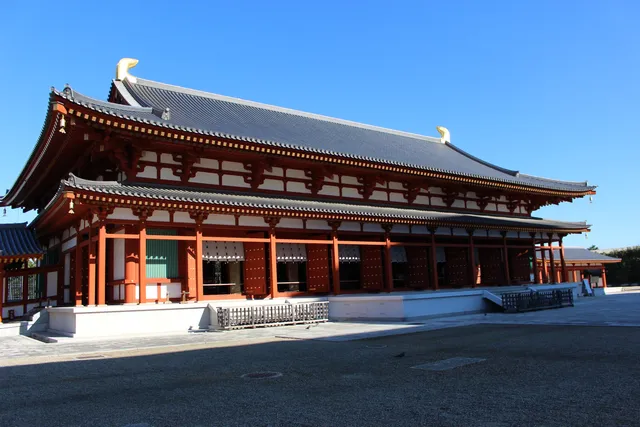
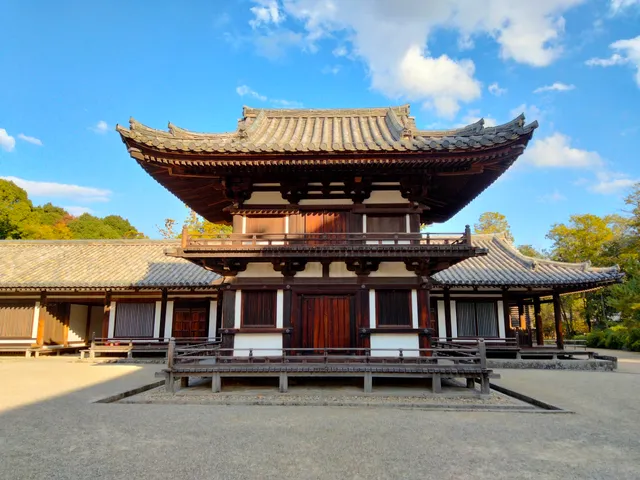
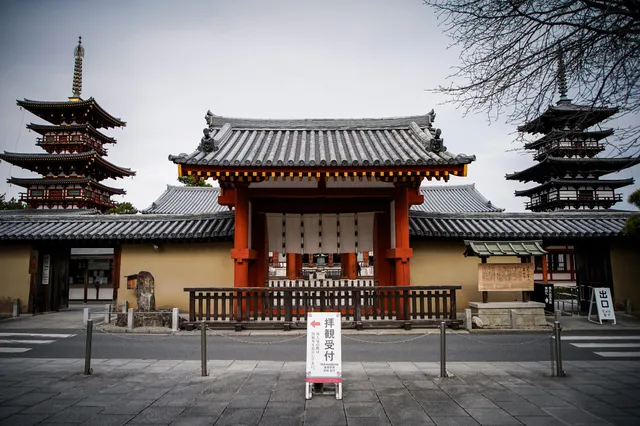
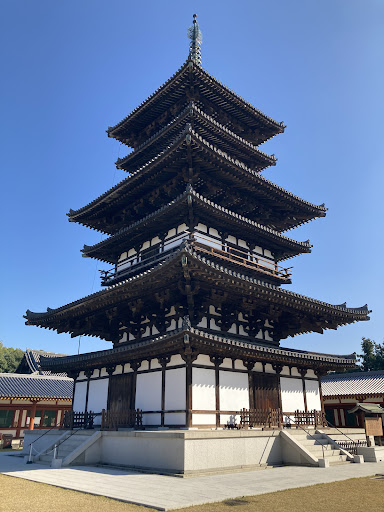
East Pagoda The East Pagoda (東塔, Tō-tō), completed in 730 during the Nara period, is the only original 8th-century structure at Yakushi-ji. The structure stands at 34 metres (112 ft), and is regarded as one of the finest pagodas in Japan, representing the architecture of the Hakuhō to Tenpyō periods. The East Pagoda has just three storeys, but seems to have six because of the presence of inter-storey pent roofs (mokoshi). The structure is topped by a distinctive globe-shaped finial. The East Pagoda was disassembled for repair work from 1898 to 1900, and disassembled again in 2012. The central pillar of the pagoda (心柱, shinbashira) had corroded, and the edges of the eaves of the pagoda had sagged. A seven-storey scaffold completely surrounded the East Tower as repair work...

   Read more
avatar
5.0
49w

Yakushiji Temple (薬師寺), located in Nara, Japan, is one of the most significant and ancient Buddhist temples in the country. Originally constructed in 680 CE during the Asuka period by Emperor Tenmu, the temple was built to pray for the recovery of his wife, Empress Jitō. Dedicated to Yakushi Nyorai, the Buddha of Medicine and Healing, the temple symbolizes hope and spiritual healing.

Yakushiji is renowned for its symmetrical layout and stunning architecture, epitomizing the classical style of early Japanese Buddhism. The temple complex includes several iconic structures, most notably the East Pagoda (東塔, Tōtō), a three-story pagoda dating back to the 8th century. This is the only original structure that survived multiple fires and is celebrated for its elegant design and intricate details. The West Pagoda (西塔, Saitō) and the Kondō (金堂, Main Hall) have been meticulously reconstructed to preserve their historical and spiritual significance.

Inside the Kondō, visitors can find an extraordinary bronze triad statue of Yakushi Nyorai flanked by two Bodhisattvas, exemplifying artistic mastery from the Hakuho period. These statues are considered national treasures and reflect the deep devotion to Buddhist teachings.

In addition to its architectural and artistic treasures, Yakushiji Temple serves as an active center for Buddhist worship and meditation. The temple’s tranquil atmosphere and rich history make it a UNESCO World Heritage Site and a must-visit destination for those seeking to explore Japan’s cultural and...

   Read more
avatar
5.0
1y

以前郵便切手日本の国宝シリーズで薬師寺の東島がプリントされたものを見ていつか見てみたいなーと思っていました。実際見てみると立派というよりとてもキュートな感じで素晴らしかったです。薬師寺の敷地内は結構建物間が広く配置されててなんか現場に行ってみてわかる良さと言うのもまたありよかったです。東大寺などに比べてそんなに混んでいないのでゆっくり穏やかに見て回ることができます。お勧めです。

薬師寺東塔は奈良県奈良市西ノ京町に位置する薬師寺の中心的な建造物の一つでありその壮麗な姿と深い歴史的背景から日本の仏教建築の中でも特に重要な存在です 東塔は薬師寺創建当初の姿を今に伝える貴重な遺構であり奈良時代から現代に至るまでその美しさと信仰の中心としての役割を保ち続けています

薬師寺の創建と歴史的背景

薬師寺は飛鳥時代の六八〇年に天武天皇によって創建が開始されました 天武天皇は自身の病気平癒を祈願して薬師寺を建立しようとしましたがその完成は持統天皇の時代六九七年頃とされています 創建当初薬師寺は藤原京にありましたが七一〇年の平城京遷都に伴い現在の奈良市西ノ京に移されました

東塔の創建と構造

薬師寺東塔は薬師寺創建当初の建築物の中でも特に重要な位置を占めています 東塔は三重塔として建てられその高さは約三四メートルに達します 塔の各層は美しく調和した構造を持ち奈良時代の建築技術の高さを示す代表的な例です 東塔の建設には当時の最先端の建築技術と芸術的なセンスが投入されておりその壮麗な姿は訪れる者を圧倒します

東塔の構造は各層が持つ優美な曲線と細部にわたる装飾が特徴です 屋根は檜皮葺でありその上に取り付けられた風鐸が風に揺れると美しい音を奏でます 塔の内部には仏像が安置されており特に中央には薬師如来像が鎮座しています この仏像は薬師如来の慈悲と癒しの力を象徴するもので多くの信仰を集めています

奈良時代から平安時代の東塔

奈良時代薬師寺は国家の手厚い保護を受けその影響力と重要性は増大しました 東塔はその中心的な建築物として薬師寺の宗教的文化的な活動の中心にありました 奈良時代の建築技術を結集して建てられた東塔はその時代の最高峰の建築物の一つとして高く評価されました

平安時代に入ると仏教の勢力図が変わり薬師寺の影響力も一時期低下しましたがそれでもなお東塔は重要な宗教施設としての役割を果たし続けました この時期には塔の修復や改修も行われ東塔の保存状態を保つための努力が続けられました

戦乱と再建の歴史

鎌倉時代から戦国時代にかけて日本は度重なる戦乱に見舞われ多くの寺院や建築物が破壊されました 薬師寺も例外ではなく特に一五六七年の松永久秀による焼討ちで大きな被害を受けました この時期に東塔も一部が損壊し修復が必要となりました

江戸時代に入ると薬師寺の再建が本格的に進められました 一六一二年には東塔の大規模な修復が行われ創建当初の姿を取り戻すことが試みられました この修復は当時の建築技術を駆使して行われ東塔の美しい姿が再び蘇りました

明治時代から昭和時代の修復

明治時代には廃仏毀釈の影響で多くの寺院が被害を受けましたが薬師寺はその重要性から保護され東塔も保存され続けました 昭和時代にはさらなる修復作業が行われました 一九五二年には東塔が国宝に指定されその歴史的価値と美術的価値が再確認されました

一九七六年から一九八一年にかけては東塔の大規模な修復工事が行われました この修復は塔の構造を徹底的に調査し可能な限り創建当初の姿を復元することを目的として実施されました 現代の技術を用いて行われたこの修復により東塔は再びその壮麗な姿を取り戻しました

東塔の建築様式と意匠

薬師寺東塔の建築様式は奈良時代からの伝統を継承しつつも各時代の修復や改修によって独自の特徴を持っています 東塔は三重塔でありそれぞれの層が優雅に積み重なっています 屋根は檜皮葺で美しい曲線を描く屋根瓦が特徴です また各層の軒下には風鐸が吊り下げられ風が吹くたびに美しい音を響かせます

塔の内部には仏像が安置されており特に中央には薬師如来が祀られています この仏像は薬師如来の慈悲と癒しの力を象徴するもので多くの信仰を集めています また塔の壁面や柱には細かい彫刻や装飾が施されており当時の工芸技術の高さを伺わせます

文化財としての東塔

薬師寺東塔はその歴史的価値と美しい建築から重要文化財に指定されています この塔は日本の仏教建築の発展を理解する上で非常に重要な資料であり多くの研究者や歴史愛好者が訪れます また東塔は薬師寺の象徴として寺全体の信仰の中心でもあります

東塔と薬師寺の宗教的意義

薬師寺は日本の仏教において重要な位置を占める寺院でありその中でも東塔は特に重要な建物です 薬師如来を本尊とする薬師寺は病気平癒や健康長寿を祈願する場所として多くの信仰を集めています 東塔に祀られている薬師如来はその慈悲深い表情と穏やかな姿勢で参拝者を迎え入れます

東塔の未来

現代の東塔は修復工事を経てその姿を取り戻しましたが将来的にもその保存と維持が重要な課題となっています 文化財としての価値を保ちながら次世代へとその遺産を受け継ぐための取り組みが続けられています 技術の進歩に伴いより精密な修復技術や保存方法が開発されており東塔の美しさと歴史的価値が永く保たれることが期待されています

終わりに

薬師寺東塔はその壮麗な姿と深い歴史的背景から日本の仏教建築の中でも特に重要な存在です 奈良時代から現代に至るまで多くの変遷を経ながらもその美しさと信仰の中心としての役割を保ち続けてきました 東塔は薬師寺全体の中で重要な位置を占めておりその存在は多くの人々に感銘を与え続けています...

   Read more
Page 1 of 7
Previous
Next

Posts

HANS XIAHANS XIA
Yakushiji Temple (薬師寺), located in Nara, Japan, is one of the most significant and ancient Buddhist temples in the country. Originally constructed in 680 CE during the Asuka period by Emperor Tenmu, the temple was built to pray for the recovery of his wife, Empress Jitō. Dedicated to Yakushi Nyorai, the Buddha of Medicine and Healing, the temple symbolizes hope and spiritual healing. Yakushiji is renowned for its symmetrical layout and stunning architecture, epitomizing the classical style of early Japanese Buddhism. The temple complex includes several iconic structures, most notably the East Pagoda (東塔, Tōtō), a three-story pagoda dating back to the 8th century. This is the only original structure that survived multiple fires and is celebrated for its elegant design and intricate details. The West Pagoda (西塔, Saitō) and the Kondō (金堂, Main Hall) have been meticulously reconstructed to preserve their historical and spiritual significance. Inside the Kondō, visitors can find an extraordinary bronze triad statue of Yakushi Nyorai flanked by two Bodhisattvas, exemplifying artistic mastery from the Hakuho period. These statues are considered national treasures and reflect the deep devotion to Buddhist teachings. In addition to its architectural and artistic treasures, Yakushiji Temple serves as an active center for Buddhist worship and meditation. The temple’s tranquil atmosphere and rich history make it a UNESCO World Heritage Site and a must-visit destination for those seeking to explore Japan’s cultural and spiritual heritage.
chrischris
Yakushi-ji Temple is an absolute gem. Nestled in a serene, quiet town, it feels like stepping back in time. The ancient structures have been beautifully rebuilt with incredible attention to detail, preserving the timeless elegance of traditional Japanese architecture. Walking through the temple grounds, you can’t help but feel a deep sense of peace and connection to history. It’s not one of those crowded tourist spots, which made it even better. The atmosphere is calm and reflective, making it the perfect spot to escape the bustle of daily life. Whether you’re a history buff or simply looking for a tranquil place to unwind, Yakushi-ji is a must-visit. I left feeling refreshed and inspired.
Shyam SekharShyam Sekhar
Eventhough this place is located little bit away from the Nara Park area, the 500yen Bus Pass can take you here without any additional charge. However there is an entry fee to the location and had normal and special ticket. The special ticket gives access inside the pagoda ad well and is costlier by almost 800yen than the latter as of July 2023. Quite picturesque landscape and can certainly considering visiting this place of you have time to spare during your Nara Itinerary.
See more posts
See more posts
hotel
Find your stay

Pet-friendly Hotels in Nara

Find a cozy hotel nearby and make it a full experience.

Yakushiji Temple (薬師寺), located in Nara, Japan, is one of the most significant and ancient Buddhist temples in the country. Originally constructed in 680 CE during the Asuka period by Emperor Tenmu, the temple was built to pray for the recovery of his wife, Empress Jitō. Dedicated to Yakushi Nyorai, the Buddha of Medicine and Healing, the temple symbolizes hope and spiritual healing. Yakushiji is renowned for its symmetrical layout and stunning architecture, epitomizing the classical style of early Japanese Buddhism. The temple complex includes several iconic structures, most notably the East Pagoda (東塔, Tōtō), a three-story pagoda dating back to the 8th century. This is the only original structure that survived multiple fires and is celebrated for its elegant design and intricate details. The West Pagoda (西塔, Saitō) and the Kondō (金堂, Main Hall) have been meticulously reconstructed to preserve their historical and spiritual significance. Inside the Kondō, visitors can find an extraordinary bronze triad statue of Yakushi Nyorai flanked by two Bodhisattvas, exemplifying artistic mastery from the Hakuho period. These statues are considered national treasures and reflect the deep devotion to Buddhist teachings. In addition to its architectural and artistic treasures, Yakushiji Temple serves as an active center for Buddhist worship and meditation. The temple’s tranquil atmosphere and rich history make it a UNESCO World Heritage Site and a must-visit destination for those seeking to explore Japan’s cultural and spiritual heritage.
HANS XIA

HANS XIA

hotel
Find your stay

Affordable Hotels in Nara

Find a cozy hotel nearby and make it a full experience.

Get the Appoverlay
Get the AppOne tap to find yournext favorite spots!
Yakushi-ji Temple is an absolute gem. Nestled in a serene, quiet town, it feels like stepping back in time. The ancient structures have been beautifully rebuilt with incredible attention to detail, preserving the timeless elegance of traditional Japanese architecture. Walking through the temple grounds, you can’t help but feel a deep sense of peace and connection to history. It’s not one of those crowded tourist spots, which made it even better. The atmosphere is calm and reflective, making it the perfect spot to escape the bustle of daily life. Whether you’re a history buff or simply looking for a tranquil place to unwind, Yakushi-ji is a must-visit. I left feeling refreshed and inspired.
chris

chris

hotel
Find your stay

The Coolest Hotels You Haven't Heard Of (Yet)

Find a cozy hotel nearby and make it a full experience.

hotel
Find your stay

Trending Stays Worth the Hype in Nara

Find a cozy hotel nearby and make it a full experience.

Eventhough this place is located little bit away from the Nara Park area, the 500yen Bus Pass can take you here without any additional charge. However there is an entry fee to the location and had normal and special ticket. The special ticket gives access inside the pagoda ad well and is costlier by almost 800yen than the latter as of July 2023. Quite picturesque landscape and can certainly considering visiting this place of you have time to spare during your Nara Itinerary.
Shyam Sekhar

Shyam Sekhar

See more posts
See more posts