Nishinomiya Jinja (Nishinomiya Ebisu) things to do, attractions, restaurants, events info and trip planning
Basic Info
Nishinomiya Jinja (Nishinomiya Ebisu)
1-17 Shakecho, Nishinomiya, Hyogo 662-0974, Japan
4.4(2.7K)
Closed
Save
spot
spot
Ratings & Description
Info
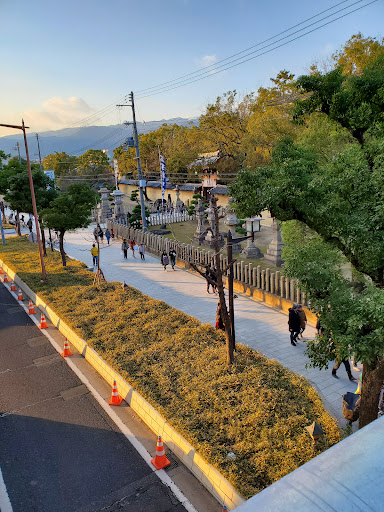
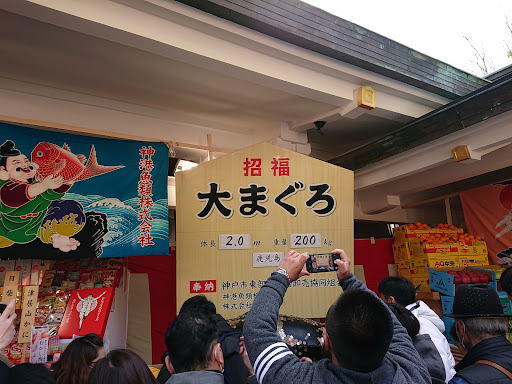
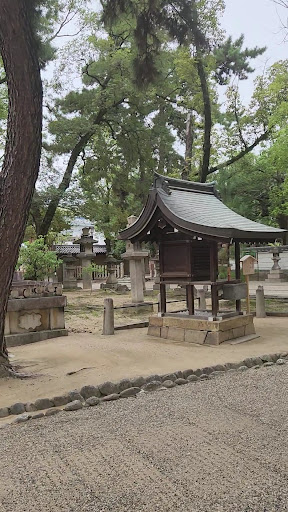
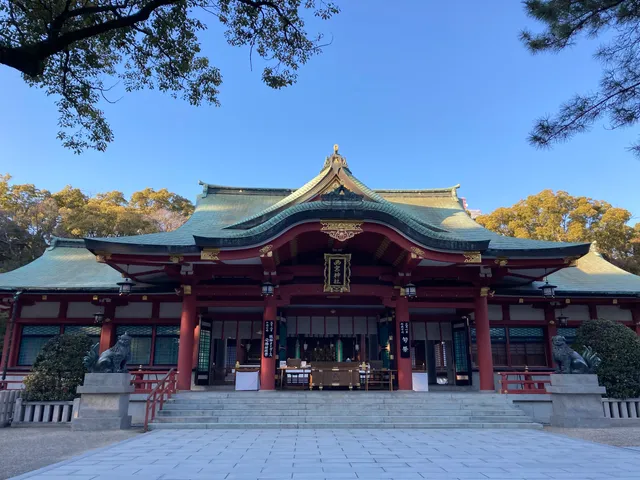
Nishinomiya Shrine is a Shinto shrine in Nishinomiya, Hyōgo, Japan. It is the head shrine of the Ebisu sect of Shinto, and it is said that there are about 3,500 shrines under it. Locals call the shrine "Ebessan".
Cultural
Family friendly
attractions: Nishinomiya Naritasan / Enmanji Temple, Manbou Tunnel, Shukugawa Park, Tatsuuma Archaeological Museum, Nishinomiya Municipal Folk Museum, Nishinomiya City Shimin Gallery, Rokutanji Park, ギャラリー小さい芽, Nishida Park, Nishinomiya Traffic Park- Kubo Park, restaurants: Hirune, Gyoza no Ohsho Nishinomiya Ebisu Branch, Tsumiki, KURA SUSHI Sakura Shukugawa Branch, Ristorante da'lupo322, Isoya Namihei, Yataizushi Hanshin-Nishinomiya-ebisumachi, Batten Sushi, Mokkosu, Yakiniku Kankokuryori KollaBo (Korabo) Ebisutanishinomiyaten, local businesses: Kamo Shrine, smart365 西宮本店, Divine Pond, Ebista Nishinomiya, Hangesho, Grand Front Gate, Kampai Sake Tours, Grand Mud Wall, Nishinomiya Station, HANSHIN Nishinomiya Store
 Learn more insights from Wanderboat AI.
Phone
+81 798-33-0321
Website
nishinomiya-ebisu.com
Open hoursSee all hours
Wed9 AM - 5 PMClosed
Plan your stay

Pet-friendly Hotels in Nishinomiya
Find a cozy hotel nearby and make it a full experience.

Affordable Hotels in Nishinomiya
Find a cozy hotel nearby and make it a full experience.

The Coolest Hotels You Haven't Heard Of (Yet)
Find a cozy hotel nearby and make it a full experience.

Trending Stays Worth the Hype in Nishinomiya
Find a cozy hotel nearby and make it a full experience.
Reviews
Live events
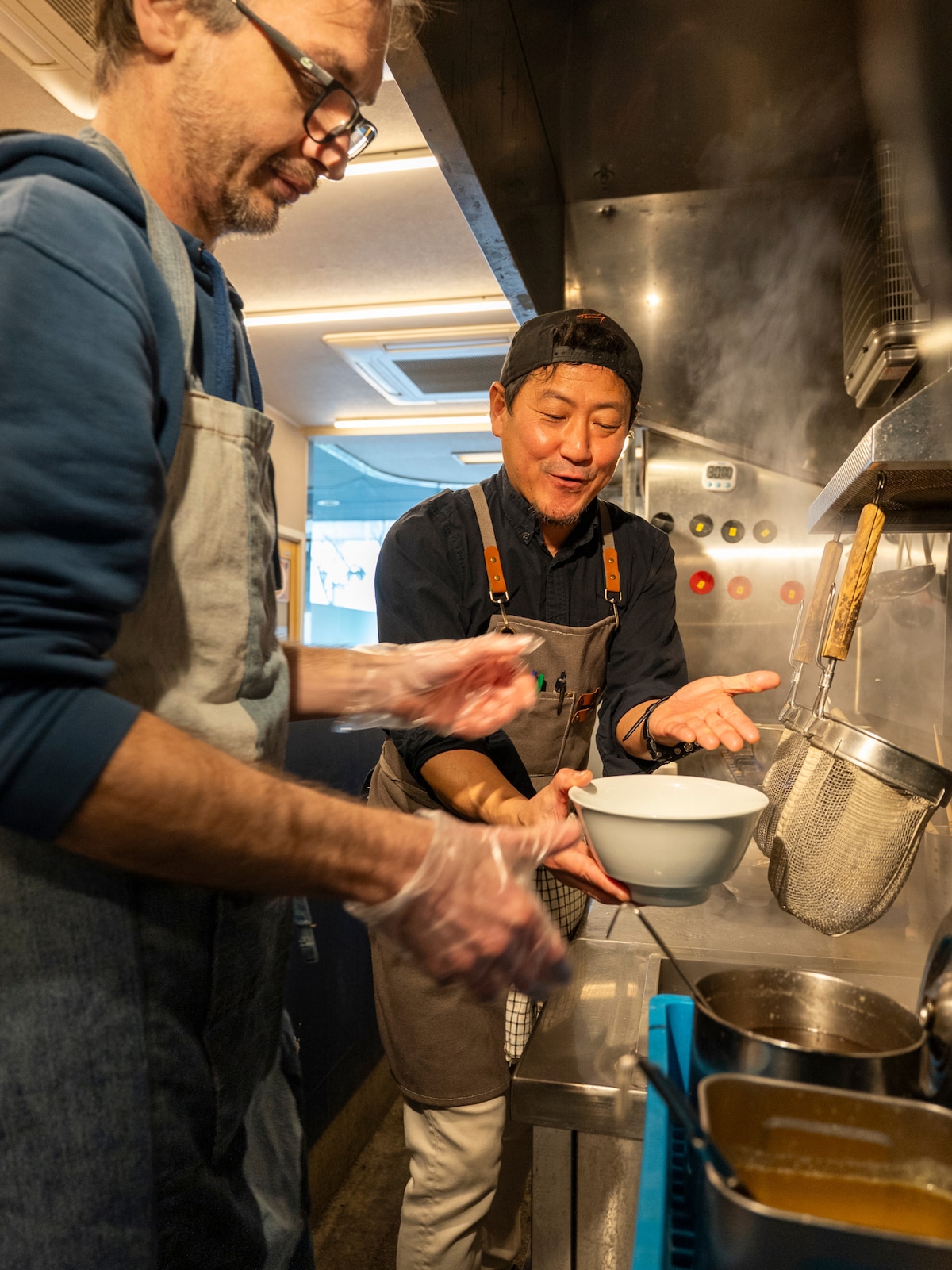
Experience making ramen in a private kitchen in Osaka!
Thu, Jan 29 • 9:30 AM
543-0021, Osaka, Osaka, Japan
View details
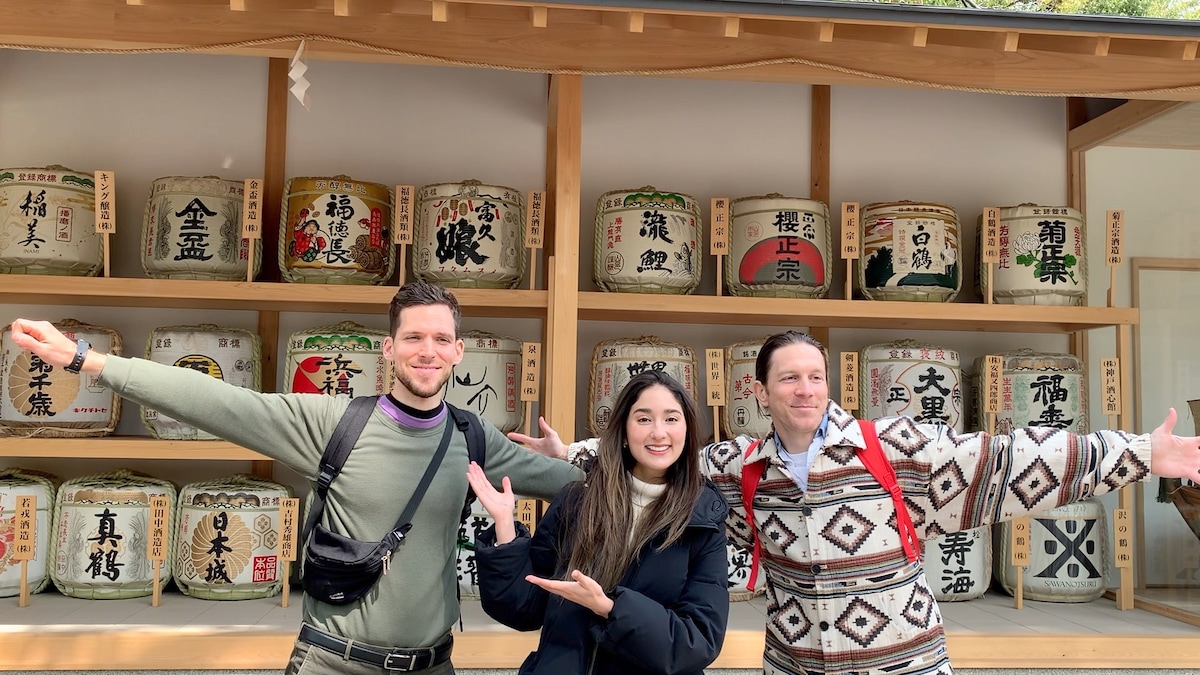
Walk with a sake master, learn about the sake brewery in Kobe, Nadagogo, and toast with local sake
Mon, Feb 2 • 1:00 PM
658-0044, Hyogo, Kobe, Japan
View details

Exciting & Fun Language Exchange British pub Umeda楽しい言語交換Meetu
Mon, Feb 2 • 7:30 PM
北区茶屋町3−4 #2F, 大阪市, 大阪府 530-0013
View details
Nearby attractions of Nishinomiya Jinja (Nishinomiya Ebisu)
Nishinomiya Naritasan / Enmanji Temple
Manbou Tunnel
Shukugawa Park
Tatsuuma Archaeological Museum
Nishinomiya Municipal Folk Museum
Nishinomiya City Shimin Gallery
Rokutanji Park
ギャラリー小さい芽
Nishida Park
Nishinomiya Traffic Park- Kubo Park
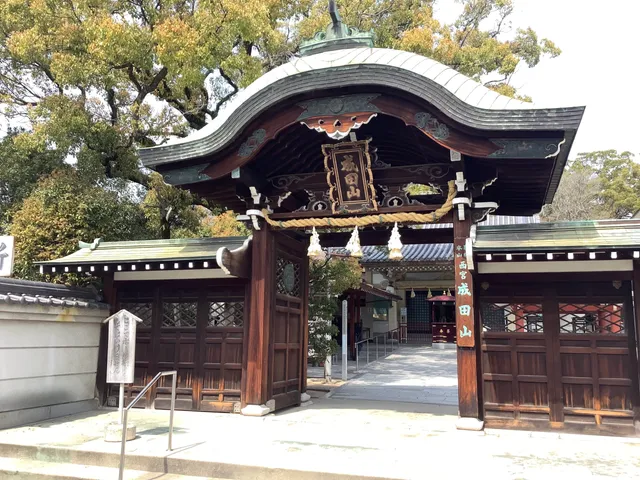
Nishinomiya Naritasan / Enmanji Temple
4.1
(106)
Closed
Click for details
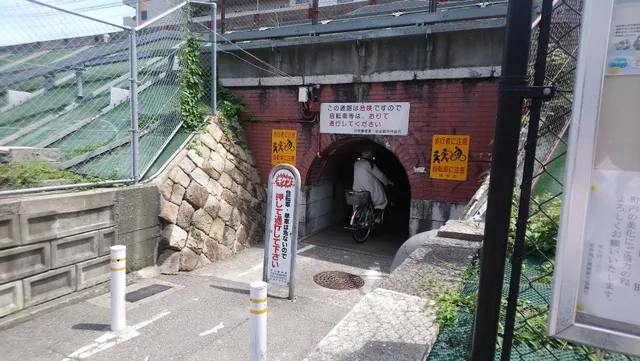
Manbou Tunnel
4.2
(21)
Open until 12:00 AM
Click for details
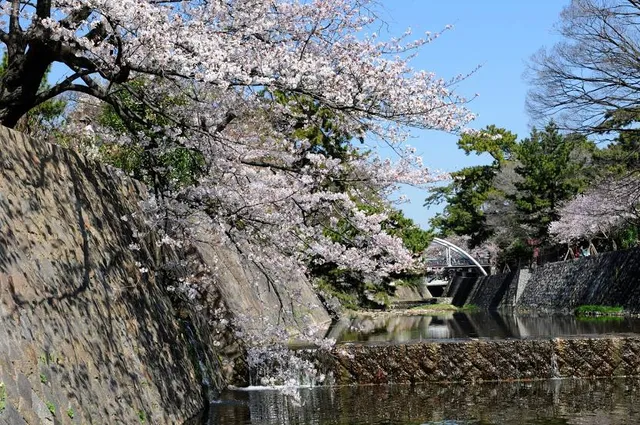
Shukugawa Park
4.3
(43)
Closed
Click for details
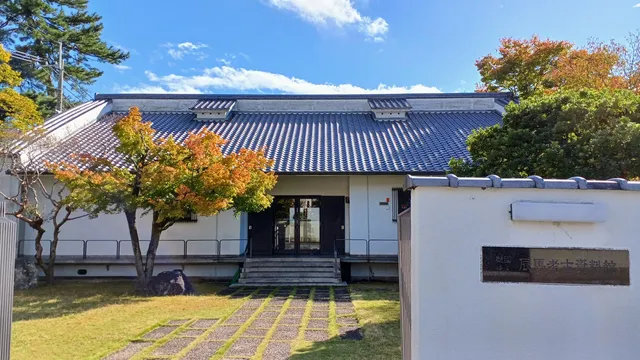
Tatsuuma Archaeological Museum
3.7
(14)
Open 24 hours
Click for details
Nearby restaurants of Nishinomiya Jinja (Nishinomiya Ebisu)
Hirune
Gyoza no Ohsho Nishinomiya Ebisu Branch
Tsumiki
KURA SUSHI Sakura Shukugawa Branch
Ristorante da'lupo322
Isoya Namihei
Yataizushi Hanshin-Nishinomiya-ebisumachi
Batten Sushi
Mokkosu
Yakiniku Kankokuryori KollaBo (Korabo) Ebisutanishinomiyaten
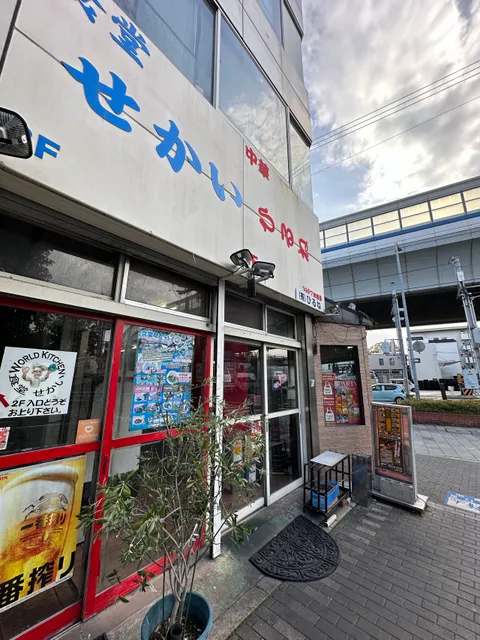
Hirune
3.5
(517)
Open until 3:00 AM
Click for details
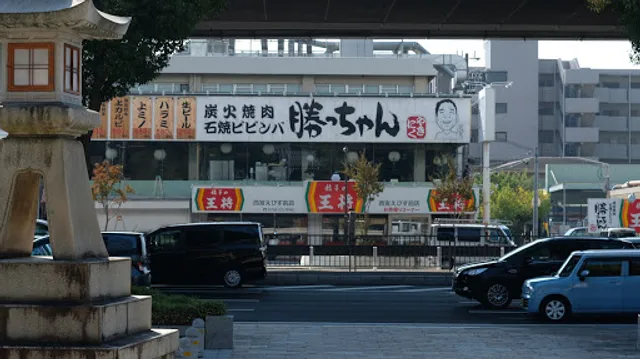
Gyoza no Ohsho Nishinomiya Ebisu Branch
3.6
(326)
Closed
Click for details
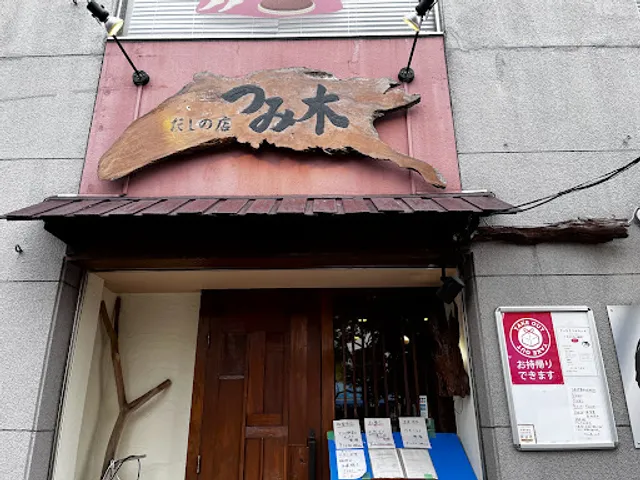
Tsumiki
4.1
(138)
Open until 12:00 AM
Click for details
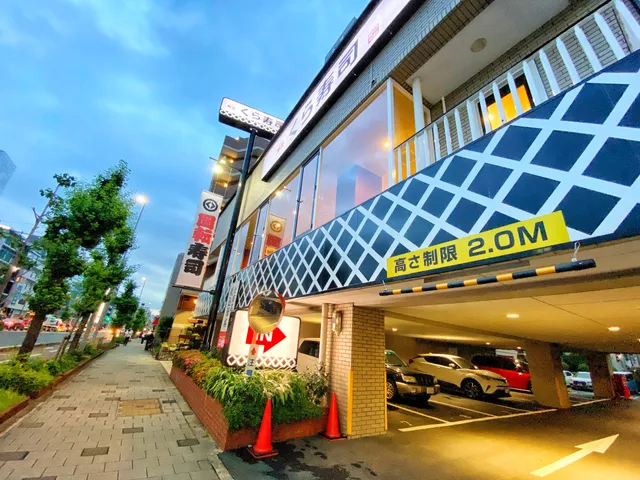
KURA SUSHI Sakura Shukugawa Branch
3.5
(562)
Closed
Click for details
Nearby local services of Nishinomiya Jinja (Nishinomiya Ebisu)
Kamo Shrine
smart365 西宮本店
Divine Pond
Ebista Nishinomiya
Hangesho
Grand Front Gate
Kampai Sake Tours
Grand Mud Wall
Nishinomiya Station
HANSHIN Nishinomiya Store
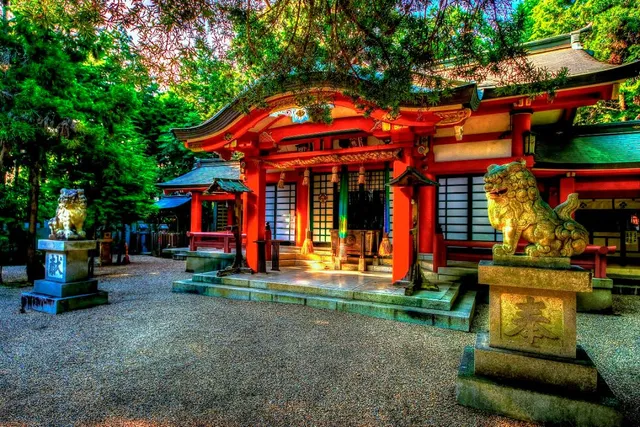
Kamo Shrine
4.1
(51)
Click for details
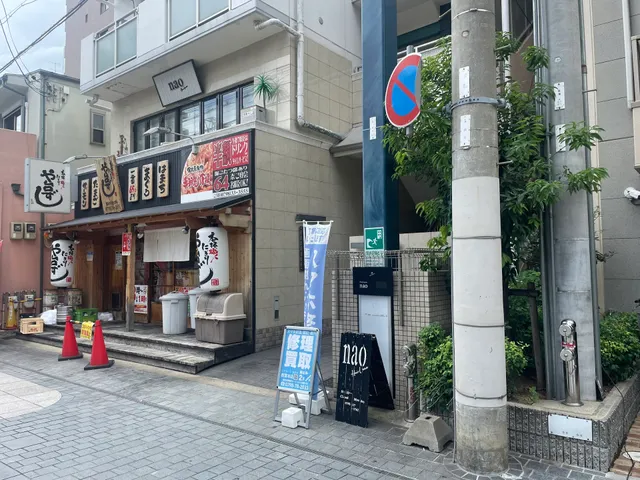
smart365 西宮本店
4.8
(382)
Click for details
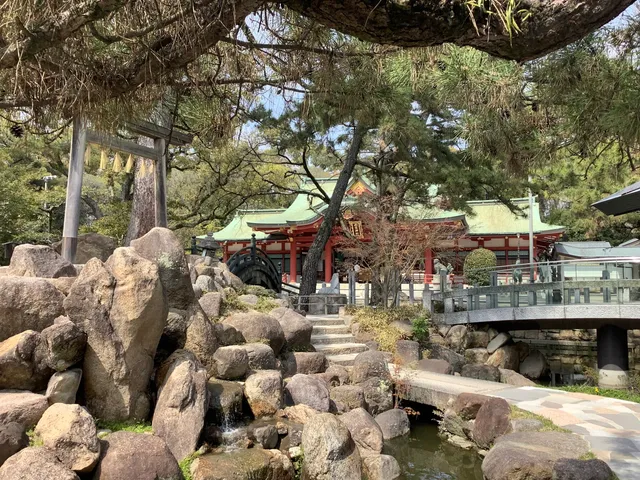
Divine Pond
4.2
(11)
Click for details
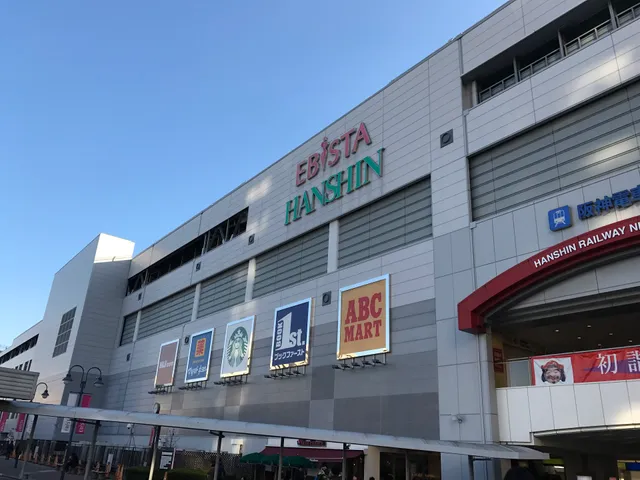
Ebista Nishinomiya
3.7
(1.3K)
Click for details