Hiroshi Sugimoto's Enoura Observatory opened to the public in October 2017, and I read a short article about it in a Bangkok design magazine earlier this year. So, our planned trip to the area in May offered an ideal opportunity to go and see this ambitious work.
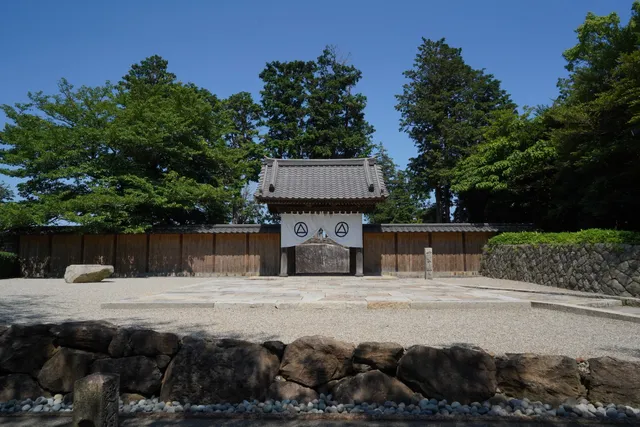
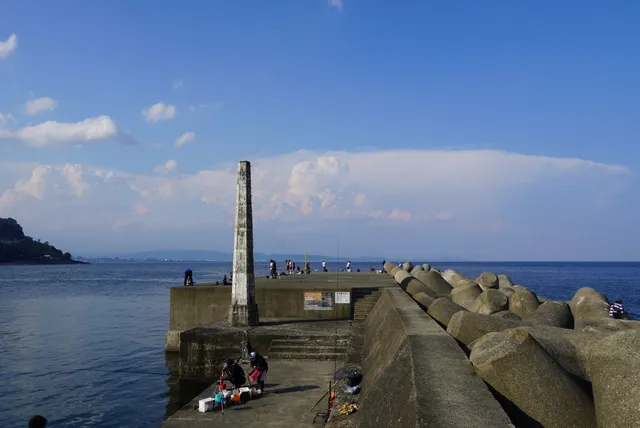
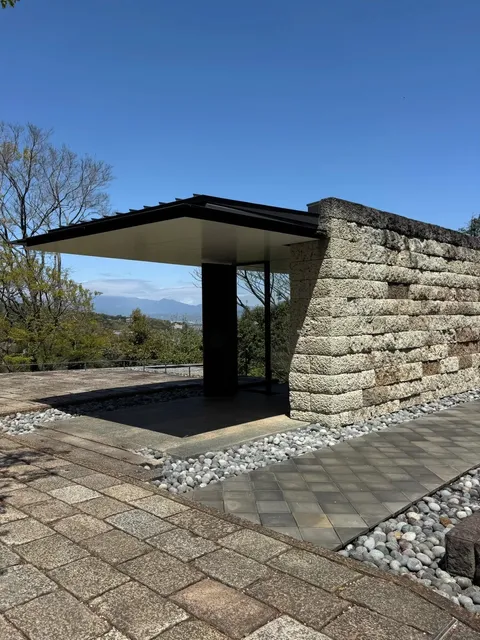
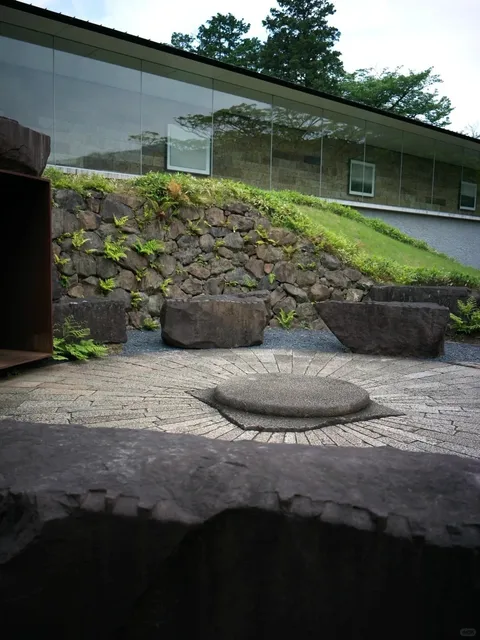
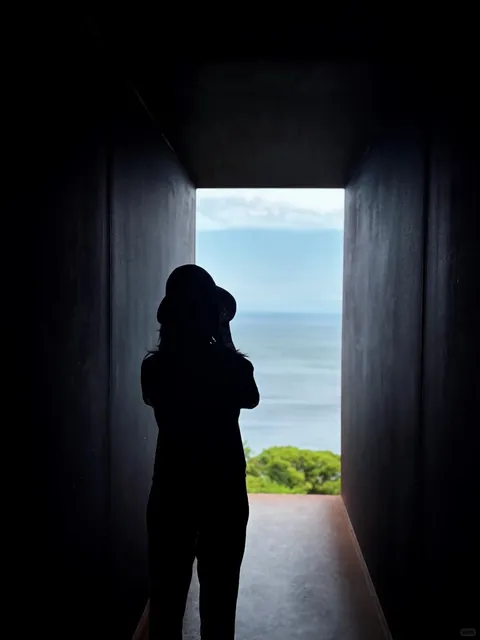
It's all about mankind's place on earth and in the universe, and a search for identity which became the moving force underlying art. Here in Enoura, Sugimoto has arranged old stones, wood, glass and trees to create a harmonious whole seated on a hilltop overlooking the waters of Sagami Bay. Some of the stones and buildings are arranged to capture the rays of the rising sun on the winter and summer solstices and the equinoxes, and -- perhaps like the builders of Stonehenge and other constructions that relate to the stars -- one of Sugimoto's motivations was to produce a future relic, envisaging some thousands of years from now when the ruins of his Observatory are discovered by our ancestors who look with interest upon the remnants and wonder what purpose this place served.
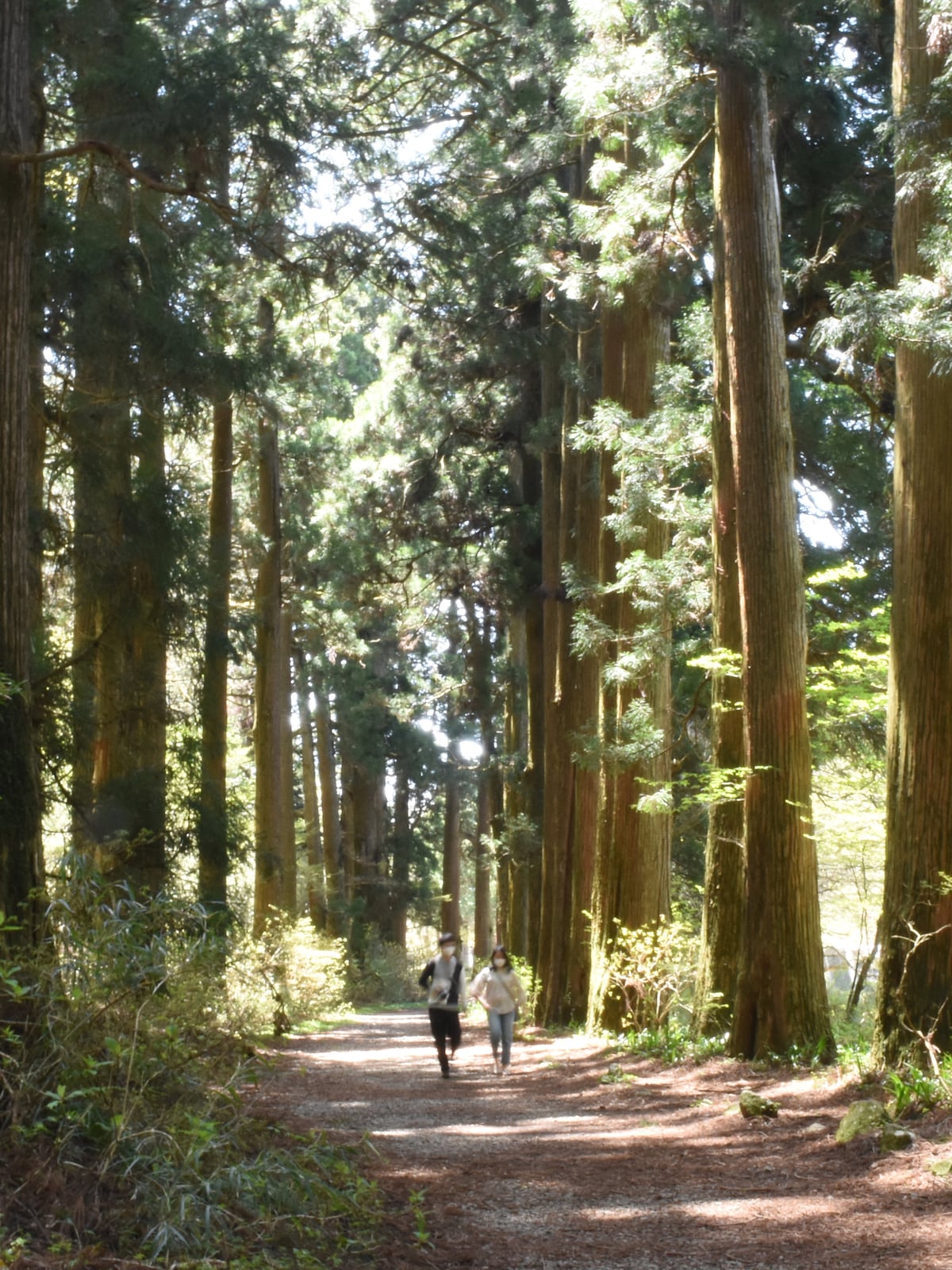
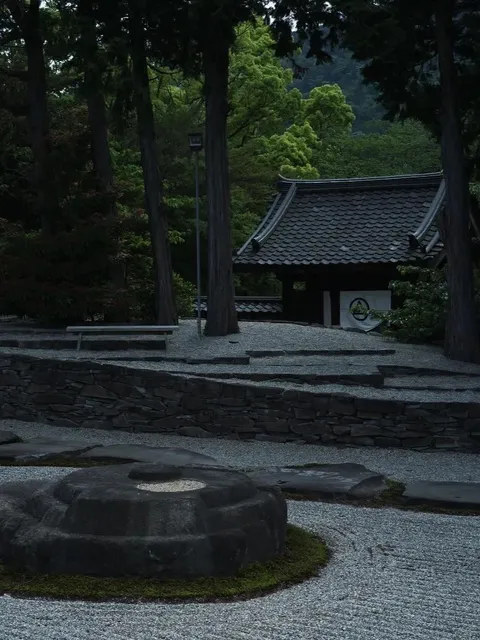
We absolutely adored what Sugimoto has built. There is a zen quality about the sparseness of much of it, but softened by trees, moss and the surrounding countryside which is always in some part of your view. Almost every artefact he has carefully positioned here has a story to tell, many coming from temples, streets or private houses dating back centuries. If you like the visual and tactile aspects of wood, stone (and metal), and are moved by expressions of man's interaction and co-existence with nature, then I am sure you will love the Observatory, and I cannot recommend it to you highly enough.
On the practical side, to maintain the tranquility and ensure the site is never crowded, entry is by pre-booking only, and there are three 2-hour time slots a day in summer (10am - noon, 1pm - 3pm, 4pm - 6pm), and two in winter. Cost is currently 3,240Yen (kids must be 12+) with no group discounts. All of this works to keep the mass market tourists and tour buses away, which I couldn't applaud more as the Observatory would lose all meaning if it were packed out. There are free shuttle buses from Nebukawa train station, or free parking for your car. You need to book the bus or car park space at the same time as your...
Read moreThe Enoura Observatory, operated by the Odawara Cultural Foundation and located in Enoura, captivates visitors with its distinctive blend of contemporary art, historical preservation, and stunning natural surroundings. Accessible by reservation only, the observatory provides an exclusive and intimate experience.
Nestled in the picturesque coastal town of Enoura, the observatory seamlessly integrates modern architecture with traditional Japanese design. Architect Hiroshi Sugimoto envisioned a space that harmonizes with its surroundings, creating an immersive and thought-provoking environment.
One of the observatory's highlights is the integration of ancient artifacts and historic structures into the landscape. These elements, including a reconstructed Noh stage and centuries-old stone carvings, contribute to a unique cultural tapestry that bridges the past and present.
The observatory's art installations, curated by Sugimoto, showcase a diverse range of contemporary works. From thought-provoking sculptures to avant-garde exhibitions, the artistic offerings complement the natural beauty of the site. The juxtaposition of modern art against the historical backdrop adds layers of meaning to the visitor's experience.
The meticulous attention to detail extends to the seasonal gardens, offering a tranquil setting for contemplation. Visitors often commend the observatory's commitment to preserving cultural heritage while fostering a dynamic space for artistic exploration.
In conclusion, the Enoura Observatory is a gem on the Japanese cultural landscape, where history, art, and nature converge to create a truly enriching and unforgettable experience for those fortunate enough to secure a...
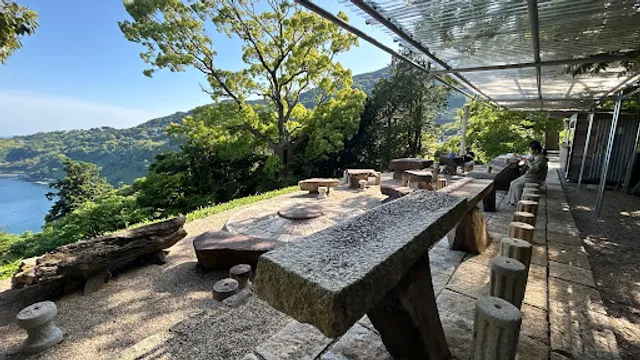
Read moreCalm, zen oasis for those wanting a break from Tokyo. Imagine art but in the form of land-based installations and structures. Visited on a Saturday and it wasn’t crowded. Take your time to walk around the grounds, sit on any open benches and just soak in the moment. Wonderful views of the ocean, but like many others mentioned, pray your day of visit is bright and sunny. A leisurely walk around the entire ground would probably take 1.5-2 hrs. There’s a cafe right at the entrance that sells citrus-based drinks (since there’s a citrus grove there).
Directions: definitely reserve your tickets online, together with the shuttle bus that will pick you up from Nebukawa Stn. Don’t get confused by the other shuttle bus which is for the Hilton Resort. Not advisable to walk from the train stn to the observatory since the road is narrow, hilly and it’s quite a distance away. If travelling from Tokyo Stn, can take the Shinkansen to Odawara Stn (33mins) before changing to a local train to Nebukawa Stn - this would be the fastest route but pricey due to the...
Read more