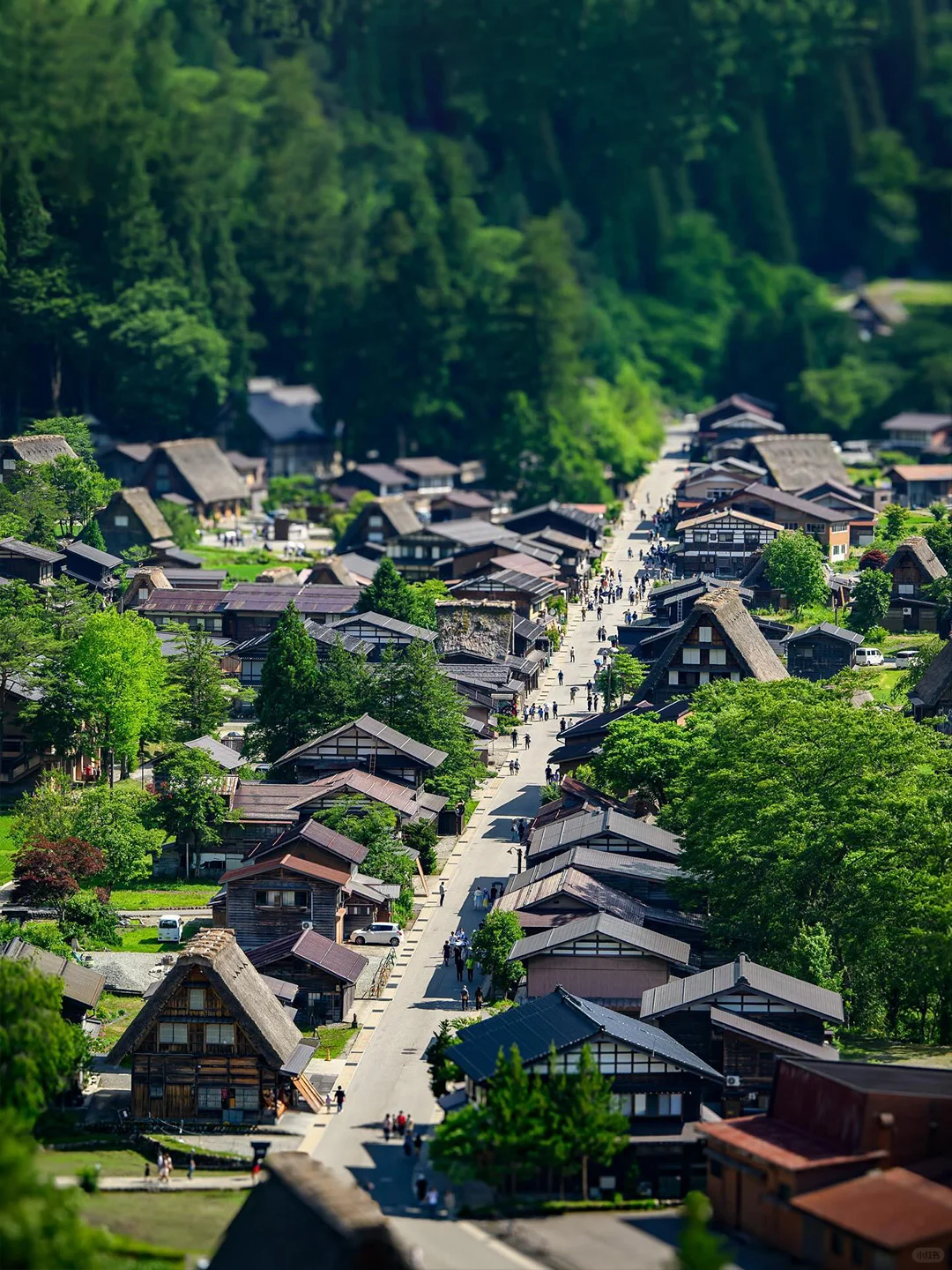
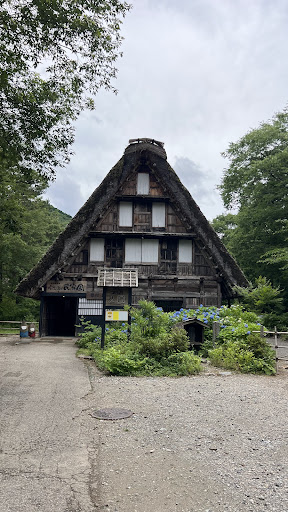
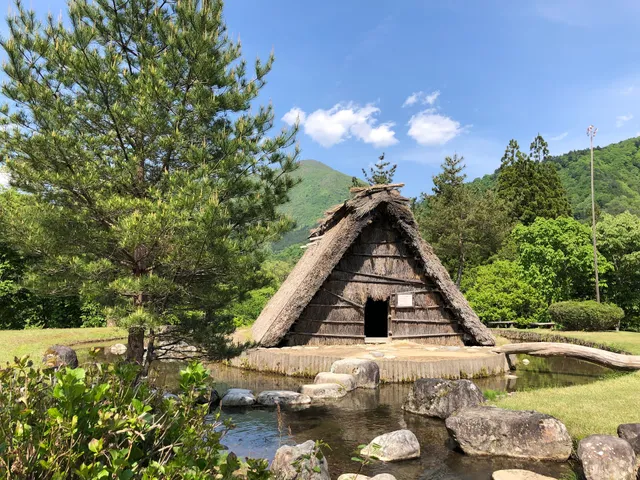
Shirakawa-go Gassho-Zukuri Minka-en things to do, attractions, restaurants, events info and trip planning
Basic Info
Shirakawa-go Gassho-Zukuri Minka-en
2499 Ogimachi, Shirakawa, Ono District, Gifu 501-5627, Japan
4.4(58)
Closed


tickets
Save
spot
spot
Ratings & Description
Info
Cultural
Outdoor
Scenic
Family friendly
Accessibility
attractions: Shirakawago Three Houses, Shirakawa-go, Deai no Yakata - Shirakawa-go Tourist Information Center, Jin Homura Art Museum, Shirakawa-go Tajima House Sericulture Museum, Shirakawa Town Gassho Village, Myozenji, Kanda House, Myozenji Museum, どぶろく祭りの館, restaurants: Kodaijin, ”Kyoshu” Traditional Coffee Shop, Southside Cafe, Hakuraku, Shirakawago Purin no Ie (Pudding House), Hanamizuki Shirakawa, 白川郷 花鳥風月, Karyudo, Ochūdo Cafe, Egaoya Cafe, local businesses: Gassho-zukuri Minkaen, Soba dojo Restaurant, Shirakawagō Seseragi Park Parking Lot., Shirakawa-go World Heritage Site Gassho Style Preservation Trust, Kodaijin Souvenir Store, Deai Bridge, Shop, Hachiman Shrine Shirakawa, Ogimachi Suspension Bridge, 合掌村Park Bus Parking Lot
 Learn more insights from Wanderboat AI.
Phone
+81 5769-6-1231
Website
shirakawago-minkaen.jp
Open hoursSee all hours
TueClosed
Plan your stay

Pet-friendly Hotels in Shirakawa
Find a cozy hotel nearby and make it a full experience.

Affordable Hotels in Shirakawa
Find a cozy hotel nearby and make it a full experience.

The Coolest Hotels You Haven't Heard Of (Yet)
Find a cozy hotel nearby and make it a full experience.

Trending Stays Worth the Hype in Shirakawa
Find a cozy hotel nearby and make it a full experience.
Reviews
Live events
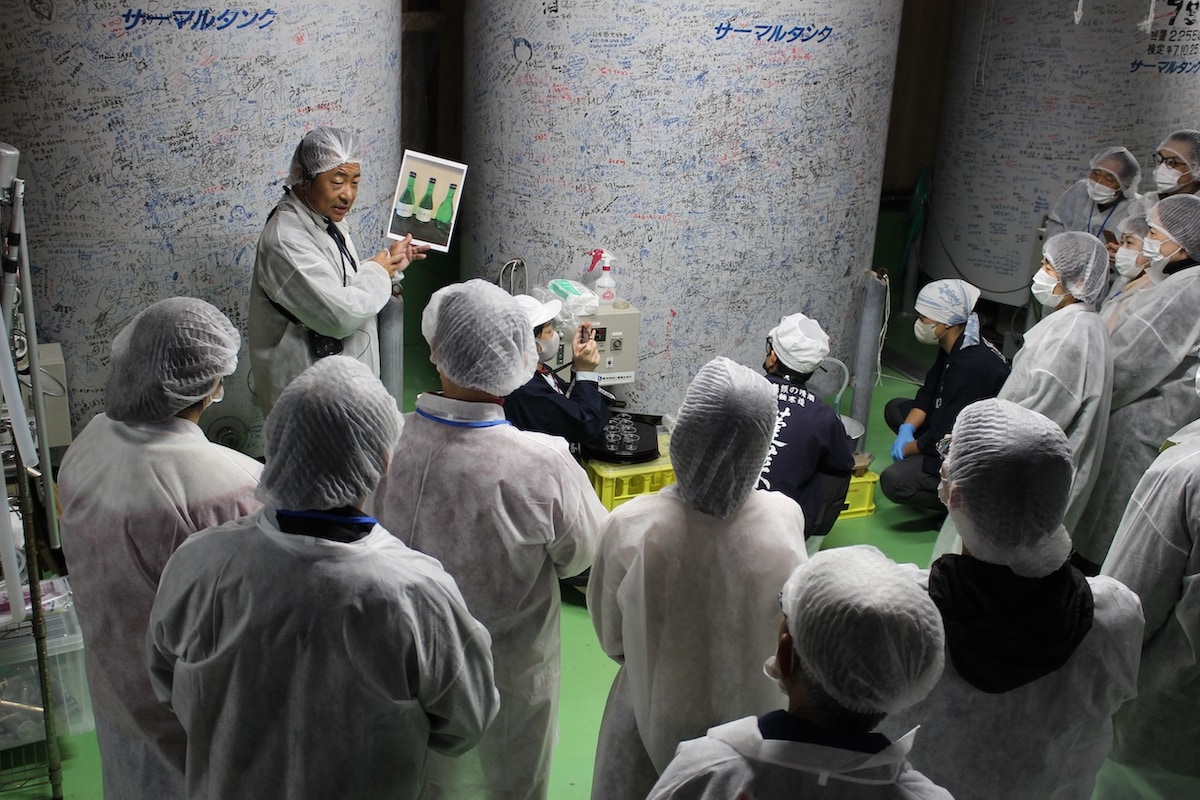
Experience at Watanabe Shuzo
Sake tasting & brewery tour
Thu, Feb 12 • 10:30 AM
509-4234, Gifu, Hida, Japan
View details
Nearby attractions of Shirakawa-go Gassho-Zukuri Minka-en
Shirakawago Three Houses
Shirakawa-go
Deai no Yakata - Shirakawa-go Tourist Information Center
Jin Homura Art Museum
Shirakawa-go Tajima House Sericulture Museum
Shirakawa Town Gassho Village
Myozenji
Kanda House
Myozenji Museum
どぶろく祭りの館
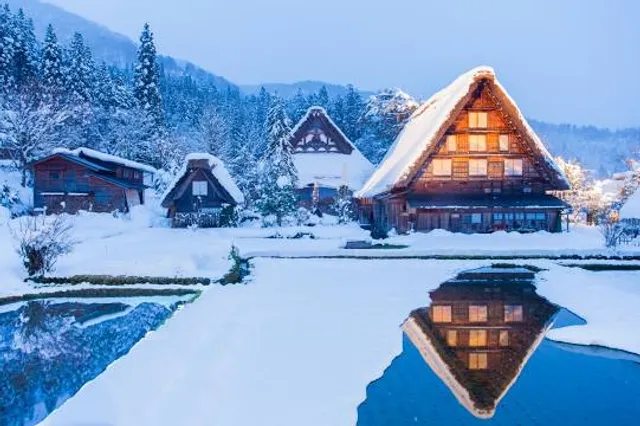
Shirakawago Three Houses
4.5
(762)
Open 24 hours
Click for details
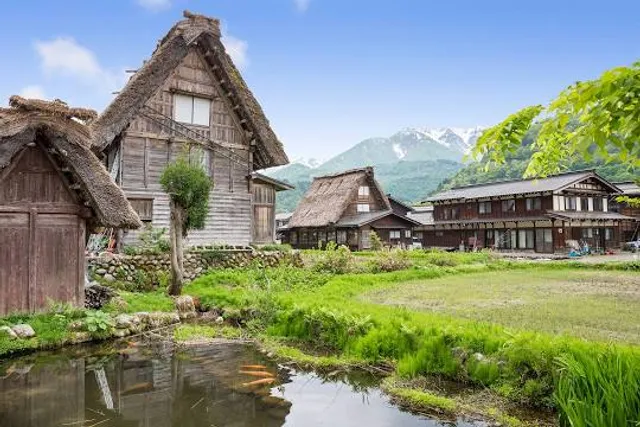
Shirakawa-go
4.5
(14.3K)
Open 24 hours
Click for details
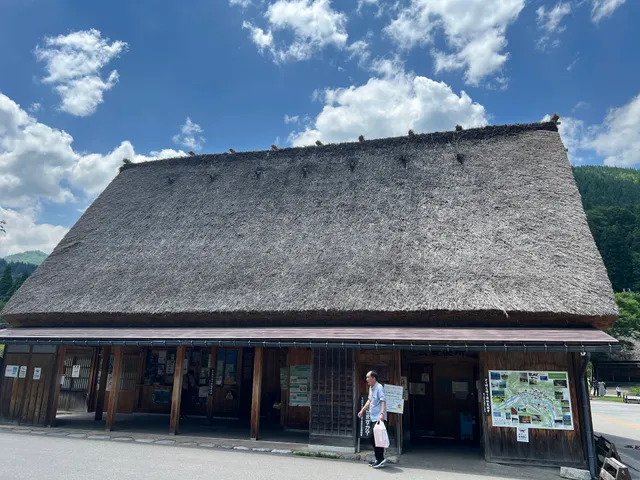
Deai no Yakata - Shirakawa-go Tourist Information Center
3.7
(17)
Open until 5:00 PM
Click for details

Jin Homura Art Museum
4.0
(31)
Open 24 hours
Click for details
Nearby restaurants of Shirakawa-go Gassho-Zukuri Minka-en
Kodaijin
”Kyoshu” Traditional Coffee Shop
Southside Cafe
Hakuraku
Shirakawago Purin no Ie (Pudding House)
Hanamizuki Shirakawa
白川郷 花鳥風月
Karyudo
Ochūdo Cafe
Egaoya Cafe
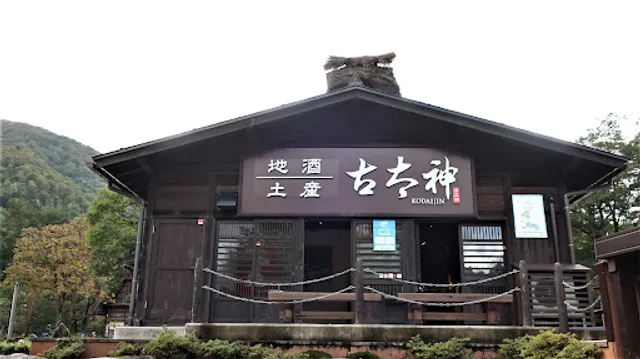
Kodaijin
2.7
(10)
Click for details
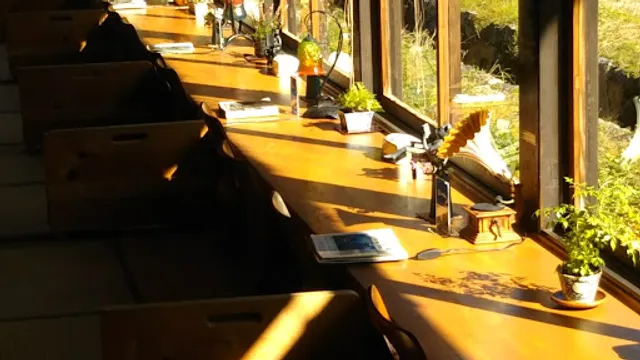
”Kyoshu” Traditional Coffee Shop
4.7
(243)
Open until 12:00 AM
Click for details
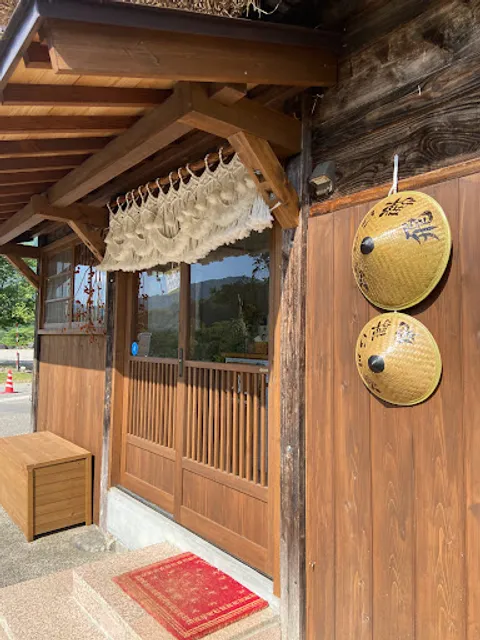
Southside Cafe
4.8
(47)
Click for details
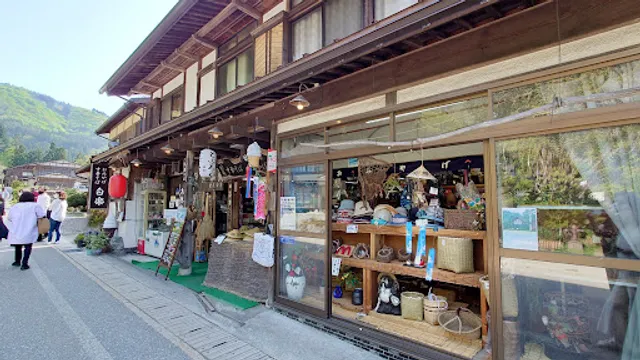
Hakuraku
4.5
(74)
Open until 4:00 PM
Click for details
Nearby local services of Shirakawa-go Gassho-Zukuri Minka-en
Gassho-zukuri Minkaen
Soba dojo Restaurant
Shirakawagō Seseragi Park Parking Lot.
Shirakawa-go World Heritage Site Gassho Style Preservation Trust
Kodaijin Souvenir Store
Deai Bridge
Shop
Hachiman Shrine Shirakawa
Ogimachi Suspension Bridge
合掌村Park Bus Parking Lot

Gassho-zukuri Minkaen
4.3
(661)
Click for details
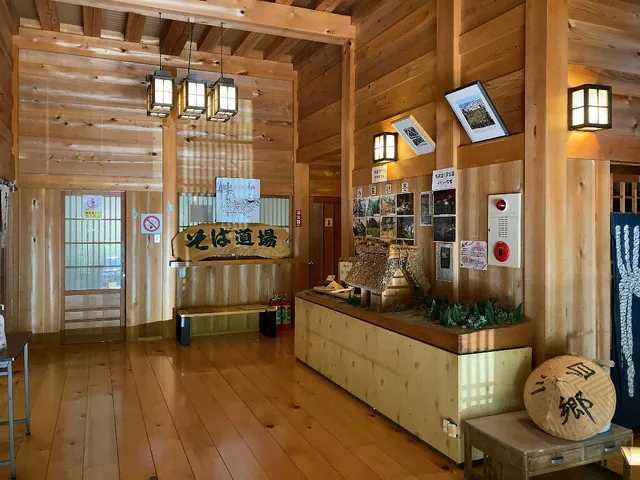
Soba dojo Restaurant
3.8
(56)
Click for details
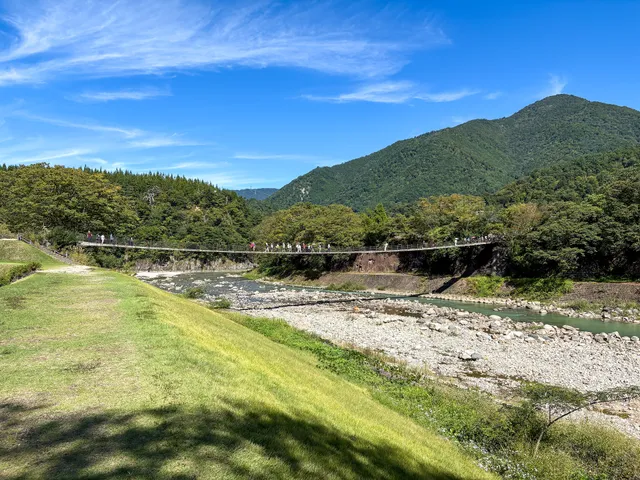
Shirakawagō Seseragi Park Parking Lot.
3.7
(488)
Click for details
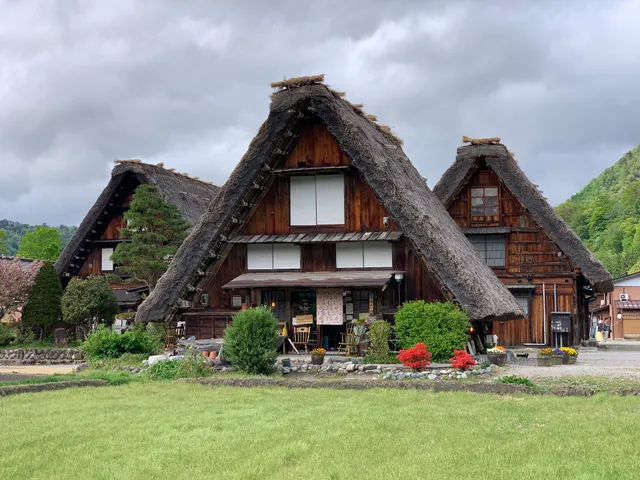
Shirakawa-go World Heritage Site Gassho Style Preservation Trust
4.5
(139)
Click for details