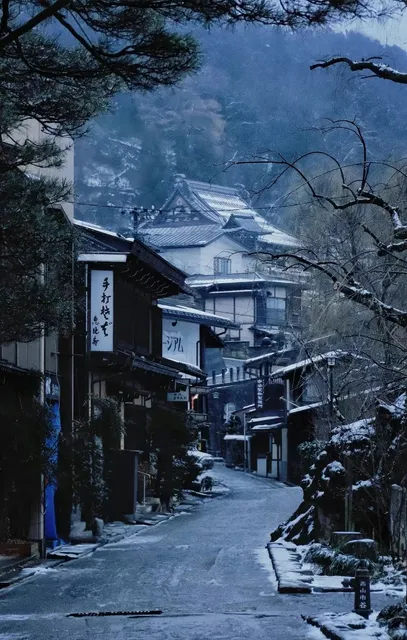
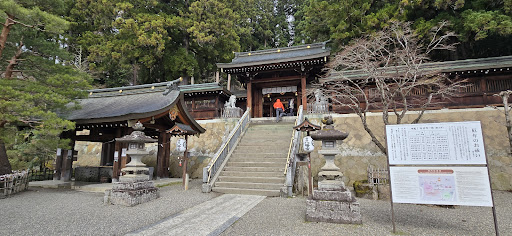
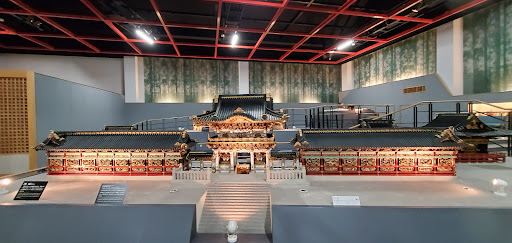
Sakurayama Hachimangu Shrine things to do, attractions, restaurants, events info and trip planning
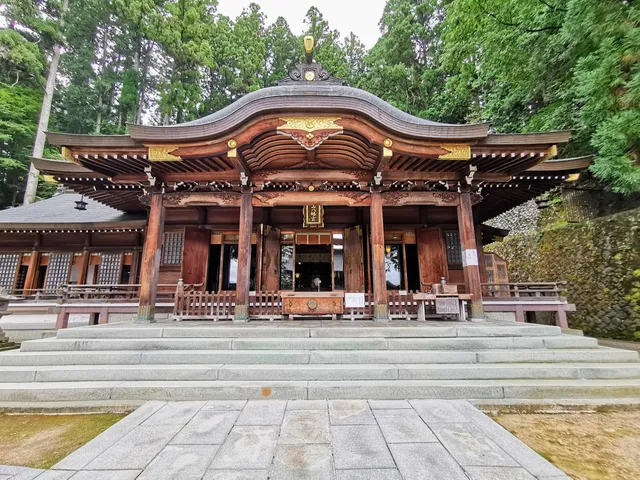
Basic Info
Sakurayama Hachimangu Shrine
178 Sakuramachi, Takayama, Gifu 506-0858, Japan
4.4(899)
Open until 12:00 AM
Save
spot
spot
Ratings & Description
Info
Cultural
Scenic
Family friendly
attractions: Takayama Matsuri Yatai Kaikan, Sakurayama Nikkokan, Takayama Betsuin Shoren-ji Temple, Miyagawa Morning Markets, Yoshijima Traditional House, 東山遊歩道, Takayama Shōwa-kan Museum, Higashiyama Teramachi/Higashiyama Promenade, Higashiyama Hakusan Shrine, Hidatakayama Sanmachi Historic District, restaurants: Cafe&Gallery takayamawarajiya 飛騨高山陶器専門店わらじ屋, Tori Coffee, Tabinoshiori, Sakurayama, itamen LOTUS LAND, Le Pain Mujo, Oku, カノコヤ 高山店, いちい(櫟)Ichii, Fukutaro, local businesses: Dream Factory Hida, Sooin, (有)山田春慶店, Kusakabe Traditional House, Yume Kojo Hida - Rice Cracker Factory - Make your own Ricecrackers, 山の耳, SATOH Sanfukuji, Antique Inn Sumiyoshi, 丸金商店, Unryuji
 Learn more insights from Wanderboat AI.
Phone
+81 577-32-0240
Website
hidahachimangu.jp
Open hoursSee all hours
WedOpen 24 hoursOpen
Plan your stay

Pet-friendly Hotels in Takayama
Find a cozy hotel nearby and make it a full experience.

Affordable Hotels in Takayama
Find a cozy hotel nearby and make it a full experience.

The Coolest Hotels You Haven't Heard Of (Yet)
Find a cozy hotel nearby and make it a full experience.

Trending Stays Worth the Hype in Takayama
Find a cozy hotel nearby and make it a full experience.
Reviews
Live events
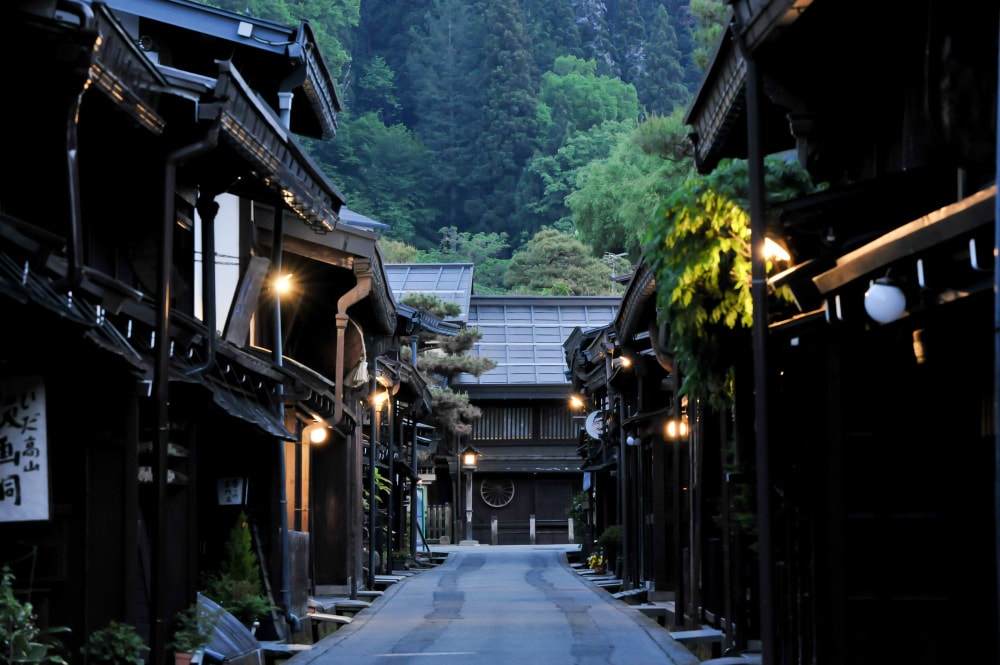
Unlock Takayama: 5-Senses Morning Walk in English
Fri, Feb 27 • 9:00 AM
506-0053, Gifu, Takayama, Japan
View details
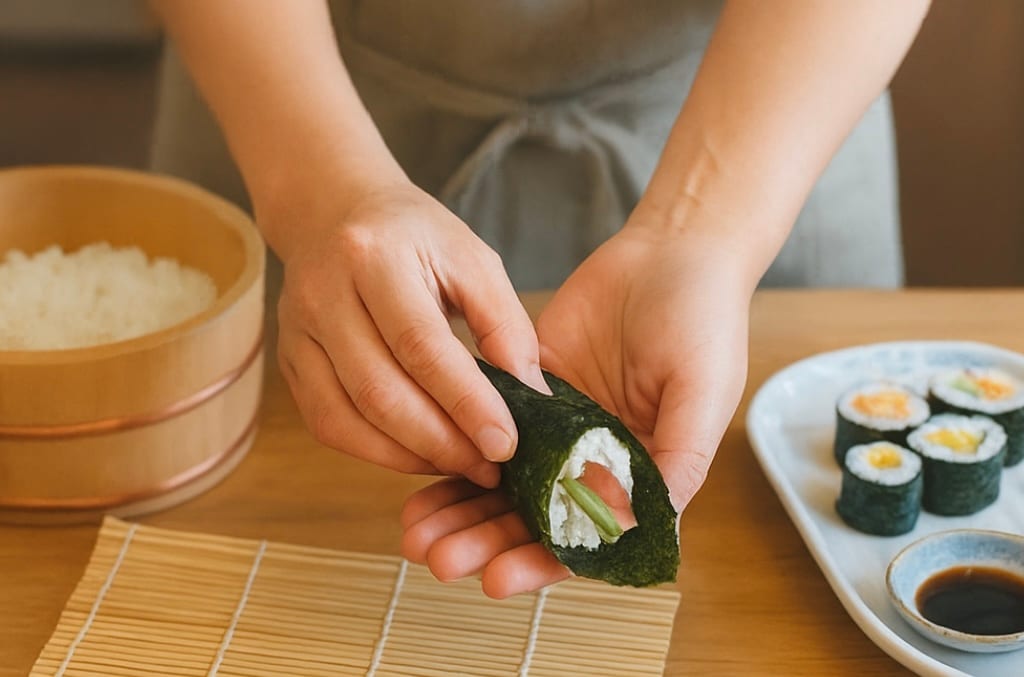
Make miso soup with traditional Japanese dashi stock and a variety of sushi rolls
Thu, Feb 26 • 10:30 AM
506-0851, Gifu, Takayama, Japan
View details
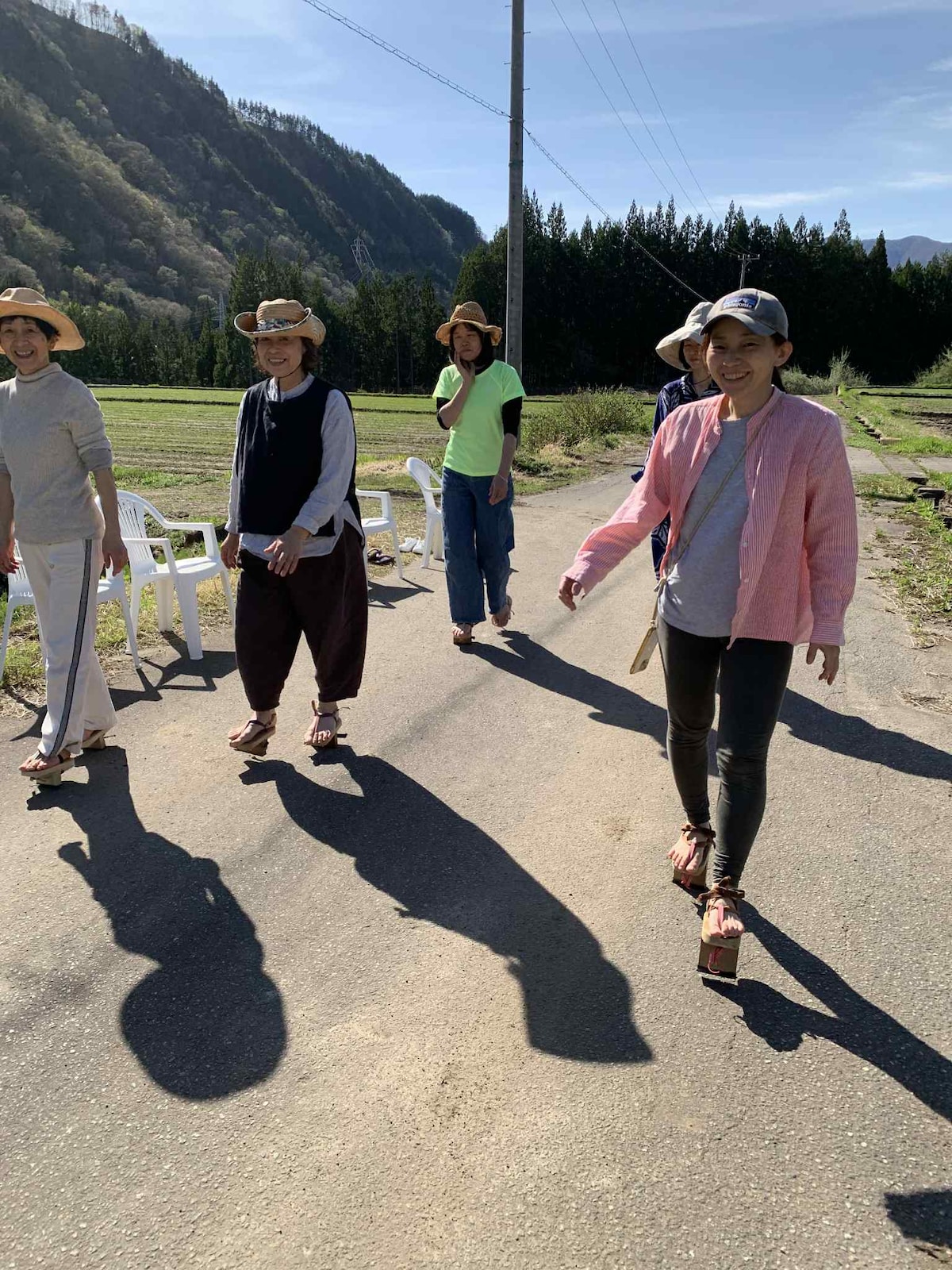
Traditional Sigle-Tooth Geta Guided Walk in Hida
Fri, Feb 27 • 12:30 PM
506-1161, Gifu, Hida, Japan
View details
Nearby attractions of Sakurayama Hachimangu Shrine
Takayama Matsuri Yatai Kaikan
Sakurayama Nikkokan
Takayama Betsuin Shoren-ji Temple
Miyagawa Morning Markets
Yoshijima Traditional House
東山遊歩道
Takayama Shōwa-kan Museum
Higashiyama Teramachi/Higashiyama Promenade
Higashiyama Hakusan Shrine
Hidatakayama Sanmachi Historic District
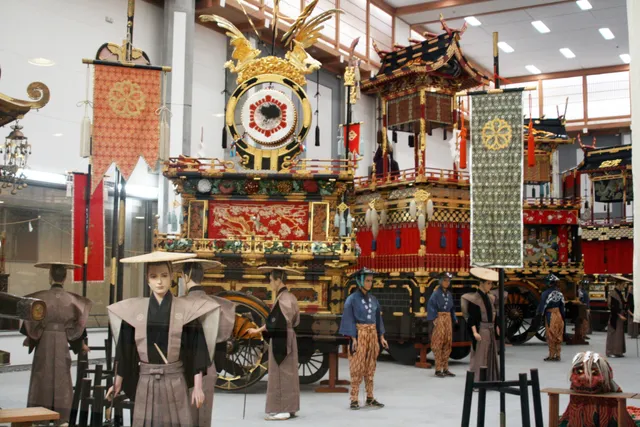
Takayama Matsuri Yatai Kaikan
4.0
(518)
Closed
Click for details
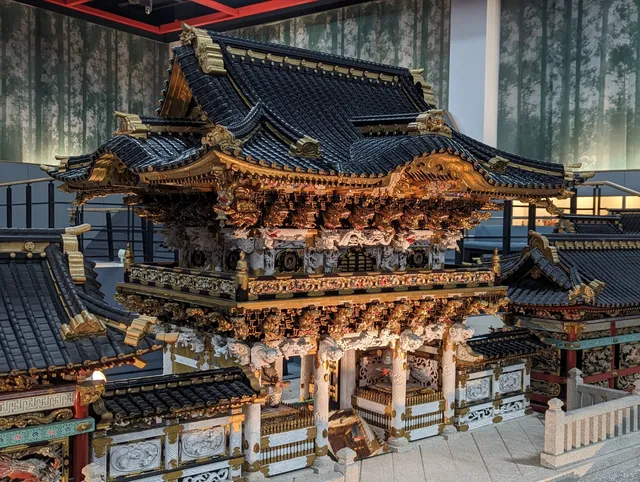
Sakurayama Nikkokan
4.4
(57)
Closed
Click for details
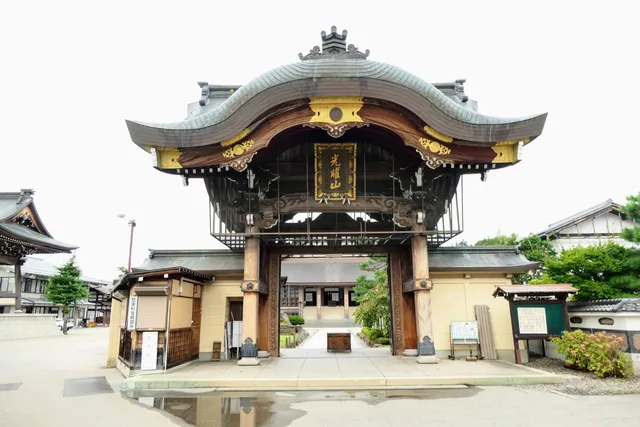
Takayama Betsuin Shoren-ji Temple
4.0
(580)
Open until 6:00 PM
Click for details
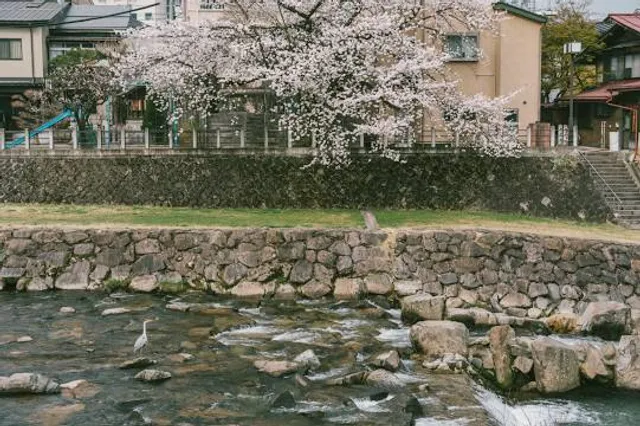
Miyagawa Morning Markets
4.1
(4K)
Closed
Click for details
Nearby restaurants of Sakurayama Hachimangu Shrine
Cafe&Gallery takayamawarajiya 飛騨高山陶器専門店わらじ屋
Tori Coffee
Tabinoshiori
Sakurayama
itamen LOTUS LAND
Le Pain Mujo
Oku
カノコヤ 高山店
いちい(櫟)Ichii
Fukutaro

Cafe&Gallery takayamawarajiya 飛騨高山陶器専門店わらじ屋
4.9
(108)
Open until 12:00 AM
Click for details
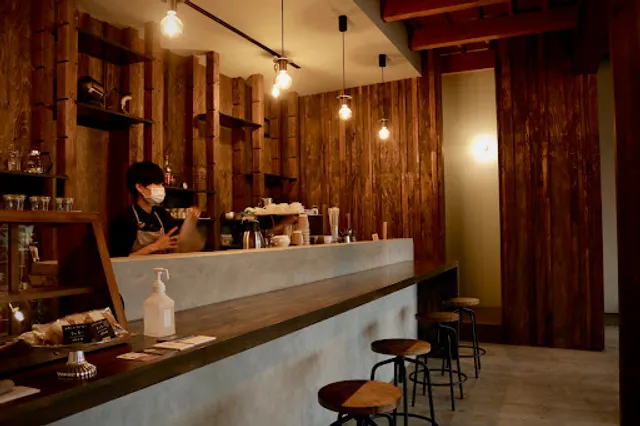
Tori Coffee
4.9
(189)
Closed
Click for details
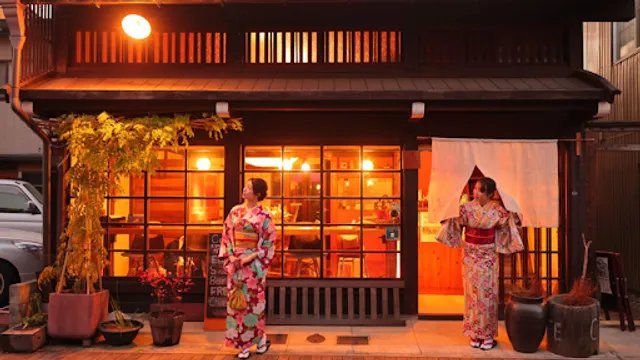
Tabinoshiori
4.7
(100)
$
Open until 5:00 PM
Click for details
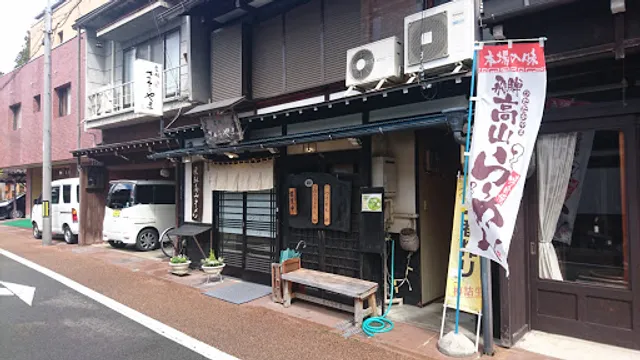
Sakurayama
4.1
(18)
Closed
Click for details
Nearby local services of Sakurayama Hachimangu Shrine
Dream Factory Hida
Sooin
(有)山田春慶店
Kusakabe Traditional House
Yume Kojo Hida - Rice Cracker Factory - Make your own Ricecrackers
山の耳
SATOH Sanfukuji
Antique Inn Sumiyoshi
丸金商店
Unryuji
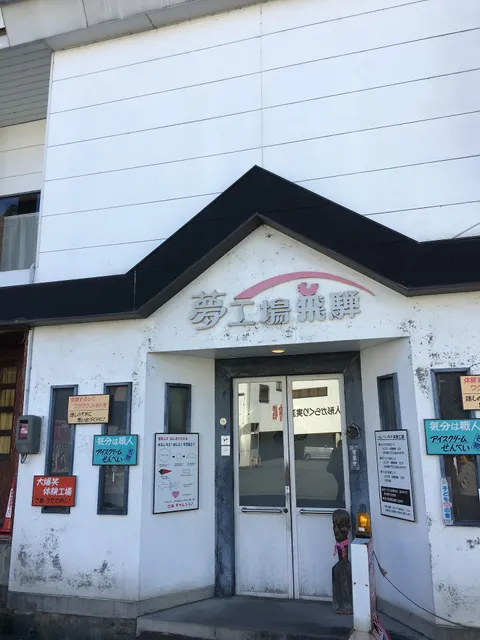
Dream Factory Hida
4.3
(74)
Click for details
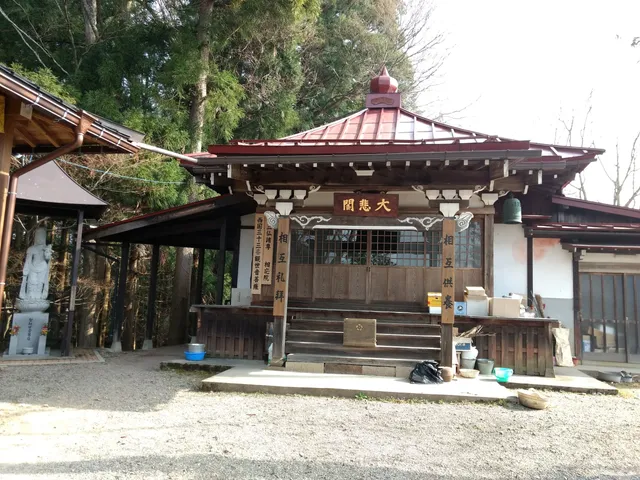
Sooin
4.0
(15)
Click for details
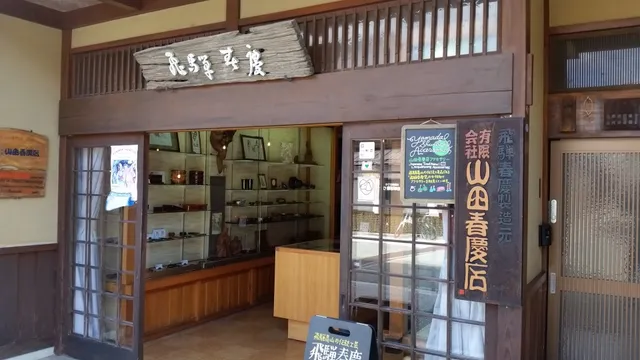
(有)山田春慶店
4.8
(28)
Click for details
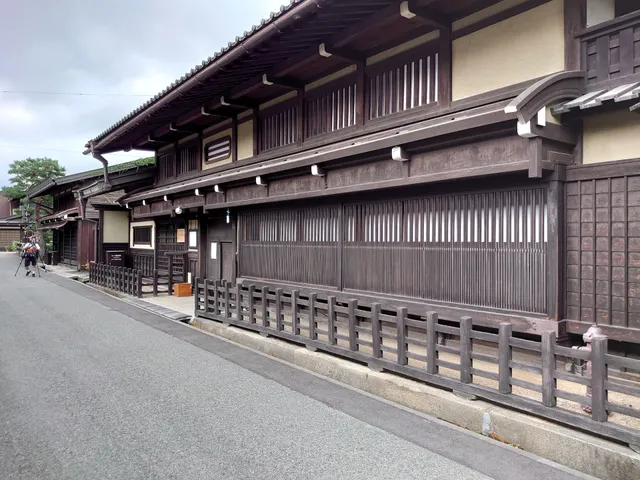
Kusakabe Traditional House
4.1
(190)
Click for details