Shibamata Taishakuten things to do, attractions, restaurants, events info and trip planning
Basic Info
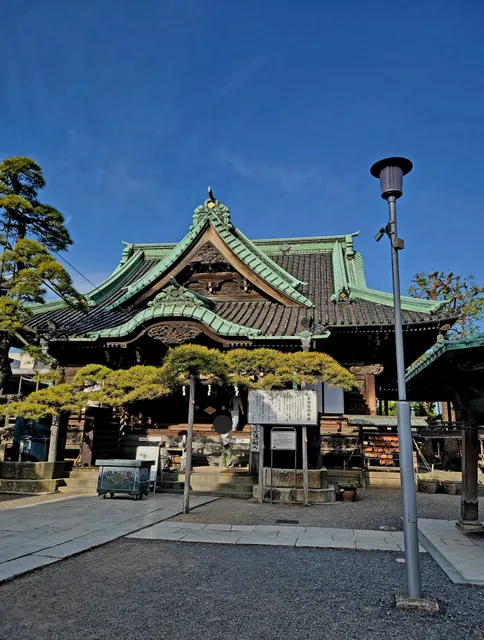
Shibamata Taishakuten
7 Chome-10-3 Shibamata, Katsushika City, Tokyo 125-0052, Japan
4.3(3.6K)
Closed


tickets
Save
spot
spot
Ratings & Description
Info
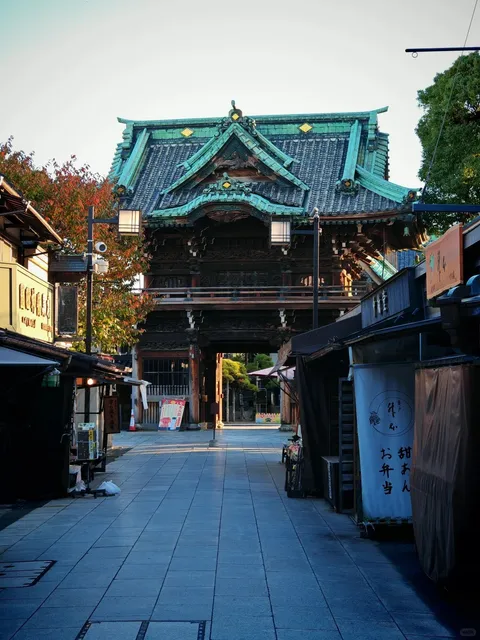
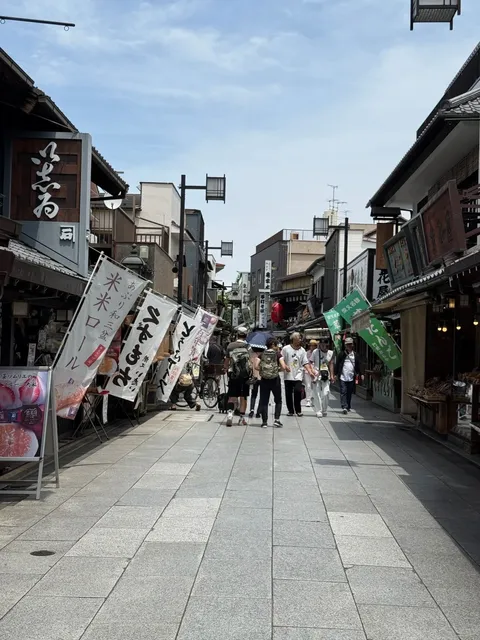
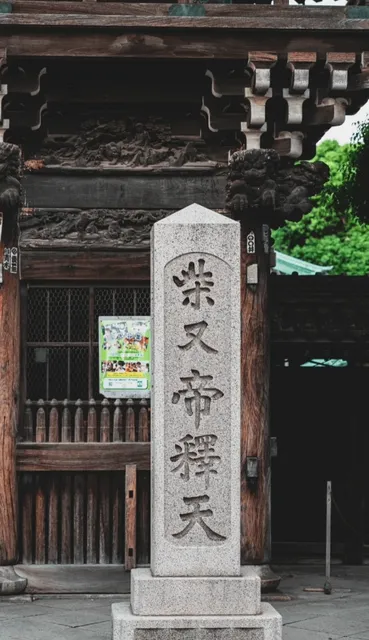
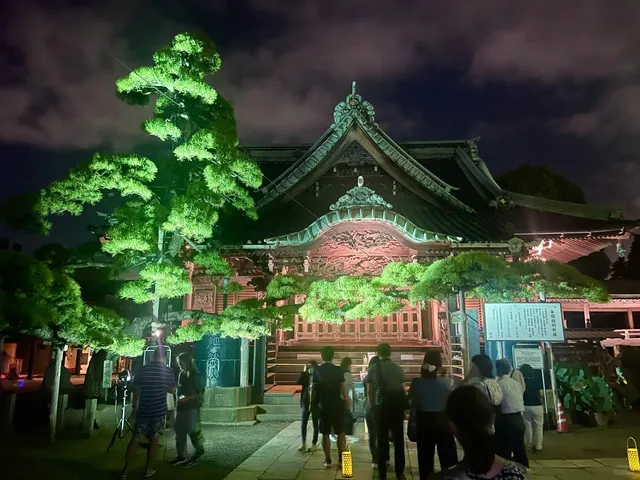
Daikyō-ji, popularly known as Shibamata Taishakuten, is a Nichiren-shū Buddhist temple in Katsushika, Tokyo, Japan. Founded in 1629, the main image is of Taishakuten. In 1996 the Ministry of the Environment designated the temple and its ferryboat as one of the 100 Soundscapes of Japan.
Cultural
Family friendly
attractions: Tora-san Museum, Shibamata Park, Daikyo Temple Taishakudou, Taishakuten Sandō, Suikeien, Nitenmon Gate, Temple Bell Tower, Futen Tora Statue and Sakura Statue, Yamada Yōji Museum, Shibamata Toy Museum, restaurants: Kawachiya, Monzen Toraya, Kameya Honpo, Suzushiro-an, Machi-no-Eki Fantasia, Matsuya no Ame, Fukuzono, Showa Retro Cafe Sepia, 新華楼, TORAsan cafe, local businesses: Daikyo Temple Taishakudou, Shibamata Taishakuten Paid Parking Lot, Sacred Springs of Boddhisattva, Ishii, Funabashiya Shibamata Temple Street Store, Shibamata Taishakuten Temple Sign, Shibamata Haikara Yokocho, Shinshoin, Asanoya, Sotoshu Banfuku Temple
 Learn more insights from Wanderboat AI.
Phone
+81 3-3657-2886
Website
taishakuten.com
Open hoursSee all hours
Tue9 AM - 4 PMClosed
Plan your stay

Pet-friendly Hotels in Tokyo
Find a cozy hotel nearby and make it a full experience.

Affordable Hotels in Tokyo
Find a cozy hotel nearby and make it a full experience.

The Coolest Hotels You Haven't Heard Of (Yet)
Find a cozy hotel nearby and make it a full experience.

Trending Stays Worth the Hype in Tokyo
Find a cozy hotel nearby and make it a full experience.
Reviews
Live events
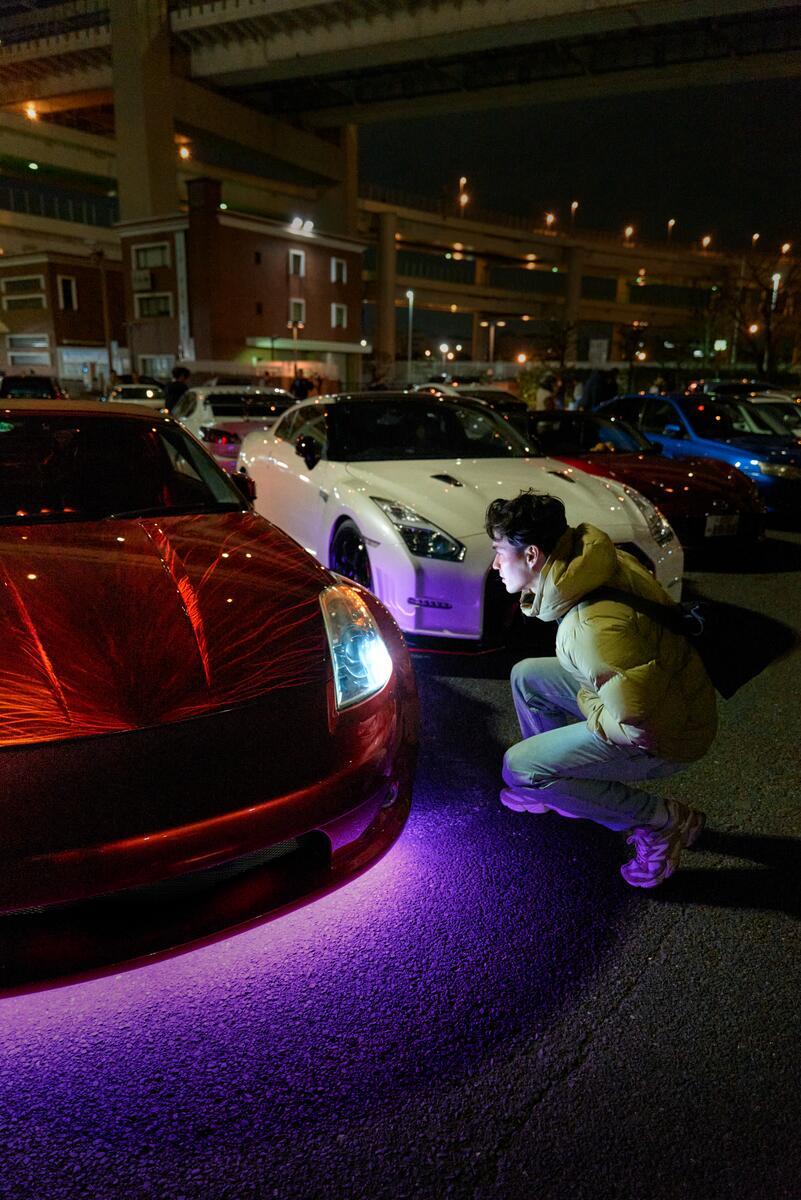
Drive Tokyo’s car culture in a Nissan Skyline
Tue, Feb 10 • 8:30 PM
150-0047, Tokyo Prefecture, Shibuya, Japan
View details
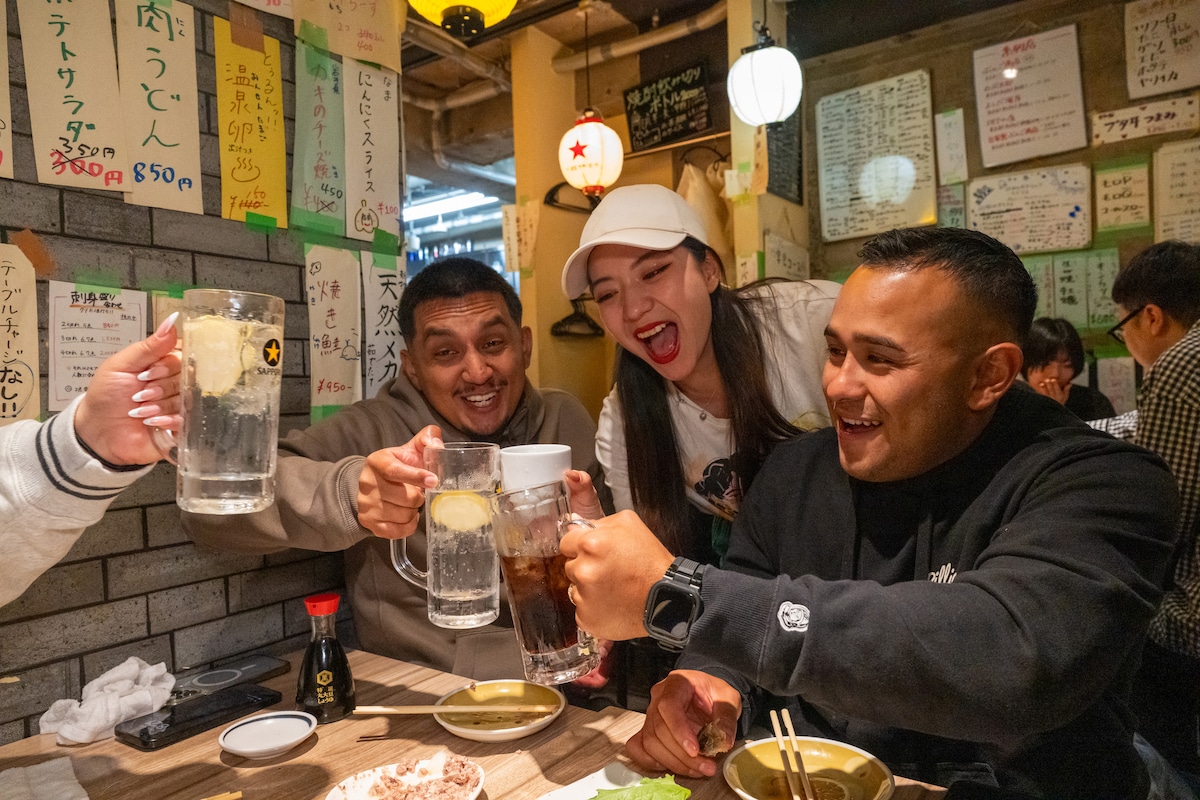
Unlimited Local Night《ALL-Y-Can-DRINK》Shinjuku Gem
Tue, Feb 10 • 7:15 PM
160-0022, Tokyo Prefecture, Shinjuku City, Japan
View details
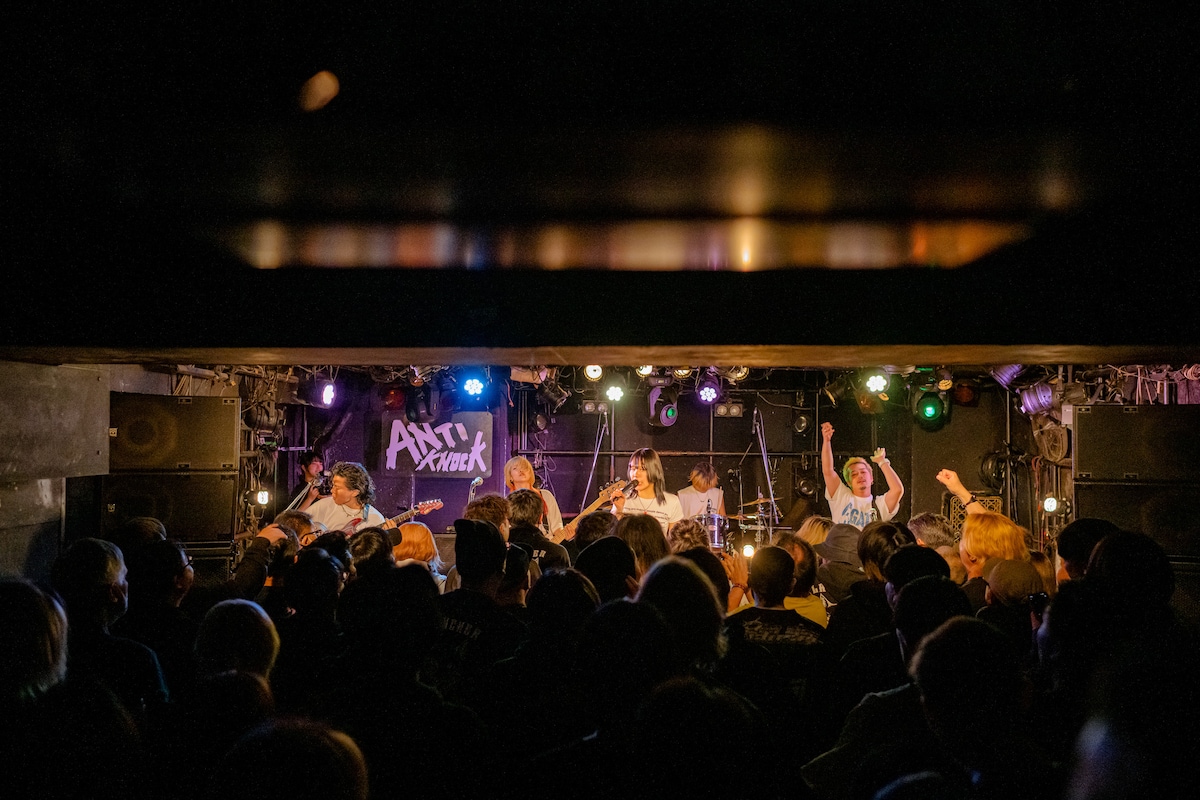
Explore Tokyo’s music scene with an insider
Fri, Feb 13 • 6:00 AM
150-0043, Tokyo Prefecture, Shibuya, Japan
View details
Nearby attractions of Shibamata Taishakuten
Tora-san Museum
Shibamata Park
Daikyo Temple Taishakudou
Taishakuten Sandō
Suikeien
Nitenmon Gate
Temple Bell Tower
Futen Tora Statue and Sakura Statue
Yamada Yōji Museum
Shibamata Toy Museum
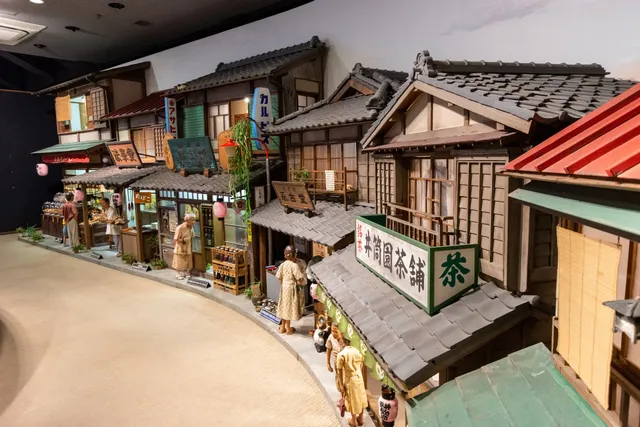
Tora-san Museum
4.2
(1.8K)
Closed
Click for details
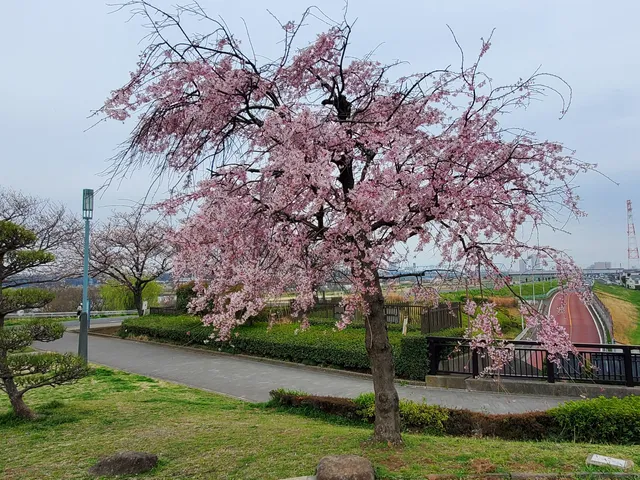
Shibamata Park
4.0
(973)
Open until 12:00 AM
Click for details
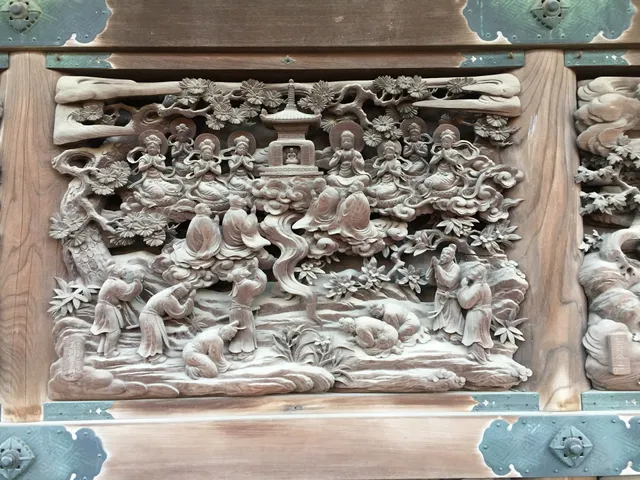
Daikyo Temple Taishakudou
4.6
(66)
Open 24 hours
Click for details
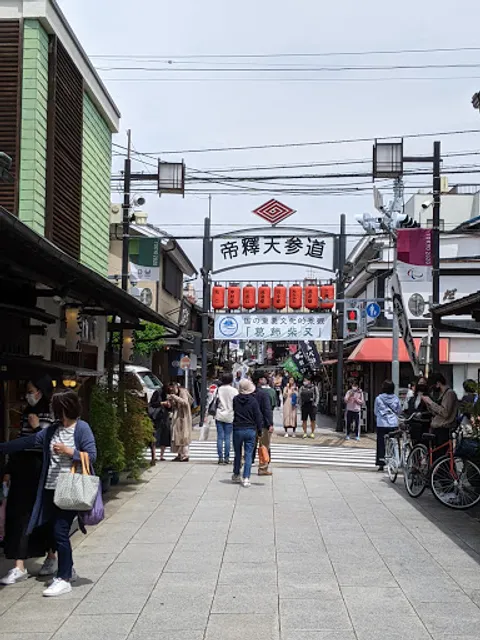
Taishakuten Sandō
4.4
(584)
Open until 12:00 AM
Click for details
Nearby restaurants of Shibamata Taishakuten
Kawachiya
Monzen Toraya
Kameya Honpo
Suzushiro-an
Machi-no-Eki Fantasia
Matsuya no Ame
Fukuzono
Showa Retro Cafe Sepia
新華楼
TORAsan cafe

Kawachiya
4.0
(609)
Open until 12:00 AM
Click for details
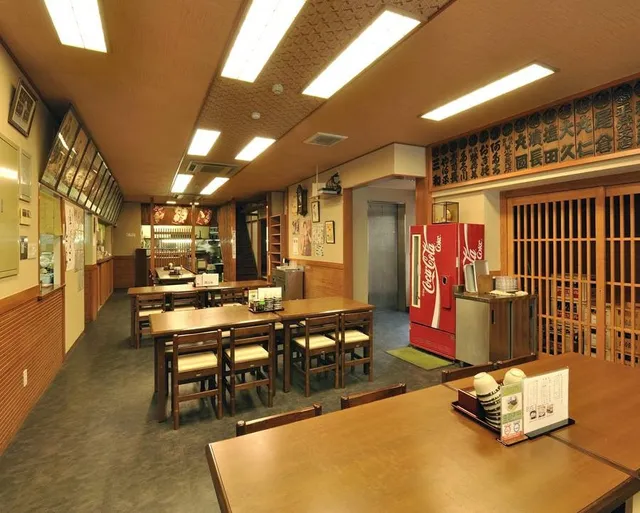
Monzen Toraya
4.0
(466)
$$
Closed
Click for details
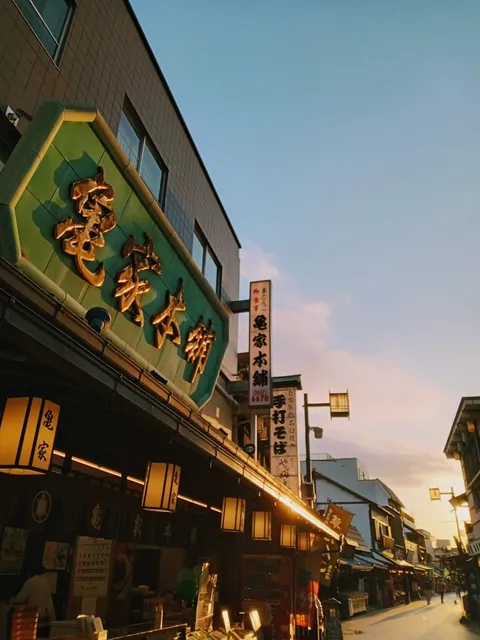
Kameya Honpo
3.9
(168)
$$
Closed
Click for details
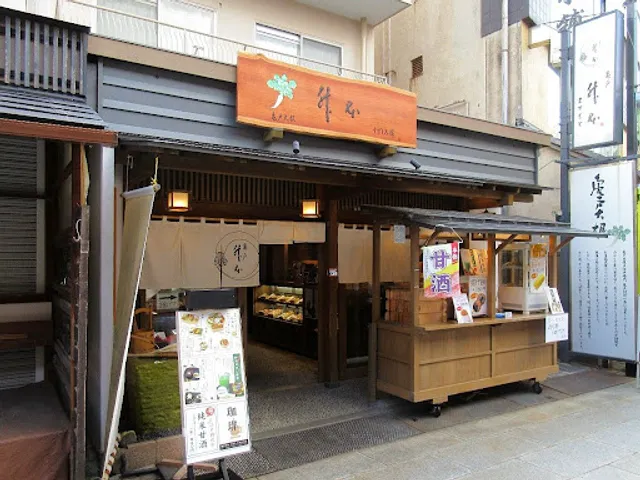
Suzushiro-an
3.5
(32)
Closed
Click for details
Nearby local services of Shibamata Taishakuten
Daikyo Temple Taishakudou
Shibamata Taishakuten Paid Parking Lot
Sacred Springs of Boddhisattva
Ishii
Funabashiya Shibamata Temple Street Store
Shibamata Taishakuten Temple Sign
Shibamata Haikara Yokocho
Shinshoin
Asanoya
Sotoshu Banfuku Temple
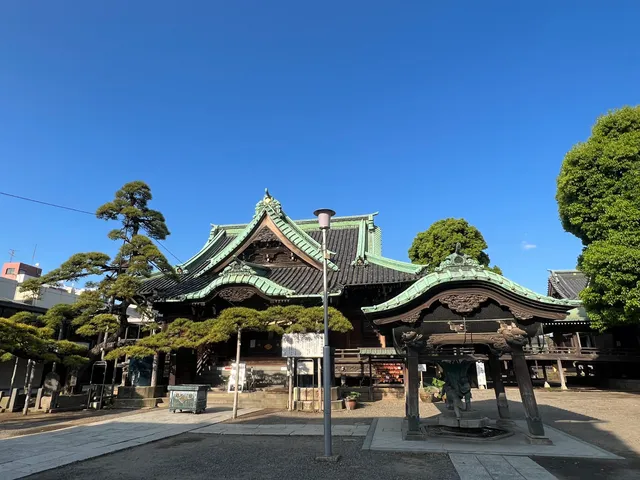
Daikyo Temple Taishakudou
4.5
(35)
Click for details
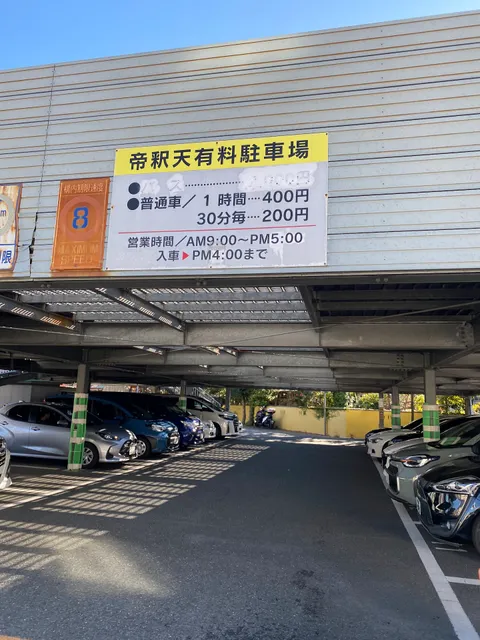
Shibamata Taishakuten Paid Parking Lot
3.9
(46)
Click for details
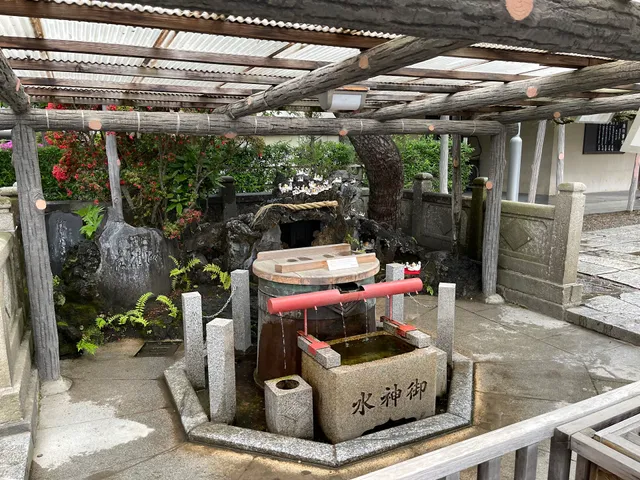
Sacred Springs of Boddhisattva
4.3
(18)
Click for details
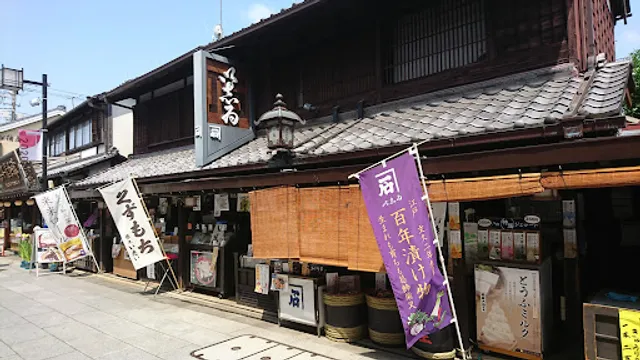
Ishii
4.4
(107)
Click for details