Iwashimizu Hachiman-gu Shrine things to do, attractions, restaurants, events info and trip planning
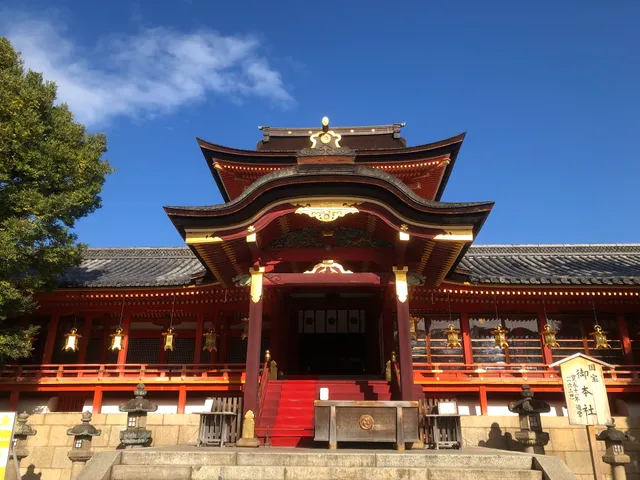
Basic Info
Iwashimizu Hachiman-gu Shrine
Japan, 〒614-8005 Kyoto, Yawata, Takabo−30
4.4(2.5K)
Open until 6:00 PM
Save
spot
spot
Ratings & Description
Info
Cultural
Scenic
Outdoor
Family friendly
Accessibility
attractions: Otokoyama Observatory, Site of Shokado Pavilion, Otokoyama Recreation Center, Zenporitsuji, キッズランドUS 京都八幡店, Hiko Shrine, Kano Temple, Tanden-An (Graffiti Temple), restaurants: Sekisuitei, Washoku Mendokoro Sagami Kyoto Yawata, Asahiya, Livres, Petit Bonheur Bakery, Dolphin Garden Halal Restaurant, 自家焙煎処 Comorebi, 麻婆豆腐専門店 からいもんや 八幡店, たこ焼き 雅庵, Candle, local businesses: Iwashimizu Hachimangu Shrine, Iwashimizuhachimangutongu, Reception, Cable-hachimangu-sanjo Station, Iwashimizu Subshrine, Thomas A. Edison Monument, Aizuchi Shrine, Back Approach, Sugiyamatani Fudoson, Ago Bridge
 Learn more insights from Wanderboat AI.
Phone
+81 75-981-3001
Website
iwashimizu.or.jp
Open hoursSee all hours
Tue6 AM - 6 PMOpen
Plan your stay

Pet-friendly Hotels in Yawata
Find a cozy hotel nearby and make it a full experience.

Affordable Hotels in Yawata
Find a cozy hotel nearby and make it a full experience.

The Coolest Hotels You Haven't Heard Of (Yet)
Find a cozy hotel nearby and make it a full experience.

Trending Stays Worth the Hype in Yawata
Find a cozy hotel nearby and make it a full experience.
Reviews
Live events
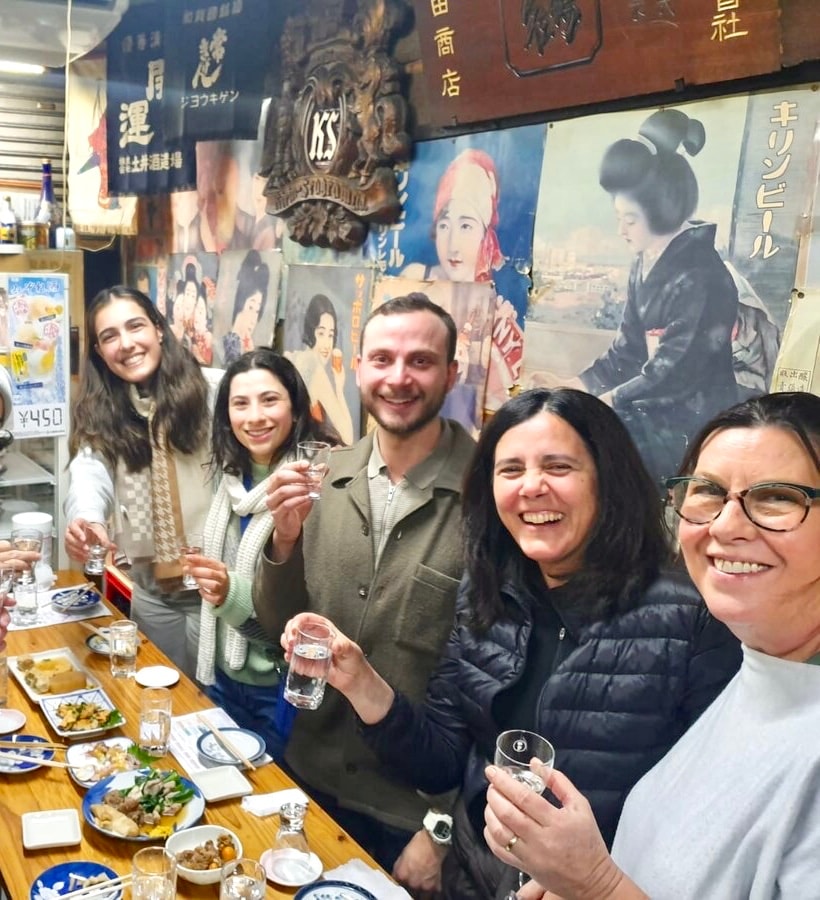
Off The Beaten Path Osaka Local Bar Crawl
Tue, Feb 10 • 6:00 PM
530-0034, Osaka, Osaka, Japan
View details
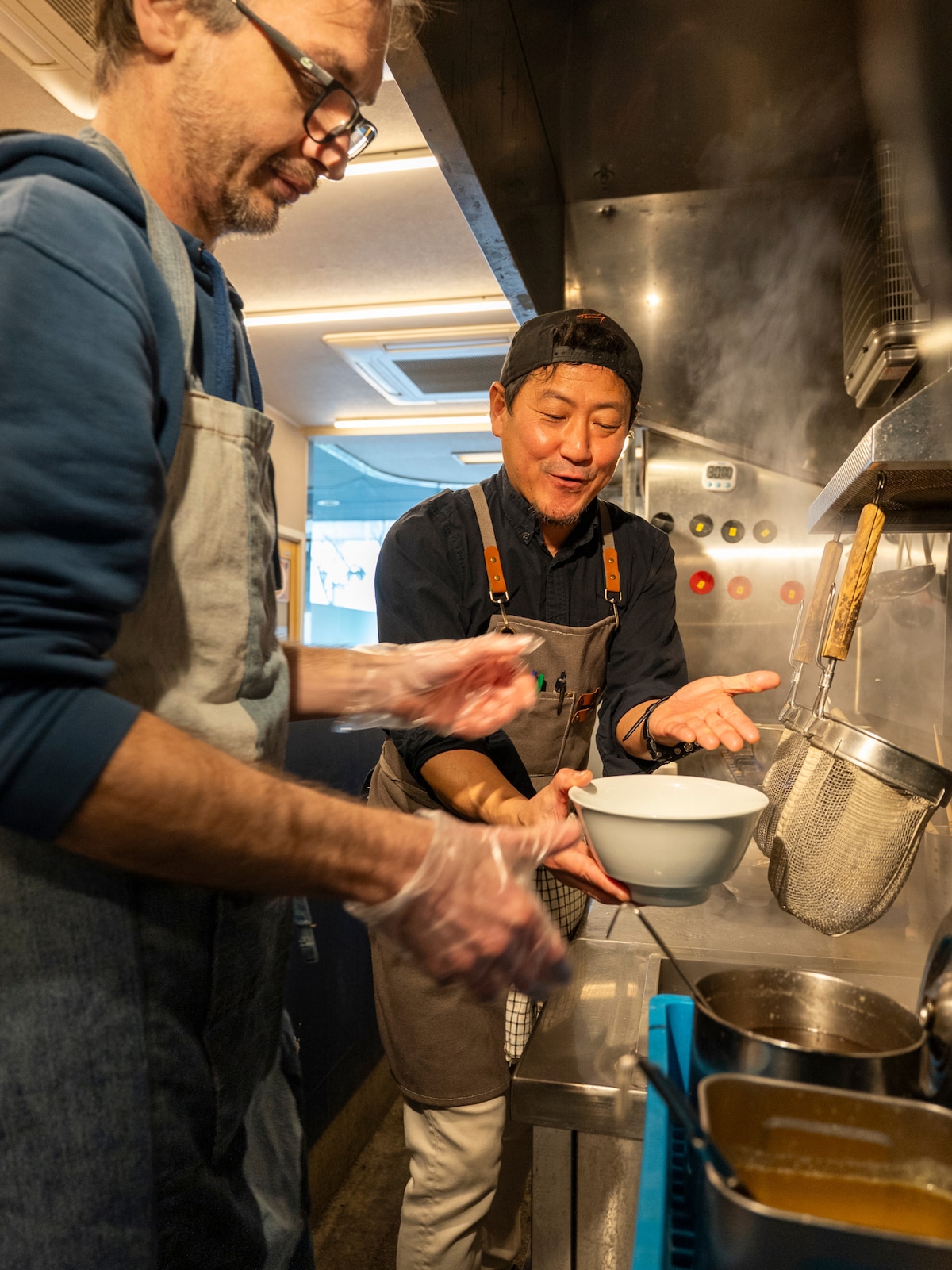
Experience making ramen in a private kitchen in Osaka!
Tue, Feb 10 • 2:00 PM
543-0021, Osaka, Osaka, Japan
View details
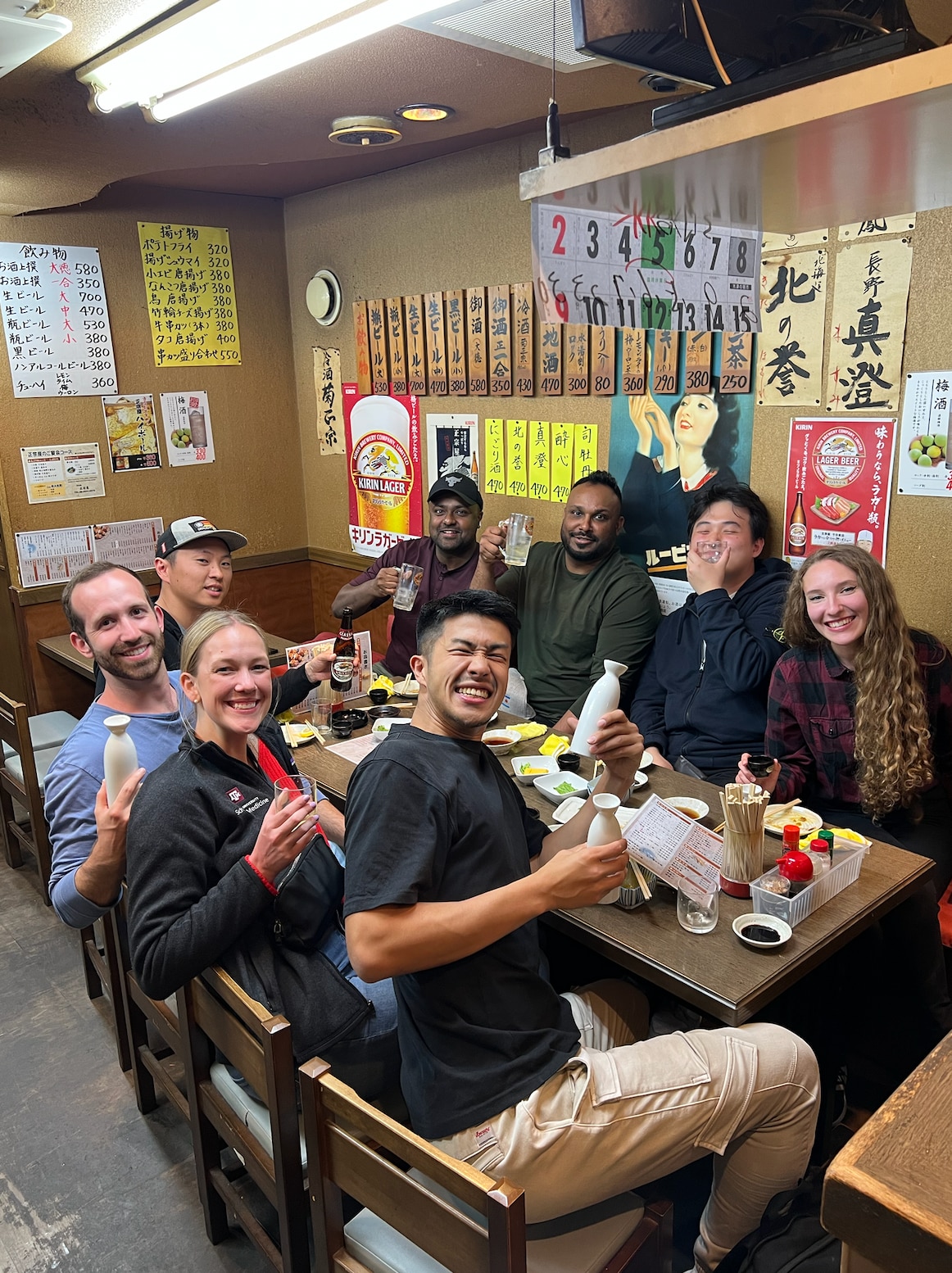
Osaka: Izakaya Bars Guided Walking Tour
Tue, Feb 10 • 6:00 PM
542-0071, Osaka, Osaka, Japan
View details
Nearby attractions of Iwashimizu Hachiman-gu Shrine
Otokoyama Observatory
Site of Shokado Pavilion
Otokoyama Recreation Center
Zenporitsuji
キッズランドUS 京都八幡店
Hiko Shrine
Kano Temple
Tanden-An (Graffiti Temple)
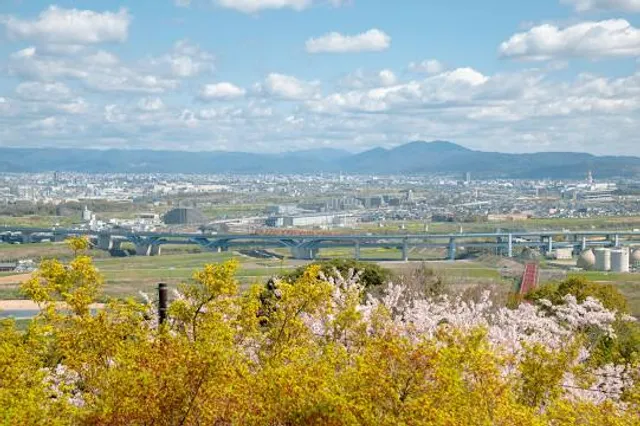
Otokoyama Observatory
4.3
(279)
Open until 12:00 AM
Click for details
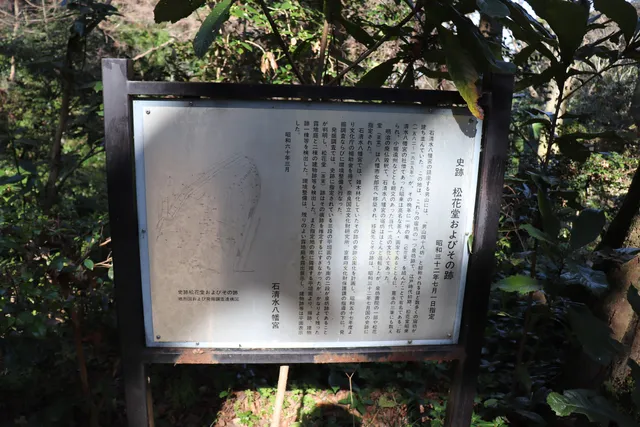
Site of Shokado Pavilion
3.6
(13)
Open 24 hours
Click for details
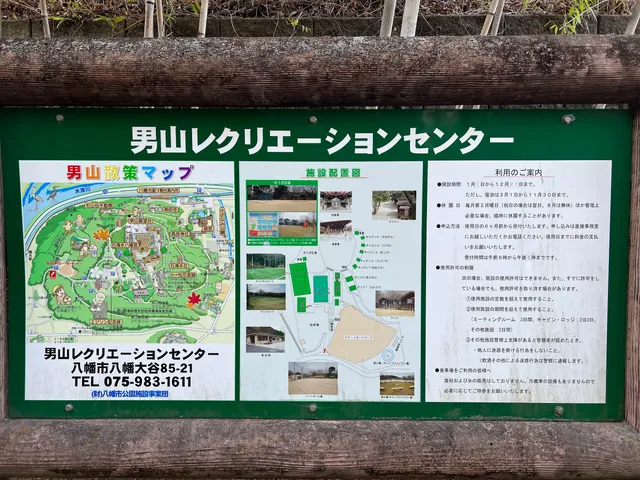
Otokoyama Recreation Center
3.9
(104)
Open until 9:30 PM
Click for details
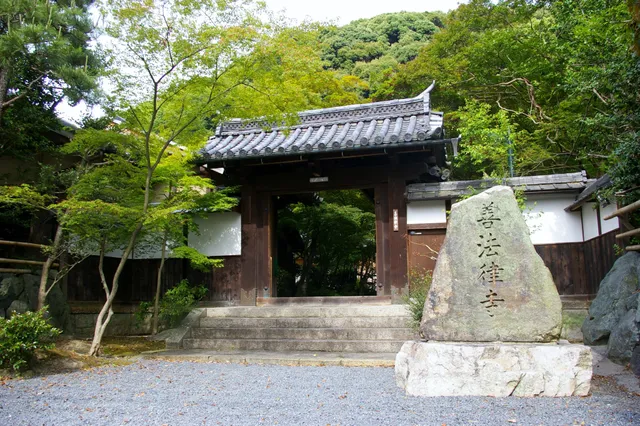
Zenporitsuji
4.2
(111)
Open until 5:00 PM
Click for details
Nearby restaurants of Iwashimizu Hachiman-gu Shrine
Sekisuitei
Washoku Mendokoro Sagami Kyoto Yawata
Asahiya
Livres
Petit Bonheur Bakery
Dolphin Garden Halal Restaurant
自家焙煎処 Comorebi
麻婆豆腐専門店 からいもんや 八幡店
たこ焼き 雅庵
Candle
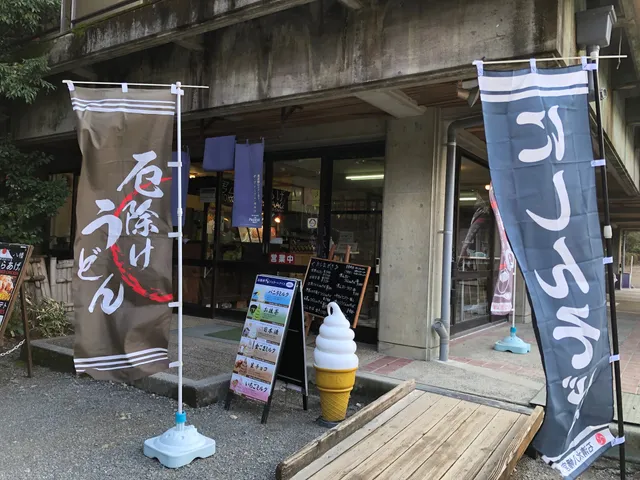
Sekisuitei
4.0
(69)
Open until 4:00 PM
Click for details
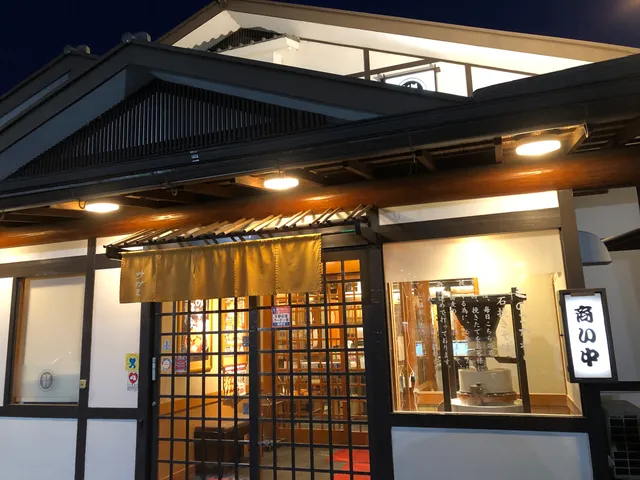
Washoku Mendokoro Sagami Kyoto Yawata
3.7
(388)
Open until 10:00 PM
Click for details
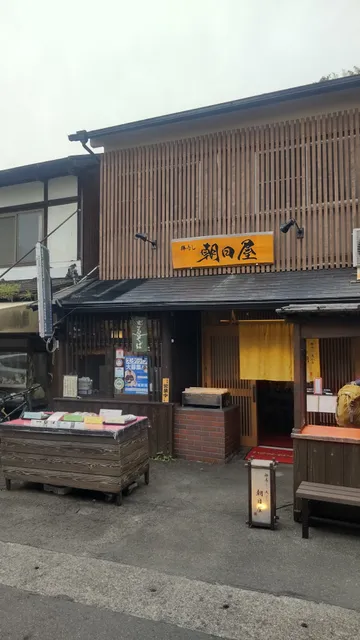
Asahiya
4.1
(242)
Open until 9:00 PM
Click for details
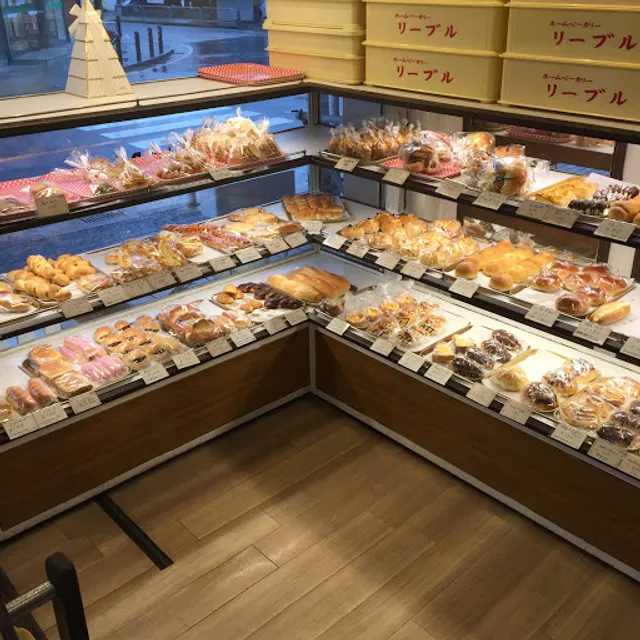
Livres
4.3
(71)
Open until 5:00 PM
Click for details
Nearby local services of Iwashimizu Hachiman-gu Shrine
Iwashimizu Hachimangu Shrine
Iwashimizuhachimangutongu
Reception
Cable-hachimangu-sanjo Station
Iwashimizu Subshrine
Thomas A. Edison Monument
Aizuchi Shrine
Back Approach
Sugiyamatani Fudoson
Ago Bridge
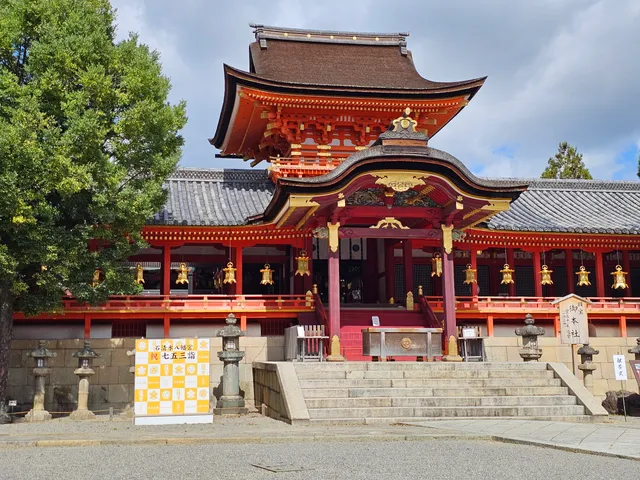
Iwashimizu Hachimangu Shrine
4.4
(2.1K)
Click for details
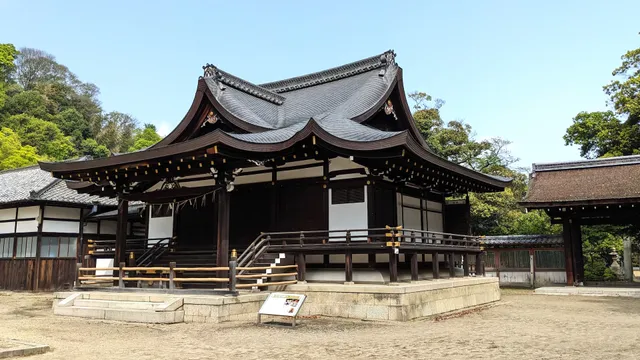
Iwashimizuhachimangutongu
4.0
(40)
Click for details
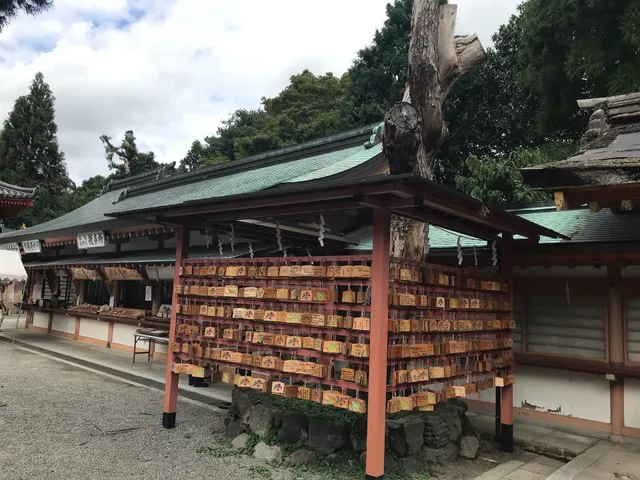
Reception
4.2
(10)
Click for details
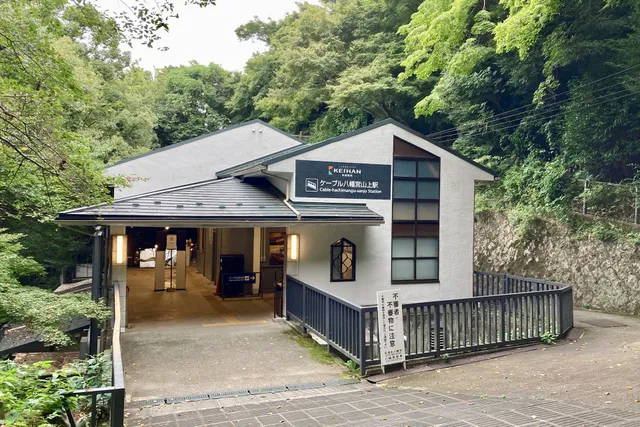
Cable-hachimangu-sanjo Station
4.2
(63)
Click for details