Devotion or Distraction? A Journey through Batu Caves
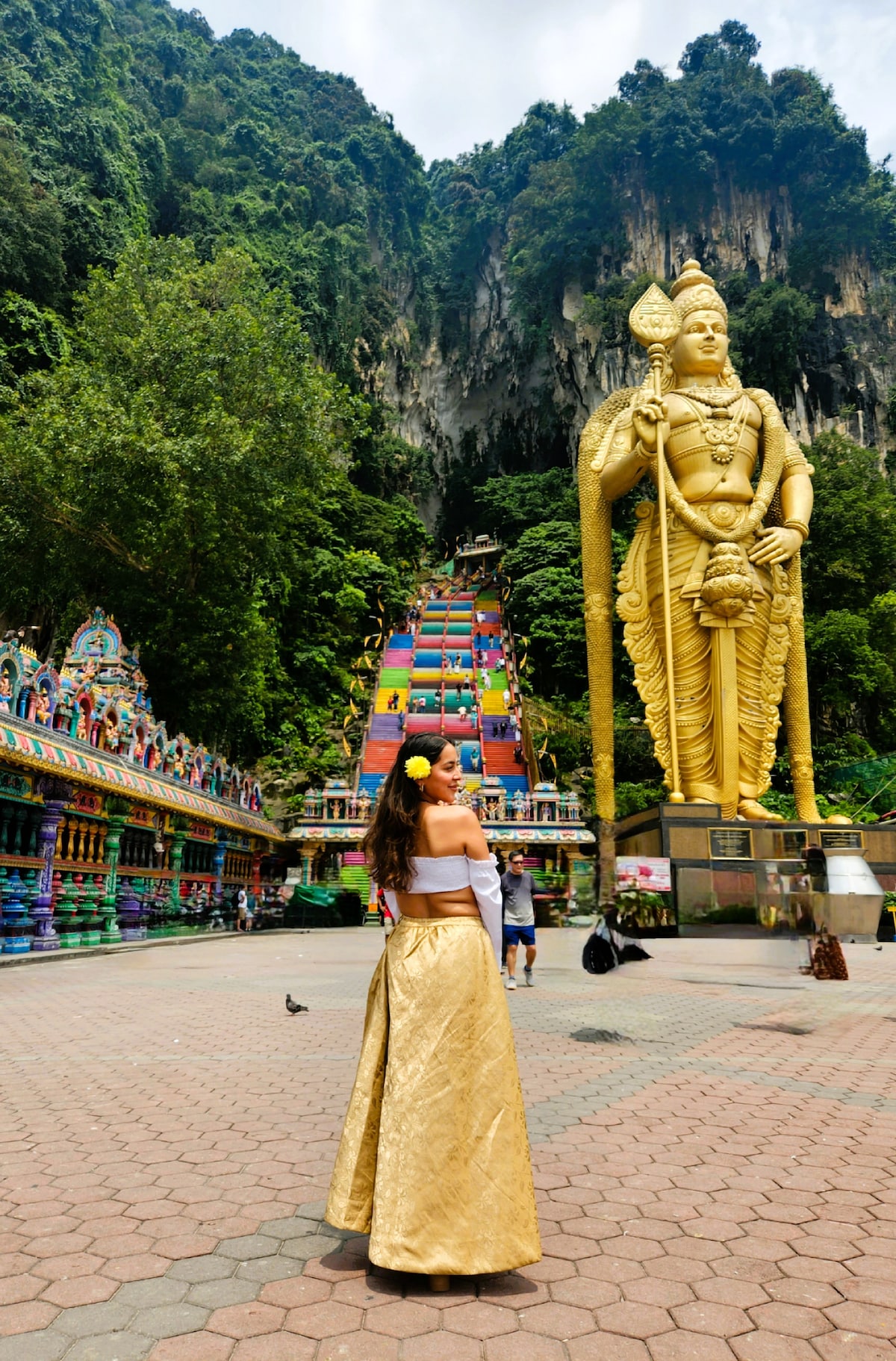
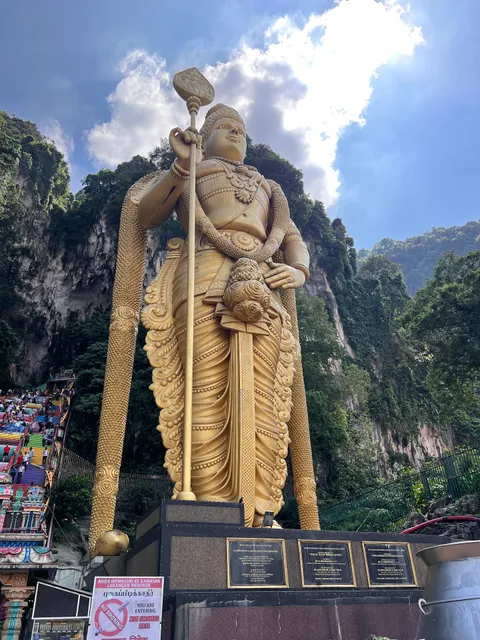
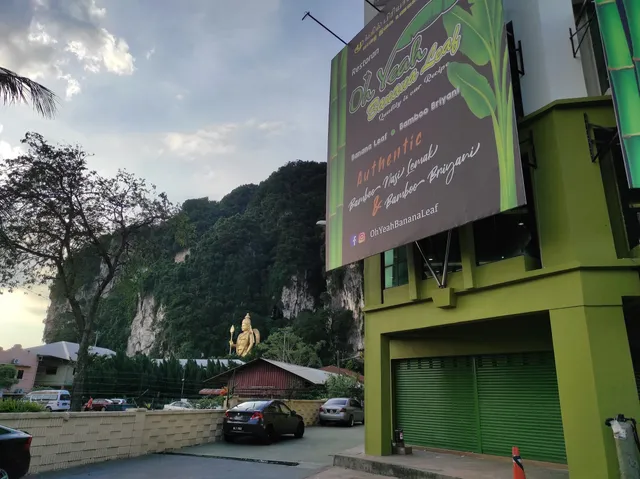
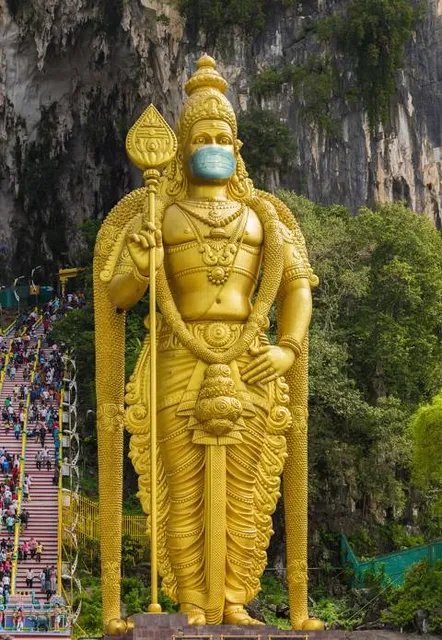
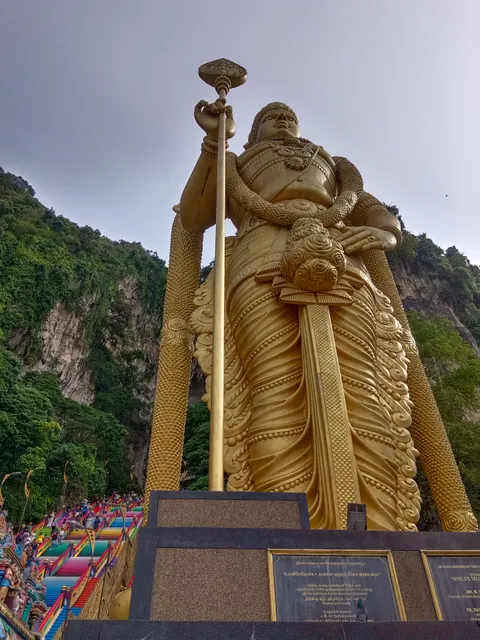
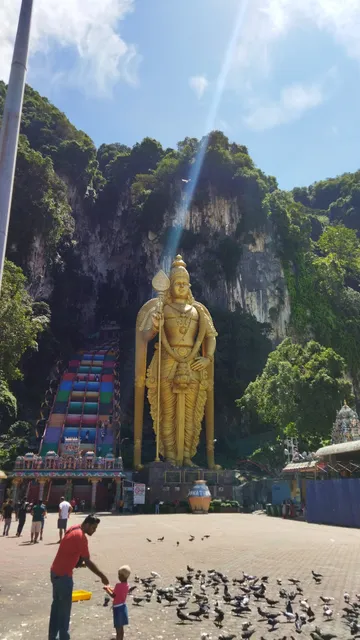
Nestled amidst the limestone hills just outside Kuala Lumpur, Batu Caves exudes a grandeur that leaves visitors in awe. This iconic site, dedicated to Lord Murugan, is a blend of natural wonder and cultural heritage. As I approached, the towering golden statue of Murugan—the tallest in the world—was a sight to behold. Its shimmering magnificence, standing at 42.7 meters, commands reverence, a testament to faith and devotion.
The Batu Caves themselves have a history that predates the temple. Formed over 400 million years ago, they were once home to indigenous communities before becoming a sacred Hindu site in the late 19th century. Tamil trader K. Thamboosamy Pillai is credited with establishing the temple in 1891, inspired by the natural resemblance of the caves to a vel, the spear associated with Lord Murugan. Today, Batu Caves serves as the focal point of the Thaipusam festival, attracting millions of devotees annually.
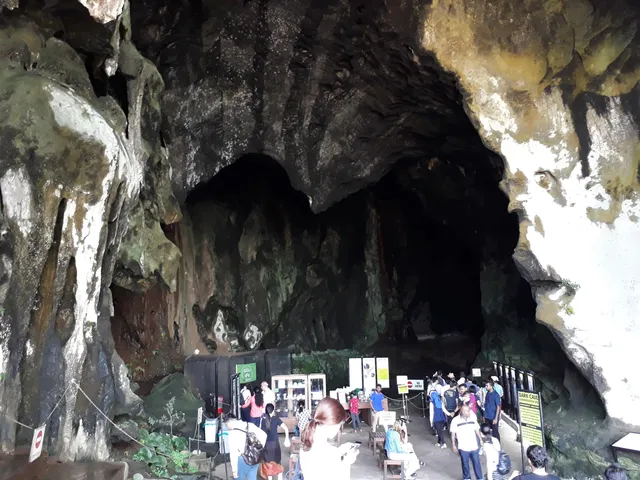
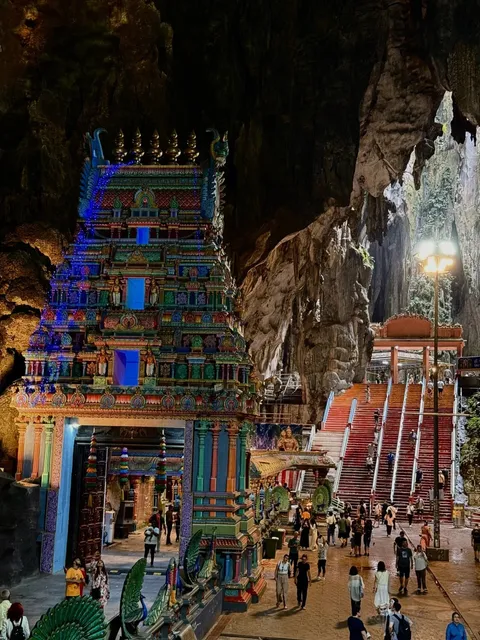
As I climbed the steep 272 steps leading to the main cave temple, the air was thick with a mix of devotion and festivity. Inside, the vast cathedral-like space was awe-inspiring, with its high ceilings and natural formations. However, the reverence I felt was occasionally interrupted by signs of human neglect. The temple premises, though sacred, bore the marks of disarray, with litter and remnants of rituals scattered across the space. This irony struck me deeply. Brahmins, historically regarded as paragons of cleanliness, preside over many such spaces, yet their places of worship often fail to reflect the purity they embody. The question looms large: how can the cleanest people in the world allow their sanctified domains to be some of the dirtiest?
Adding to this paradox is the persistent focus on donations. At Batu Caves, as in many temples, priests and temple staff often expect financial contributions for performing rituals or blessings. What should feel like a sacred exchange of devotion frequently turns into a transactional experience. On one occasion, I observed a priest reluctantly rising from his seat to perform an abhishekam, only to make it clear that a “donation” was expected. Such moments can feel uncomfortable, as if the emphasis is more on the monetary value of the ritual than its spiritual essence.
This stands in stark contrast to places of worship in other religions. Churches, for example, are often meticulously maintained, with donation boxes placed unobtrusively for those moved to contribute. Mosques uphold cleanliness as an integral part of worship, while gurdwaras are exemplary in their hospitality and egalitarian approach, offering free meals in pristine surroundings. These traditions prioritize service and sanctity over financial gain, setting an example that temples could learn from.
The irony reached its peak when I noticed a priest absorbed in his mobile phone, seemingly oblivious to the awe-struck tourists and devotees around him. The sight was both amusing and disheartening, as it highlighted a certain detachment from the sanctity of the space. It felt as if mundane distractions and material concerns had overshadowed the spiritual purpose of the temple.
Despite these shortcomings, the majesty of Batu Caves remains undiminished. Its blend of natural wonder and human devotion is unique, offering a glimpse into the intricate tapestry of faith and culture. Yet, it also serves as a reminder that sacred spaces must be stewarded with both reverence and responsibility. Cleanliness, genuine hospitality, and selfless service should be as integral to temples as the rituals and prayers they host. Only then can they truly reflect the divinity they are meant to embody.
For more on F&B, please...
Read moreA unique and unforgettable experience. 5* for the beauty and spirituality of the place. I deduct 1 star because of the rubbish
It was very nice, the stairs are colourful. Walking up 272 steep steps was not as difficult as you might think. I would recommend having good walking shoes, not flip flops, for people with knee problems take the knee (ankle) support brace which supports your joints. If you have problems with your fitness, just take about 10 steps and stand up, take a deep breath and look around, immerse yourself in the beauty. Believe me, you will be up in no time (both young and old climb the steps) and it will be a breeze to climb another tens of steps at the end of the first cave (I have not read about these in reviews)
I do not know if there is an unwritten rule about which steps to go up and which to go down. On the pictures I saw an empty row of stairs but the right one was full...The cave is stunning with its natural limestone formations and peaceful atmosphere. I love geology mixed with spiritual sanctuary. Religious statues, symbols, beautiful temples... I think it would be great to visit it during daylight too because we came when day turned to night... There was artificial light lit in the cave after 7pm when we visited.
There are several caves (Dark Cave, Ramayana Cave - paid), not just the main one behind the Arulmigu Murugan statue, which is free. Take your time, it could easily be a half to full day visit. Of course, only if you want to experience the spirits of the place, regardless of your culture or beliefs, and not just check it off your list of places to visit (then 5 minutes in the cave is enough). There are also places to eat.
You must observe the dress code - both men and women should wear modest clothing that covers the shoulders and knees. Avoid wearing revealing or tight clothing. Following these guidelines will ensure that you respect the religious and cultural significance of Batu Caves and have a pleasant visit. There are usually vendors and shops near the entrance to Batu Caves where you can buy or hire headscarves. These vendors usually cater to visitors who may not have the appropriate attire to visit the temple.
I have read that it is always crowded and I have also seen in the photos the several long fences directing people to the stairs. At the time of our visit on 1.12.24 there were no fences, it was in the process of being resurfaced and there were not many people around... perhaps because it was 6.45pm when we arrived. We did not see any monkeys on the stairs, the stairs were not as dirty as I expected from the reviews. Well, I did not come across any major negatives from the reviews. I did notice that the place was not as clean as places in front of temples in Thailand... I think such a place should be cleaned several times a day, the rubbish bins were full... I just do not understand why people cannot take the rubbish with them when the bins are full... why they keep adding it and it just overflows to the ground where the wind could take it and litter this wonderful place. Maintenance is not just about resurfacing and...
Read moreI have no wish to repeat the gazillions of other reviews about this tourist 'must see' hyped up mega attraction, I'll just say, for once, this place in the northern suburbs of KL was simply fabulous—with a capital F—and lives up to the hype!
Training it from KL Sentral station, platform 5, at an extortionate 48p, direct to Batu Caves (last stop), the journey was really enjoyable; face eastwards to get views of downtown, inclu Petronas Tws, and the sprawling suburbs. The journey takes no more than about 34mins.
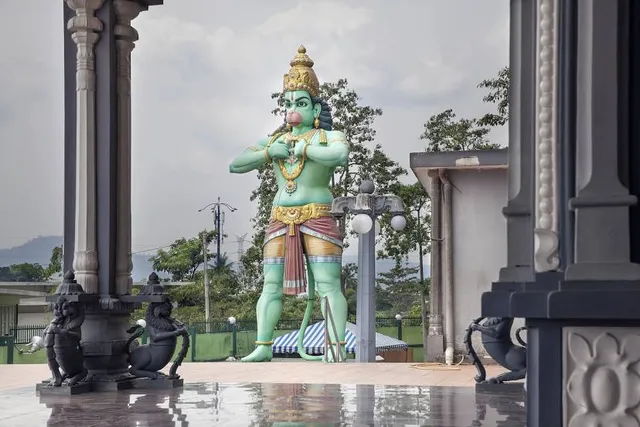
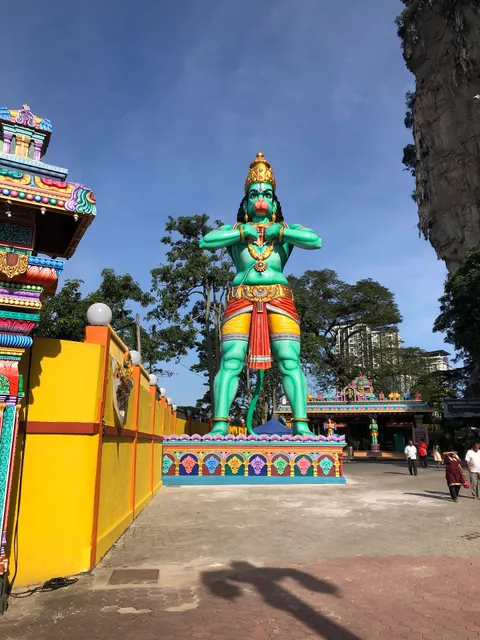
Batu Caves is immediately outside the station. First impression: huge limestone karsks! Very cool. When exiting the train station, immediately on your left is the Ramayana Cave, behind the big Hanuman statue—this I will check out tomo (recommended in my travel guide). Walking towards the main attraction, the actual Batu Caves, I came across an aviary, and thought, being a lover of our feathered friends, let's check this place out first.
Boy, am I pleased I did! It turns out I was visiting Cave Villa (one of a few side attractions). Starting off with a somewhat incongruous mimi zoo/aviary—incluing guinea pigs, rabbits as well as some utterly beautiful diva peacocks I actually thought that was it; and still would have thought the £1.83 fee well worth it— I then discovered the attractions here continued and continued filling up 1.5h of my time.
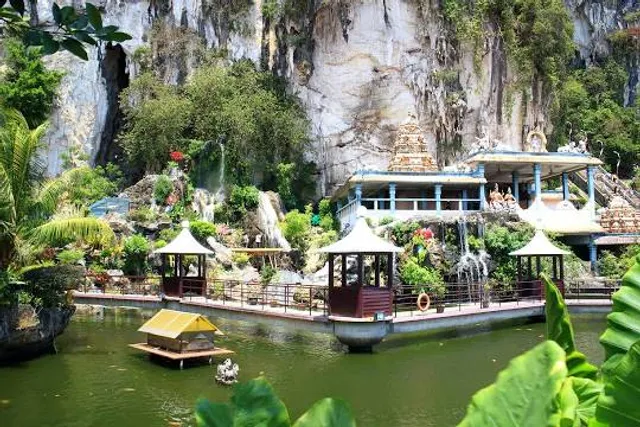
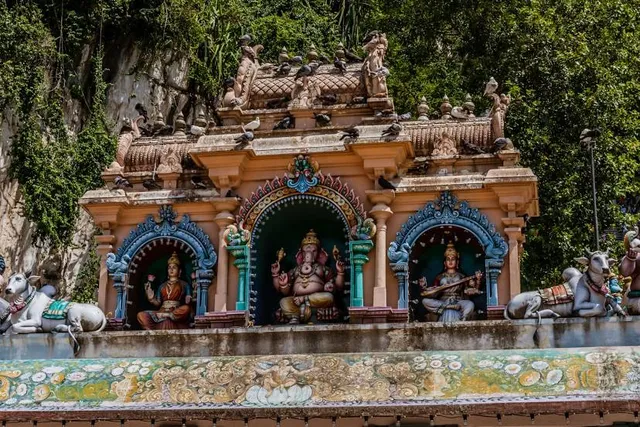
This attraction includes two truly extraordinary cave complexes: one devoted to an extremely colourful and fun pantheon of all the greats of Hindu mythology; the other including a totally unexpected comprehensive reptile zoo! Absolutely NOT what I was expecting to see today; but being a huge fan of snakes and lizards I was thoroughly chuffed. IF YOU HAVE THE TIME include this wonderful attraction to your visit!!! Btw, there's a brilliant and inexpensive gift shop, selling several peacock feathers for instance for only £1.83.
Now to the star attraction. The huge Lord Murugan statue at the entrance is very impressive (3rd largest Hindu statue in the world), but be prepared for a bit of a (I'll be honest) sweaty trek up those oh so colourful steps! You definitely will be rewarded though for your troubles; if you love, like me, big caves (big impressive stalagmites) and find the idea of a couple of Hindu temples plonked within a mountain rather interesting, you won't come away disappointed.
Surpassing my expectations, Batu Caves I can definitely include among the highlights of a trip to KL! If you decide to skip it, to me it's like going to Paris and not seeing the...
Read more