Zona Arqueológica de Cholula things to do, attractions, restaurants, events info and trip planning
Basic Info
Zona Arqueológica de Cholula
C. 14 Pte. S/N, San Miguel, Zona Arqueológica San Andrés Cholula, 72810 San Andrés Cholula, Pue., Mexico
4.7(15.9K)
Closed

tickets
Save
spot
spot
Ratings & Description
Info
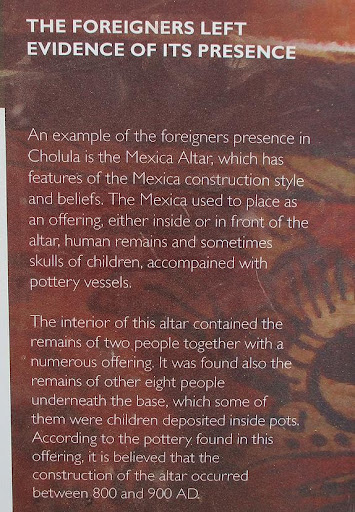
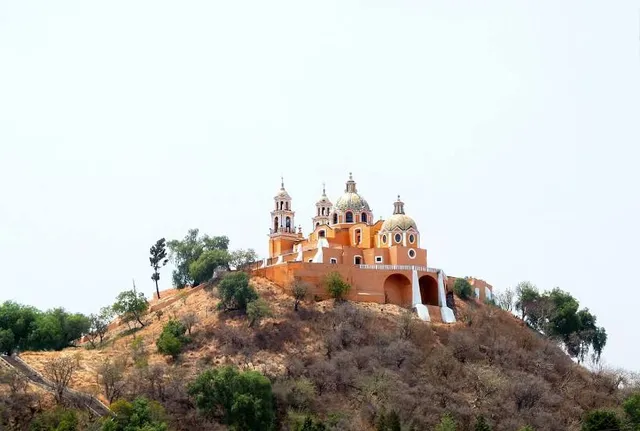
The Great Pyramid of Cholula, also known as Tlachihualtepetl, is a complex located in Cholula, Puebla, Mexico. It is the largest archaeological site of a pyramid in the New World, as well as the largest pyramid by volume known to exist in the world today.
Cultural
Outdoor
Family friendly
attractions: Santuario de la Virgen de los Remedios, Parque Soria, Great Pyramid of Cholula, Parque Pirámide, Regional Museum of Cholula, Complejo Deportivo Quetzalcóatl, El Pocito de los Remedios, Museo de Sitio de Cholula, Plaza de la Concordia, Letras Turísticas San Andrés Cholula, restaurants: Finca Ensamble, Las Piñas de Cholula, Koatlikue Pachamama, MICHELOCAS by Shine room, Ciudad Sagrada, Detailette Detalles Con Sabor, San Pedrito, Cervecería Cholula, Restaurant "La Lunita", Casa Relampago, local businesses: ARTISAN MARKET, Iglesia de San Miguel Tianguisnahuac, Tecamac Church of Saint Paul, Church of San Pedrito, Parish of San Pedro Cholula, Iglesia del Santo Entierro o Santo Sepulcro, Chapel of Sorrows, Iglesia de Santa María Xixitla, Capilla De Los Mártires Mexicanos
 Learn more insights from Wanderboat AI.
Phone
+52 222 247 9081
Website
lugares.inah.gob.mx
Open hoursSee all hours
Fri9 AM - 5 PMClosed
Plan your stay

Pet-friendly Hotels in Puebla
Find a cozy hotel nearby and make it a full experience.

Affordable Hotels in Puebla
Find a cozy hotel nearby and make it a full experience.

The Coolest Hotels You Haven't Heard Of (Yet)
Find a cozy hotel nearby and make it a full experience.

Trending Stays Worth the Hype in Puebla
Find a cozy hotel nearby and make it a full experience.
Reviews
Live events
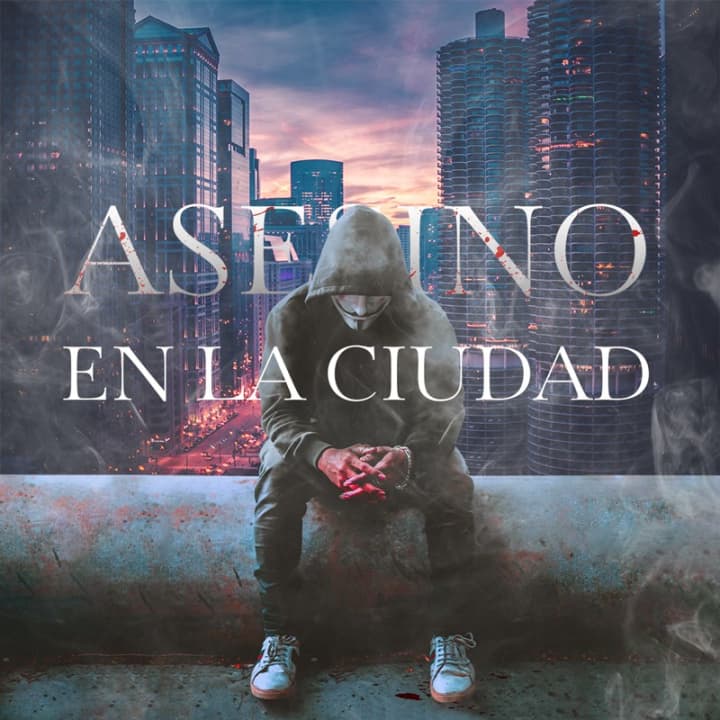
Asesino en la Ciudad Puebla: Juego Callejero
Sat, Feb 14 • 11:00 AM
Calle Constitución de 1917 3, Centro, Heroica Puebla de Zaragoza, 72000
View details
Candlelight: Tribute to José José
Sun, Feb 15 • 9:00 PM
Calle 3 Ote. 611, Centro histórico de Puebla, 72000 Puebla, Pue., 72000
View details
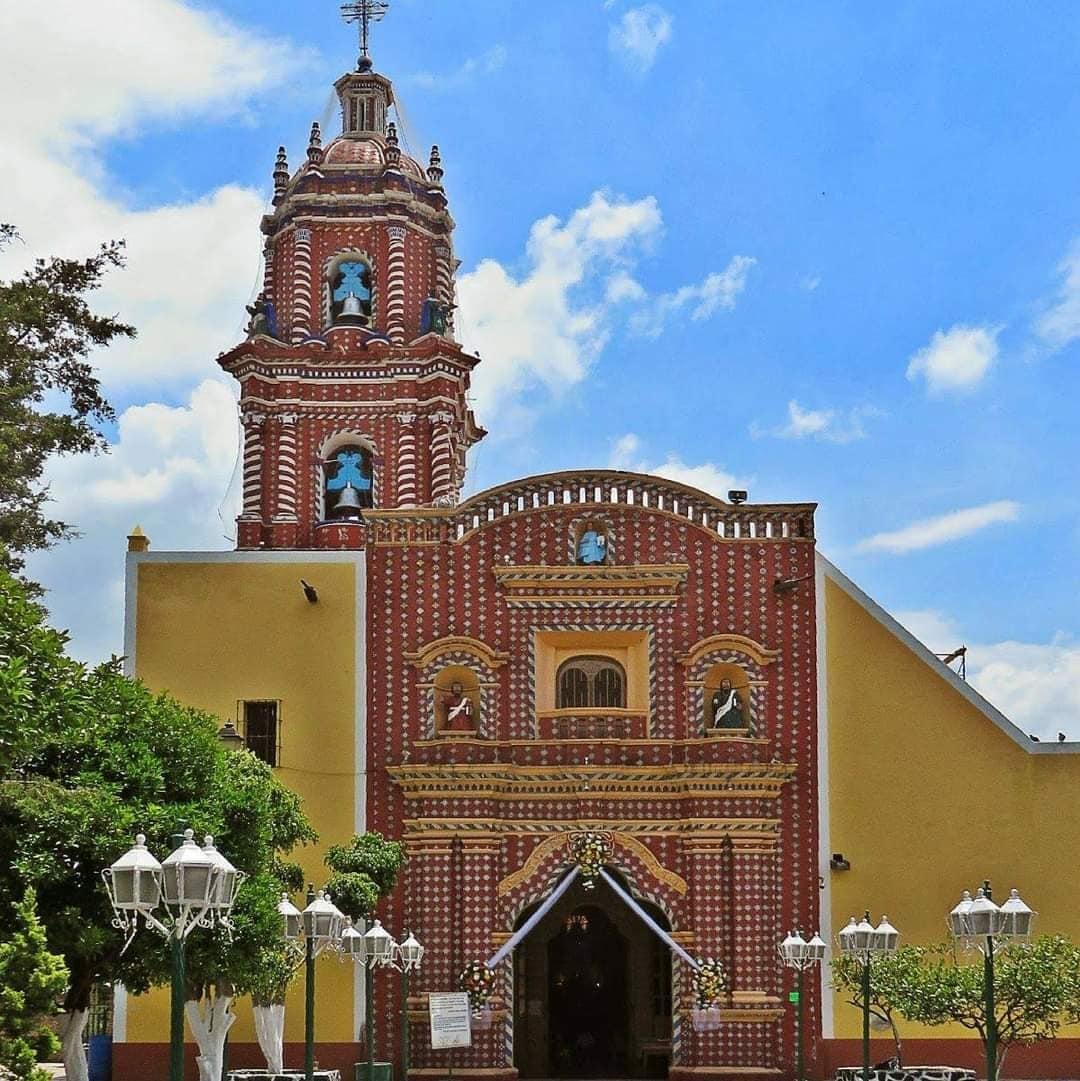
Discover the Magic of Cholula
Fri, Feb 13 • 9:30 AM
72778, Cholula, Puebla, Mexico
View details
Nearby attractions of Zona Arqueológica de Cholula
Santuario de la Virgen de los Remedios
Parque Soria
Great Pyramid of Cholula
Parque Pirámide
Regional Museum of Cholula
Complejo Deportivo Quetzalcóatl
El Pocito de los Remedios
Museo de Sitio de Cholula
Plaza de la Concordia
Letras Turísticas San Andrés Cholula
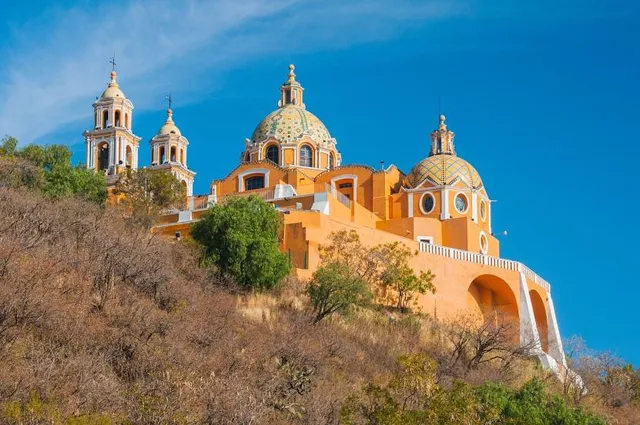
Santuario de la Virgen de los Remedios
4.7
(1.2K)
Open 24 hours
Click for details
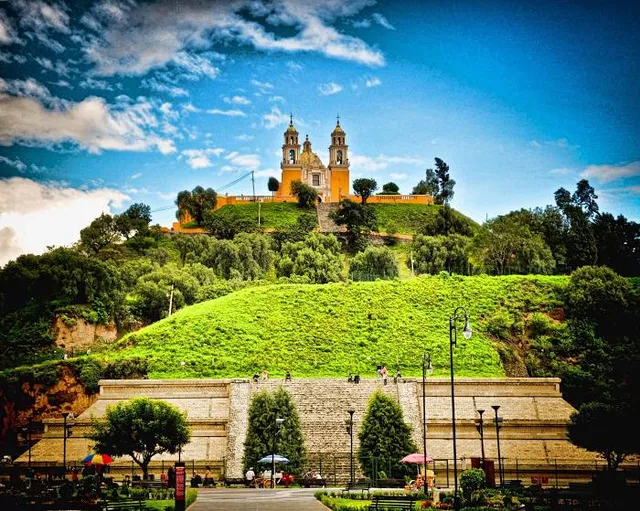
Parque Soria
4.6
(2.2K)
Open until 12:00 AM
Click for details
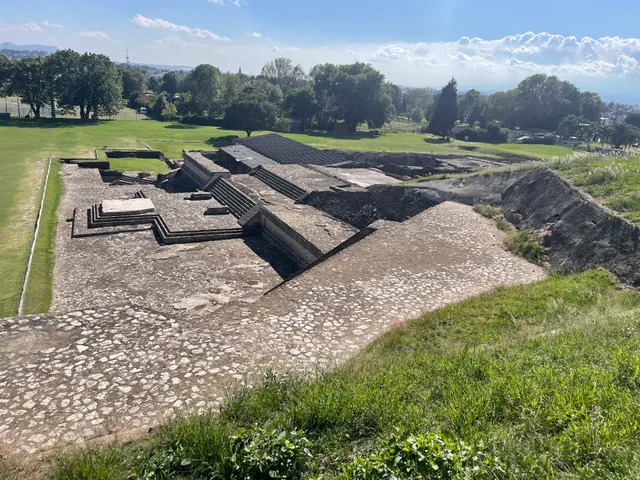
Great Pyramid of Cholula
4.7
(106)
Open 24 hours
Click for details
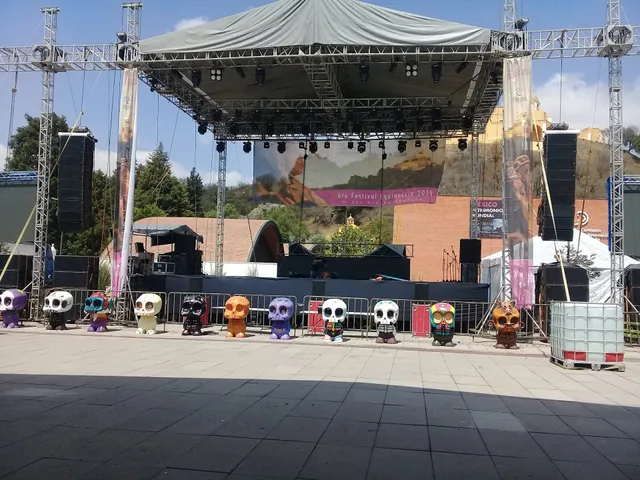
Parque Pirámide
4.7
(191)
Open 24 hours
Click for details
Nearby restaurants of Zona Arqueológica de Cholula
Finca Ensamble
Las Piñas de Cholula
Koatlikue Pachamama
MICHELOCAS by Shine room
Ciudad Sagrada
Detailette Detalles Con Sabor
San Pedrito
Cervecería Cholula
Restaurant "La Lunita"
Casa Relampago
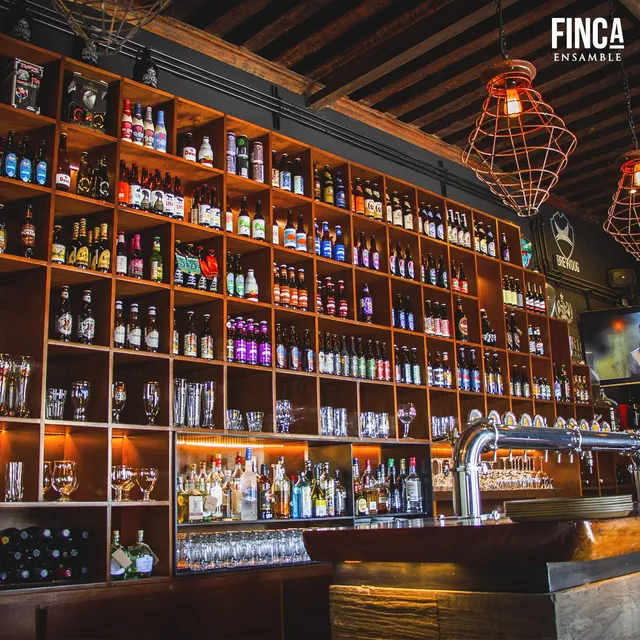
Finca Ensamble
4.5
(665)
$$
Closed
Click for details
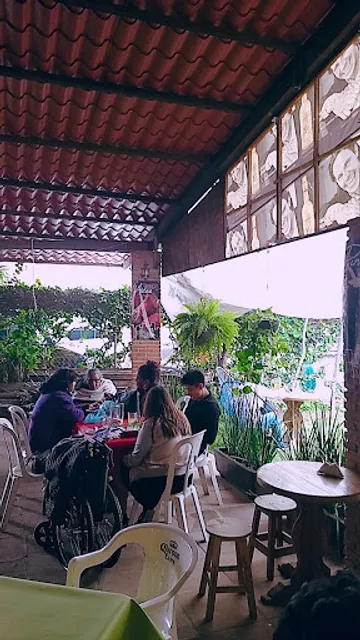
Las Piñas de Cholula
4.0
(266)
$$
Closed
Click for details
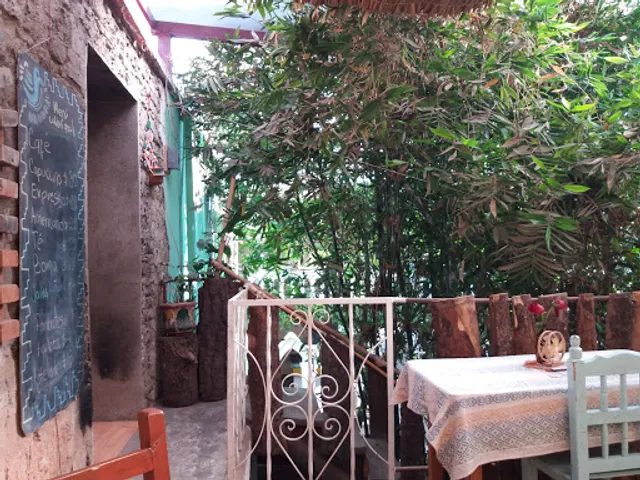
Koatlikue Pachamama
4.6
(460)
Closed
Click for details
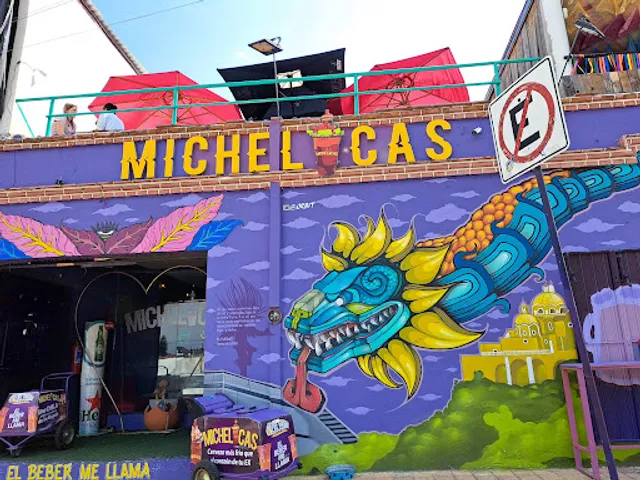
MICHELOCAS by Shine room
3.6
(295)
Closed
Click for details
Nearby local services of Zona Arqueológica de Cholula
ARTISAN MARKET
Iglesia de San Miguel Tianguisnahuac
Tecamac Church of Saint Paul
Church of San Pedrito
Parish of San Pedro Cholula
Iglesia del Santo Entierro o Santo Sepulcro
Chapel of Sorrows
Iglesia de Santa María Xixitla
Capilla De Los Mártires Mexicanos
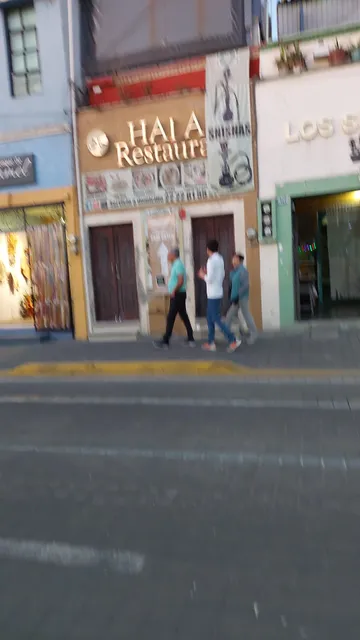
ARTISAN MARKET
3.7
(38)
Click for details
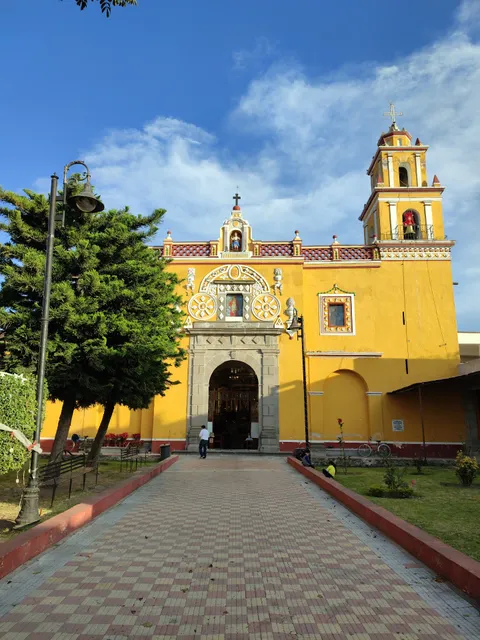
Iglesia de San Miguel Tianguisnahuac
4.5
(32)
Click for details
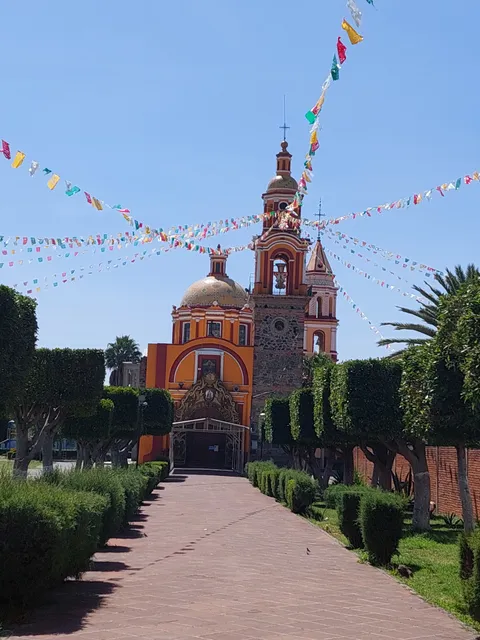
Tecamac Church of Saint Paul
4.5
(111)
Click for details
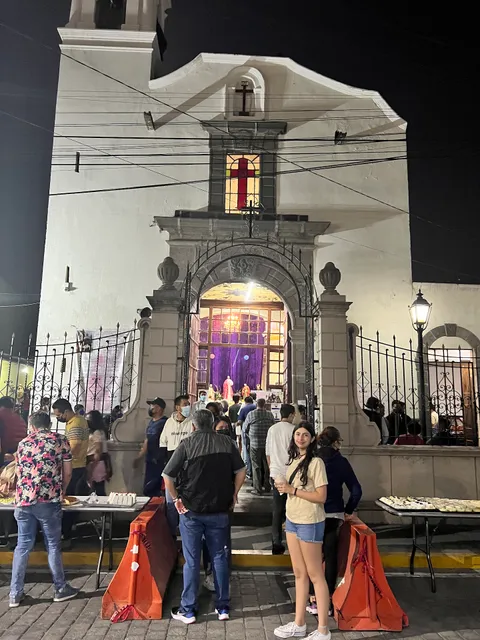
Church of San Pedrito
4.4
(46)
Click for details