Bagh Bhairab temple is one of the most popular temples dedicated to the God Bhairab in the form of a tiger. This god is regarded as the guardian of Kirtipur and the locals call it Ajudeu, a grandfather god. Bhairab, the most terrifying and awful form of Shiva is the destroyer on one hand and the guardian on the other. Ceremonial rituals in relation to the important events of life such as rice-feeding, puberty, marriage and even the construction of houses cannot be done without propitiating this deity in most of the towns and cities of Nepal.
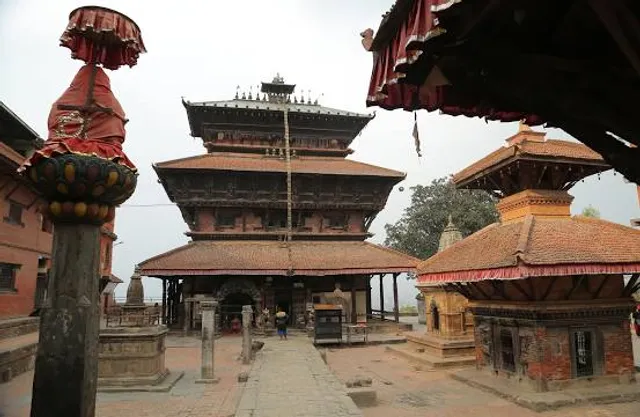
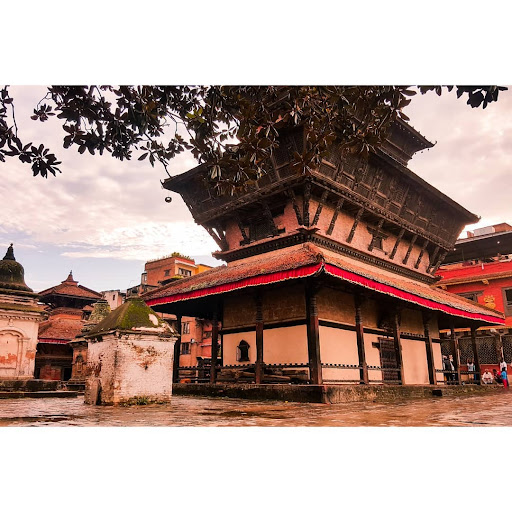
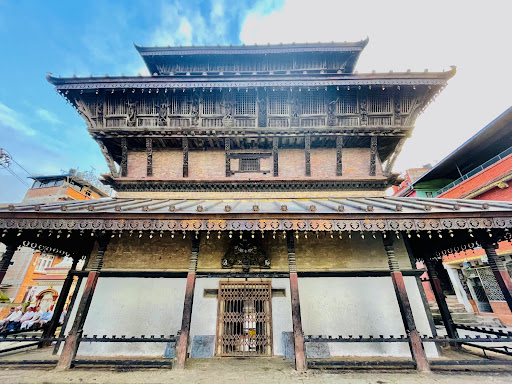
The present three storeyed temple of Bagh Bhairab probably built in 16th century stands in the brick-paved rectangular courtyard with the rest houses around it. There are some small shrines and stone images spread over the courtyard. The main gate is at the southern side. There are two other gates in the eastern and western sides. The two roofs of the temple are of tiles while the third one is covered with gilt-copper. There are wooden pillars carved with Hindu gods and goddesses. They have been erected in between windows of the second storey and the names of the carved deities have been finely cut out below them on the pedestals.
There are eighteen pinnacles-one in the first roof, six in the middle and eleven in the top roof. Beneath the eaves of the first roof there are very old but faded murals depicting the stories of Ramayan. Maha Bharat and the various manifestations of Durga, the mighty mother goddess. These paintings are frescoes in red with white plaster background. At the right side of the main gate of the temple there is Hifa Dyo, the god of blood sacrifice is allowed directly to Bagh Bhairab, all animal offerings to the deity are made here on behalf of this deity just as the animal sacrifices are made to Kumari, a stone idol, placed at the second gate in the left side of Chandeswori at Banepa and to the Chhetrapal which is at the very beginning of the final series of the steps to the temple of Khadga Jogini at Sankhu.
There are two torans over Hifa Dyo. They bear very fine cuttings of Asta-Matriks, Asta-Bhairabs and other gods and goddesses. In the western wall of the temple there is a hollow space regarded by the local people as Nasa Dyo, the god of music and dance. Bagh Bhairab made of clay has been enshrined in the left side corner in the temple. The three glass-eyed tiger-god is tongue-less and tooth-less but covered with silver and copper plates and heavily ornamented. This deity as mentioned in the stone inscriptions has been called Bagheswor (the tiger god), Bhimsen Bhattarak-Bhimsen(the governing deity), Gudei Sthanadhipati (the lord in the form of tiger) and Ajudyo(the ancestral god).
The local peoples hail this deity as the embodiment of prudence, knowledge, productivity and strength to resist all evils. Hence, the auspicious ceremonies such as weddings, hair-cuttings, rice-feedings and other ritual performances in Kirtipur are done only after a puja...
Read moreHistorical and architectural significance A powerful guardian deity: The temple is the only one in the Kathmandu Valley dedicated to this particular form of Bhairab. The deity is embodied in a small clay tiger idol that is periodically remade as it grows fragile over time. Ancient construction: While its exact founding date is uncertain, some records suggest the temple's origins could trace back to the 11th or 12th century, with significant renovations recorded in the 16th century. Newari craftsmanship: The temple is a three-story pagoda-style structure featuring intricate wood carvings, a defining characteristic of early medieval Newari architecture. The facade displays numerous swords, knives, and other weapons, symbolizing the bravery of the Kirtipur defenders. Panoramic views: Situated on a hilltop, the temple complex offers sweeping views of the Kathmandu Valley. A small opening in the east wall, known as a dyo pvah, allows a ray of sunlight to touch the deity's face each day. Legendary origin story A popular local legend explains the tiger deity's creation and unusual appearance: A clay tiger: A group of shepherds, bored while grazing their flock, molded a tiger from clay. The god's arrival: Lord Shiva, who was resting nearby, grew hungry and mystically merged himself with the clay tiger, bringing it to life. The attack: The living tiger devoured all the shepherds' sheep. The missing tongue: When the horrified shepherds returned, they noticed blood on the tiger's mouth. In a fit of anger, they cursed the tiger to never be able to close its mouth. They withheld the tiger's tongue and enshrined the figure in the temple. As a result, the deity's idol is shown with its mouth perpetually open and without a tongue. Bagh Bhairab Jatra festival The temple is the center of the Bagh Bhairab Jatra, a major festival celebrated on the first day of the month of Bhadra (mid-August). Celebration: On this day, a special idol of Bagh Bhairab is paraded through the streets on a chariot. Traditional music, ritual Lakhey dances, and chants accompany the procession. Blessings: Devotees believe that if they circumambulate the temple 108 times during the festival, they will be blessed with good health, success, and prosperity. Local weather: According to local lore, heavy rain always falls during the festival, as the deity "does not like to...
Read moreBagh Bhairab Temple is a significant religious site located in Kirtipur, a historic town near Kathmandu, Nepal. This temple is dedicated to Bagh Bhairab, a fierce manifestation of Lord Shiva depicted in the form of a tiger (Bagh means tiger in Nepali).
Key Features of Bagh Bhairab Temple:
Historical and Cultural Importance: The temple holds great importance in the Newar community and is a center for various religious and cultural activities. Kirtipur itself is a town rich in history, and the temple adds to its spiritual and cultural heritage.
Architectural Style: The temple is built in the traditional pagoda style, common in many Nepalese temples. It features intricate wood carvings, statues, and metalworks that depict various deities and mythological scenes.
Bagh Bhairab Image: The main attraction of the temple is the image of Bagh Bhairab, which is revered by devotees. The image, unlike typical representations of Bhairab, shows him as a tiger, symbolizing strength and protection.
Festivals and Rituals: The temple is a focal point during various festivals, especially during the festival of Indra Jatra, when Bagh Bhairab is worshipped with great devotion. Various rituals and ceremonies are conducted throughout the year, attracting many pilgrims and visitors.
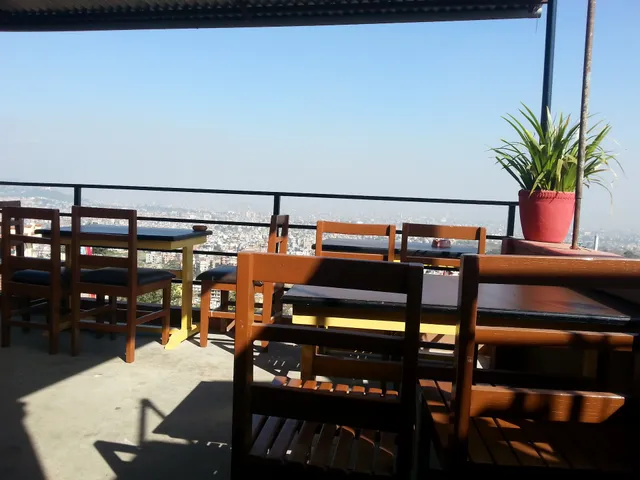
Panoramic Views: The temple is located on a hilltop in Kirtipur, offering panoramic views of the Kathmandu Valley and surrounding hills. The location itself adds to the serene and spiritual atmosphere of the site.
Community and Local Worship: The temple is deeply rooted in the local community, and many locals visit it regularly for worship and to seek blessings.
Bagh Bhairab Temple is not only a place of worship but also a symbol of the rich cultural and religious tapestry of the Newar people and the Kathmandu Valley. It’s a must-visit for those interested in Nepalese culture, history, and...
Read more