Kon-Tiki Museum things to do, attractions, restaurants, events info and trip planning
Basic Info
Kon-Tiki Museum
Bygdøynesveien 36, 0286 Oslo, Norway
4.6(1.8K)
Open until 5:00 PM


tickets
Save
spot
spot
Ratings & Description
Info
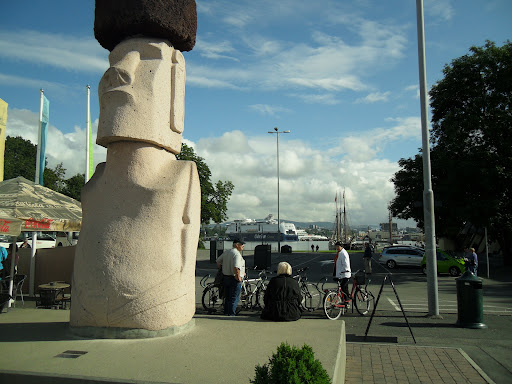
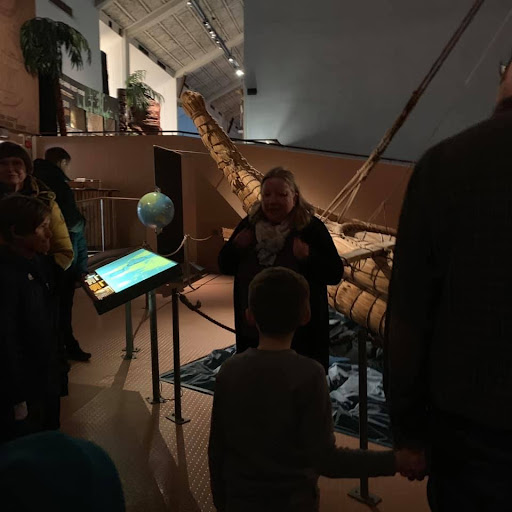
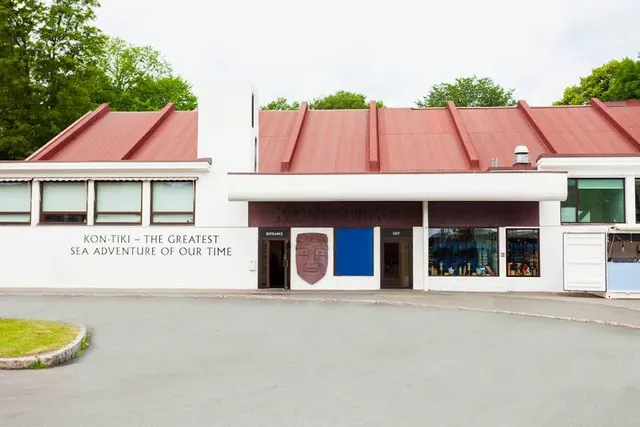
The Kon-Tiki Museum is a museum in the Bygdøy peninsula in Oslo, Norway. It houses vessels and maps from the Kon-Tiki expedition, as well as a library with about 8,000 books. It was opened in a provisional building in 1949. In 1957, the current building—designed by architects F. S.
Cultural
Family friendly
Accessibility
attractions: The Fram Museum, Museo Polar Ship, Norwegian Maritime Museum, The Norwegian Museum of Cultural History, Viking Ship Museum, Norsk Farmasihistorisk Museum, Gol Stave Church, Oscarshall, restaurants: Lille Herbern, Lanternen Brasserie & Bar, Kongen Marina Beach Club Bar & Restaurant, Kafe Arkadia, Frognerstranda Kro, local businesses: Kafe Fjord, Bygdøy
 Learn more insights from Wanderboat AI.
Phone
+47 23 08 67 67
Website
kon-tiki.no
Open hoursSee all hours
Sun10 AM - 5 PMOpen
Plan your stay

Pet-friendly Hotels in Oslo
Find a cozy hotel nearby and make it a full experience.

Affordable Hotels in Oslo
Find a cozy hotel nearby and make it a full experience.

The Coolest Hotels You Haven't Heard Of (Yet)
Find a cozy hotel nearby and make it a full experience.

Trending Stays Worth the Hype in Oslo
Find a cozy hotel nearby and make it a full experience.
Reviews
Live events

The Norwegian Skiing Experience
Sun, Feb 22 • 12:00 PM
0694, Oslo, Norway
View details

Ski in the Wild - Lunch by the Fire
Mon, Feb 23 • 10:00 AM
1295, Søndre Nordstrand, Norway
View details

Winter wonderland forest hike & campfire with dog
Thu, Feb 26 • 10:00 AM
1410, Nordre Follo, Norway
View details
Nearby attractions of Kon-Tiki Museum
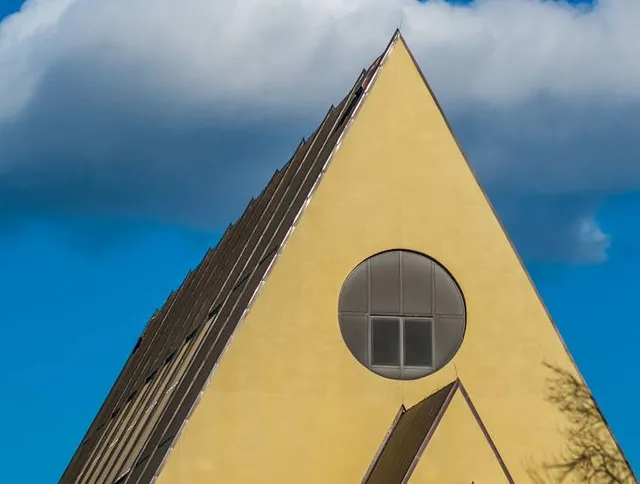
The Fram Museum
Museo Polar Ship
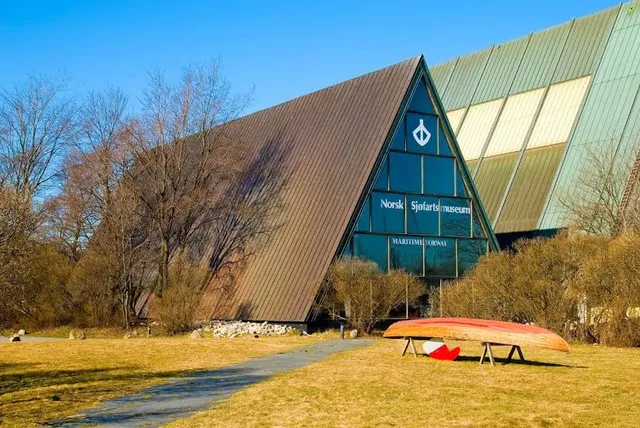
Norwegian Maritime Museum
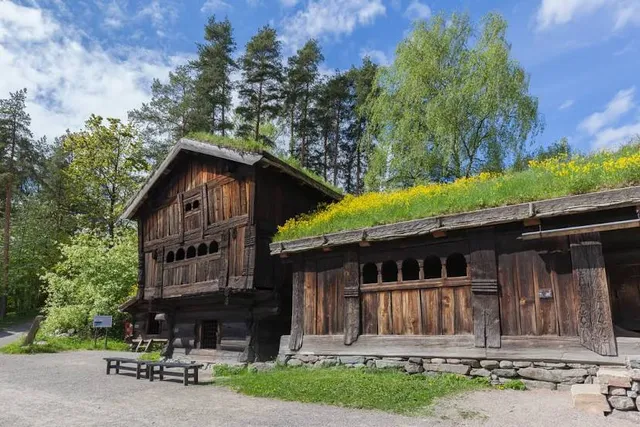
The Norwegian Museum of Cultural History
Viking Ship Museum
Norsk Farmasihistorisk Museum
Gol Stave Church
Oscarshall
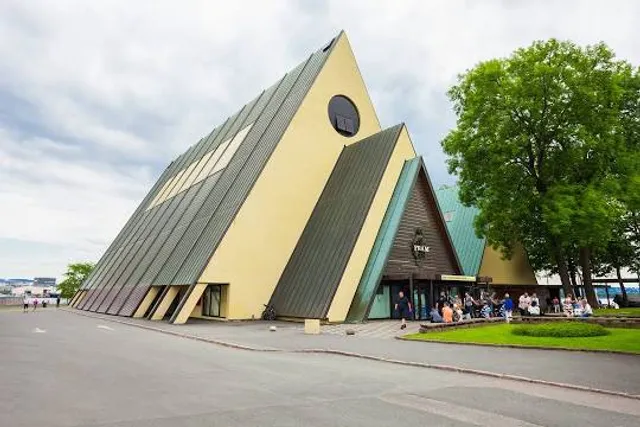
The Fram Museum
4.7
(6K)
Open until 5:00 PM
Click for details
Museo Polar Ship
4.8
(1.2K)
Open until 6:00 PM
Click for details
Norwegian Maritime Museum
4.4
(599)
Open until 4:00 PM
Click for details
The Norwegian Museum of Cultural History
4.6
(4.9K)
Open until 4:00 PM
Click for details
Nearby restaurants of Kon-Tiki Museum
Lille Herbern
Lanternen Brasserie & Bar
Kongen Marina Beach Club Bar & Restaurant
Kafe Arkadia
Frognerstranda Kro
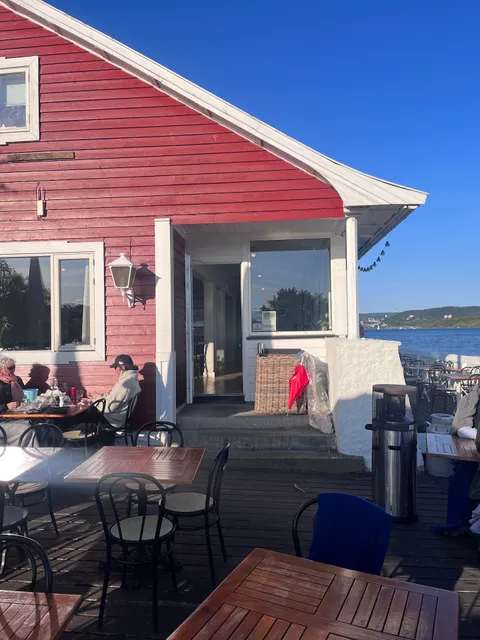
Lille Herbern
4.3
(373)
$$
Click for details
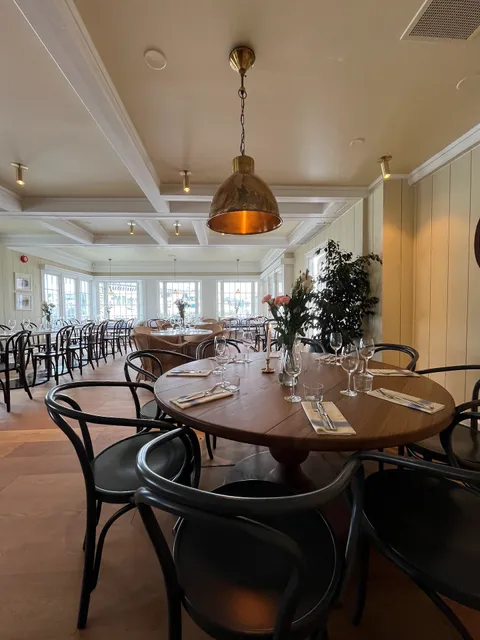
Lanternen Brasserie & Bar
4.0
(20)
Click for details
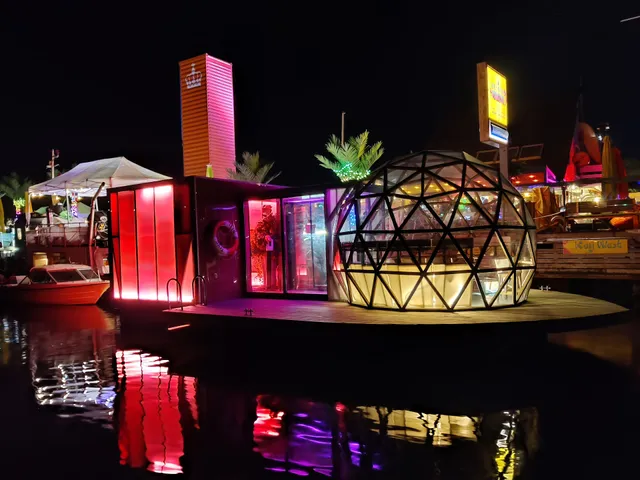
Kongen Marina Beach Club Bar & Restaurant
4.4
(800)
Open until 10:00 PM
Click for details
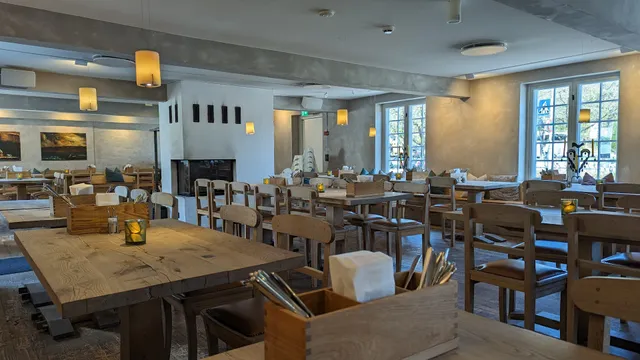
Kafe Arkadia
4.1
(221)
Open until 5:00 PM
Click for details
Nearby local services of Kon-Tiki Museum
Kafe Fjord
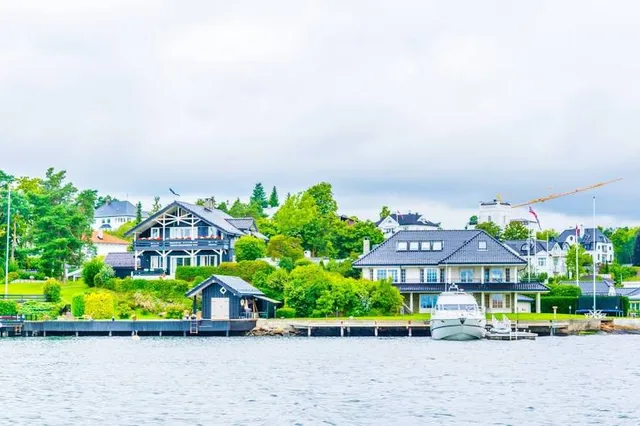
Bygdøy
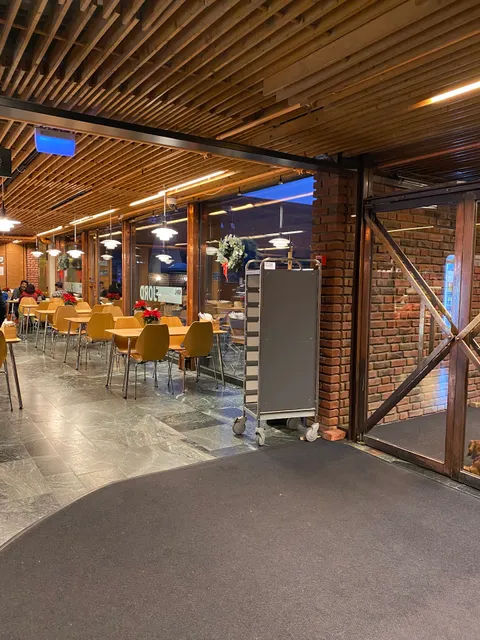
Kafe Fjord
4.0
(27)
Click for details
Bygdøy
4.7
(72)
Click for details