Al Alam Palace, also known as the Sultan's Palace, is an iconic landmark located in Muscat, the capital city of Oman. It serves as the official residence of His Majesty Sultan Qaboos bin Said Al Said and is one of the primary attractions for visitors to Muscat.
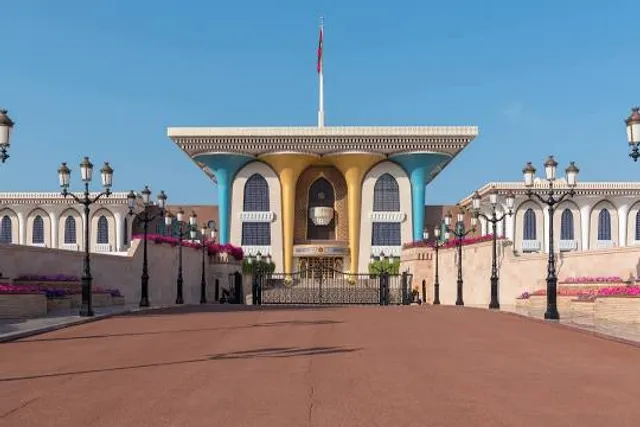
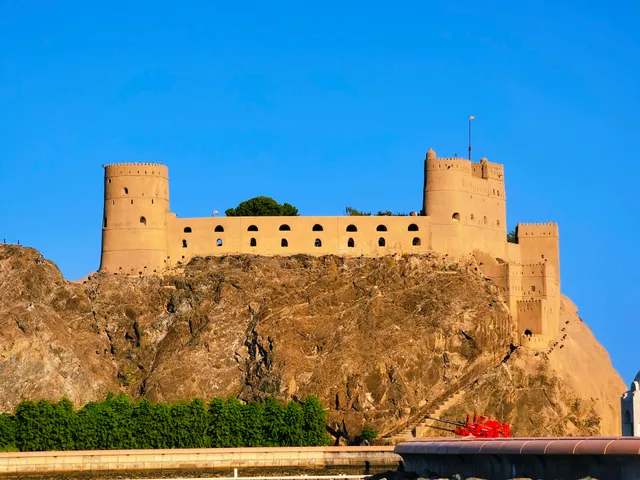
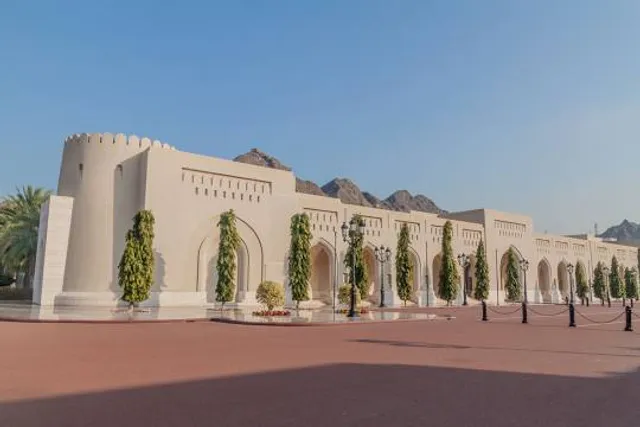
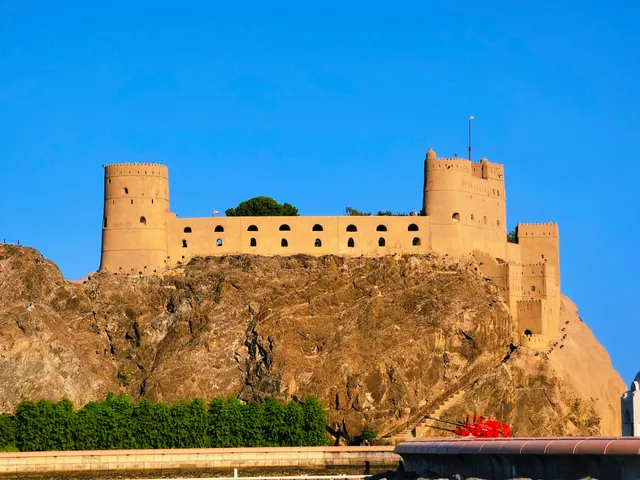
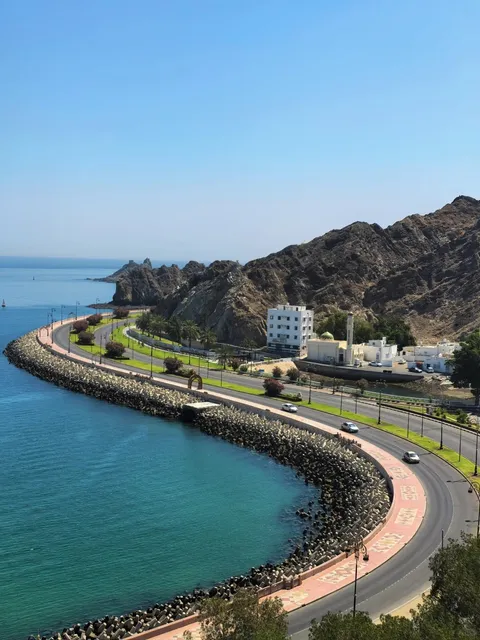
The palace is nestled between the rugged Al Jalali and Al Mirani forts, creating a stunning backdrop against the azure waters of the Gulf of Oman. Its architecture is a blend of contemporary and traditional Omani styles, featuring grand facades, colorful exteriors, and ornate golden gates. The palace is a visual spectacle, showcasing the opulence and grandeur of the Omani monarchy.
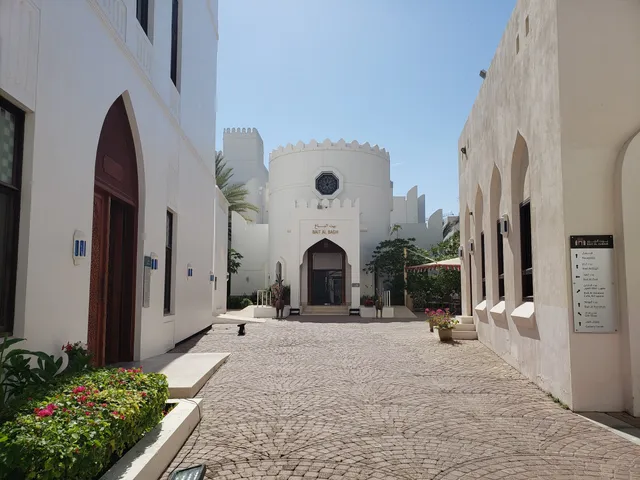
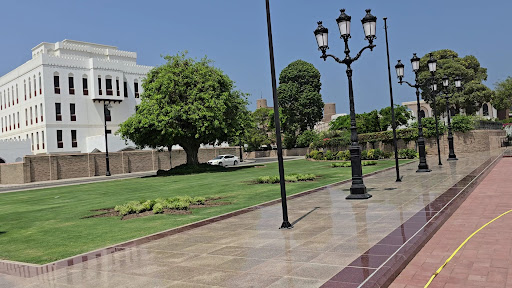
While the palace is not open to the public, visitors can admire its beauty from the outside. The well-maintained palace grounds and gardens are open for public access and provide a perfect vantage point to view the palace's exteriors and take photographs. The area is meticulously landscaped, with manicured lawns, beautiful flowers, and palm trees adding to the overall charm of the place.
The palace is particularly enchanting at night when it is beautifully illuminated, casting a golden glow over the surrounding area. The lighting creates a captivating sight, emphasizing the architectural details and making the palace even more picturesque.
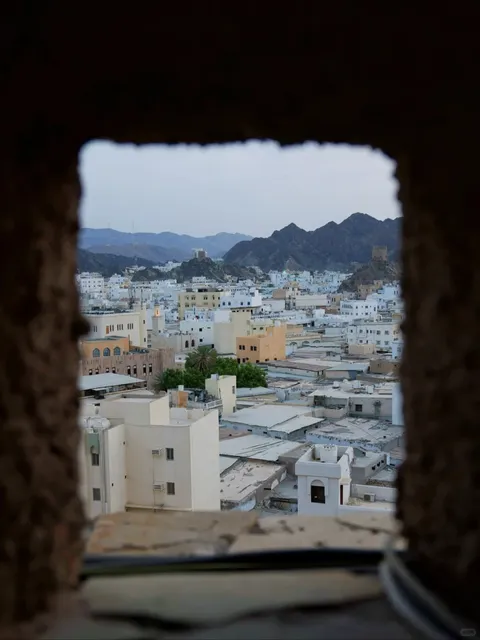
Al Alam Palace is located in the heart of Muscat's old town, making it easily accessible for visitors. The palace is often included in guided city tours, allowing tourists to learn about Oman's rich history and witness the royal splendor up close. The surrounding area also offers stunning views of the old town's traditional architecture, bustling souks (markets), and the nearby harbor.
It's important to note that while visiting Al Alam Palace, visitors should respect the palace's status as a royal residence and adhere to any guidelines or restrictions put in place by local authorities.
In conclusion, Al Alam Palace in Muscat is a captivating symbol of Oman's rich heritage and serves as the official residence of the Sultan. Its stunning architecture, picturesque surroundings, and proximity to other historical landmarks make it a must-visit destination for those interested in exploring the cultural and architectural treasures of Muscat. While access to the palace itself may be restricted, the palace grounds and gardens offer a delightful experience, allowing visitors to appreciate the beauty and majesty of this...
Read moreAl-Alam Palace was built in 1800 by Imam Sultan bin Ahmed, where the historian Miles mentioned in his book “The Gulf Countries and Tribes” that Imam Sultan bin Ahmed brought a group of Portuguese engineers to build it. Al-Alam Palace was considered in the past as the residence of the ruler until the era of Sultan Saeed bin Taimur, but more recently in 1972, when Sultan Qaboos bin Saeed assumed the reins of power, he ordered many major maintenances that made the palace what it is today and the palace became a place to receive presidents and hold important meetings of the state. The palace is distinguished by its wonderful engineering design, consisting of columns decorated with mosaic art, and its aura that reflects Arab culture. Its geographical location, located next to Al-Jalali and Al-Mirani Castles, is also distinguished. The road leading to the palace is smooth, as Muscat is characterized by a network of roads and easy transportation, as taxis are available during the day at about one Omani riyal, but their nightly cost increases and becomes 1.3 Omani riyals. The palace is usually crowded. Viewing the palace from the inside is prohibited. It is allowed only the outer area of the palace. There are no specific visiting times, but it is preferable to visit it during the day or when the moon is full at...
Read moreAl Alam Palace, located in Muscat, Oman, is a stunning sight to behold. As the ceremonial palace of the Sultan of Oman, it symbolizes the country's rich cultural heritage and traditional Islamic architecture. The palace's distinctive blue and gold facade, flanked by colorful gardens and towering palm trees, creates a picturesque setting that captures the essence of Omani royal grandeur.
Visitors are often mesmerized by the impressive gates and the surrounding walls, adorned with intricate carvings and designs that showcase the country's artistic prowess. The architecture reflects a blend of traditional Islamic style with subtle modern influences, making it a true masterpiece of design and construction.
The palace's unique location overlooking the serene waters of the Gulf of Oman adds to its allure, offering breathtaking views of the surrounding landscape. Its immaculately landscaped gardens and the well-preserved exterior highlight the importance of preserving Oman's rich cultural heritage.
Overall, Al Alam Palace is a must-see attraction for anyone visiting Oman. Whether you're drawn to its architectural beauty, historical significance, or simply want to immerse yourself in the grandeur of Omani royalty, a visit to this iconic landmark is sure to leave a...
Read more