Bait Al Zubair Museum things to do, attractions, restaurants, events info and trip planning
Basic Info
Bait Al Zubair Museum
JH7Q+QRG, Muscat, Oman
4.4(1.1K)
Open until 12:00 AM

tickets
Save
spot
spot
Ratings & Description
Info
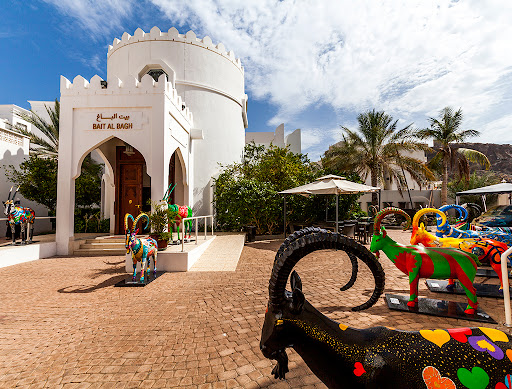
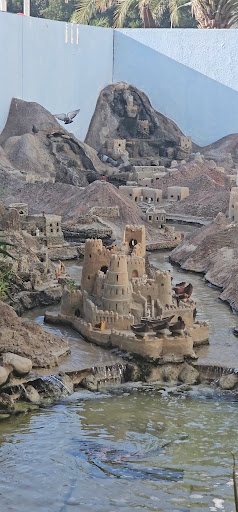
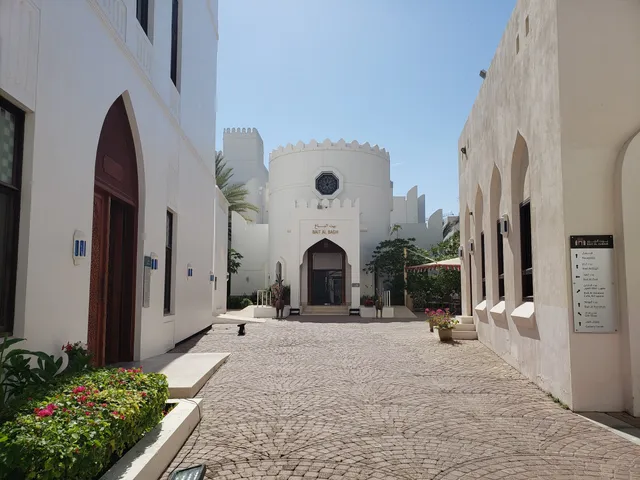
Bait Al Zubair is a museum, located on Al Saidiya Street, Old Muscat, Oman. The museum has an extensive collection of ancient weapons, including khanjar, household equipments, and costumes. Outside the museum is a full-scale Omani village and souk.
Cultural
Accessibility
attractions: Omani and French Museum, Al Alam Palace, National Museum of Oman, Muscat Gate Museum, Al Saidia Museum, Shri Shiv Mandir, Muscat, Al Mirani Fort, Al Mirani View, restaurants: Fort Cafe, local businesses: Al-Mirani Fort | قلعة الميراني
 Learn more insights from Wanderboat AI.
Phone
+968 22 084700
Website
baitalzubair.com
Open hoursSee all hours
FriClosedOpen
Plan your stay

Pet-friendly Hotels in Muscat
Find a cozy hotel nearby and make it a full experience.

Affordable Hotels in Muscat
Find a cozy hotel nearby and make it a full experience.

The Coolest Hotels You Haven't Heard Of (Yet)
Find a cozy hotel nearby and make it a full experience.

Trending Stays Worth the Hype in Muscat
Find a cozy hotel nearby and make it a full experience.
Reviews
Live events

Paddle at sunset off the Muscat coast
Sat, Feb 28 • 6:15 AM
Muscat, Muscat Governorate 123, Oman
View details
Nearby attractions of Bait Al Zubair Museum
Omani and French Museum
Al Alam Palace
National Museum of Oman
Muscat Gate Museum
Al Saidia Museum
Shri Shiv Mandir, Muscat
Al Mirani Fort
Al Mirani View

Omani and French Museum
4.2
(101)
Open 24 hours
Click for details

Al Alam Palace
4.6
(3K)
Open until 12:00 AM
Click for details

National Museum of Oman
4.6
(1.9K)
Closed
Click for details

Muscat Gate Museum
4.4
(289)
Closed
Click for details
Nearby restaurants of Bait Al Zubair Museum
Fort Cafe
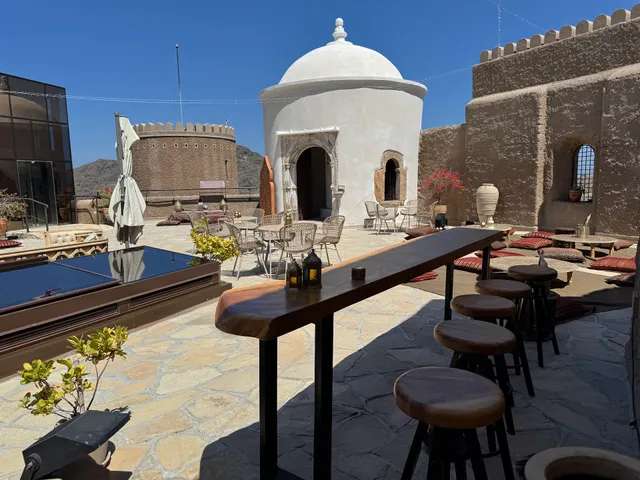
Fort Cafe
4.1
(28)
Open until 12:00 AM
Click for details
Nearby local services of Bait Al Zubair Museum
Al-Mirani Fort | قلعة الميراني

Al-Mirani Fort | قلعة الميراني
4.3
(255)
Click for details