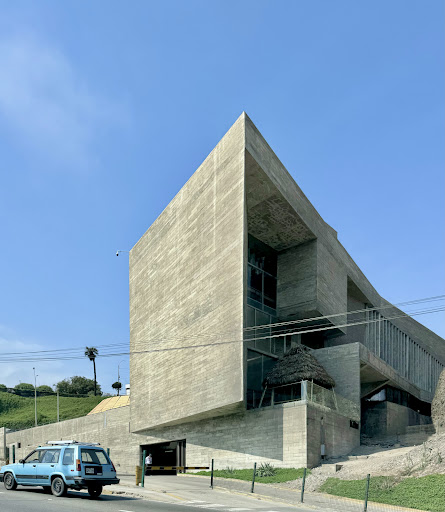
As a foreign visitor, I found the Place of Memory, Tolerance and Social Inclusion (LUM) in Lima to be a mixed experience. While the architectural beauty of the building is undeniable, my overall impression of the museum was somewhat underwhelming, and I would hesitate to recommend it to others in a similar position.
One of the main challenges I encountered was the language barrier. Without proficiency in Spanish or access to a tour guide, much of the museum's content was inaccessible to me. While I attempted to utilize the audio guides provided, I found them to be poorly organized and difficult to follow. Moreover, the lack of WiFi meant that I had to rely on my own internet connection to access the short audio descriptions, which added an extra layer of inconvenience.
Additionally, even with the audio guide, I felt that it did not fully capture the depth and significance of the exhibits. This left me feeling disconnected from the intended message and impact of the museum's mission to promote memory, tolerance, and social inclusion.
Despite these shortcomings, I must acknowledge the importance of the museum's mission and the valuable role it plays in addressing historical and social issues in Peru. However, as a foreign visitor without adequate language support, my experience was unfortunately limited.
In conclusion, while the Place of Memory, Tolerance and Social Inclusion (LUM) may hold promise for those who can fully engage with its content, I would caution foreign visitors to consider the language barriers and audio guide limitations before...
Read moreThe museum explains the violence that occurred between the Shining Path libration army (Maoist socialist group that gain power in the countryside) and the military. There were many victims and you get to hear their stories. Unfortunately the English explanation was non existent. The QR codes were suppose to take you to a Google drive page with English audio but I didn’t find it there on occasion. Also, the building is built on the cliffs and being surrounded by the cliffs did not make it easy to receive any signal… what I did realized was that there were a lot about the Shining paths atrocities but there wasn’t much regarding what the military did to the citizens caught in between. I’m just a casual visitor but I could tell it just from following up on wiki that there’s more to the story.
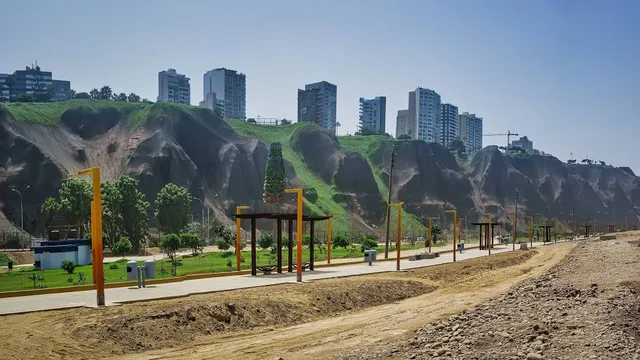
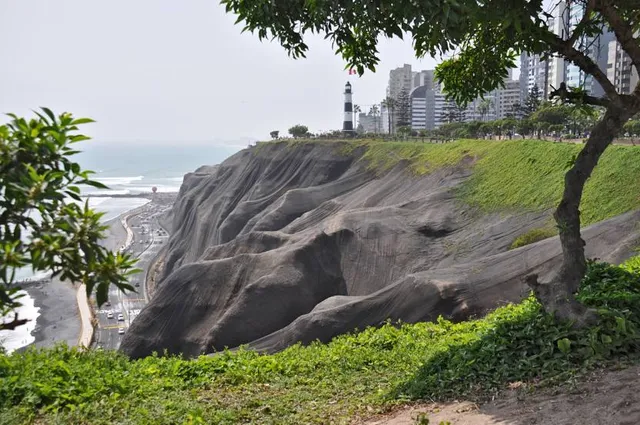
Exhibition aside, it’s an excellent contemporary architecture that is built into the cliff side. The entrance of the building makes you descend into the depths between the building and the cliffs methodically creating the feeling of being stuck between a rock and a hard place which is what many of the victims felt. The entire museum is connected via ramps (close to being wheelchair accessible) and light penetrations from both sides (from the windows) as well as from top to bottom (from the circular sky lites and glass gaps between the slab). The roof is an open space with amazing views of the Pacific. Highly recommend it for people who enjoy history and contemporary...
Read moreInformación valiosa se halla en este lugar, fomenta la historia de nuestro Perú antíguo en épocas difíciles como el terrorismo y la corrupción Dejaré información valiosa para que vean de que trata:
El Lugar de la Memoria, la Tolerancia y la Inclusión Social (LUM) del ministerio de cultura del Perú es un espacio de conmemoración pedagógico y cultural que alberga la historia de violencia ocurrida en el Perú entre los años 1980 y 2000. El LUM se encuentra ubicado en Miraflores, y fue inaugurado en diciembre del 2015 durante el Gobi de Ollanta Humala Tasso.
Durante la Cumbre América Latina, el Caribe y la Unión Europea de 2008, que se llevó a cabo en el Perú, el gobierno alemán anunció una donación al estado peruano para la construcción de un Museo de la Memoria. El gobierno de Alan García rechazó inicialmente la oferta, pero aceptó la donación el 27 de marzo de 2009 y anunció la construcción de un museo dedicado a las víctimas de la época del terrorismo vivido en el Perú, durante la cual los grupos terroristas Sendero Luminosoy Movimiento Revolucionario Túpac Amaru se enfrentaron al Estado peruano. De acuerdo con el informe final de la Comisión de la Verdad y Reconciliación, el terrorismo provocó cerca de 69 mil muertes entre 1980 y 2000.
Documentación e investigación:
El Centro de documentación e investigación del LUM es una plataforma que alberga miles de testimonios y documentos acumulados durante el período de violencia (1980-2000). A través de él, se recalca la importancia del valor documental, así como la urgencia de preservación, clasificación y catalogación; de manera que la información resulte permanentemente accesible.
El Centro de documentación almacena bibliografía digitalizada, material audiovisual, archivos de audio, información en general sobre las décadas de violencia 1980-1992 e investigaciones de temas de derechos humanos o afines. A la fecha se cuenta con un total de 4233 archivos aportados por diversas instituciones y personas.
En 2017, después de un debate político sobre la muestra "Resistencia Visual 1992" curada por Karen Bernedo, inaugurada el jueves 17 de agosto, el Ministro de Cultura propició que el director del Museo, Guillermo Nugent, sea retirado del cargo. El título de la muestra se relaciona al año en el que se dieron los principales casos de corrupción y violación a los derechos humanos tanto por parte del gobierno fujimorista como de los grupos terroristas MRTA y Sendero Luminoso.
Aunque la exposición no fue censurada ni modificada, el Ministro de Cultura, Salvador del Solar, argumentó el retiro de confianza ya que "...la muestra despedía una clara sensación general de sesgo que no se corresponde con la que habíamos acordado buscar para el LUM. No hubo oposición a esta impresión, sino más bien el reconocimiento, también por parte de Guillermo, de que efectivamente había elementos claramente inclinados hacia una dirección".Del Solar explicó que no era censura o contra el mandato del museo LUM.
En el otro lado, se argumentó que la reacción del Ministerio obedece al descontento que mostró el congresista fujimorista Francesco Petrozzi, cuyo grupo parlamentario tenía la mayoría absoluta en el Congreso peruano. La evidencia fue una conversación por tuiterpor Petrozzi. Antes del la despedida de Nugent, unas fujimoristas se quejaron de la exposición con motivación de criticar todo el museo. Un ejemplo fue lo de Carlos Tapia, criticó la exposición como ideologizada, tanto como sus trabajadores, que, "su forma de comunicarse utilizando un lenguaje feminista que solo lo usan personas ideologizadas". La salida forzada de Guillermo Nugent fue condenada como una forma de censura por la impresa editorial de La República ("una presión política contra una expresión cultural libre en un espacio democrático") y por especialistas en la memoria y democracia, inclusivo historiadores, politólogos, antropólogos y oenegés que han hecho proyectos de apoyo a las víctimas de la violencia política, e investigaciones en la sociedad...
Read more