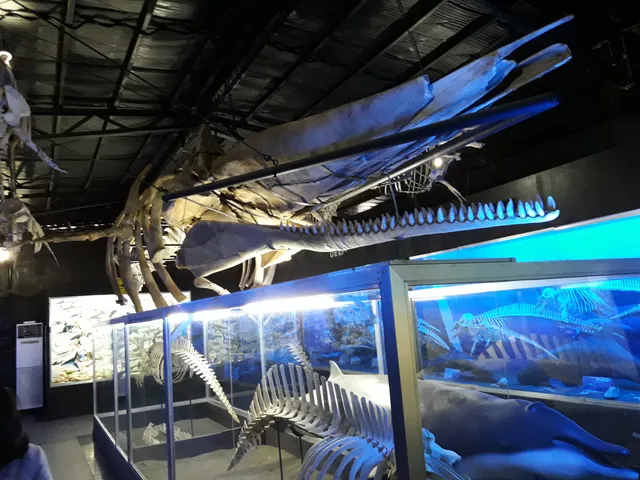
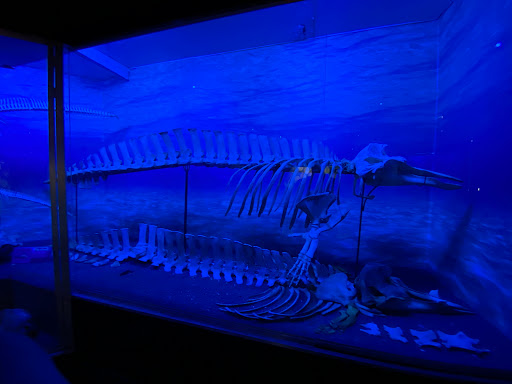
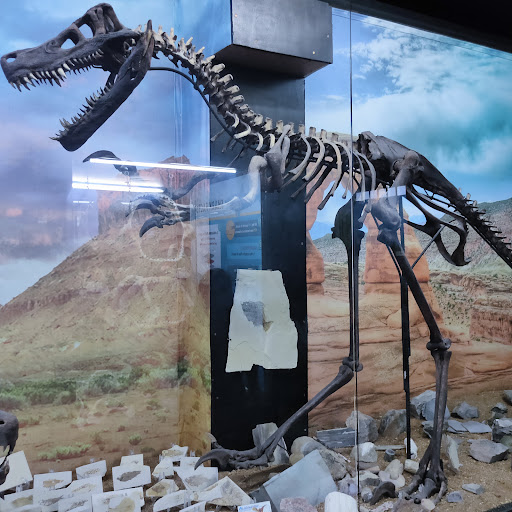
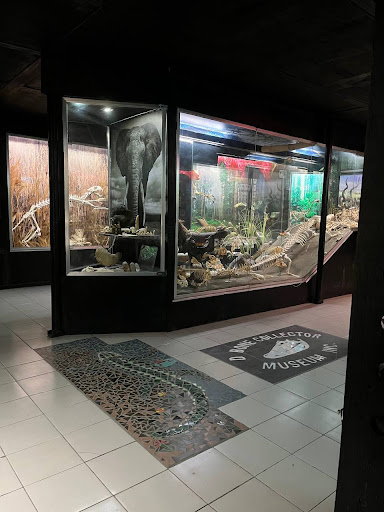
Nestled in the heart of Davao City, D’ Bone Collector Museum offers a unique and educational experience that stands out among the city’s attractions. This museum, known as Asia’s largest bone museum, houses an impressive collection of over 700 specimens, including 29 whale and dolphin skeletons.
The museum’s exhibits span a wide range of animal species, from marine creatures to land mammals. Each specimen tells a story, often highlighting the impact of environmental issues like pollution. The guided tours, led by knowledgeable and enthusiastic guides, provide in-depth insights into the lives and deaths of these animals, making the visit both informative and engaging.
One of the museum’s primary goals is to educate visitors about marine pollution and its devastating effects on wildlife. Many of the specimens, particularly the marine ones, died due to ingesting plastic and other pollutants. This stark reality is presented in a way that is both sobering and inspiring, encouraging visitors to think about their environmental impact.
The museum is well-organized and air-conditioned, providing a comfortable environment for visitors. The staff are friendly and eager to share their knowledge, enhancing the overall experience. The entry fee is reasonable and includes a guided tour, which adds significant value to the visit.
The Highlights include A diverse collection from the depths of the oceans to the tallest bird species, the museum’s collection is vast and varied.
Educational Tours: The guided tours are a highlight, offering detailed explanations and stories behind each exhibit.
Environmental Awareness: The museum’s focus on marine pollution and conservation is both timely and important.
In conclusion, D’ Bone Collector Museum is a must-visit for anyone in Davao City. Whether you’re a local or a tourist, the museum offers a unique blend of education and fascination that is sure to leave a lasting impression. It’s a place where you can learn about the natural world and reflect on the importance of...
Read moreMe and my friends visited last month, and I would say that I was astonished by the different remains of different species. I really love going to museums, and visiting this museum was such a great experience. Though it was pretty tough for us to go to the location of the museum, that's because the signage that I saw was only at the corner of the street. So if you're not familiar with the streets in San Pedro area, you might get lost or something if you don't have any GPS with you. Actually, I would really like to recommend some things. So first and foremost, I'm a Development Anthropology student. While taking a course on cultural heritage, I learned how a museum runs. I noticed when we entered there wasn't any noticeable security outside the building. Maybe there is, but I just didn't notice? Hopefully, they will implement something more regarding the museum's security. Since there are artifacts there that can only be found there (based on what our curator told us). Since we visited last month, I don't know if this issue was already solved, but I hope the air conditioning on the third floor is already fixed. Since it was really hot the last time that we went there. I would also like to praise the staffs for being accommodating and friendly towards us. Also, the staff that was assigned to us, thank you so much for being knowledgeable enough to explain the artifacts to us, it was really fascinating while she's giving us the infos. Though some of the artifacts weren't described properly in their descriptions while talking, I kindly hope that they would at least add more staff so that each artifact will be presented properly since it is quite heavy for just one person to be talking to us regarding the artifacts from the 1st floor up to the last floor with just only one person. Thank you as well for having a student discount, it really helped us to somehow save our money. All in all, I would still recommend it to anyone who would like to visit the museum. It was really a nice experience, thank...
Read moreThe museum operates efficiently, blending education with conservation advocacy. The staff was welcoming and well-informed, offering additional insights into the origins of certain specimens. Altogether, there is still a note to suggest that the museum may benefit from incorporating more heavily interactive displays, or more multimedia features, to capture the interest of younger visitors and impart the data more vividly. Particularly, aside from taking photos they should have allowed to record the discussions during the tour through a voice record in order to give a nuanced understanding of the discussion since not everything can be fully grasp by the visitors. Even though they imposed strict policy to not take videos, however a voice record could have been permitted and allowed. Wherein, the recorded information can be used by the visitors in recalling the discussions and clarifying some confusions that he or she have encountered within the tour. This could also be valuable in transferring and sharing of knowledge in order to raise environmental awareness and encourage animal preservation or conservation practices. On the other hand, in the third floor of the museum it gives off a warmer temperature compared to the other floors. With this, it could possibly affect the artifacts displayed in the museum, such that it could lead to harmful effects, damages, and destruction of the specimens. Additionally, visitors could also be put in discomfort and risks due to the lack of ventilations. In our case, we felt discomfort due to hot temperature that made us lost focus on the discussion. With that, we also observed the certain smell of the chemicals and bones, though not to the extent that it blocks or irritates our nose. Overall, our experience was fun and educational at the same time. Thus I would recommend this to others to also visit the museum and experience the thrill in discovering what's inside the...
Read more