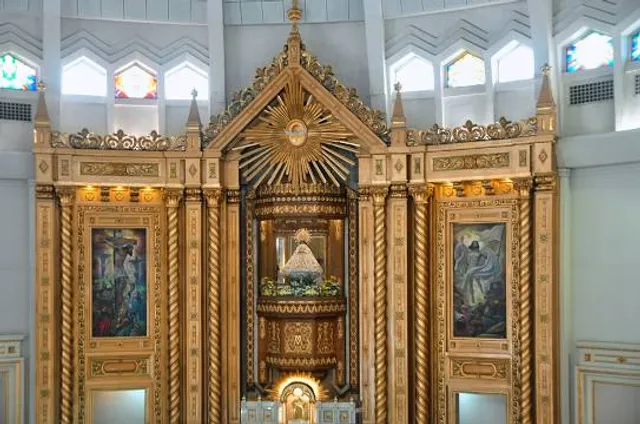
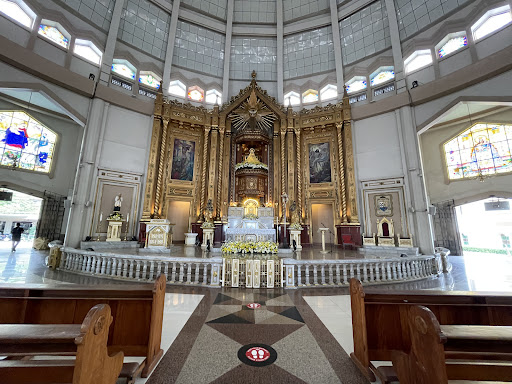
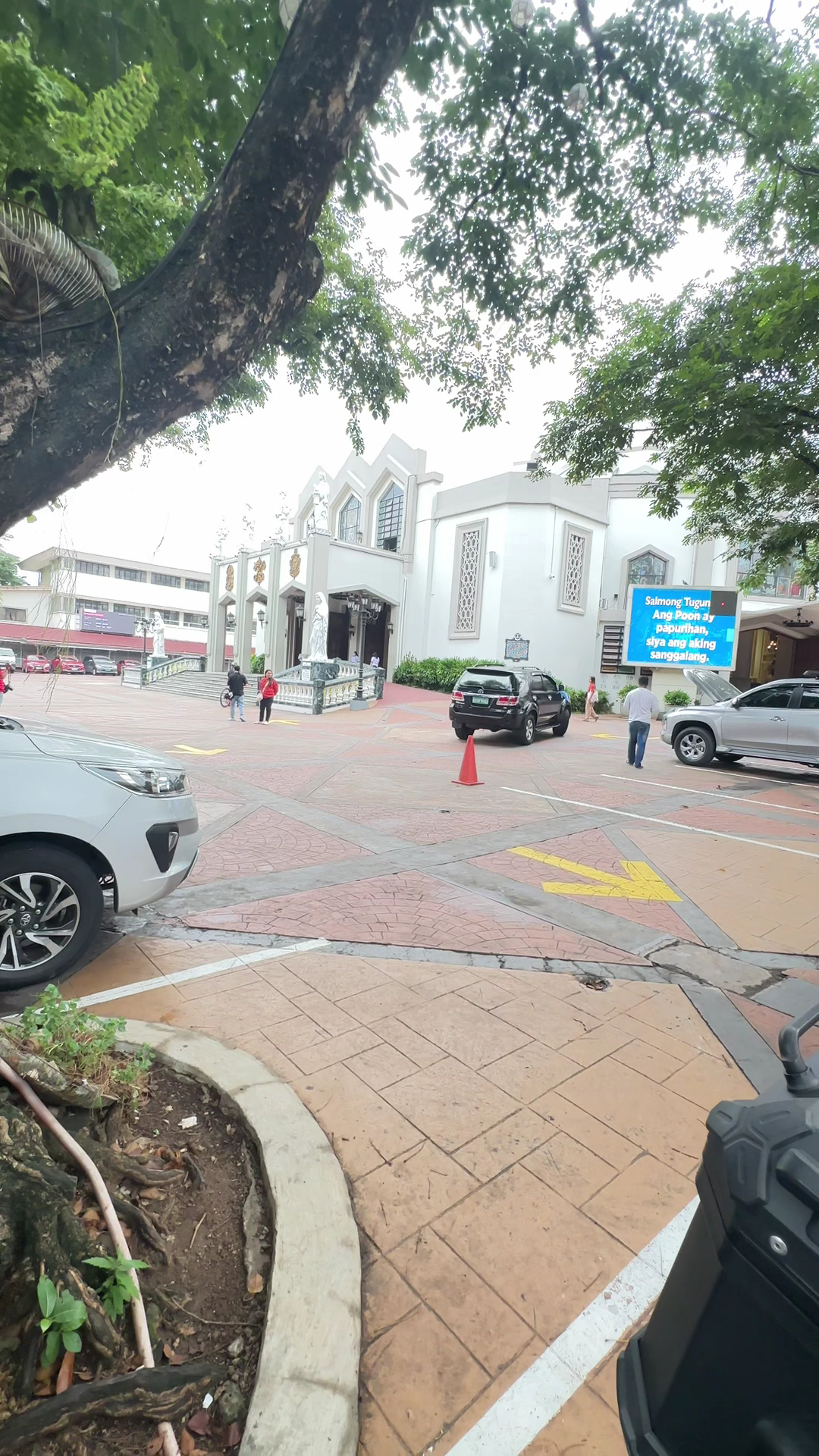
Our Lady of Peace and Good Voyage (Spanish: Nuestra Señora de la Paz y Buen Viaje) or also known as Our Lady of Antipolo, is a 17th-century wooden Roman Catholic statue. The black Madonna is enshrined in the Antipolo Cathedral. The Antipolo Cathedral in the Philippines was also declared the first international shrine in the Philippines and Asia. (Shrine of Our Lady of Peace and Good Voyage) This shows that Catholicism was introduced in the Philippines about 500 years ago and that the faith has deeply penetrated the culture, thought, heart, and history of the Filipino people.
This place is famous for its 17th-century wooden statue of the Virgin Mary, which attracts pilgrims from all over the world.
The wooden statue was brought to the country in 1626 by Mexican Governor Juan Niño de Tabora on the El Almirante galleon. His safe voyage across the Pacific is attributed to this image, which was given the title "Our Lady of Peace and Good Voyage." This was later proven by the other six consecutive and successful voyages of the Manila-Acapulco galleon, which led to the belief that the safe voyage was made because of statue.
The Black Jesus statue, entrusted to an unknown priest in 1606, was also carried across the Pacific on a galleon that arrived in Manila and was brought to the Philippines, where it is currently housed in the Quiapo Cathedral. The Black Jesus statue, which came from Mexico, is a statue of Jesus Christ kneeling on one knee and holding a large wooden cross, and his skin is depicted in black. It is thought that the black appearance of Christ reflects the culture of the Mexican indigenous people. It is also known as the Black Nazarene.
The wooden Virgin Mary in the Antipolo Cathedral is also depicted in black.
The Manila Galleon was a Spanish sailing ship that sailed annually (once a year) across the Pacific Ocean between Manila, Philippines and Acapulco, Mexico between 1565 and 1815. It also refers to the trade route between Manila and Acapulco itself.
The ship was the only means of communication between Spain and its Philippine colonies, and served as an economic lifeline for the Spanish in Manila.
The Spanish in Manila became so dependent on the annual ships that when the ships sank at sea or were captured by British pirates, the colony suffered economic depression. The Manila Galleon was not only a very important means of communication between Spain and the Philippines, but also had a significant economic impact.
During the heyday of the galleon trade, Manila became one of the world's largest ports, serving as a hub for trade between China and Europe. Chinese silk was the most important cargo, but other exotic goods such as perfume, porcelain, cotton (from India), and jewelry were also transshipped on the galleons. After unloading in Acapulco, the cargo usually made a profit of 100-300%. On the return voyage, the ship brought back to the Philippines a huge amount of Mexican silver and Spanish correspondence.
The Manila galleons were mainly loaded with Chinese goods shipped from Manila. The Manila galleon route was an early example of globalization, representing a trade route from Asia to the Americas, which connected the continents and created a global silver trade.
In 2015, the Philippines and Mexico, with support from Spain, began preparations to list the Manila-Acapulco Galleon Trade Route as a UNESCO World Heritage Site, and Spain also proposed that the Manila-Acapulco Galleon Archives be listed by three countries in the UNESCO World Heritage List.
Pope Pius XI issued an Apostolic Constitution in 1925 crowning the image. This statue is one of the most famous images of Mary in the Philippines. Every year from May to July, the image attracts millions of pilgrims from all over the Philippines and abroad. Its feast day is the first Tuesday of May. There is also a story about how the Virgin Mary chose the place where she wanted to build her church. It is said that the Virgin Mary appeared to the Tipolo tree in Antipolo and that is how the Antipolo...
Read moreAntipolo Cathedral, officially known as the National Shrine of Our Lady of Peace and Good Voyage, is a historic and revered religious site located in Antipolo City, Rizal. Known for housing the image of Our Lady of Peace and Good Voyage, it is a popular pilgrimage destination for both locals and tourists, especially among travelers seeking blessings for safe journeys. Here’s a review of this beloved cathedral:
Pros:
Spiritual Significance: The cathedral is known for its rich history and religious significance. Pilgrims come to pray for safe travels, blessings, and healing, adding to the deep sense of spirituality and reverence that fills the space.
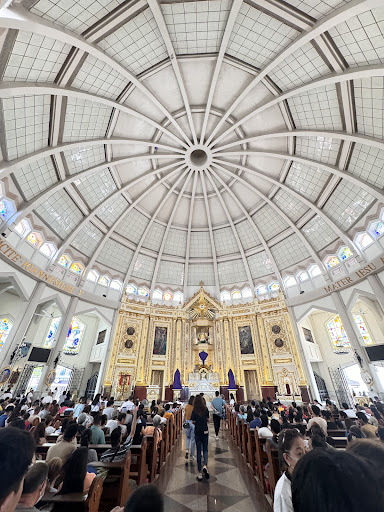
Beautiful Architecture: The cathedral’s architecture is captivating, combining traditional and modern elements. The large, circular dome and stained glass windows create a serene and uplifting atmosphere, especially when sunlight filters through.
Accessible Pilgrimage Site: Many people visit the cathedral during the “alay lakad” tradition, where devotees walk from various parts of Rizal and Metro Manila to Antipolo. The church is accommodating to pilgrims, making it a fulfilling destination for those seeking a meaningful spiritual journey.
Scenic Surroundings: Situated in the scenic area of Antipolo, the cathedral is surrounded by lush greenery and views of the city. After visiting, people can explore nearby areas like Hinulugang Taktak or other scenic spots for a well-rounded trip.
Vibrant Community: The cathedral often has an active calendar with masses, novenas, and other religious activities, fostering a warm and welcoming community for both locals and visitors. The parish and volunteers are usually accommodating, helping make the experience positive for everyone.
Souvenir Shops: Around the cathedral, there are several stalls and shops selling religious items, rosaries, and locally-made delicacies like suman, kasuy, and kakanin. These add a cultural touch to the visit and make great souvenirs.
Cons:
Crowds and Long Lines: Antipolo Cathedral can get very crowded, especially during the pilgrimage season (May) or religious holidays, which can lead to long lines and wait times. This can make it challenging for visitors looking for a quiet, contemplative experience.
Limited Parking: Parking is often an issue, particularly during weekends and peak pilgrimage periods. Some visitors may have to park a bit farther from the cathedral, which can be inconvenient.
Noise from Surroundings: With so many people, vendors, and vehicles around, it can sometimes be noisy, which might detract from the peaceful atmosphere expected in a place of worship.
Weather-Dependent Experience: Since the cathedral is open to pilgrims from around the region, the experience can vary depending on the weather. Rainy days, in particular, can be difficult for those walking or waiting outside.
Limited Accessibility for Elderly and Disabled: Although efforts have been made to make the cathedral accessible, the high influx of visitors and sometimes steep areas around the site can make it challenging for elderly and disabled pilgrims.
Overall: Antipolo Cathedral is a must-visit for those looking to deepen their faith, experience local culture, or simply explore the spiritual heritage of the Philippines. Despite occasional challenges with crowds and parking, the beauty of the church and the devotion it inspires make it a worthwhile and enriching visit. The peaceful, historical atmosphere and strong sense of community make Antipolo Cathedral a cherished place for Filipinos and...
Read moreThe Antipolo Cathedral, also known as the National Shrine of Our Lady of Peace and Good Voyage, is a significant religious landmark that holds a deep historical and cultural significance in Antipolo City. Nestled atop a hill, this majestic cathedral is not only a place of worship but also a symbol of faith and devotion.
One of the standout features of the Antipolo Cathedral is its stunning architecture. The grand façade, with its intricate details and imposing presence, captures the attention of visitors and instills a sense of awe. The cathedral's interior is equally impressive, adorned with beautiful stained glass windows, ornate altars, and religious artworks that create a serene and sacred atmosphere.
The main attraction of the Antipolo Cathedral is the venerated image of Our Lady of Peace and Good Voyage. Pilgrims from all walks of life flock to the cathedral to seek the intercession of the Blessed Virgin Mary and offer prayers for safe journeys and guidance. The devotion and spiritual fervor that fill the cathedral create a palpable sense of faith and unity among visitors.
The cathedral's location on a hill provides breathtaking panoramic views of Antipolo City and its surrounding landscapes. It offers a serene and peaceful environment for contemplation and reflection, away from the noise and distractions of the city.
The Antipolo Cathedral is not only a place of worship but also a cultural hub. It hosts various religious and cultural events throughout the year, including processions, fiestas, and religious festivals. These events showcase the vibrant culture and deep-rooted traditions of Antipolo, attracting both locals and tourists alike.
In conclusion, the Antipolo Cathedral is a magnificent religious landmark that holds immense spiritual and cultural significance in Antipolo City. With its stunning architecture, sacred atmosphere, and panoramic views, it offers a profound and enriching experience for visitors. Whether you are a religious pilgrim, a history enthusiast, or someone seeking a peaceful retreat, a visit to the Antipolo Cathedral is sure to leave a lasting impression of faith, serenity, and...
Read more