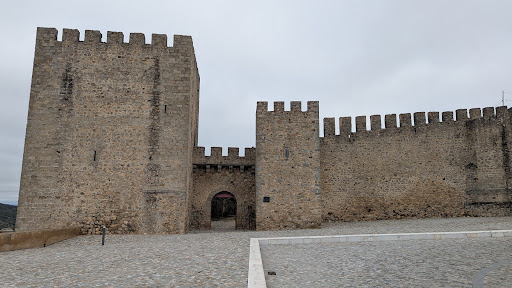
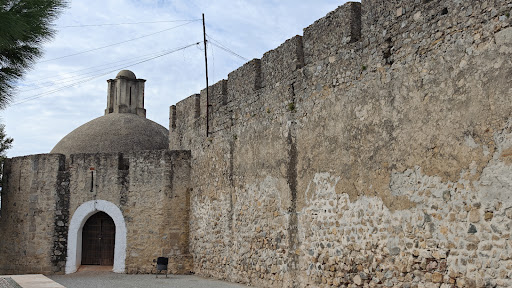
Elvas Castle things to do, attractions, restaurants, events info and trip planning

Basic Info
Elvas Castle
R. da Parada do Castelo 4, 7350-082 Elvas, Portugal
4.3(2.3K)
Open until 12:00 AM
Save
spot
spot
Ratings & Description
Info
The Castle of Elvas is a medieval military fortification in Portugal, in the civil parish of Alcáçova, municipality of Elvas, part of a first line of defense in the Portuguese Alentejo, in conjunction with the military forts of Ouguela, Campo Maior, Olivença and Juromenha.
Cultural
Outdoor
Family friendly
attractions: Praça da República, Elvas, Our Lady of the Assumption Cathedral, Igreja das Domínicas, Military Museum of Elvas, Casa da Cultura de Elvas, Elvas Museum of Contemporary Art, Torre Fernandina, Church of São Domingos, Museu Municipal de Fotografia João Carpinteiro, Portas de Olivença, restaurants: Pedras do Castelo, Recanto de São Paulo, Mau Maria Petiscaria, Restaurante O Golo, Adega Regional, O Assador, Kudissama, São Lourenço, O Grémio, A Coluna, local businesses: Praça da República, Elvas, Negócio, Elvas City Wall, Museo de Arqueología y Etnografía
 Learn more insights from Wanderboat AI.
Phone
+351 268 626 403
Open hoursSee all hours
Tue9:30 AM - 1 PM, 2 - 5 PMOpen
Plan your stay

Pet-friendly Hotels in Elvas
Find a cozy hotel nearby and make it a full experience.

Affordable Hotels in Elvas
Find a cozy hotel nearby and make it a full experience.

The Coolest Hotels You Haven't Heard Of (Yet)
Find a cozy hotel nearby and make it a full experience.

Trending Stays Worth the Hype in Elvas
Find a cozy hotel nearby and make it a full experience.
Reviews
Nearby attractions of Elvas Castle
Praça da República, Elvas
Our Lady of the Assumption Cathedral
Igreja das Domínicas
Military Museum of Elvas
Casa da Cultura de Elvas
Elvas Museum of Contemporary Art
Torre Fernandina
Church of São Domingos
Museu Municipal de Fotografia João Carpinteiro
Portas de Olivença
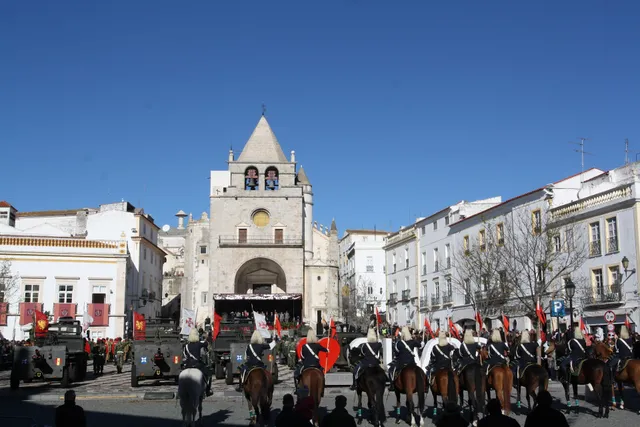
Praça da República, Elvas
4.5
(1.4K)
Open until 12:00 AM
Click for details
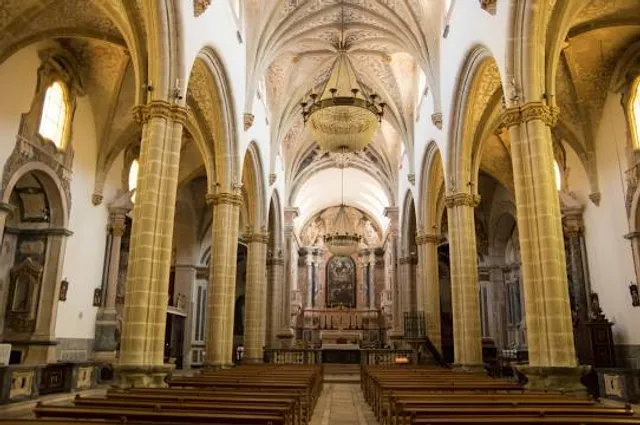
Our Lady of the Assumption Cathedral
4.5
(167)
Open until 12:00 AM
Click for details
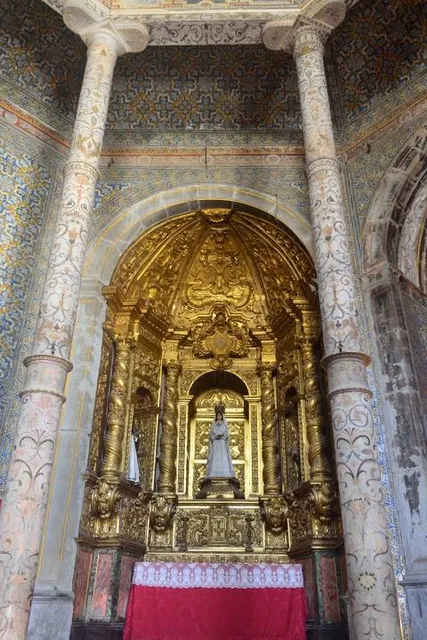
Igreja das Domínicas
4.6
(53)
Open until 12:00 AM
Click for details
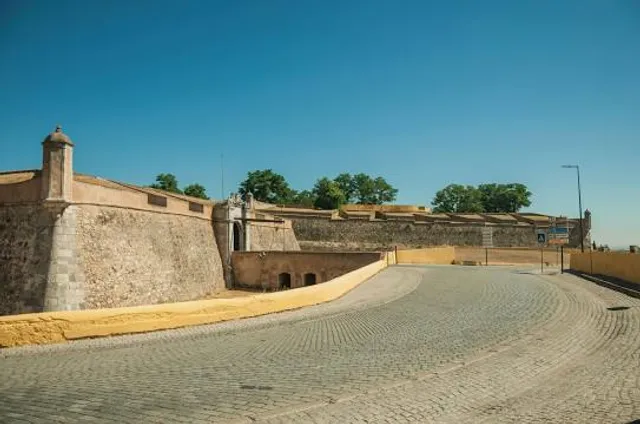
Military Museum of Elvas
4.6
(527)
Open until 12:00 AM
Click for details
Nearby restaurants of Elvas Castle
Pedras do Castelo
Recanto de São Paulo
Mau Maria Petiscaria
Restaurante O Golo
Adega Regional
O Assador
Kudissama
São Lourenço
O Grémio
A Coluna
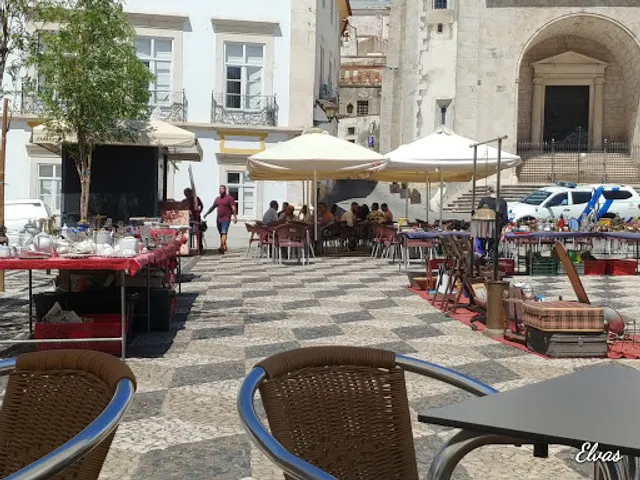
Pedras do Castelo
4.5
(122)
Closed
Click for details
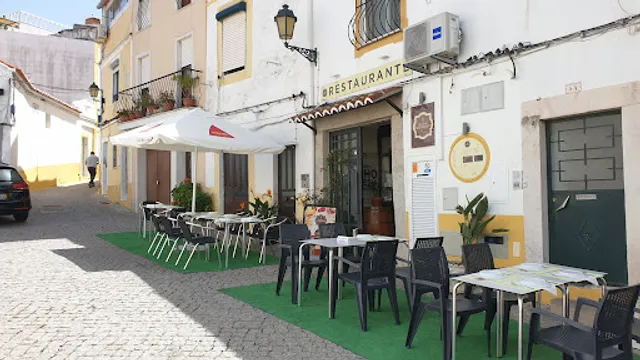
Recanto de São Paulo
4.4
(436)
Open until 10:00 PM
Click for details
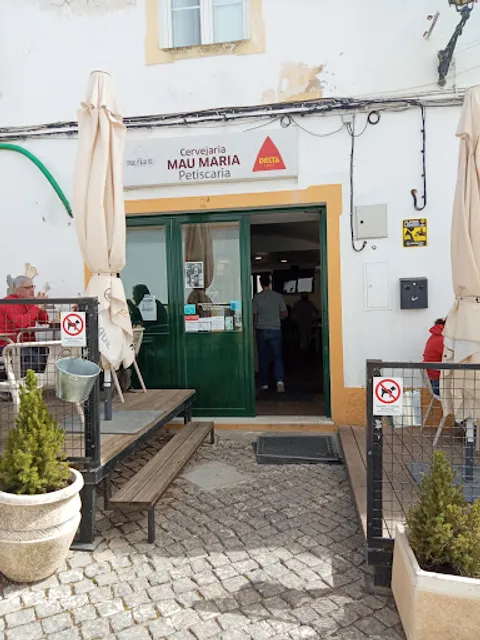
Mau Maria Petiscaria
4.5
(434)
Open until 10:00 PM
Click for details
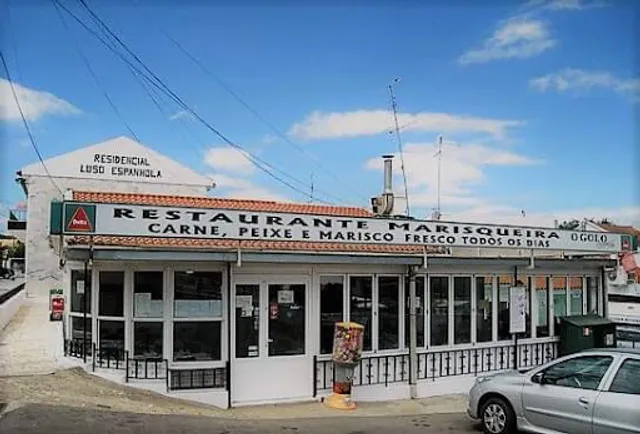
Restaurante O Golo
4.0
(403)
Open until 11:00 PM
Click for details
Nearby local services of Elvas Castle
Praça da República, Elvas
Negócio
Elvas City Wall
Museo de Arqueología y Etnografía
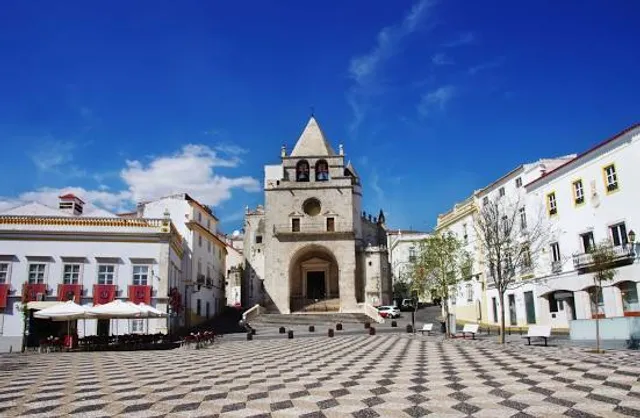
Praça da República, Elvas
4.5
(970)
Click for details
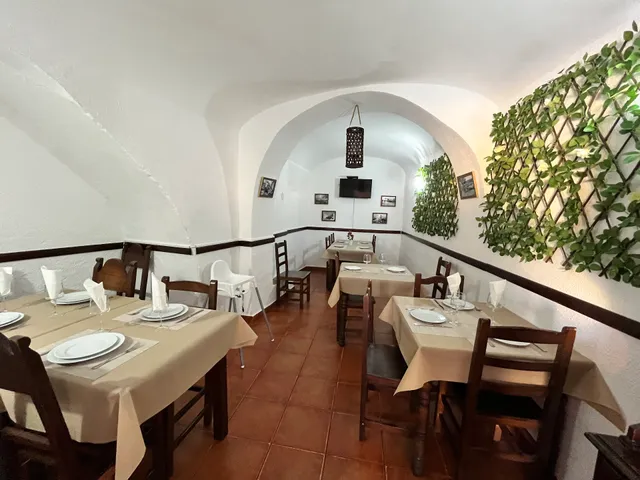
Negócio
4.1
(49)
Click for details
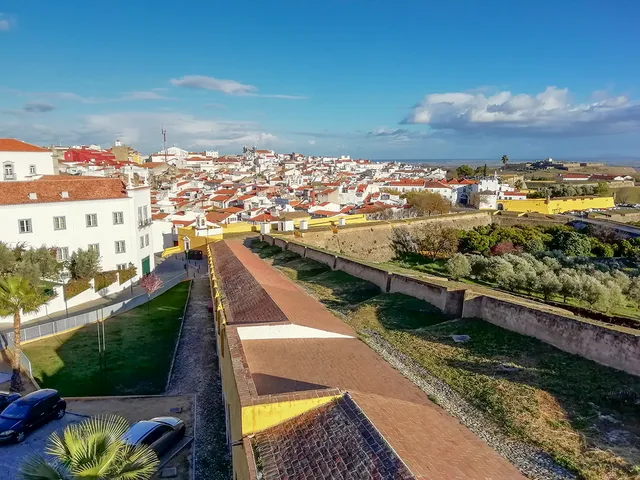
Elvas City Wall
4.7
(97)
Click for details
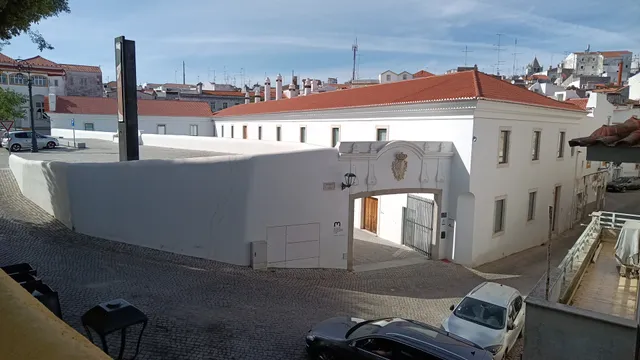
Museo de Arqueología y Etnografía
4.7
(61)
Click for details