HTML SitemapExplore
logo
Find Things to DoFind The Best Restaurants

Castelo da Sertã — Attraction in Sertã

Name
Castelo da Sertã
Description
Nearby attractions
Praia Fluvial da Ribeira Grande
R. Dr. Pedro Matos Neves 17, Sertã, Portugal
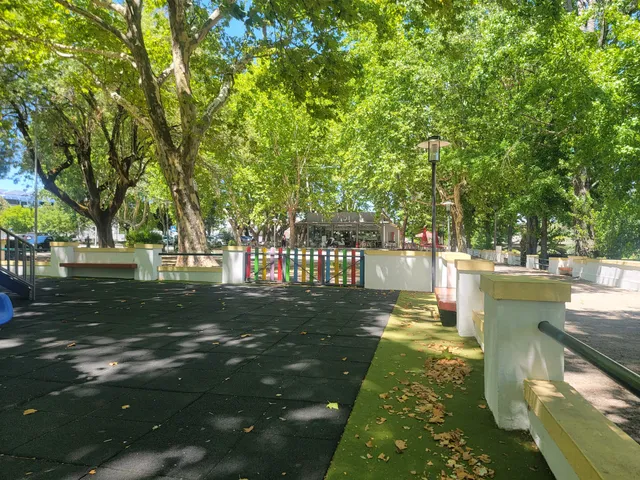
Jardim da Alameda da Carvalha.
Alameda Carvalha 4, 6100-730 Sertã, Portugal
Nearby restaurants
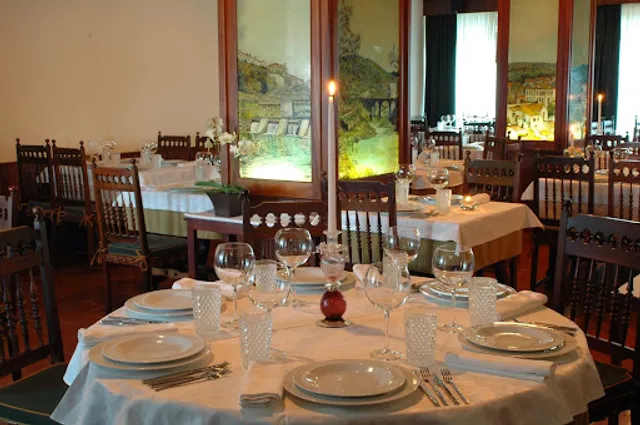
Lagar - Restaurant
6100-730 Sertã, Portugal
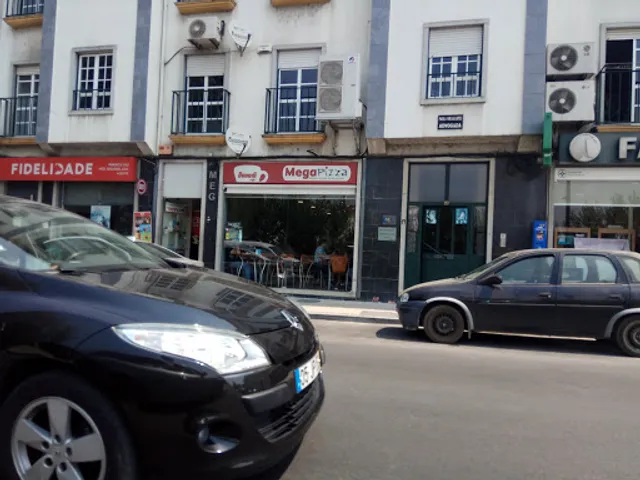
M Pizza
Av. Gonçalo Rodrigues Caldeira 17, 6100-732 Sertã, Portugal
Restaurante Santo Amaro
Rua 1 de Dezembro, 6100-743 Sertã, Portugal
Ponte Velha
Rua do Convento, 6100-593 Sertã, Portugal
Fonte da Boneca - Snack Bar Restaurante
Sertã, 6100-739 Castelo branco, Portugal
Churrasqueira Zé dos Frangos
R. Cândido dos Reis 12, 6100-746 Sertã, Portugal
Sabores do Pinhal
Av. Padre Manuel Antunes 6100, Sertã, Portugal
R&R Pizza
Avenida 25 de Abril, N29 39.8041067, -8.1003443, 6100-733 Sertã, Portugal
Ponte Romana
R. da Ponte Romana 4, 6100-617 Sertã, Portugal
Estrela Doce
CM1158 33, 6100-733 Sertã, Portugal
Nearby hotels
Hotel Square
R. Cândido dos Reis 28, 6100-746 Sertã, Portugal
Casa de Campo Vila Maior
R. Dr. Santos Valente 20, 6100-764 Sertã, Portugal
Porta 10 Alojamento Local AL/121818
R. Dr. Romão de Mascarenhas n77, 6100-763 Sertã, Portugal
Hostel Serta
R. Dr. Guimarães no 1, 6100-743 Sertã, Portugal
Mira D'Ouro Apartamentos Sertã
R. Serpa Pinto 20, 6100-770 Sertã, Portugal
Largo da Fonte
Beco da Amizade, 6100-721 Sertã, Portugal
Convento da Sertã Hotel
R. do Convento 12, 6100-597 Sertã, Portugal
Hotel LarVerde
R. Proença-a-Nova, 6100-751 Sertã, Portugal
Related posts
Keywords
Castelo da Sertã tourism.Castelo da Sertã hotels.Castelo da Sertã bed and breakfast. flights to Castelo da Sertã.Castelo da Sertã attractions.Castelo da Sertã restaurants.Castelo da Sertã travel.Castelo da Sertã travel guide.Castelo da Sertã travel blog.Castelo da Sertã pictures.Castelo da Sertã photos.Castelo da Sertã travel tips.Castelo da Sertã maps.Castelo da Sertã things to do.
Castelo da Sertã things to do, attractions, restaurants, events info and trip planning
Castelo da Sertã
PortugalSertãCastelo da Sertã

Basic Info

Castelo da Sertã

6100-732 Sertã, Portugal
4.2(446)
Open 24 hours
Save
spot

Ratings & Description

Info

Cultural
Scenic
attractions: Praia Fluvial da Ribeira Grande, Jardim da Alameda da Carvalha., restaurants: Lagar - Restaurant, M Pizza, Restaurante Santo Amaro, Ponte Velha, Fonte da Boneca - Snack Bar Restaurante, Churrasqueira Zé dos Frangos, Sabores do Pinhal, R&R Pizza, Ponte Romana, Estrela Doce
logoLearn more insights from Wanderboat AI.
Phone
+351 274 809 010
Website
turismo.cm-serta.pt

Plan your stay

hotel
Pet-friendly Hotels in Sertã
Find a cozy hotel nearby and make it a full experience.

hotel
Affordable Hotels in Sertã
Find a cozy hotel nearby and make it a full experience.

hotel
The Coolest Hotels You Haven't Heard Of (Yet)
Find a cozy hotel nearby and make it a full experience.

hotel
Trending Stays Worth the Hype in Sertã
Find a cozy hotel nearby and make it a full experience.

Reviews

Nearby attractions of Castelo da Sertã

Praia Fluvial da Ribeira Grande

Jardim da Alameda da Carvalha.
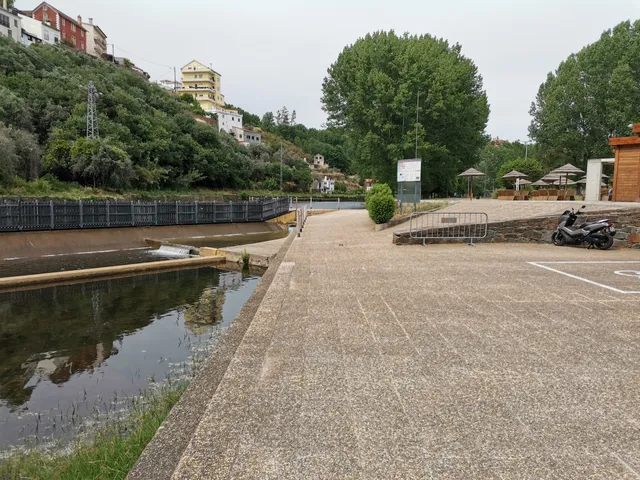
Praia Fluvial da Ribeira Grande

Praia Fluvial da Ribeira Grande

4.4

(407)

Open until 12:00 AM
Click for details
Jardim da Alameda da Carvalha.

Jardim da Alameda da Carvalha.

4.5

(18)

Open 24 hours
Click for details

Nearby restaurants of Castelo da Sertã

Lagar - Restaurant

M Pizza

Restaurante Santo Amaro

Ponte Velha

Fonte da Boneca - Snack Bar Restaurante

Churrasqueira Zé dos Frangos

Sabores do Pinhal
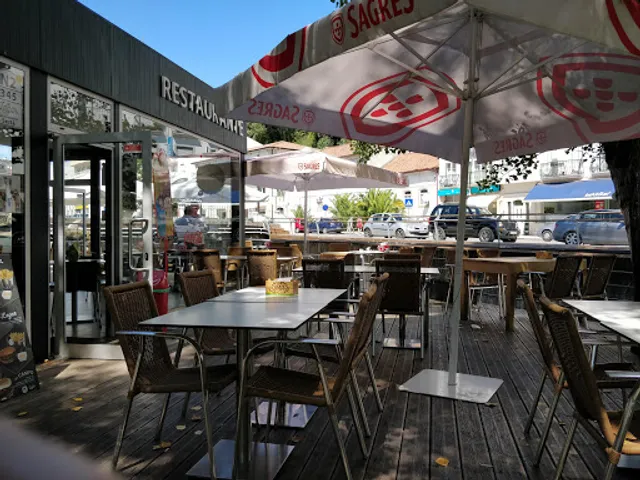
R&R Pizza

Ponte Romana

Estrela Doce

Lagar - Restaurant

Lagar - Restaurant

4.1

(762)

Click for details
M Pizza

M Pizza

4.4

(402)

Click for details
Restaurante Santo Amaro

Restaurante Santo Amaro

4.4

(618)

$$

Click for details
Ponte Velha

Ponte Velha

4.5

(1.1K)

$$

Closed
Click for details
Get the Appoverlay
Get the AppOne tap to find yournext favorite spots!
Wanderboat LogoWanderboat

Your everyday Al companion for getaway ideas

CompanyAbout Us
InformationAI Trip PlannerSitemap
SocialXInstagramTiktokLinkedin
LegalTerms of ServicePrivacy Policy

Get the app

© 2025 Wanderboat. All rights reserved.
logo

Posts

Oleh ShpytkoOleh Shpytko
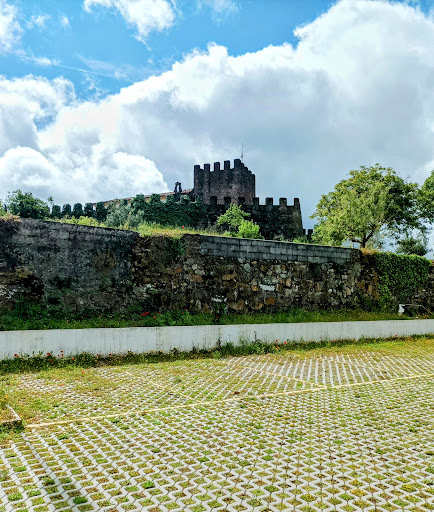
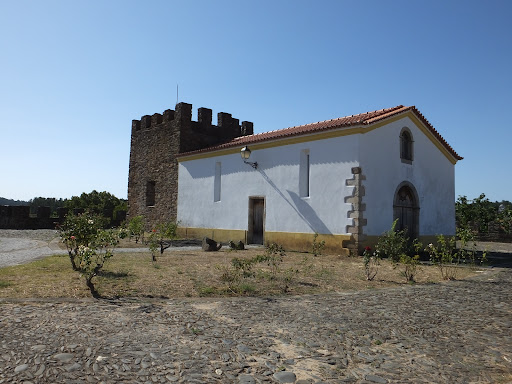
Castelo da Sertã Type: castle Time spent: 20 min Price: free Parking: extremely small Bike parking: can be left inside Located within: church, tower WC: not available Path for disabled: not available The city's history tells a legend about a Roman soldier (Sertório) who fought on the Lusitanians side. He introduced Roman traditions among local tribes and set an updated political order. He was a talented warrior who opposed the Empire because of the internal political situation. At the same time there is no archeological proof about the legendary battle between Romans and Lusitanians, so the usage of a large frying pan (sertã) against Roman soldiers is just a historical joke, and the city's name has other origins. The city probably was built during the islamic period of the medieval times. The current castle was built around 11-12 centuries. In the 18th century it was almost ruined. In the 20th century the castle was rebuilt, and the chapel was built within its walls. The second repair works were done in the 21st century.
Rui AssisRui Assis
Deviam dar mais importância a este monumento. "A tradição diz que o castelo de cinco quinas (algo raro no país) foi edificado pelo capitão romano Sertório, no ano de 74 a.C., e que faria parte de uma rede de fortificações em volta da Serra da Estrela. Foi dentro das suas paredes que se desenrolou o episódio relatado pela famosa lenda da Celinda, em que esta intrépida mulher expulsou os romanos, atirando sobre eles uma frigideira (sertage) com azeite a ferver. No entanto, escavações arqueológicas recentes concluíram que a sua ocupação inicial poderá remontar apenas ao período islâmico (séculos X e XI). Tendo sofrido diversas vicissitudes ao longo do tempo, no século XVIII, estava praticamente arruinado, uma situação que se manteve nas décadas seguintes. Aliás, foram vários os pedidos apresentados pelos habitantes da Sertã nas Cortes, mas sem o desejado sucesso. Em 1936, por meio de subscrição popular, foi reconstruída uma das torres do castelo, bem como a Capela de São João Baptista, que se lhe encontra anexa. Em 1999, a Câmara Municipal levou a efeito um projeto de requalificação de todo este espaço. As escavações arqueológicas, realizadas entre 1996 e 1998, revelaram a existência, dentro do perímetro do castelo, de um celeiro (utilizado pelo Almoxarifado da Sertã para guardar os cereais), uma antiga capela (anterior à atual), uma calçada em uso nos séculos XV/XVI e fragmentos de cerâmica árabes." Fonte: turismo.cm-serta.pt
IULIIA OLIINYKIULIIA OLIINYK
Замечательное место! От замка мало что сохранилось, но зато какая история!!! Замок был построен в 74 году до нашей эры, римским воином Квинтом Серторием, который собрал войско из местных жителей, и воевал против своих же римлян за независимость Лузитании (тогда это была Лузитания). А какая интересная история названия замка! Жена хозяина замка, узнав, что муж погиб при обороне своих владений, поднялась на зубчатые стены крепости с большой квадратной сковородой (сертой) в руке, где жарились яйца в большом количестве масла, и вылила на головы нападающих всё содержимое. Спасти замок своим поступком она не могла, но нападающие замешкались, отступили, и это дало время подойти подмоге из соседней деревни. С тех пор Замок этот стали называть не иначе,как Sertã, что значит "сковородка". То немногое, что осталось от замка содержится в хорошем состоянии, и мы с удовольствием поднялись на древнюю башню. Зная историю замка, впечатление мы получили незабываемое!
See more posts
See more posts
hotel
Find your stay

Pet-friendly Hotels in Sertã

Find a cozy hotel nearby and make it a full experience.

Castelo da Sertã Type: castle Time spent: 20 min Price: free Parking: extremely small Bike parking: can be left inside Located within: church, tower WC: not available Path for disabled: not available The city's history tells a legend about a Roman soldier (Sertório) who fought on the Lusitanians side. He introduced Roman traditions among local tribes and set an updated political order. He was a talented warrior who opposed the Empire because of the internal political situation. At the same time there is no archeological proof about the legendary battle between Romans and Lusitanians, so the usage of a large frying pan (sertã) against Roman soldiers is just a historical joke, and the city's name has other origins. The city probably was built during the islamic period of the medieval times. The current castle was built around 11-12 centuries. In the 18th century it was almost ruined. In the 20th century the castle was rebuilt, and the chapel was built within its walls. The second repair works were done in the 21st century.
Oleh Shpytko

Oleh Shpytko

hotel
Find your stay

Affordable Hotels in Sertã

Find a cozy hotel nearby and make it a full experience.

Get the Appoverlay
Get the AppOne tap to find yournext favorite spots!
Deviam dar mais importância a este monumento. "A tradição diz que o castelo de cinco quinas (algo raro no país) foi edificado pelo capitão romano Sertório, no ano de 74 a.C., e que faria parte de uma rede de fortificações em volta da Serra da Estrela. Foi dentro das suas paredes que se desenrolou o episódio relatado pela famosa lenda da Celinda, em que esta intrépida mulher expulsou os romanos, atirando sobre eles uma frigideira (sertage) com azeite a ferver. No entanto, escavações arqueológicas recentes concluíram que a sua ocupação inicial poderá remontar apenas ao período islâmico (séculos X e XI). Tendo sofrido diversas vicissitudes ao longo do tempo, no século XVIII, estava praticamente arruinado, uma situação que se manteve nas décadas seguintes. Aliás, foram vários os pedidos apresentados pelos habitantes da Sertã nas Cortes, mas sem o desejado sucesso. Em 1936, por meio de subscrição popular, foi reconstruída uma das torres do castelo, bem como a Capela de São João Baptista, que se lhe encontra anexa. Em 1999, a Câmara Municipal levou a efeito um projeto de requalificação de todo este espaço. As escavações arqueológicas, realizadas entre 1996 e 1998, revelaram a existência, dentro do perímetro do castelo, de um celeiro (utilizado pelo Almoxarifado da Sertã para guardar os cereais), uma antiga capela (anterior à atual), uma calçada em uso nos séculos XV/XVI e fragmentos de cerâmica árabes." Fonte: turismo.cm-serta.pt
Rui Assis

Rui Assis

hotel
Find your stay

The Coolest Hotels You Haven't Heard Of (Yet)

Find a cozy hotel nearby and make it a full experience.

hotel
Find your stay

Trending Stays Worth the Hype in Sertã

Find a cozy hotel nearby and make it a full experience.

Замечательное место! От замка мало что сохранилось, но зато какая история!!! Замок был построен в 74 году до нашей эры, римским воином Квинтом Серторием, который собрал войско из местных жителей, и воевал против своих же римлян за независимость Лузитании (тогда это была Лузитания). А какая интересная история названия замка! Жена хозяина замка, узнав, что муж погиб при обороне своих владений, поднялась на зубчатые стены крепости с большой квадратной сковородой (сертой) в руке, где жарились яйца в большом количестве масла, и вылила на головы нападающих всё содержимое. Спасти замок своим поступком она не могла, но нападающие замешкались, отступили, и это дало время подойти подмоге из соседней деревни. С тех пор Замок этот стали называть не иначе,как Sertã, что значит "сковородка". То немногое, что осталось от замка содержится в хорошем состоянии, и мы с удовольствием поднялись на древнюю башню. Зная историю замка, впечатление мы получили незабываемое!
IULIIA OLIINYK

IULIIA OLIINYK

See more posts
See more posts

Reviews of Castelo da Sertã

4.2
(446)
avatar
4.0
29w

Castelo da Sertã

Type: castle Time spent: 20 min Price: free Parking: extremely small Bike parking: can be left inside Located within: church, tower WC: not available Path for disabled: not available

The city's history tells a legend about a Roman soldier (Sertório) who fought on the Lusitanians side. He introduced Roman traditions among local tribes and set an updated political order. He was a talented warrior who opposed the Empire because of the internal political situation.

At the same time there is no archeological proof about the legendary battle between Romans and Lusitanians, so the usage of a large frying pan (sertã) against Roman soldiers is just a historical joke, and the city's name has other origins. The city probably was built during the islamic period of the medieval times.

The current castle was built around 11-12 centuries. In the 18th century it was almost ruined. In the 20th century the castle was rebuilt, and the chapel was built within its walls. The second repair works were done in the...

   Read more
avatar
5.0
3y

Deviam dar mais importância a este monumento.

"A tradição diz que o castelo de cinco quinas (algo raro no país) foi edificado pelo capitão romano Sertório, no ano de 74 a.C., e que faria parte de uma rede de fortificações em volta da Serra da Estrela. Foi dentro das suas paredes que se desenrolou o episódio relatado pela famosa lenda da Celinda, em que esta intrépida mulher expulsou os romanos, atirando sobre eles uma frigideira (sertage) com azeite a ferver. No entanto, escavações arqueológicas recentes concluíram que a sua ocupação inicial poderá remontar apenas ao período islâmico (séculos X e XI).

Tendo sofrido diversas vicissitudes ao longo do tempo, no século XVIII, estava praticamente arruinado, uma situação que se manteve nas décadas seguintes. Aliás, foram vários os pedidos apresentados pelos habitantes da Sertã nas Cortes, mas sem o desejado sucesso.

Em 1936, por meio de subscrição popular, foi reconstruída uma das torres do castelo, bem como a Capela de São João Baptista, que se lhe encontra anexa. Em 1999, a Câmara Municipal levou a efeito um projeto de requalificação de todo este espaço.

As escavações arqueológicas, realizadas entre 1996 e 1998, revelaram a existência, dentro do perímetro do castelo, de um celeiro (utilizado pelo Almoxarifado da Sertã para guardar os cereais), uma antiga capela (anterior à atual), uma calçada em uso nos séculos XV/XVI e fragmentos de cerâmica árabes." Fonte:...

   Read more
avatar
5.0
2y

Замечательное место! От замка мало что сохранилось, но зато какая история!!! Замок был построен в 74 году до нашей эры, римским воином Квинтом Серторием, который собрал войско из местных жителей, и воевал против своих же римлян за независимость Лузитании (тогда это была Лузитания). А какая интересная история названия замка! Жена хозяина замка, узнав, что муж погиб при обороне своих владений, поднялась на зубчатые стены крепости с большой квадратной сковородой (сертой) в руке, где жарились яйца в большом количестве масла, и вылила на головы нападающих всё содержимое. Спасти замок своим поступком она не могла, но нападающие замешкались, отступили, и это дало время подойти подмоге из соседней деревни. С тех пор Замок этот стали называть не иначе,как Sertã, что значит "сковородка". То немногое, что осталось от замка содержится в хорошем состоянии, и мы с удовольствием поднялись на древнюю башню. Зная историю замка, впечатление мы получили...

   Read more
Page 1 of 7
Previous
Next