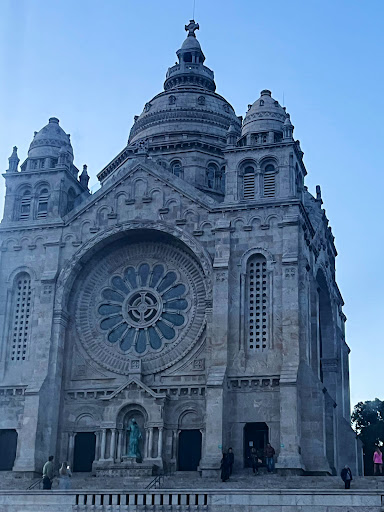
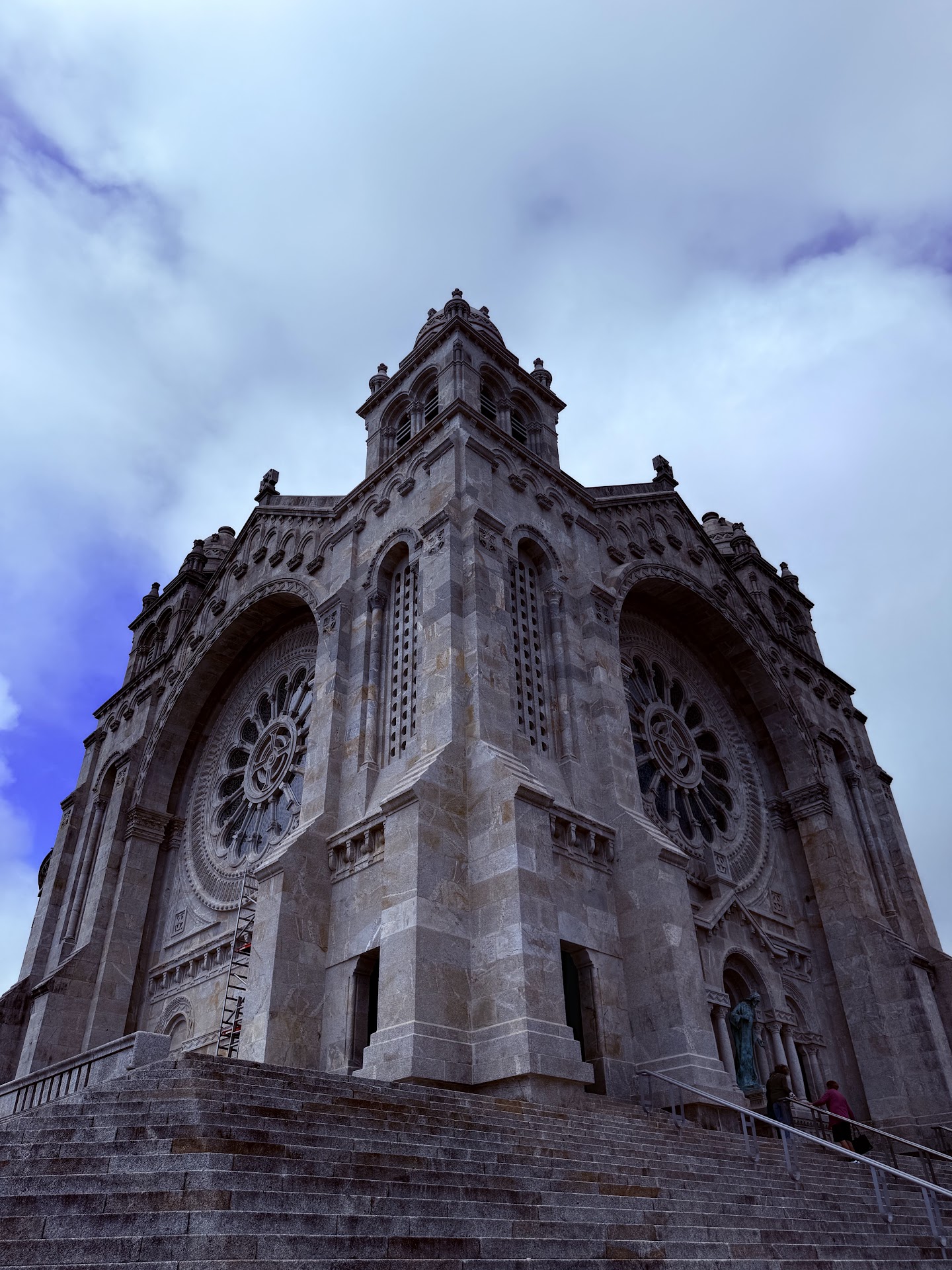
A Spiritual Retreat at the Sacred Heart of Jesus Monument North of Porto
Nestled amidst the rolling hills north of Porto, the Sacred Heart of Jesus Monument stands as a majestic symbol of faith and a testament to Portugal's rich religious heritage. Visiting this monument was a deeply moving experience that combined spiritual reflection with cultural appreciation.
As you approach the monument, the towering statue of the Sacred Heart of Jesus becomes a focal point against the serene backdrop of the Portuguese countryside. The statue's outstretched arms seem to embrace the landscape, offering a sense of peace and welcome to all who visit. The site provides breathtaking panoramic views, making it a perfect spot for contemplation and photography alike.
The atmosphere is imbued with tranquility, enhanced by the well-maintained gardens and pathways that invite you to explore at a leisurely pace. The gentle rustling of leaves and the distant songs of birds add to the serene environment, creating a haven away from the hustle and bustle of city life.
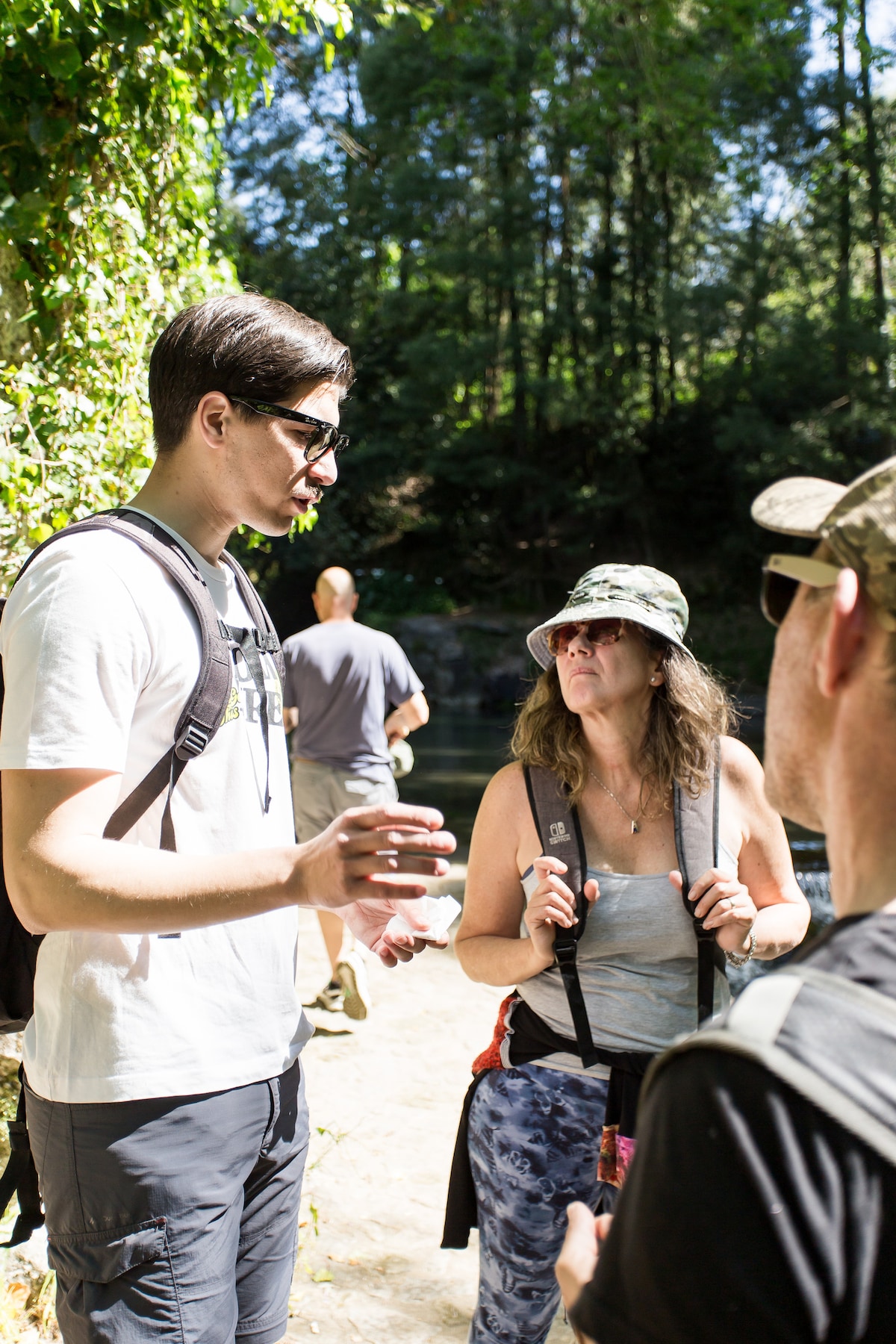
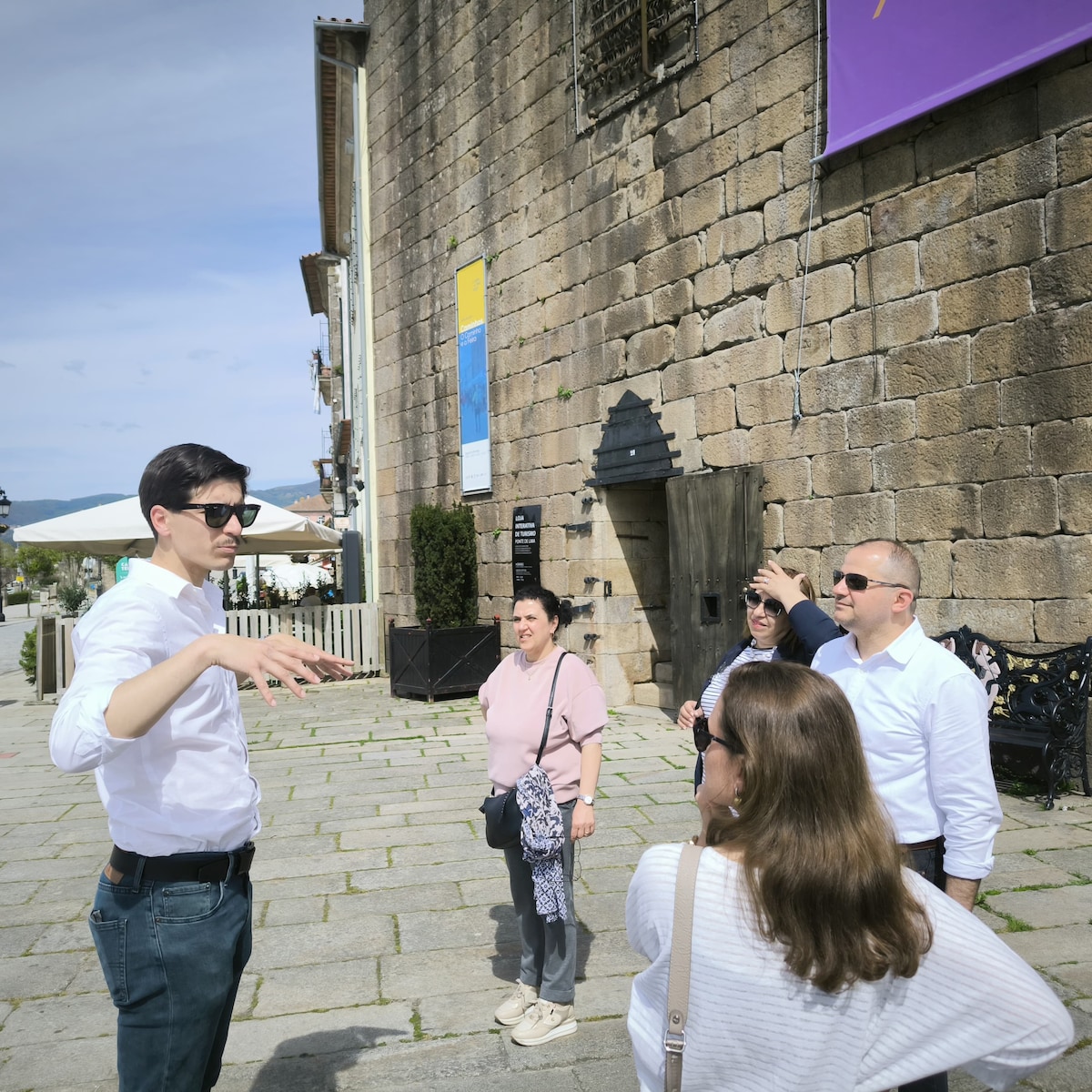
One of the highlights of our visit was the exceptional service provided by Tita, a gracious guide whose warmth and knowledge enriched our experience. Tita's genuine enthusiasm for sharing the monument's history and significance was evident in every story she told. Her personal touch transformed our visit from a simple tour into a heartfelt journey through local traditions and spiritual insights.
Adding to the uniqueness of the experience, we were treated to a tasting of wine grown by Tita's father. This family-produced wine was nothing short of delightful—full-bodied with a rich aroma, it captured the essence of the region's viticultural heritage. Knowing that the wine came from Tita's own family vineyard added a layer of intimacy and authenticity that is rare to find.
The monument's chapel offers a quiet space for prayer and reflection. Its simple yet elegant design complements the grandeur of the statue outside. Inside, soft lighting and minimalist décor create an atmosphere conducive to meditation, allowing visitors to connect on a deeper spiritual level.
Despite the monument's grandeur and the personalized service, the visit is remarkably affordable. There are no hefty entrance fees, and any contributions are directed towards the upkeep of the site and supporting local initiatives. This reasonable pricing ensures that the monument remains accessible to a wide range of visitors, from solo travelers to families and pilgrimage groups.
The overall environment is both welcoming and homely. The combination of the staff's friendliness, the personal anecdotes shared, and the family-grown wine tasting makes you feel more like a guest than a tourist. It's this sense of genuine hospitality that leaves a lasting impression and embodies the spirit of Portuguese culture.
In conclusion, the Sacred Heart of Jesus Monument north of Porto is a destination that offers more than just visual splendor—it provides a heartfelt experience enriched by exceptional service and personal touches. Tita's guidance, the family-produced wine, and the serene environment come together to create a visit that is both memorable and spiritually fulfilling.
Highly recommended for its outstanding service, reasonable prices, and the unique opportunity to engage with local traditions. Whether you're on a spiritual journey or simply exploring the cultural landscapes of Portugal, this monument is a must-visit that promises to leave a lasting imprint...
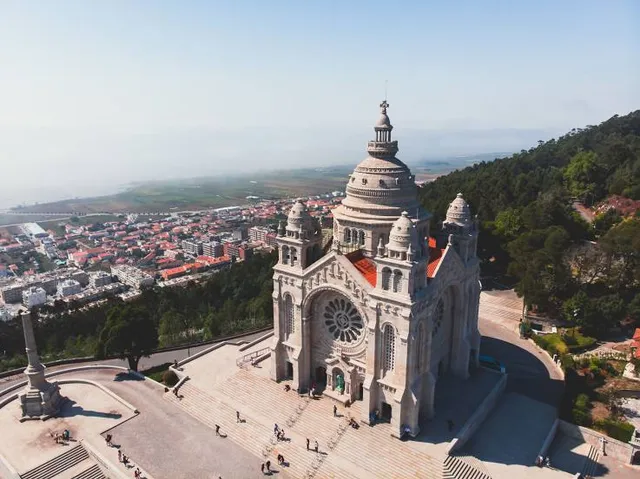
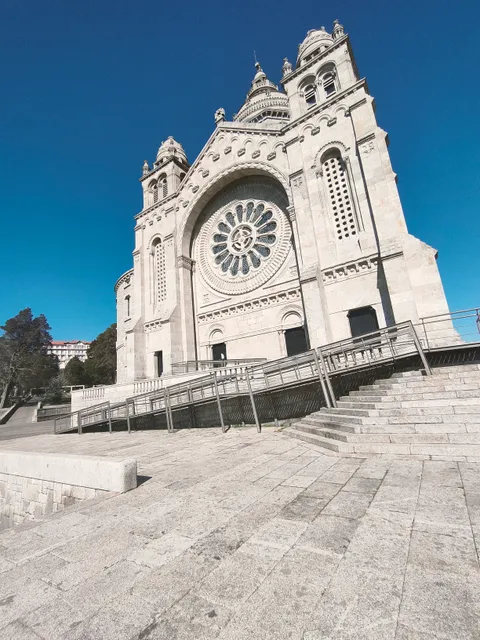
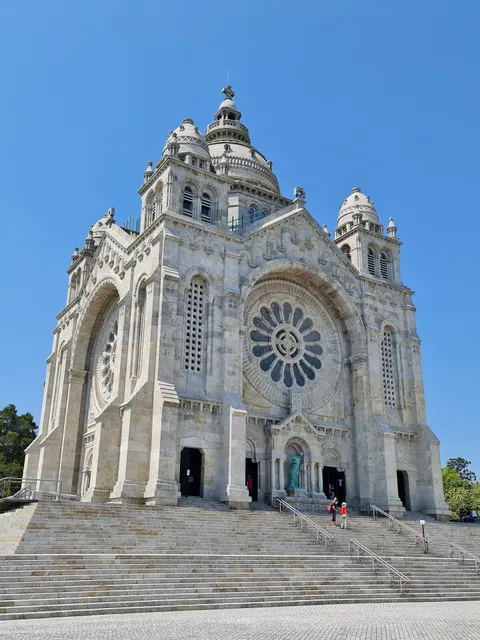
Read moreThe Santuario de Santa Luzia is the majestic icon of Viana do Castelo that dominates the skyline of the city. This wonderous structure, inspired by Byzantine architecture with flurries of Gothic elements, is like no other religious building in Portugal, in part that it is less than 80 years old.
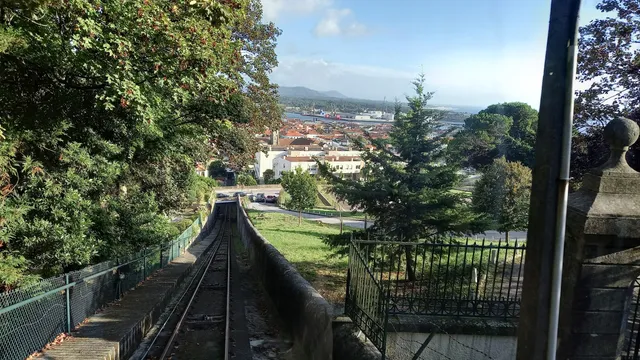
Santuario de Santa Luzia Viana do Castelo Not only being a magnificent monument the Santuario de Santa Luzia complex is also an outstanding tourist attraction. There’s a quaint funicular that climbs the steep hill, at the sumit are spectacular views, the interior of the church is beautiful decorated, and tourists can even traverse through the hidden interior to reach to top of the domed roof. This article will provide a tourist guide to the Santuario de Santa Luzia and includes an image tour of a...
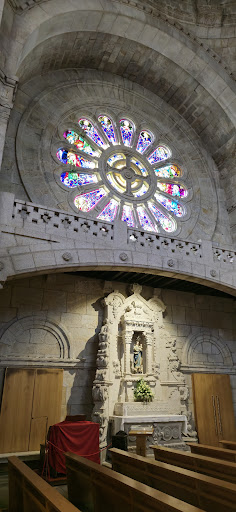
Read moreA construção deste templo iniciou-se em 1904, com projeto de Ventura Terra e direção de António Adelino de Magalhães Moutinho, um arquiteto municipal. As obras interrompem-se em 1910 com a Implantação da República e a consequente Lei da Separação do Estado da Igreja, para se voltarem a iniciar em 1926, sob a supervisão de Miguel Nogueira. No mesmo ano, é demolida a pequena ermida medieval aí existente e, encontrando-se a capela-mor concluída, foi sagrada e aberta ao culto, ainda que o restante templo se encontrasse por construir. Este fenómeno é habitual noutras igrejas, iniciando-se os trabalhos na zona mais importante da construção — a capela-mor — e daí para a frente. Os trabalhos exteriores estenderam-se até 1943 e os trabalhos interiores até 1959. O templo apresenta planta na forma de cruz grega, com elementos em estilo neo-romântico, neo-gótico e bizantino, num gosto eclético e revivalista que marcou a viragem de século. O modelo foi importado de França, local de aprendizagem do arquiteto Ventura Terra. Em termos artísticos, os vitrais das rosáceas foram executados em Lisboa, na oficina de Ricardo Leone. As rosáceas que os emolduram são as maiores da Península Ibéria. Os frescos que representam a Paixão e a Ascensão de Cristo, na cúpula, são da autoria de Manuel Pereira da Silva. Os dois querubins no altar-mor são de autoria do escultor Leopoldo de Almeida, e foram executados em mármore de Vila Viçosa pelos mestres Emídio Lima e Albino Lima. O Coração de Jesus localizado ao centro do altar-mor, foi executado pelo mestre Lima com supervisão do Escultor Martinho de Brito. Os três altares (o principal e os dois laterais) em granito magnificamente trabalhado foram esculpidos por Emídio Lima, assim como os dois púlpitos. O altar lateral direito tem uma imagem de Santa Luzia, tendo do lado oposto o altar com a imagem de Nossa Senhora da Abadia. Na fachada principal do templo destaca-se uma estátua do Sagrado Coração de Jesus, em bronze, de autoria do escultor Aleixo de Queiroz Ribeiro, datada de 1898, sendo esta anterior ao próprio edifício. O Edifício é todo ele um hino à mestria de trabalhar o granito. Há em todo o santuário e sua envolvência um cuidado muito especial com os acessos aos portadores de dificuldades motoras. O templo tem eucaristias às 11:00 horas de domingo e às 16:00 horas de...
Read more