Timisoara is located in southeastern Pannonian Plain (Plain of South West respectively) in the area of the rivers Timis and Bega digression. Timisoara, in translation: "city of the Timiş" is the capital and largest city of Timis county historical region Banat, western Romania. Village name comes from the Timis River (passing to the south of the city), called by the Romans in ancient times or Tibiscus Tibisis. The first document of the city of Timisoara is quite controversial, which is placed by experts in 1212 or 1266. In 1175 is Timis county said, but sources do not mention is its economic and administrative center. When it was part of its certification Timis county, an administrative territorial unit of the Hungarian kingdom. Banat territory later known as the administrative center "Urbis Morisena (then Cenad), was conquered by the Hungarians in around 1030 and incorporated into the Hungarian kingdom.
Being located in a strategic point where it could be controlled much of the Banat plain, both Timisoara and Timis committing function have become increasingly important. Timisoara has received a great impetus during the reign of King Charles I of Anjou, who after his visit in 1307 ordered the construction of a royal palace here. During feudal anarchy, the Hungarian capital will move from Timisoara. Hunyadi's appointment to the position of committing Timiş, in 1440 marked a special chapter in the history of Timisoara. Hunyadi was known throughout the region to reputed victory over the Turks at Belgrade, considered at that time defender of Christianity. He turned the town into a permanent military camp in his home after he moved here with his family. Thus, the city will be kept to 1490 Corvin.
On December 20, 1989, Timisoara was the first city in Romania declared free of communism. Timisoara is a multicultural city, influenced by various ethnic communities, especially the German, Hungarian and Serbian, but also Bulgarian, Italian and Greek. Cultural heritage and cultural diversity are strengths of the city. With over 12 professional cultural institutions, Timisoara is, after Bucharest and Iasi, the third largest country in cultural terms of size and diversity of cultural offer. [10] has a long tradition of theater in Timisoara, where the three theaters state (the first in Europe): National Theatre / Hungarian German Theatre and Theatre offers performances in Romanian, German and Hungarian. The three institutions share the same building as a symbol of the Romanian Opera.
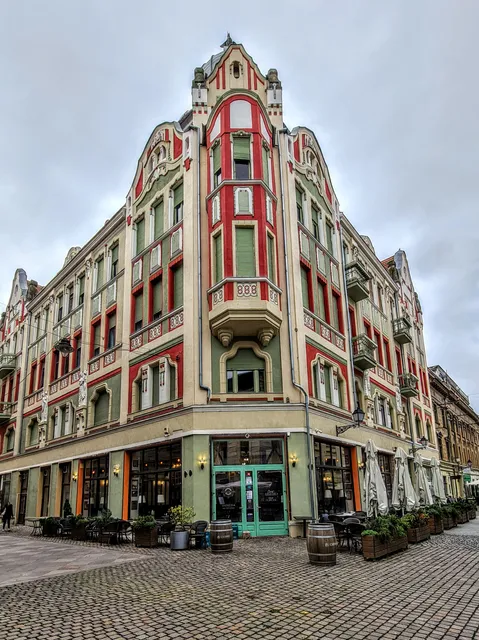
In terms of tourism Timisoara has the largest set of historic buildings in Romania, consisting of combinations of urban neighborhoods Citadel Iosefin and Fabric. Varied architecture, and many Viennese Baroque influences brought Timisoara parks, as noted above, the reputation of "Little Vienna" and...
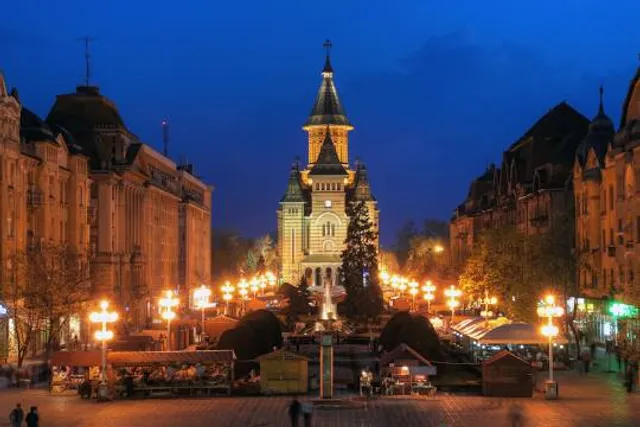
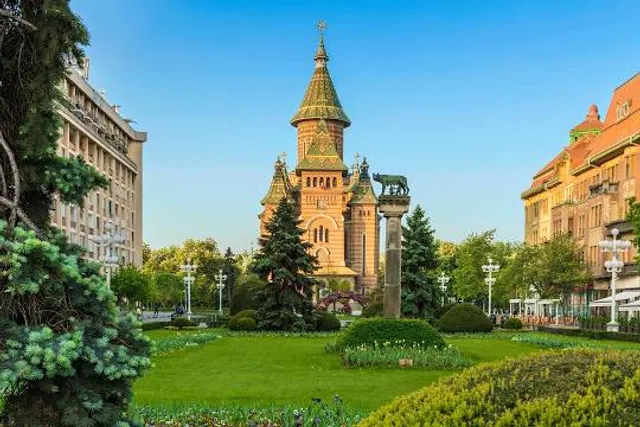
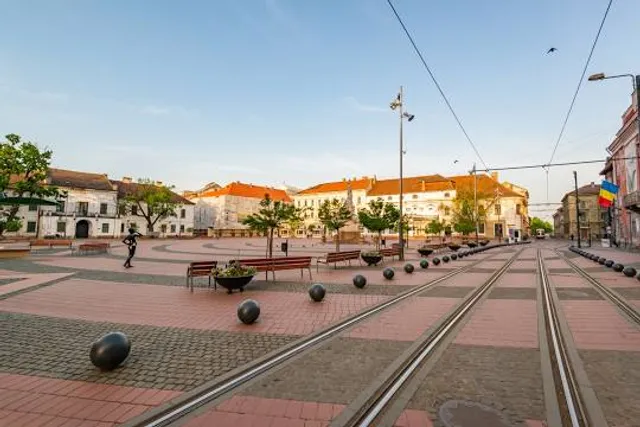
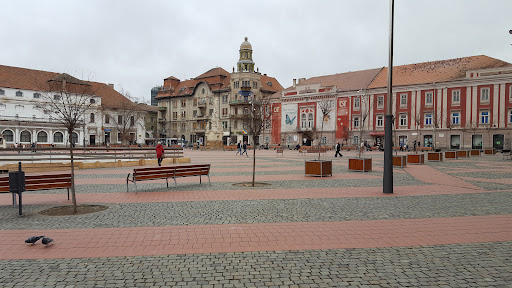
Read moreVictory Square was designed at the beginning of the 20th century when the walls of the old fortress were being demolished, and the center of Timișoara was redesigned to allow the development of the city.
In 1870, in the hope that a decision of defortification would be obtained, a small circular square had been designed approximately on the land of today's square. Only after Franz Joseph I's decision to cancel Timișoara's status of fortress on 23 April 1892, architect Ludwig von Ybl drawn up a "general city development plan", which provided for the establishment of a wide boulevard, having approximately the size of the current square. Subsequent projects did not essentially change the size of the square, but only the details. Until 1948, it was called King Ferdinand Boulevard, after which it was renamed 30 December Boulevard. The demolition of the fortifications began in 1899. On 29 August 1910, permission was issued to build the first building flanking the current square, Lloyd Palace. The other buildings on the western side of the square were built at a rapid pace until 1913. Before World War I, only the imposing Löffler Palace was built on the eastern side.
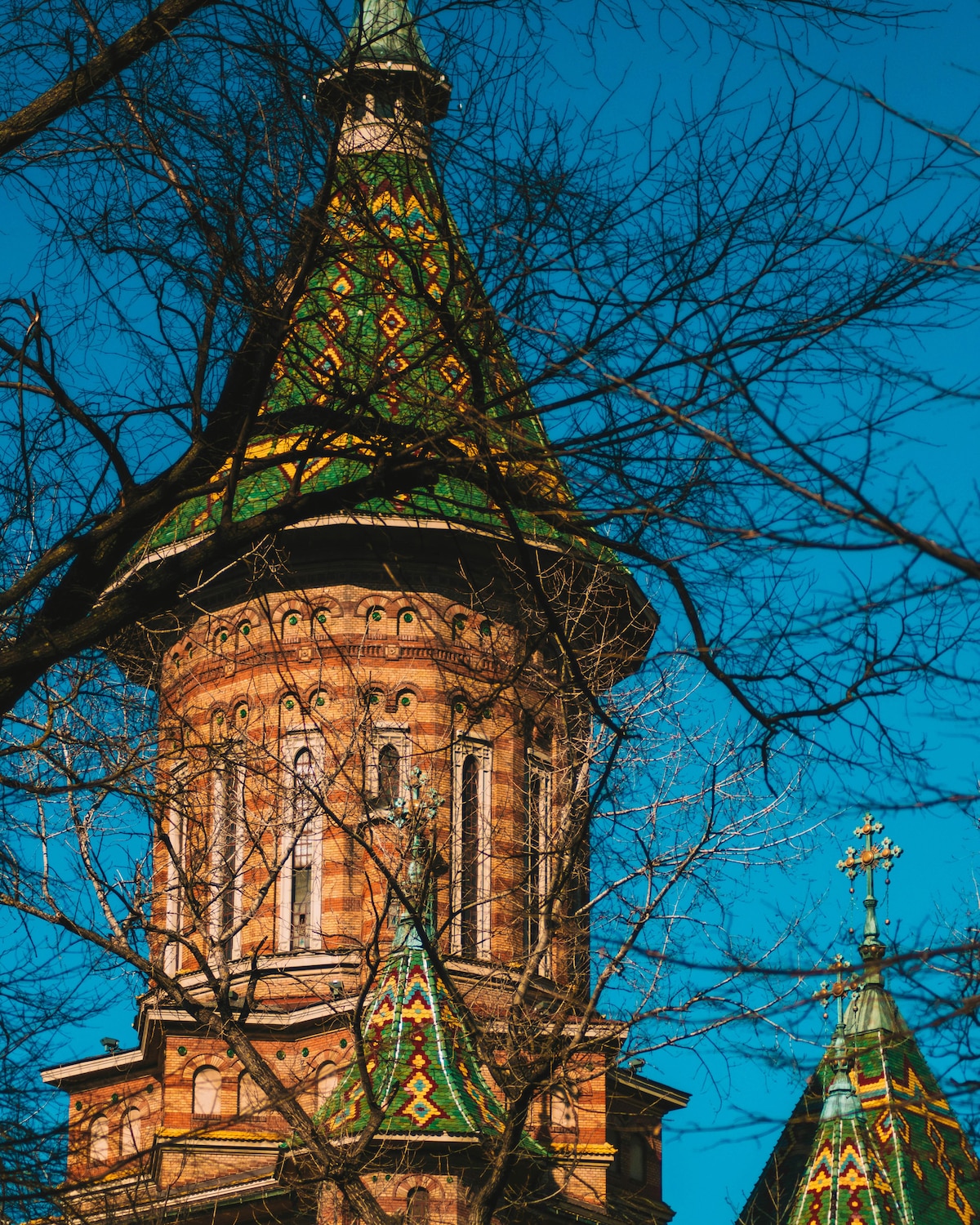
The boulevard aspect diminished in favor of the square aspect when the southern side was closed by the construction of the Cathedral.Road and tram traffic continued through the square after this time. Only in 1988–1989, with the removal of tram rails, the square became completely pedestrianized.The former ring road, which surrounded the Cetate district and which passed in front of the Opera,...
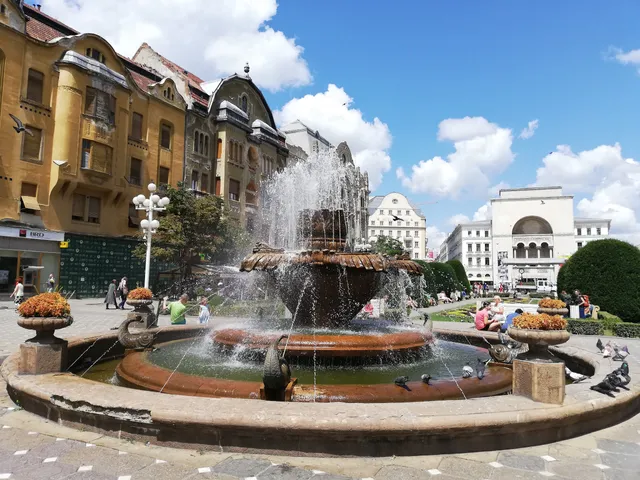
Read moreBeautiful old East European Romanian city of Timisoara once the capital. Unspoilt Mix of Italian Renaissance and Viennese Merchant city Baroque Architecture design. Great cultural centre for Music and Art, terriffic night life with plenty of quality Restaurants, a mix of Italian,various European, Traditional Romanian serving excellent food with great service, good variety of many bars and nightclubs, peak summer period is best with outdoor terraced seating in Beautiful City centre Peoples Squares, many free open air concerts ranging from pop to classical with visits from a variety of big names always something going on. Tradtional city Theatre and Philarmonic Orchestra venues, variety of beautiful Cathedrals from Greek Orthodox to Roman Catholic open to public. This is a great secret gem of a place, friendly safe city, showing the real Romanian people at their best, beautiful, friendly, hard working, go there and experience a beautiful place largely undiscovered by commercial tour operators but served well by cheap flight operators Wizz and Ryann Air. Great mix of accommodation from Quality modern and Traditional Hotels to apartments and Pensuines (self catering). I have been many times over many years and never tire of the charm of this city and its people. Beautiful, Foarte...
Read more