Kunstkamera things to do, attractions, restaurants, events info and trip planning
Basic Info
Kunstkamera
University Embankment, 3, St Petersburg, Russia, 199034
4.4(9K)
Open until 12:00 AM

tickets
Save
spot
spot
Ratings & Description
Info
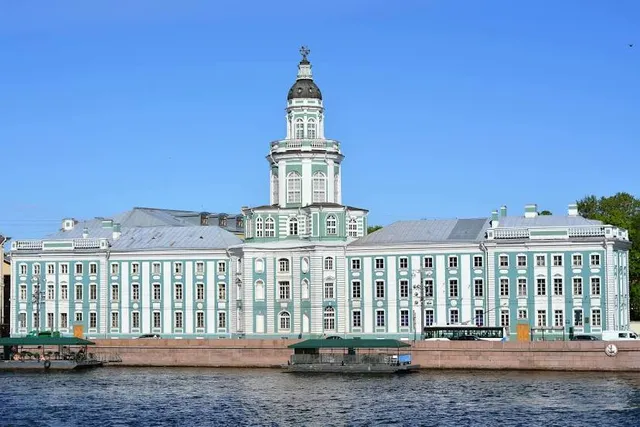
The Kunstkamera or Kunstkammer is a public museum located on the Universitetskaya Embankment in Saint Petersburg, facing the Winter Palace. Its collection was first opened to the public at the Summer Palace by Peter the Great in 1714, making it Russia's first museum.
Cultural
Family friendly
Accessibility
attractions: Zoological Museum of the Zoological Institute of the Russian Academy of Sciences, Strelka Vasil'yevskogo Ostrova, Биржевой сквер, State Hermitage Museum, Tsentral'nyy Muzey Pochvovedeniya Im. V.v. Dokuchayeva, Zdaniye Dvenadtsati Kollegiy, Palace Square, Bronze Horseman, Tsar'-Plotnik, Zdaniye Birzhi, restaurants: Staraya Tamozhnya, Grad Petrov, Grand Cafe Neva, Casa Del Мясо, trattoria Mario, Mein Herz, Столовая №1, Radio Irlandiya, Letuchiy Gollandets, Petrov-Vodkin Ресторан, local businesses: Palace bridge, Palace bridge, Palace Square, Universitet, Musée de l'Optique, Business center, Raduga, Bookvoed, Gosudarstvennaya Akademicheskaya Kapella, Xander Bar
 Learn more insights from Wanderboat AI.
Phone
+7 812 328-14-12
Website
kunstkamera.ru
Open hoursSee all hours
MonClosedOpen
Plan your stay

Pet-friendly Hotels in округ № 7
Find a cozy hotel nearby and make it a full experience.

Affordable Hotels in округ № 7
Find a cozy hotel nearby and make it a full experience.

The Coolest Hotels You Haven't Heard Of (Yet)
Find a cozy hotel nearby and make it a full experience.

Trending Stays Worth the Hype in округ № 7
Find a cozy hotel nearby and make it a full experience.
Reviews
Live events
Escape the Fate in Sankt-peterburg
Wed, Feb 25 • 6:00 PM
"A2", "A2", Saint Petersburg, SP, Russia
View details
Nearby attractions of Kunstkamera
Zoological Museum of the Zoological Institute of the Russian Academy of Sciences
Strelka Vasil'yevskogo Ostrova
Биржевой сквер
State Hermitage Museum
Tsentral'nyy Muzey Pochvovedeniya Im. V.v. Dokuchayeva
Zdaniye Dvenadtsati Kollegiy
Palace Square
Bronze Horseman
Tsar'-Plotnik
Zdaniye Birzhi
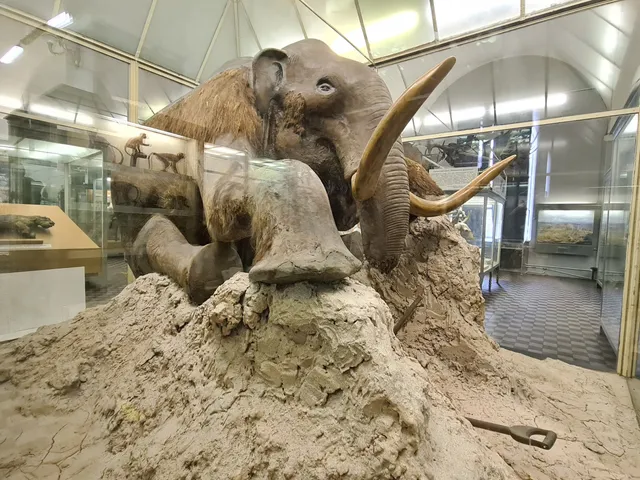
Zoological Museum of the Zoological Institute of the Russian Academy of Sciences
4.6
(3.8K)
Closed
Click for details
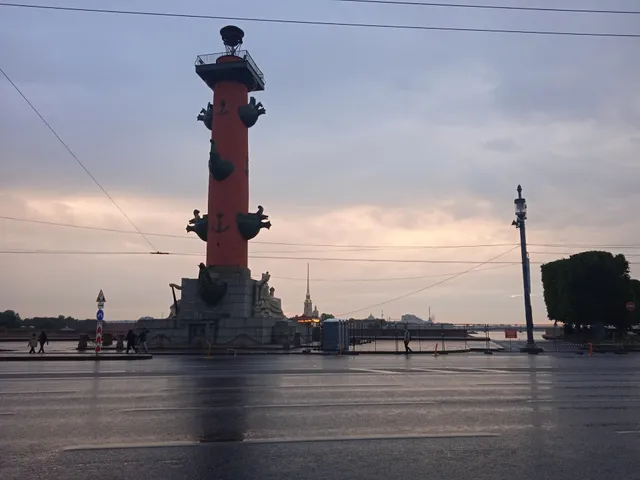
Strelka Vasil'yevskogo Ostrova
4.9
(2.8K)
Open until 12:00 AM
Click for details
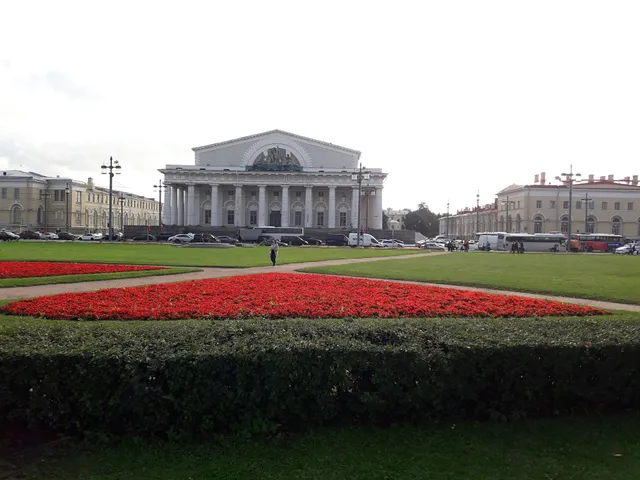
Биржевой сквер
4.8
(1.0K)
Open until 12:00 AM
Click for details
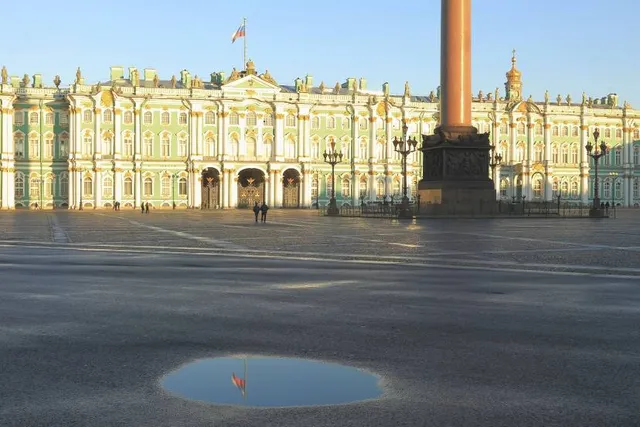
State Hermitage Museum
4.8
(19.7K)
Open until 12:00 AM
Click for details
Nearby restaurants of Kunstkamera
Staraya Tamozhnya
Grad Petrov
Grand Cafe Neva
Casa Del Мясо
trattoria Mario
Mein Herz
Столовая №1
Radio Irlandiya
Letuchiy Gollandets
Petrov-Vodkin Ресторан
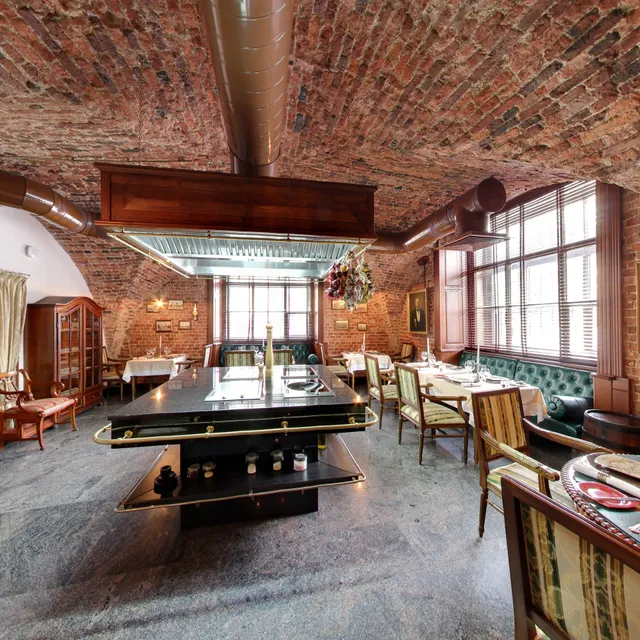
Staraya Tamozhnya
4.7
(110)
$$$$
Closed
Click for details
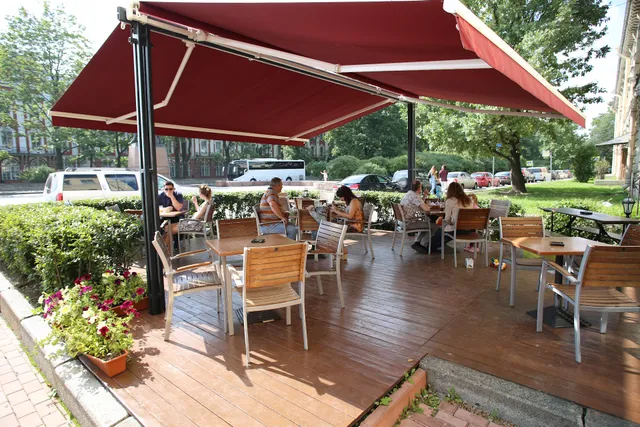
Grad Petrov
4.4
(337)
$$
Closed
Click for details
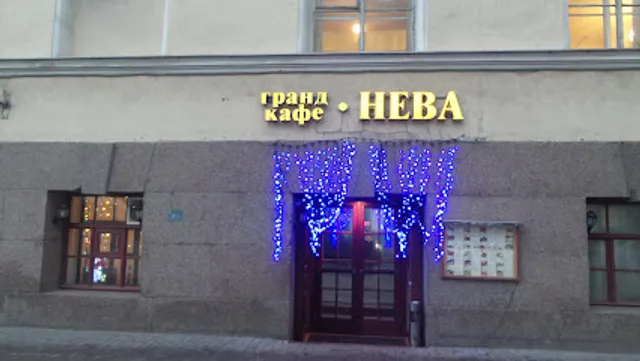
Grand Cafe Neva
3.6
(142)
Closed
Click for details
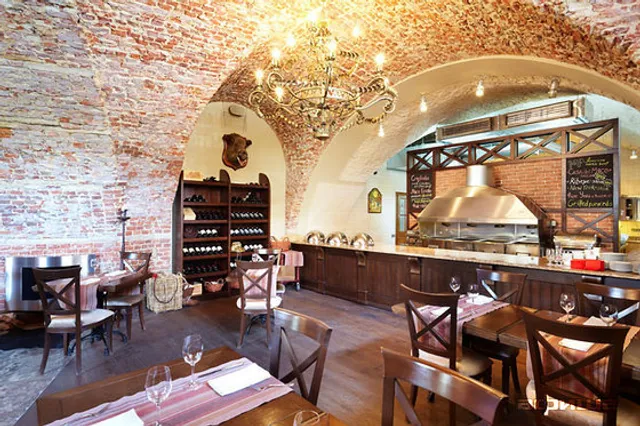
Casa Del Мясо
4.5
(297)
$$$
Closed
Click for details
Nearby local services of Kunstkamera
Palace bridge
Palace bridge
Palace Square
Universitet
Musée de l'Optique
Business center
Raduga
Bookvoed
Gosudarstvennaya Akademicheskaya Kapella
Xander Bar
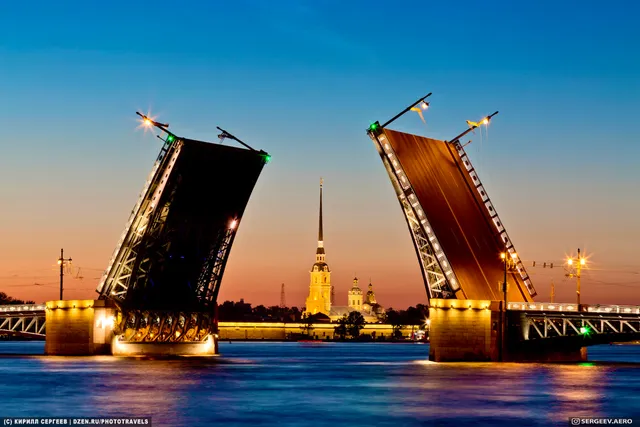
Palace bridge
4.9
(1.3K)
Click for details
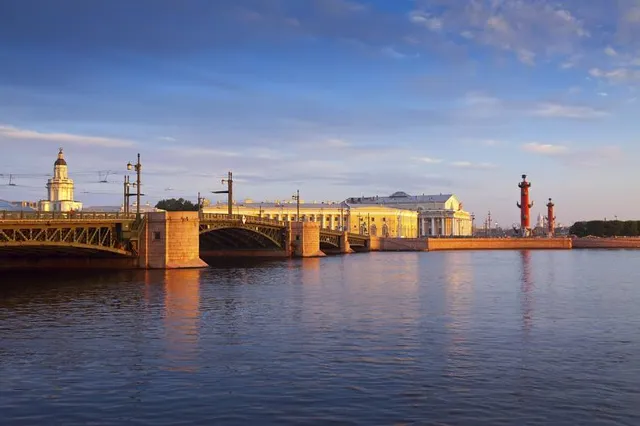
Palace bridge
4.9
(1.3K)
Click for details
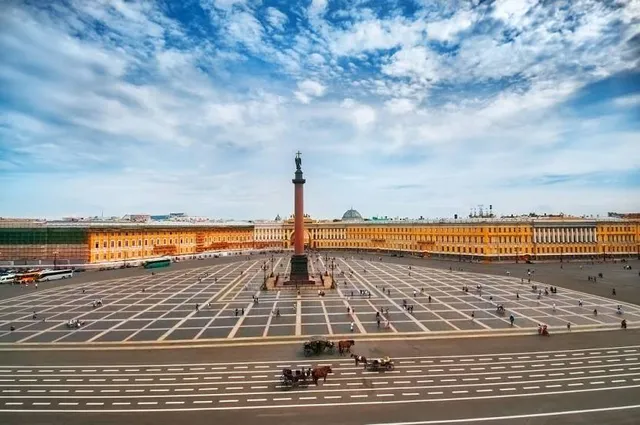
Palace Square
4.9
(30.1K)
Click for details
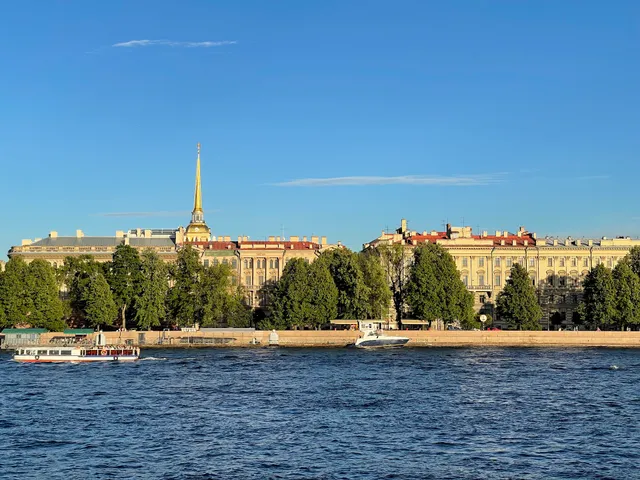
Universitet
4.8
(9)
Click for details