Peter and Paul Cathedral things to do, attractions, restaurants, events info and trip planning
Basic Info
Peter and Paul Cathedral
Peter and Paul Fortress, St Petersburg, Russia, 197046
4.8(5.2K)
Open 24 hours


tickets
Save
spot
spot
Ratings & Description
Info
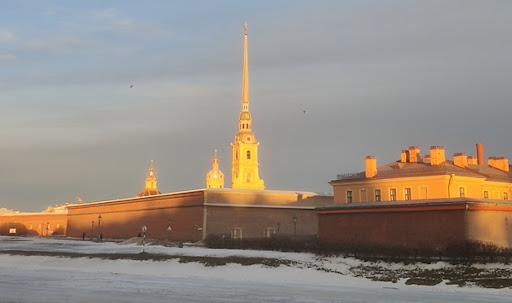
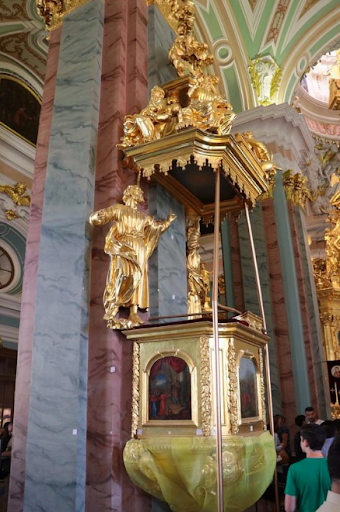
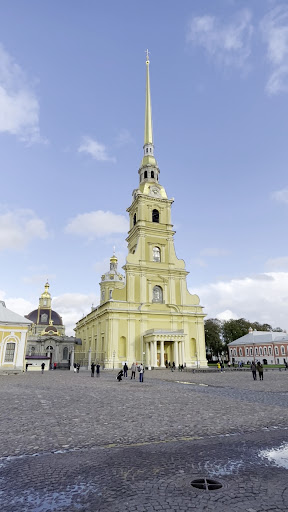
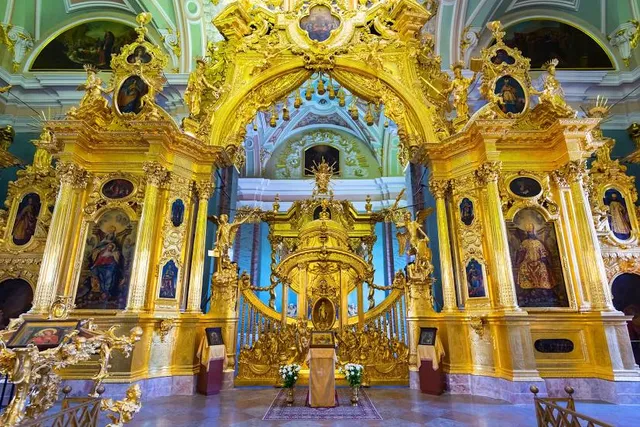
The Peter and Paul Cathedral is a Russian Orthodox cathedral located inside the Peter and Paul Fortress in St. Petersburg, Russia. It is the first and oldest landmark in St. Petersburg, built between 1712 and 1733 on Hare Island along the Neva River.
Cultural
Family friendly
attractions: Peter and Paul Fortress, History of Money Museum, Torture instruments of the Middle Ages, Gosudarstvennyy Muzey Istorii Sankt-Peterburga, Leningradskiy Zoopark, Museum of Cosmonautics and Rocket Technology, Trubetskoy Bastion Prison, Military-Historical Museum of Artillery, Engineer and Signal Corps, Muzey Arkhitekturnoy Khudozhestvennoy Keramiki "Keramarkh", Ioannovskiy Most, restaurants: Koryushka, Kafe "Leninigradskoye", Bol'she Kofe, Dym I Rim, Burger King, Mari Vanna, Letuchiy Gollandets, Probka на Добролюбова, Marchellis, Ресторан | Моно-кухня Пельмения, local businesses: Zayachy Island, Petropavlovskaya Krepost', Saint Petersburg Mint, Gor'kovskaya, Troitskiy bridge, Plyazh Petropavlovskoy Kreposti, Maisonnette de Pierre Ier, Gefest group, Gringo, Lenfilm studio
 Learn more insights from Wanderboat AI.
Phone
+7 812 230-64-31
Website
spbmuseum.ru
Plan your stay

Pet-friendly Hotels in округ Кронверкское
Find a cozy hotel nearby and make it a full experience.

Affordable Hotels in округ Кронверкское
Find a cozy hotel nearby and make it a full experience.

The Coolest Hotels You Haven't Heard Of (Yet)
Find a cozy hotel nearby and make it a full experience.

Trending Stays Worth the Hype in округ Кронверкское
Find a cozy hotel nearby and make it a full experience.
Reviews
Live events

Escape the Fate in Sankt-peterburg
Wed, Feb 25 • 6:00 PM
"A2", "A2", Saint Petersburg, SP, Russia
View details
Nearby attractions of Peter and Paul Cathedral
Peter and Paul Fortress
History of Money Museum
Torture instruments of the Middle Ages
Gosudarstvennyy Muzey Istorii Sankt-Peterburga
Leningradskiy Zoopark
Museum of Cosmonautics and Rocket Technology
Trubetskoy Bastion Prison
Military-Historical Museum of Artillery, Engineer and Signal Corps
Muzey Arkhitekturnoy Khudozhestvennoy Keramiki "Keramarkh"
Ioannovskiy Most
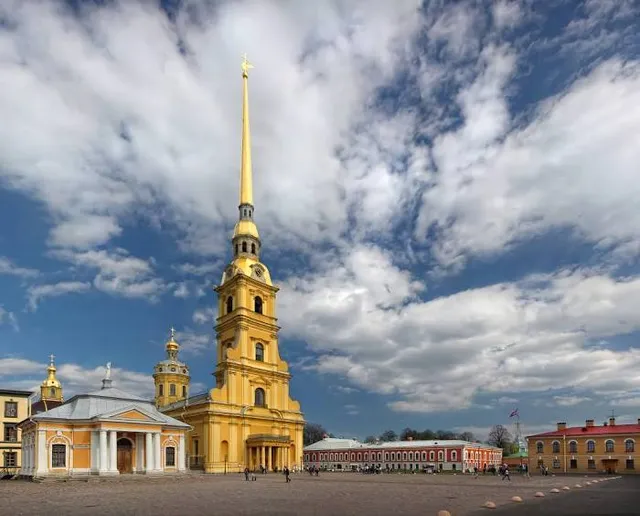
Peter and Paul Fortress
4.8
(15.4K)
Closed
Click for details
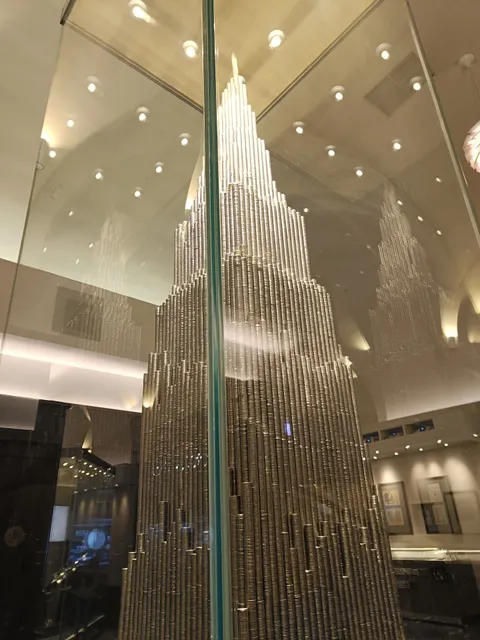
History of Money Museum
4.9
(422)
Open until 8:00 PM
Click for details
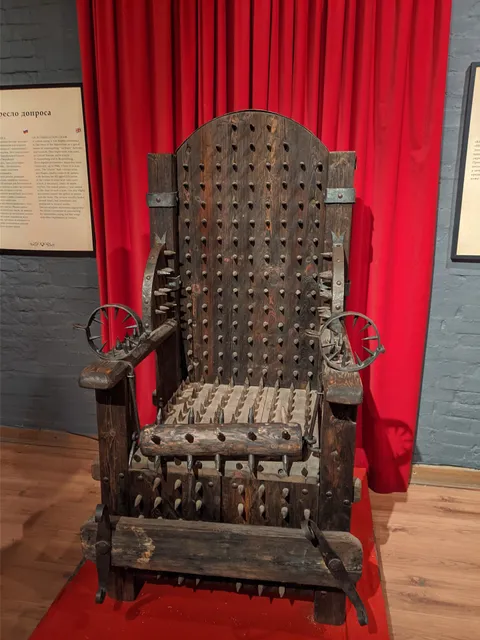
Torture instruments of the Middle Ages
4.6
(540)
Open until 7:00 PM
Click for details
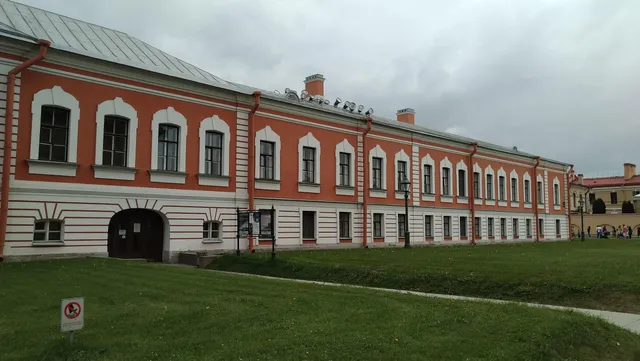
Gosudarstvennyy Muzey Istorii Sankt-Peterburga
4.5
(89)
Open until 7:00 PM
Click for details
Nearby restaurants of Peter and Paul Cathedral
Koryushka
Kafe "Leninigradskoye"
Bol'she Kofe
Dym I Rim
Burger King
Mari Vanna
Letuchiy Gollandets
Probka на Добролюбова
Marchellis
Ресторан | Моно-кухня Пельмения
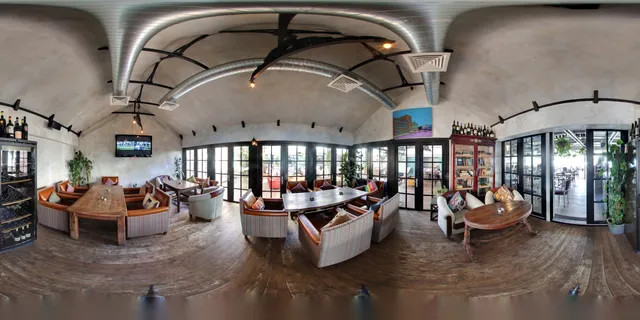
Koryushka
4.6
(1.9K)
$$$
Click for details
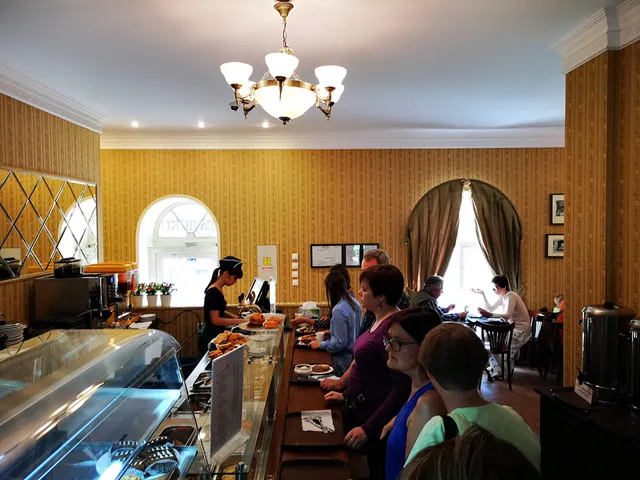
Kafe "Leninigradskoye"
3.6
(245)
$$
Open until 8:00 PM
Click for details
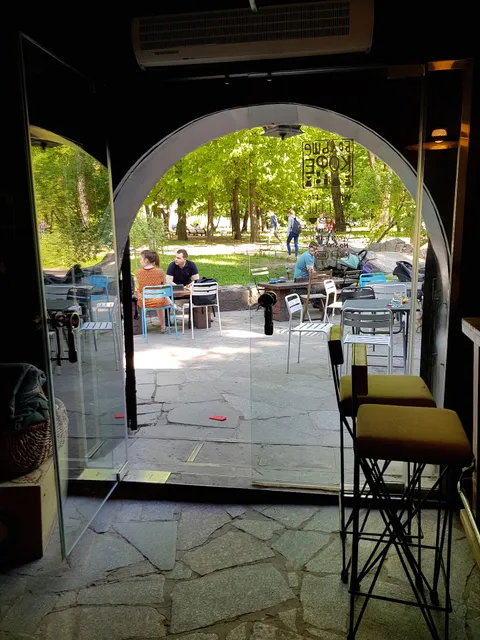
Bol'she Kofe
4.7
(667)
$
Open until 9:00 PM
Click for details
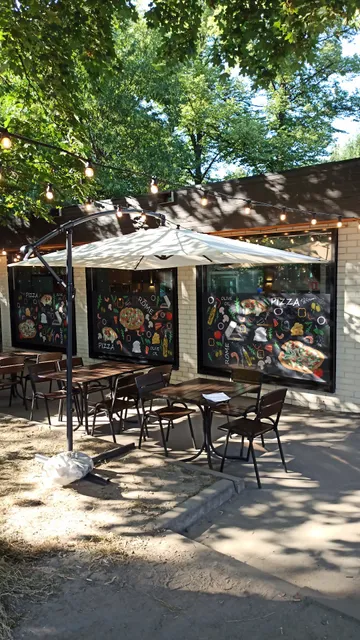
Dym I Rim
4.5
(120)
$$
Open until 10:00 PM
Click for details
Nearby local services of Peter and Paul Cathedral
Zayachy Island
Petropavlovskaya Krepost'
Saint Petersburg Mint
Gor'kovskaya
Troitskiy bridge
Plyazh Petropavlovskoy Kreposti
Maisonnette de Pierre Ier
Gefest group
Gringo
Lenfilm studio
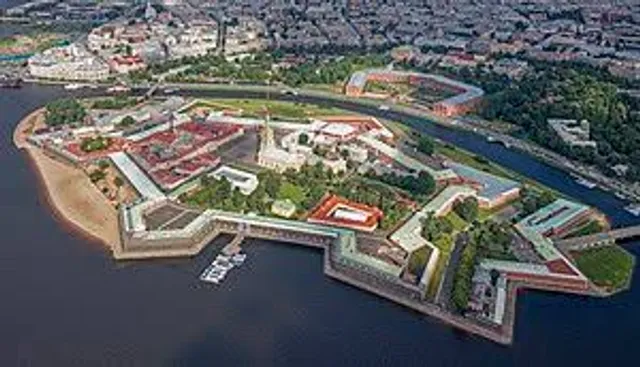
Zayachy Island
4.9
(86)
Click for details
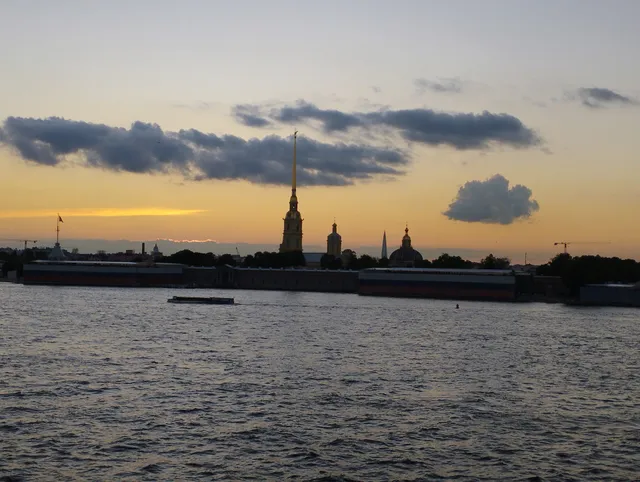
Petropavlovskaya Krepost'
4.7
(33)
Click for details
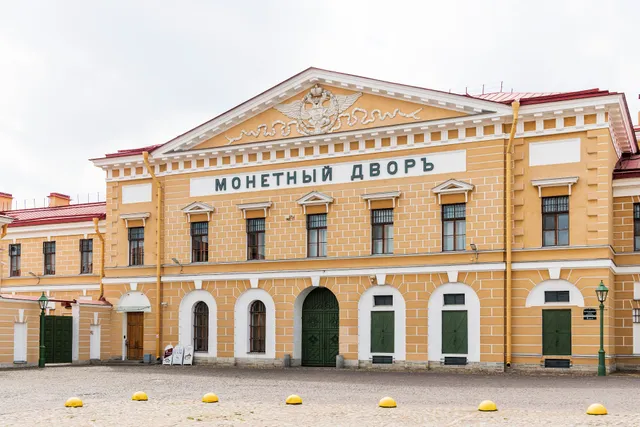
Saint Petersburg Mint
4.7
(77)
Click for details
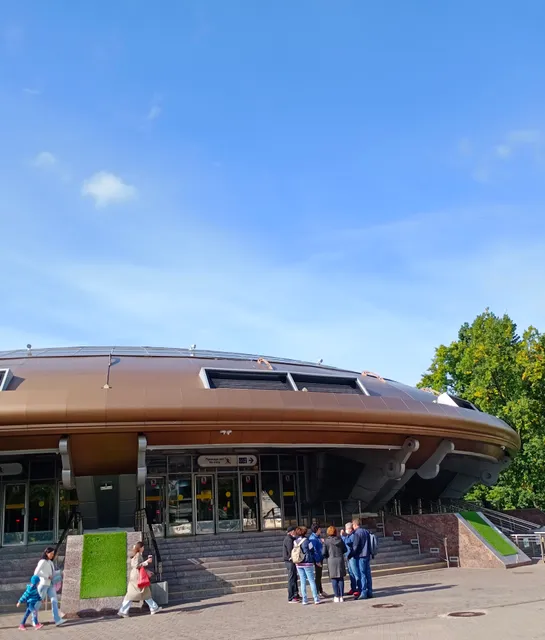
Gor'kovskaya
4.6
(214)
Click for details