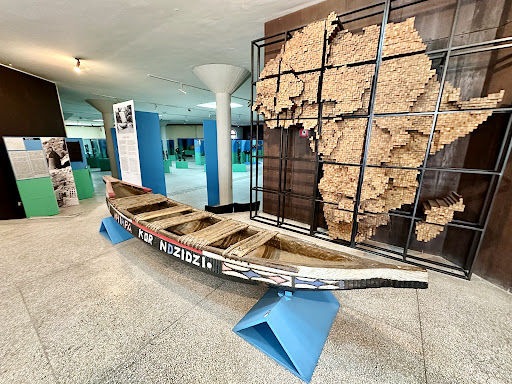
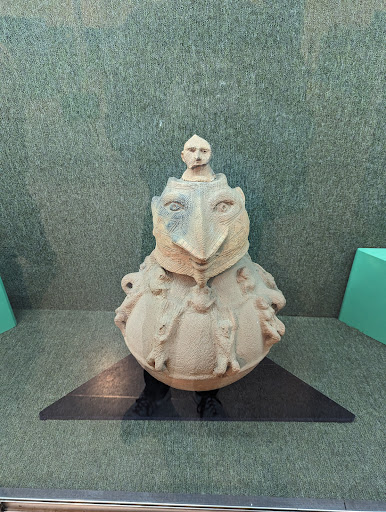
The Museum of African Art things to do, attractions, restaurants, events info and trip planning
Basic Info
The Museum of African Art
Andre Nikolića 14, Beograd 11000, Serbia
4.7(666)
Closed

tickets
Save
spot
spot
Ratings & Description
Info
The Northwest African American Museum serves to present and preserve the connections between the Pacific Northwest and people of African descent and investigate and celebrate Black experiences in America through exhibitions, programs and events.
Cultural
Family friendly
Accessibility
attractions: House of King Petar I, Orthodox Monastery of the Presentation of the Holy Virgin, Museum of Toma Rosandić, Harvest Statue, restaurants: Restoran 27, Bizu Restaurant & Sushi Bar, Restoran Topčiderac, Coffeedream, Merak Balkan Cuisine, local businesses: Milanovic, Wine Cellar Panajotovic - Podrum Panajotović, SAVA OSIGURANJE, SRBIJA, Most na Adi
 Learn more insights from Wanderboat AI.
Phone
+381 11 2651654
Website
mau.rs
Open hoursSee all hours
Sat10 a.m. - 6 p.m.Closed
Plan your stay

Pet-friendly Hotels in City of Belgrade
Find a cozy hotel nearby and make it a full experience.

Affordable Hotels in City of Belgrade
Find a cozy hotel nearby and make it a full experience.

The Coolest Hotels You Haven't Heard Of (Yet)
Find a cozy hotel nearby and make it a full experience.

Trending Stays Worth the Hype in City of Belgrade
Find a cozy hotel nearby and make it a full experience.
Reviews
Live events
Explore Communist Belgrade
Mon, Feb 2 • 4:00 PM
Belgrade, , Serbia
View details

Belgrade Historic Walking Tour
Sat, Jan 31 • 11:00 AM
Belgrade, RS 11000, Serbia
View details

Taste natural wine with scenic views near Belgrade
Sat, Jan 31 • 10:00 AM
Grocka, Vojvodina -, Serbia
View details
Nearby attractions of The Museum of African Art
House of King Petar I
Orthodox Monastery of the Presentation of the Holy Virgin
Museum of Toma Rosandić
Harvest Statue
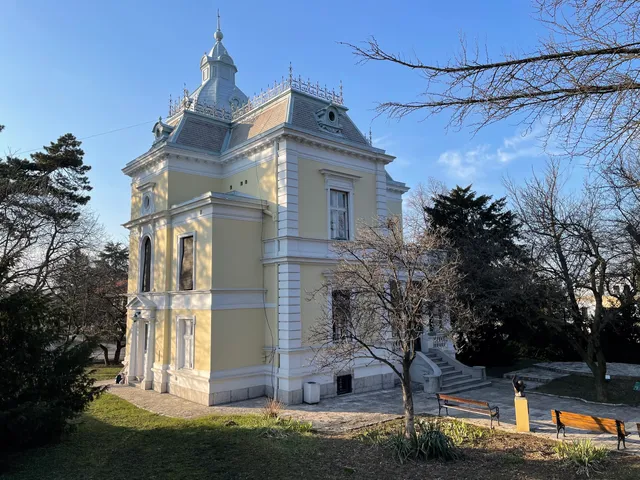
House of King Petar I
4.7
(399)
Closed
Click for details
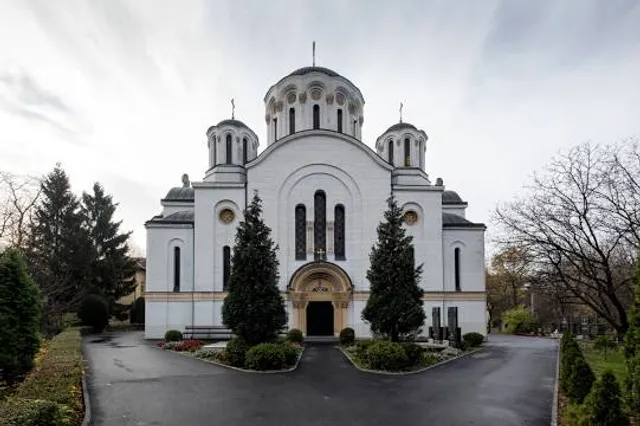
Orthodox Monastery of the Presentation of the Holy Virgin
4.9
(364)
Open 24 hours
Click for details
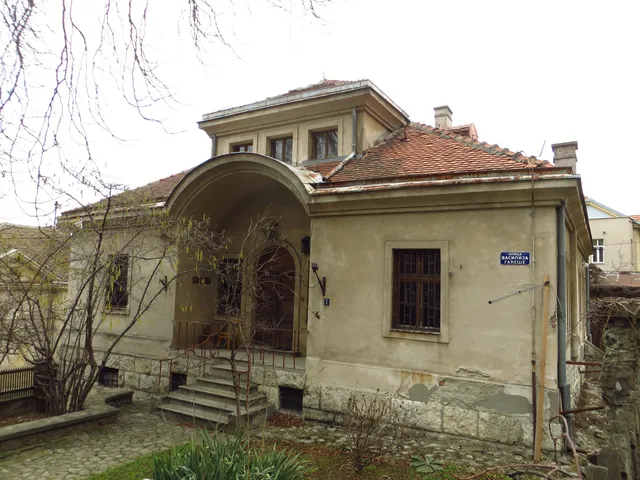
Museum of Toma Rosandić
3.8
(14)
Open 24 hours
Click for details
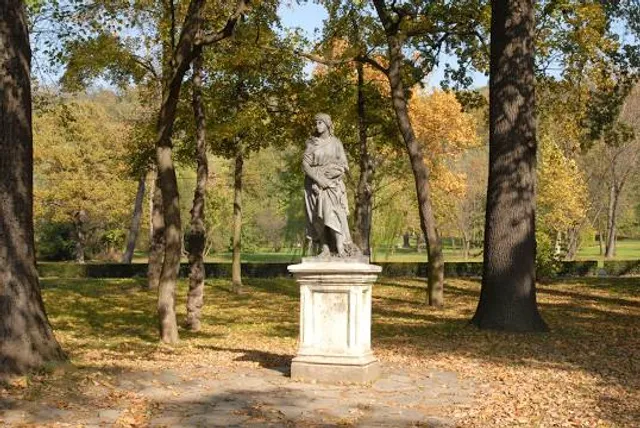
Harvest Statue
4.9
(12)
Open until 12:00 AM
Click for details
Nearby restaurants of The Museum of African Art
Restoran 27
Bizu Restaurant & Sushi Bar
Restoran Topčiderac
Coffeedream
Merak Balkan Cuisine
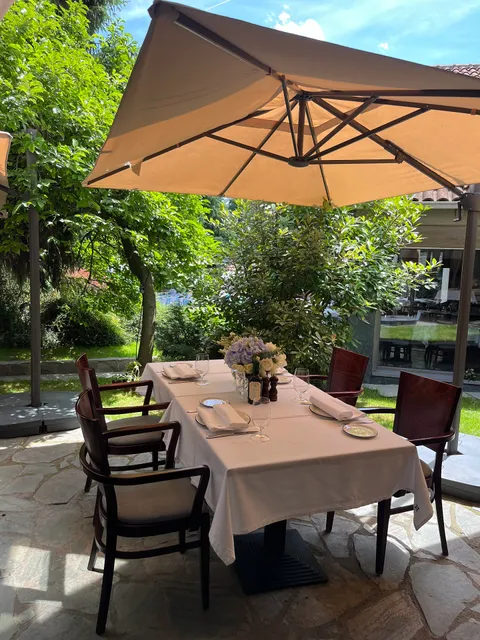
Restoran 27
4.8
(355)
$$
Closed
Click for details
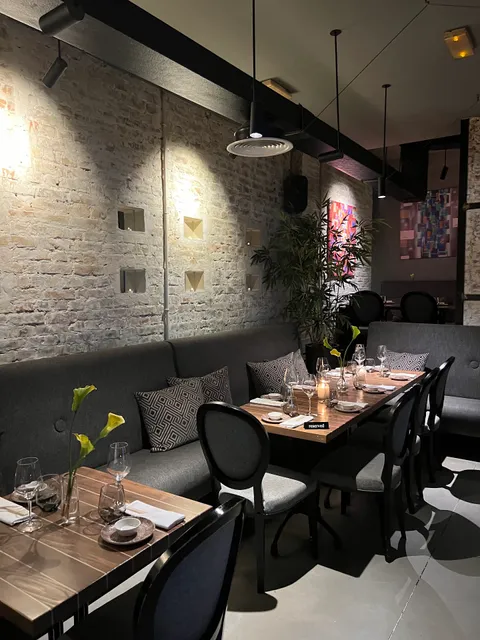
Bizu Restaurant & Sushi Bar
4.6
(349)
$$$
Closed
Click for details
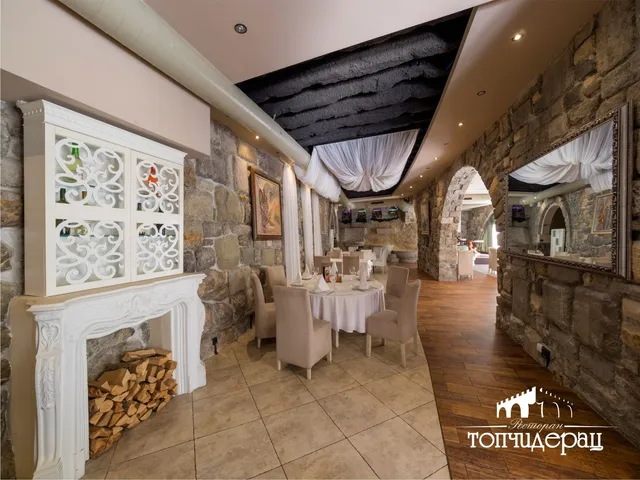
Restoran Topčiderac
4.7
(1.7K)
$$
Closed
Click for details
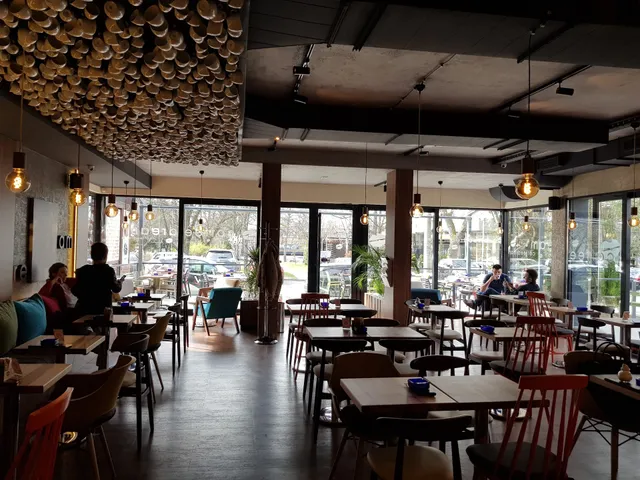
Coffeedream
4.6
(471)
Closed
Click for details
Nearby local services of The Museum of African Art
Milanovic
Wine Cellar Panajotovic - Podrum Panajotović
SAVA OSIGURANJE, SRBIJA
Most na Adi
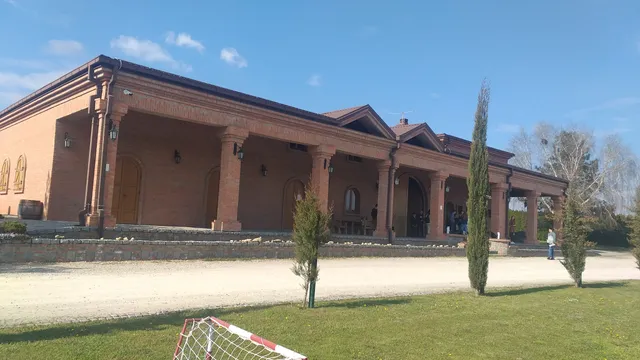
Milanovic
4.8
(52)
Click for details
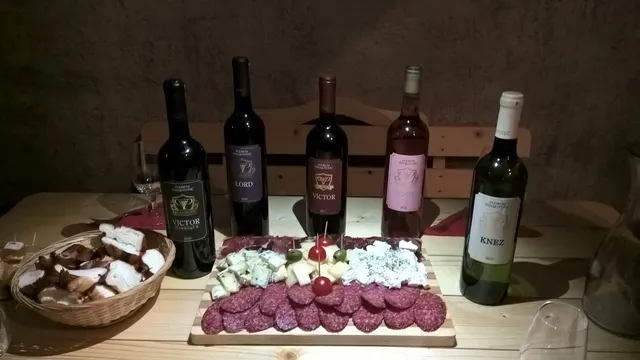
Wine Cellar Panajotovic - Podrum Panajotović
4.7
(31)
Click for details
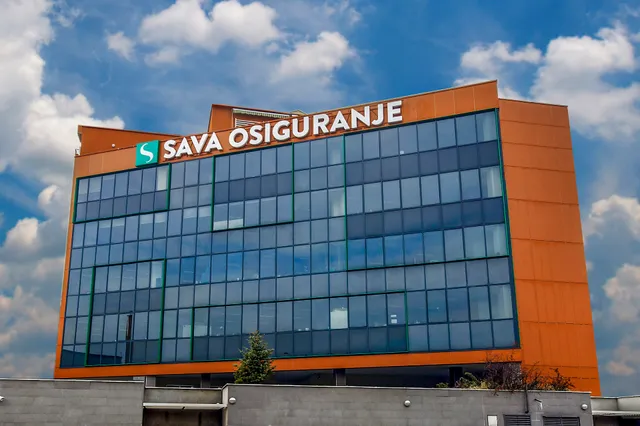
SAVA OSIGURANJE, SRBIJA
4.2
(130)
Click for details
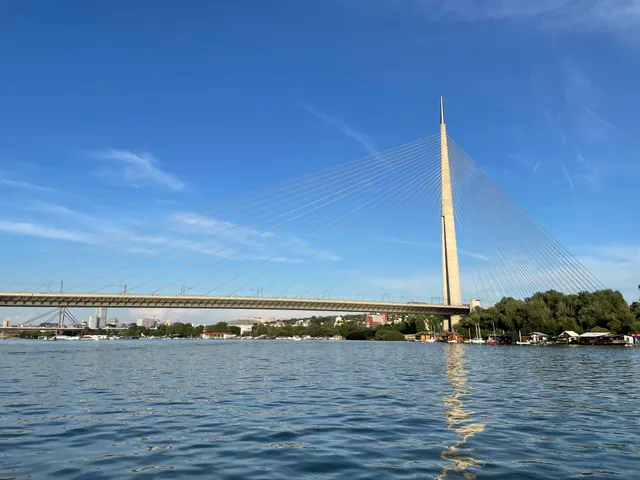
Most na Adi
4.7
(846)
Click for details