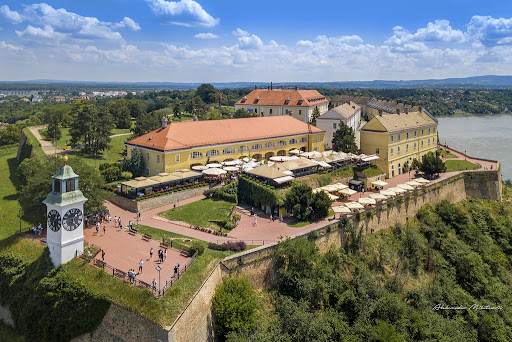
Petrovaradinska tvrđava things to do, attractions, restaurants, events info and trip planning
Basic Info
Petrovaradinska tvrđava
Petrovaradin, Serbia
4.9(244)
Save
spot
spot
Ratings & Description
Info
Cultural
Outdoor
Scenic
Family friendly
attractions: Petrovaradin Fortress's Clock, City Museum of Novi Sad, Ustanova za izradu tapiserija "Atelje 61", Belgrade Gate, Gradic, PATH to the Fortress, Varadin Bridge, Danube Park, Muzej Vojvodine, Gallery BEL ART Novi Sad, restaurants: Terasa, Restoran Karlo Tvrdjava, Restaurant „Clock”, Grill 5, local businesses: City Museum of Novi Sad, Petrovaradin catacombs, Кеј Жртава рације, St. Leopold Bastion, Petrovaradin fortress walls viewpoint, Tvrdjava Rooms, Museum of Contemporary Art of AP Vojvodina, Dunavska
 Learn more insights from Wanderboat AI.
Plan your stay

Pet-friendly Hotels in City of Novi Sad
Find a cozy hotel nearby and make it a full experience.

Affordable Hotels in City of Novi Sad
Find a cozy hotel nearby and make it a full experience.

The Coolest Hotels You Haven't Heard Of (Yet)
Find a cozy hotel nearby and make it a full experience.

Trending Stays Worth the Hype in City of Novi Sad
Find a cozy hotel nearby and make it a full experience.
Reviews
Live events
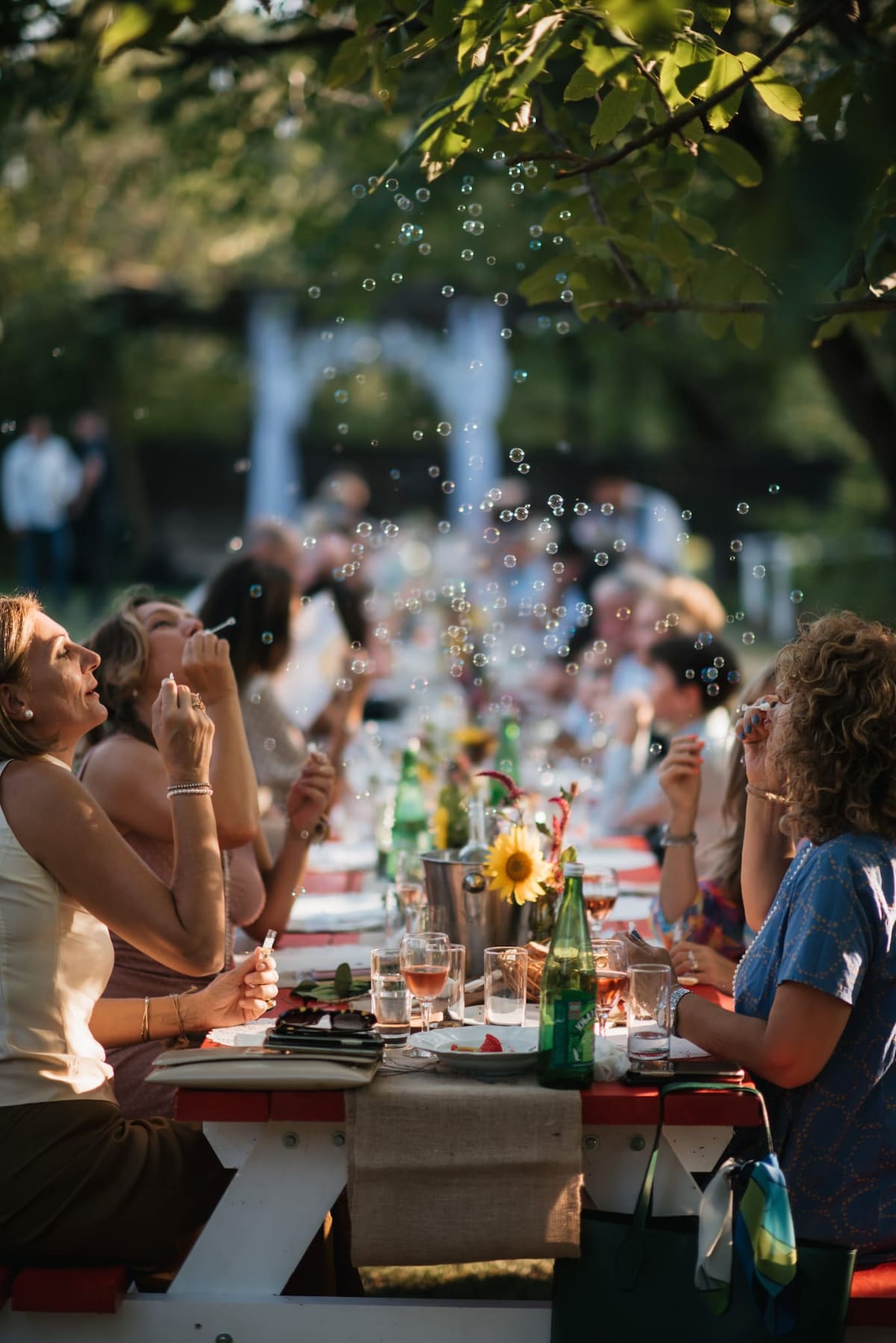
Komuna Winery: Tour & Wine Tasting Experience
Sat, Jan 31 • 1:00 PM
Rivica, Vojvodina , Serbia
View details
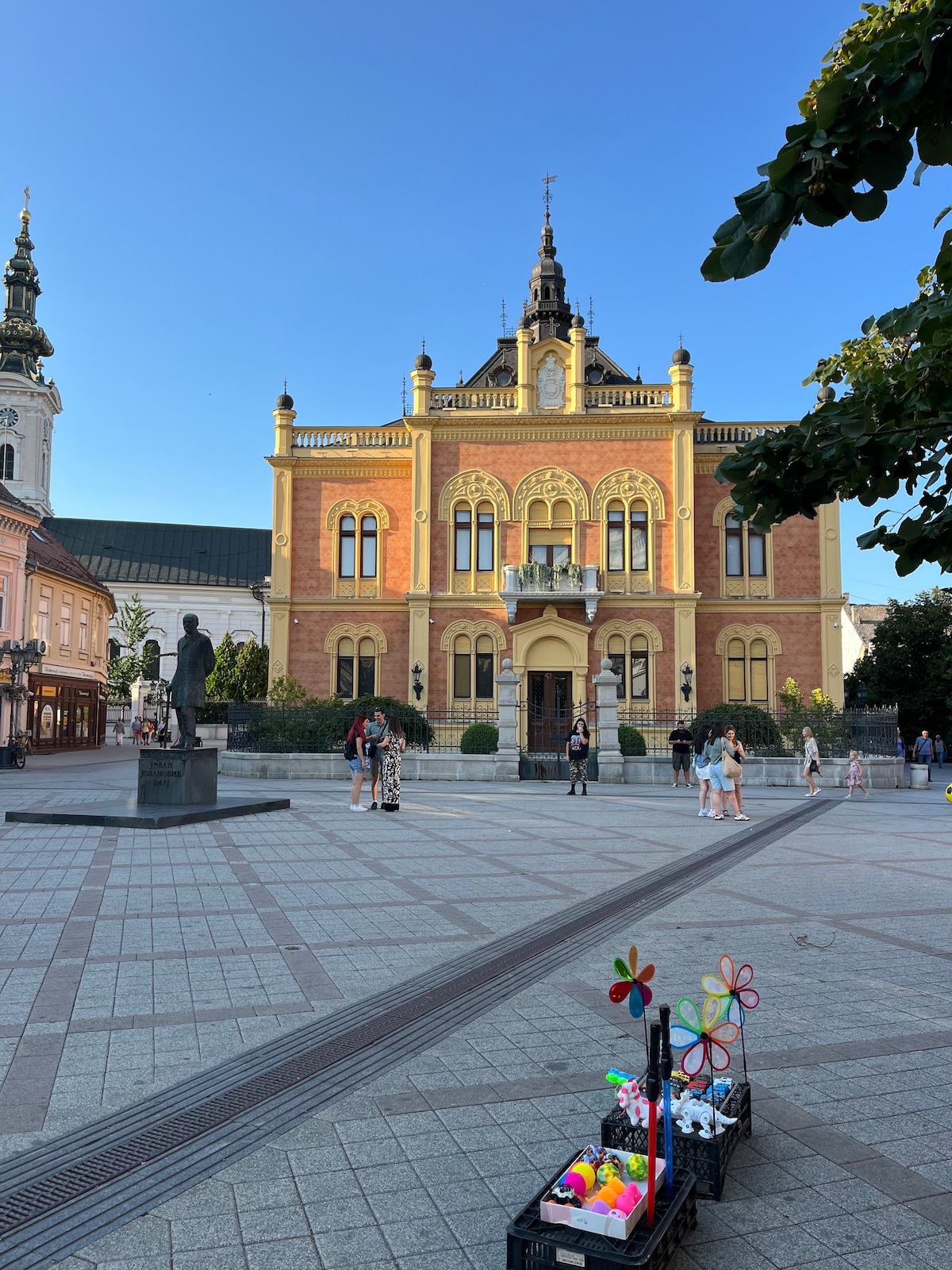
Discover Novi Sad & Petrovaradin Fortress
Mon, Feb 2 • 10:00 AM
Novi Sad, Vojvodina , Serbia
View details
Nearby attractions of Petrovaradinska tvrđava
Petrovaradin Fortress's Clock
City Museum of Novi Sad
Ustanova za izradu tapiserija "Atelje 61"
Belgrade Gate
Gradic
PATH to the Fortress
Varadin Bridge
Danube Park
Muzej Vojvodine
Gallery BEL ART Novi Sad
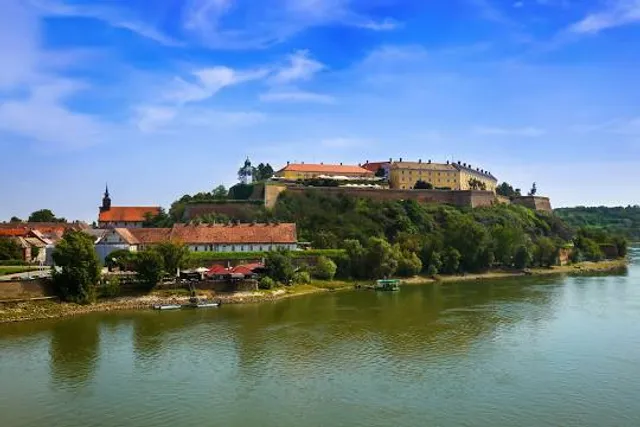
Petrovaradin Fortress's Clock
4.8
(5.8K)
Closed
Click for details
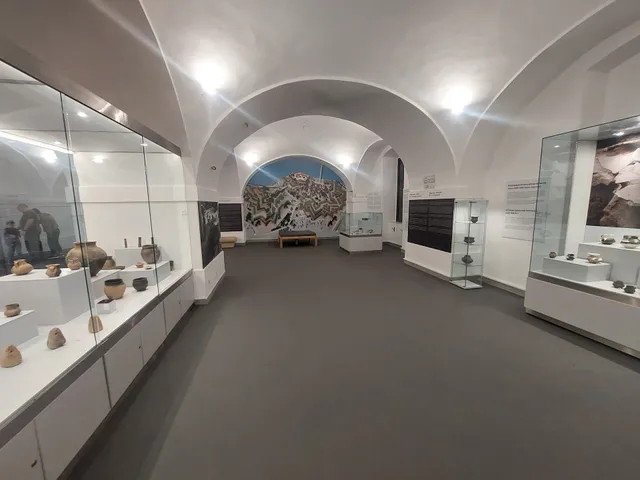
City Museum of Novi Sad
4.6
(463)
Closed
Click for details
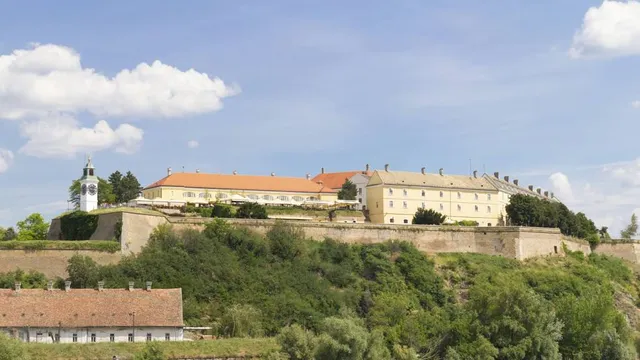
Ustanova za izradu tapiserija "Atelje 61"
4.7
(23)
Closed
Click for details
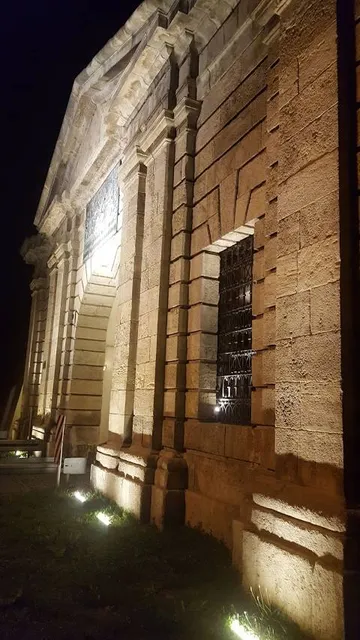
Belgrade Gate
4.6
(122)
Open 24 hours
Click for details
Nearby restaurants of Petrovaradinska tvrđava
Terasa
Restoran Karlo Tvrdjava
Restaurant „Clock”
Grill 5
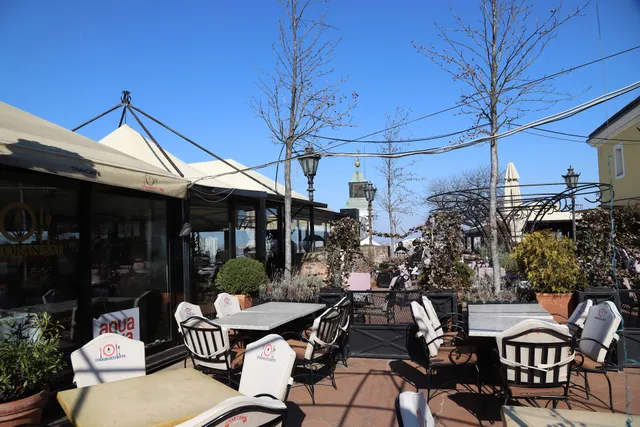
Terasa
4.5
(1.9K)
$$
Open until 12:00 AM
Click for details
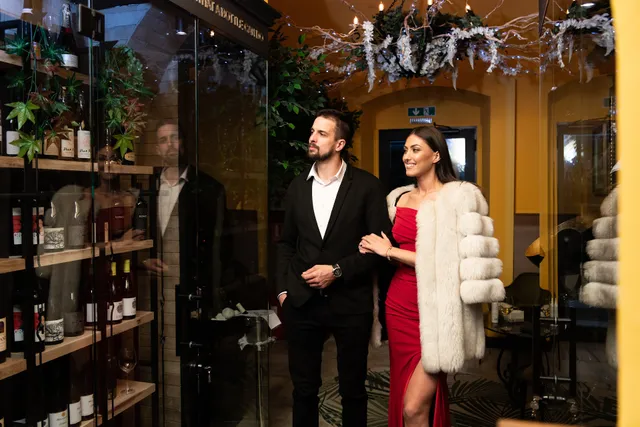
Restoran Karlo Tvrdjava
3.7
(473)
$$
Open until 11:00 PM
Click for details
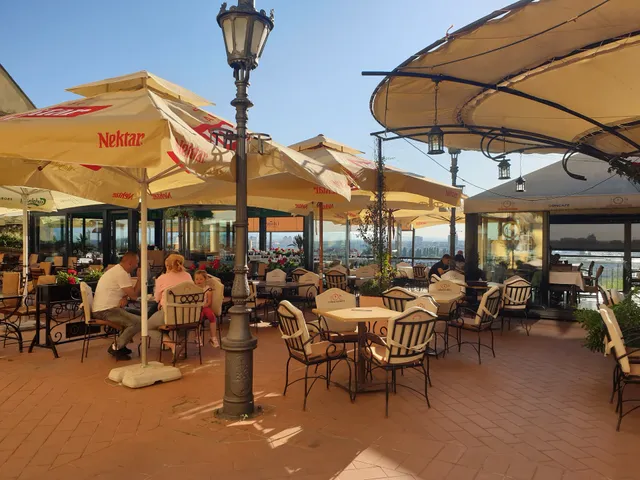
Restaurant „Clock”
3.4
(319)
$$
Open until 11:00 PM
Click for details
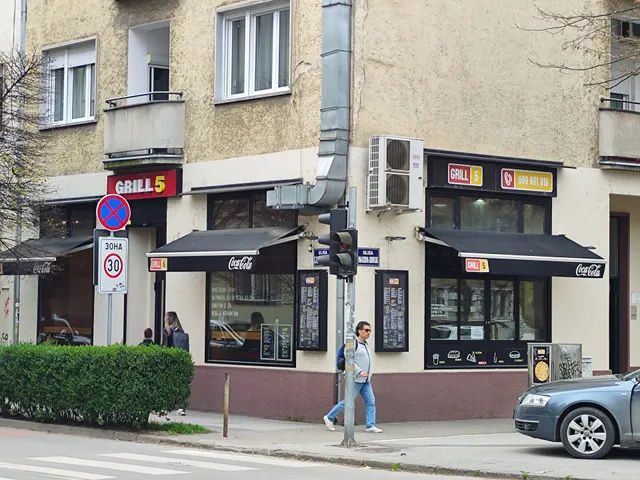
Grill 5
4.4
(338)
Open until 10:00 PM
Click for details
Nearby local services of Petrovaradinska tvrđava
City Museum of Novi Sad
Petrovaradin catacombs
Кеј Жртава рације
St. Leopold Bastion
Petrovaradin fortress walls viewpoint
Tvrdjava Rooms
Museum of Contemporary Art of AP Vojvodina
Dunavska
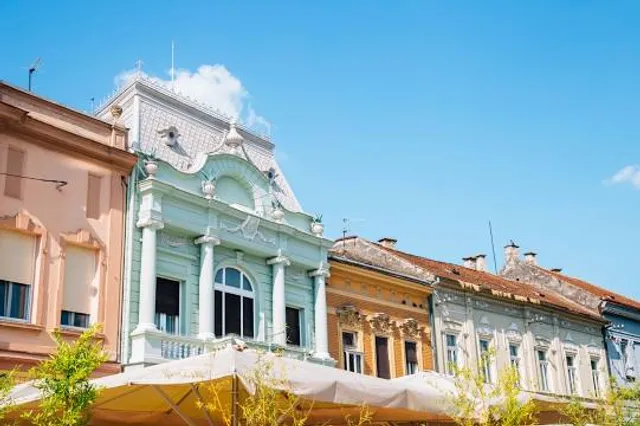
City Museum of Novi Sad
4.6
(95)
Click for details
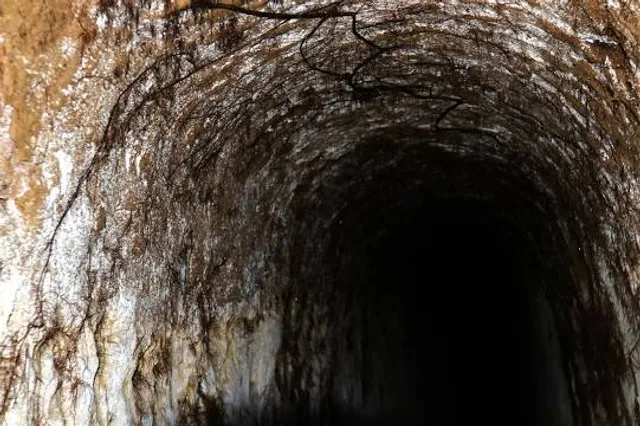
Petrovaradin catacombs
4.7
(94)
Click for details
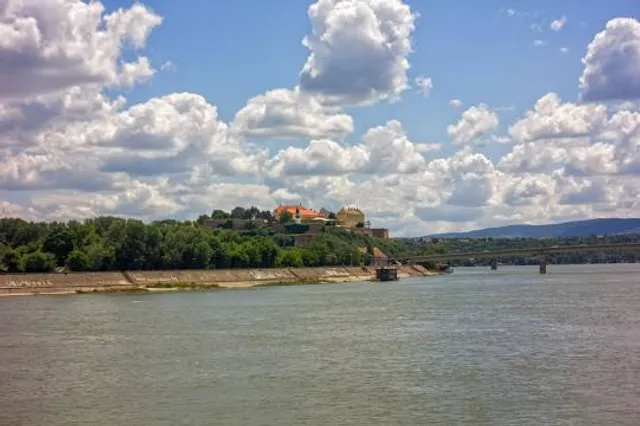
Кеј Жртава рације
4.7
(1.3K)
Click for details
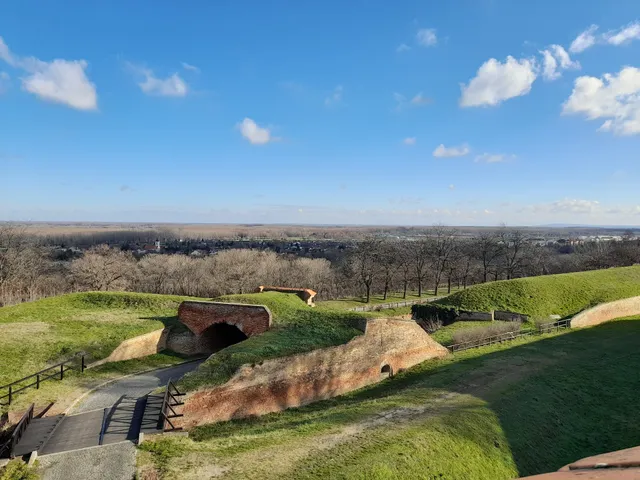
St. Leopold Bastion
4.7
(24)
Click for details