HTML SitemapExplore
logo
Find Things to DoFind The Best Restaurants

Gwanghallu Pavilion — Attraction in Namwon-si

Name
Gwanghallu Pavilion
Description
Nearby attractions
Gwanghanruwon Garden
1447 Yocheon-ro, Geum-dong, Namwon-si, Jeonbuk State, South Korea
Wan-Woljeong
Cheongeo-dong, Namwon-si, Jeonbuk State, South Korea
Chunhyang Theme Park
Namweon, South Korea
Nearby restaurants
Gyeongbanglu
29 Gwanghanbuk-ro, Namwon-si, Jeonbuk State, South Korea
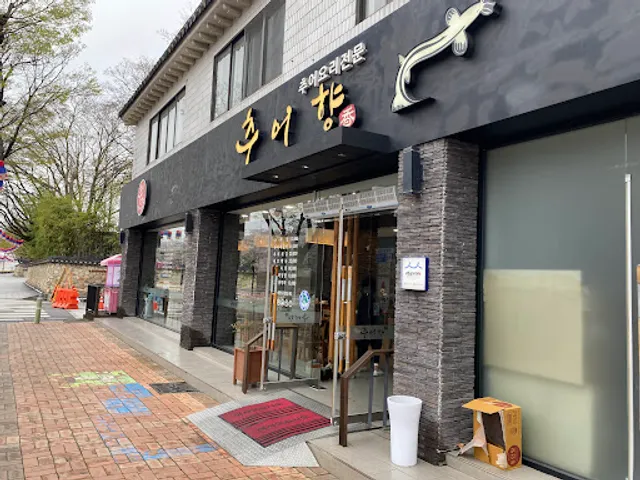
추어향
316 Ssanggyo-dong, Namwon-si, Jeonbuk State, South Korea
광한루석쇠구이
Namweon, South Korea
Hyeonsigdang
8 Uichong-ro, Namwon-si, Jeonbuk State, South Korea
집밥,담다
28 Hajeong 1-gil, Namwon-si, Jeonbuk State, South Korea
Saejib Chueo-tang
160-206 Cheongeo-dong, Namwon-si, Jeonbuk State, South Korea
보석추어탕
160-1 Cheongeo-dong, Namwon-si, Jeonbuk State, South Korea
산아구찜
30-4 Ssanggyo-dong, Namwon-si, Jeonbuk State, South Korea
산내음가든
1403 Yocheon-ro, Geum-dong, Namwon-si, Jeonbuk State, South Korea
춘원회관
South Korea, Jeonbuk State, Namwon-si, 양림길 14-10
Nearby hotels
Yechon Hanok Hotel
17 Gwanghanbuk-ro, Namwon-si, Jeonbuk State, South Korea
Kensington Resort Jirisan Namwon
66 Sori-gil, Namwon-si, Jeonbuk State, South Korea
Mua Guesthouse
1501-10 Yocheon-ro, Namwon-si, Jeonbuk State, South Korea
Namwon Hotel Made
110 Sori-gil, Namwon-si, Jeonbuk State, South Korea
Hotel Choonhyang
114 Sori-gil, Namwon-si, Jeonbuk State, South Korea
Queens Drive In
122-8 Sori-gil, Namwon-si, Jeonbuk State, South Korea
Related posts
Keywords
Gwanghallu Pavilion tourism.Gwanghallu Pavilion hotels.Gwanghallu Pavilion bed and breakfast. flights to Gwanghallu Pavilion.Gwanghallu Pavilion attractions.Gwanghallu Pavilion restaurants.Gwanghallu Pavilion travel.Gwanghallu Pavilion travel guide.Gwanghallu Pavilion travel blog.Gwanghallu Pavilion pictures.Gwanghallu Pavilion photos.Gwanghallu Pavilion travel tips.Gwanghallu Pavilion maps.Gwanghallu Pavilion things to do.
Gwanghallu Pavilion things to do, attractions, restaurants, events info and trip planning
Gwanghallu Pavilion
South KoreaJeonbuk StateNamwon-siGwanghallu Pavilion

Basic Info

Gwanghallu Pavilion

78 Cheongeo-dong, Namwon-si, Jeonbuk State, South Korea
4.5(1.7K)
Open 24 hours
Save
spot

Ratings & Description

Info

Cultural
Outdoor
Family friendly
attractions: Gwanghanruwon Garden, Wan-Woljeong, Chunhyang Theme Park, restaurants: Gyeongbanglu, 추어향, 광한루석쇠구이, Hyeonsigdang, 집밥,담다, Saejib Chueo-tang, 보석추어탕, 산아구찜, 산내음가든, 춘원회관
logoLearn more insights from Wanderboat AI.
Phone
+82 63-620-8901
Website
namwon.go.kr

Plan your stay

hotel
Pet-friendly Hotels in Namwon-si
Find a cozy hotel nearby and make it a full experience.
hotel
Affordable Hotels in Namwon-si
Find a cozy hotel nearby and make it a full experience.
hotel
The Coolest Hotels You Haven't Heard Of (Yet)
Find a cozy hotel nearby and make it a full experience.
hotel
Trending Stays Worth the Hype in Namwon-si
Find a cozy hotel nearby and make it a full experience.

Reviews

Nearby attractions of Gwanghallu Pavilion

Gwanghanruwon Garden

Wan-Woljeong

Chunhyang Theme Park

Gwanghanruwon Garden

Gwanghanruwon Garden

4.3

(2.5K)

Open 24 hours
Click for details
Wan-Woljeong

Wan-Woljeong

4.5

(8)

Closed
Click for details
Chunhyang Theme Park

Chunhyang Theme Park

3.7

(645)

Closed
Click for details

Nearby restaurants of Gwanghallu Pavilion

Gyeongbanglu

추어향

광한루석쇠구이

Hyeonsigdang

집밥,담다

Saejib Chueo-tang

보석추어탕

산아구찜

산내음가든

춘원회관

Gyeongbanglu

Gyeongbanglu

3.8

(440)

$

Click for details
추어향

추어향

4.1

(97)

Click for details
광한루석쇠구이

광한루석쇠구이

4.4

(86)

$

Click for details
Hyeonsigdang

Hyeonsigdang

4.2

(461)

Click for details
Get the Appoverlay
Get the AppOne tap to find yournext favorite spots!
Wanderboat LogoWanderboat

Your everyday Al companion for getaway ideas

CompanyAbout Us
InformationAI Trip PlannerSitemap
SocialXInstagramTiktokLinkedin
LegalTerms of ServicePrivacy Policy

Get the app

© 2025 Wanderboat. All rights reserved.
logo

Reviews of Gwanghallu Pavilion

4.5
(1,744)
avatar
5.0
16w

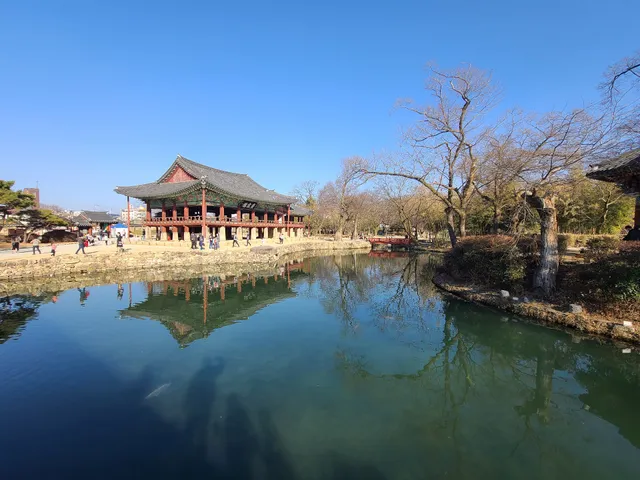
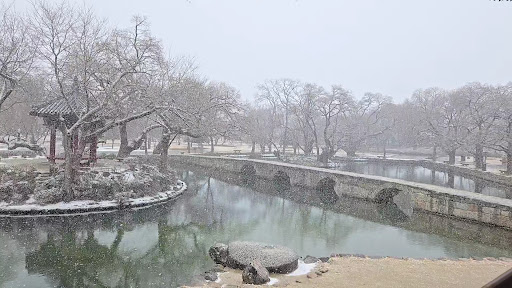
Gwanghallu Pavilion Gwanghallu Pavilion, built in the first year of King Sejong’s reign (1419) during the Joseon Dynasty, is a traditional Korean structure surrounded by a harmonious garden and lotus pond. It stands as one of Namwon’s most iconic cultural landmarks and is widely known as the setting of the classic Korean love story Chunhyangjeon. With its historical significance and scenic beauty, it attracts countless visitors year-round.

Inside the pavilion hangs a framed poem written by Kang Hee-maeng, a distinguished poet and statesman of the Joseon era, who was an ancestor of my family—the Jinju Kang clan. This adds a personal layer of meaning for me, as my father once told me he spent his childhood living near Gwanghallu, in the Cheongeo-dong neighborhood of Namwon.

Namwon City hosts traditional parades and cultural festivals centered around Gwanghallu, celebrating its literary and historical legacy. The site has also been recognized as a “Must-Visit Place” by Walk into City: City in Sight, making it a truly unforgettable...

   Read more
avatar
5.0
2y

Huge site which has story of Pansory(traditional Korea musical storytelling performance). Now they offering Pansory performance here every Saturday at 8:00 pm in September. Enterance fee is 4,000won per adult. Chunhyang-jeon. They designed site concept of Chunhyang-jeon, seems like theme park. Gwanghanru is the name of main pavilionin in the garden, which was built at Joseon dynasty. I recommend you to search a story of Chunhyang-jeon before visit here if you're foreigner. That makes much more...

   Read more
avatar
5.0
2y

지금의 광한루는 1170년(의종 24) 전중감(殿中監)이었던 황공유(黃公有)가 무신의 난으로 벼슬을 버리고 남원으로 내려온 뒤, 그의 후손 황감평이 이곳에 일재(逸齋)라는 조그마한 서실(書室)을 지은 때부터 유래된다.

광한루의 시초는 조선 세종 원년(1419) 황공유의 아들인 황희(黃喜)가 한때 남원에 유배되었을 당시, 일재의 옛터에 광통루(廣通樓)라는 작은 누각을 지어 산수를 즐긴 것에서 비롯된다.

1444년(세종 26)에는 전라도관찰사 정인지(鄭麟趾)가 광통루의 아름다움을 월궁(月宮)에 비유하여 광한청허부(廣寒淸虛府)라 칭한 것에서 광한루라 부르게 되었다.

1461년(세조 7) 부사 장의국(張義國)은 누원 일원에 요천강의 맑은 물을 끌어다가 은하수를 상징하는 호수를 만들었다.

1582년정철(鄭澈)이 전라도관찰사로 부임하여 또다시 은하의 못 가운데 신선이 살고 있다는 전설의 삼신산을 상징하는 봉래(蓬萊). 방장(方丈). 영주(瀛洲)섬을 만들어, 봉래섬에는 백일홍을 심고 방장섬에는 녹죽(綠竹)을 심었는데, 영주섬에만 영주각을 건립하고 섬과 섬 사이에는 사다리꼴 다리로 연결하였다. 이로써 광한루원은 천체와 우주를 상징하는 누원의 모습을 갖추게 되었다. 그러나 1597년(선조 30) 정유재란 때 왜적들의 방화로 모두 불타버렸다. 1607년(선조 40)에 작은 누각이 복구되고, 1639년(인조17)에 남원부사 신감(申鑑)이 현재의 광한루를 복원하였다. 1794년(정조 18)에는 부사 이만길(李萬吉)이 영주각을 재건하였다.

1869년(고종 6) 무렵 광한루 본관이 차츰 북쪽으로 기울어져 이를 방지하기 위해 누의 북쪽에 다락을 세워 층층대를 만들어놓았다. 1925년 수리공사 때에 누의 동쪽 구석에 직실(直室)을 마련하였다.

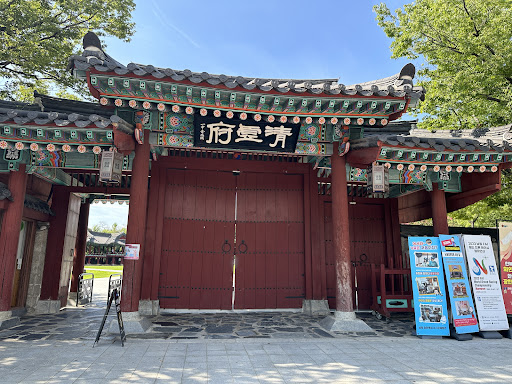
1963년에는 주변의 토지를 매입하고 호수 주위를 정비하여 국악원, 월매(月梅)의 집과 방장섬에 육모정을 세웠으며, 이듬해인 1964년에는 방장섬에 방장정(方丈亭)이 건립되었다. 1965년에는 영주각을 단청하고, 1969년에는 호수를 확장하고 수중누각 완월정을 세우는 한편, 지금까지 북쪽을 정문으로 써 오던 것을 후문으로 삼고 따로이 남쪽에 정문을 신축, ‘廣寒淸虛府(광한청허부)’라는 현판을 써 걸었다. 1983년에는 다시 경역을 확장하여 누원 주변을 정비, 사적으로 지정하였다.

이 광한루는 이몽룡과 성춘향의 「춘향전」으로 더욱 유명하여졌는데, 1931년에 지어진 춘향사에는 ‘만고열녀춘향사(萬古烈女春香祠)’라는 현판이 걸리고 김은호(金殷鎬)가 그린 춘향의 영정이 봉안되어 있다.

해마다 음력 5월 5일 단오절(端午節)에는...

   Read more
Page 1 of 7
Previous
Next

Posts

Daehoon KangDaehoon Kang
Gwanghallu Pavilion Gwanghallu Pavilion, built in the first year of King Sejong’s reign (1419) during the Joseon Dynasty, is a traditional Korean structure surrounded by a harmonious garden and lotus pond. It stands as one of Namwon’s most iconic cultural landmarks and is widely known as the setting of the classic Korean love story Chunhyangjeon. With its historical significance and scenic beauty, it attracts countless visitors year-round. Inside the pavilion hangs a framed poem written by Kang Hee-maeng, a distinguished poet and statesman of the Joseon era, who was an ancestor of my family—the Jinju Kang clan. This adds a personal layer of meaning for me, as my father once told me he spent his childhood living near Gwanghallu, in the Cheongeo-dong neighborhood of Namwon. Namwon City hosts traditional parades and cultural festivals centered around Gwanghallu, celebrating its literary and historical legacy. The site has also been recognized as a “Must-Visit Place” by Walk into City: City in Sight, making it a truly unforgettable destination.
EZ LEE (ezstories)EZ LEE (ezstories)
Huge site which has story of Pansory(traditional Korea musical storytelling performance). Now they offering Pansory performance here every Saturday at 8:00 pm in September. Enterance fee is 4,000won per adult. Chunhyang-jeon. They designed site concept of Chunhyang-jeon, seems like theme park. Gwanghanru is the name of main pavilionin in the garden, which was built at Joseon dynasty. I recommend you to search a story of Chunhyang-jeon before visit here if you're foreigner. That makes much more fun for you.
이병훈 (쿨가이)이병훈 (쿨가이)
지금의 광한루는 1170년(의종 24) 전중감(殿中監)이었던 황공유(黃公有)가 무신의 난으로 벼슬을 버리고 남원으로 내려온 뒤, 그의 후손 황감평이 이곳에 일재(逸齋)라는 조그마한 서실(書室)을 지은 때부터 유래된다. 광한루의 시초는 조선 세종 원년(1419) 황공유의 아들인 황희(黃喜)가 한때 남원에 유배되었을 당시, 일재의 옛터에 광통루(廣通樓)라는 작은 누각을 지어 산수를 즐긴 것에서 비롯된다. 1444년(세종 26)에는 전라도관찰사 정인지(鄭麟趾)가 광통루의 아름다움을 월궁(月宮)에 비유하여 광한청허부(廣寒淸虛府)라 칭한 것에서 광한루라 부르게 되었다. 1461년(세조 7) 부사 장의국(張義國)은 누원 일원에 요천강의 맑은 물을 끌어다가 은하수를 상징하는 호수를 만들었다. 1582년정철(鄭澈)이 전라도관찰사로 부임하여 또다시 은하의 못 가운데 신선이 살고 있다는 전설의 삼신산을 상징하는 봉래(蓬萊). 방장(方丈). 영주(瀛洲)섬을 만들어, 봉래섬에는 백일홍을 심고 방장섬에는 녹죽(綠竹)을 심었는데, 영주섬에만 영주각을 건립하고 섬과 섬 사이에는 사다리꼴 다리로 연결하였다. 이로써 광한루원은 천체와 우주를 상징하는 누원의 모습을 갖추게 되었다. 그러나 1597년(선조 30) 정유재란 때 왜적들의 방화로 모두 불타버렸다. 1607년(선조 40)에 작은 누각이 복구되고, 1639년(인조17)에 남원부사 신감(申鑑)이 현재의 광한루를 복원하였다. 1794년(정조 18)에는 부사 이만길(李萬吉)이 영주각을 재건하였다. 1869년(고종 6) 무렵 광한루 본관이 차츰 북쪽으로 기울어져 이를 방지하기 위해 누의 북쪽에 다락을 세워 층층대를 만들어놓았다. 1925년 수리공사 때에 누의 동쪽 구석에 직실(直室)을 마련하였다. 1963년에는 주변의 토지를 매입하고 호수 주위를 정비하여 국악원, 월매(月梅)의 집과 방장섬에 육모정을 세웠으며, 이듬해인 1964년에는 방장섬에 방장정(方丈亭)이 건립되었다. 1965년에는 영주각을 단청하고, 1969년에는 호수를 확장하고 수중누각 완월정을 세우는 한편, 지금까지 북쪽을 정문으로 써 오던 것을 후문으로 삼고 따로이 남쪽에 정문을 신축, ‘廣寒淸虛府(광한청허부)’라는 현판을 써 걸었다. 1983년에는 다시 경역을 확장하여 누원 주변을 정비, 사적으로 지정하였다. 이 광한루는 이몽룡과 성춘향의 「춘향전」으로 더욱 유명하여졌는데, 1931년에 지어진 춘향사에는 ‘만고열녀춘향사(萬古烈女春香祠)’라는 현판이 걸리고 김은호(金殷鎬)가 그린 춘향의 영정이 봉안되어 있다. 해마다 음력 5월 5일 단오절(端午節)에는 춘향제가 성대히 열린다.
See more posts
See more posts
hotel
Find your stay

Pet-friendly Hotels in Namwon-si

Find a cozy hotel nearby and make it a full experience.

Gwanghallu Pavilion Gwanghallu Pavilion, built in the first year of King Sejong’s reign (1419) during the Joseon Dynasty, is a traditional Korean structure surrounded by a harmonious garden and lotus pond. It stands as one of Namwon’s most iconic cultural landmarks and is widely known as the setting of the classic Korean love story Chunhyangjeon. With its historical significance and scenic beauty, it attracts countless visitors year-round. Inside the pavilion hangs a framed poem written by Kang Hee-maeng, a distinguished poet and statesman of the Joseon era, who was an ancestor of my family—the Jinju Kang clan. This adds a personal layer of meaning for me, as my father once told me he spent his childhood living near Gwanghallu, in the Cheongeo-dong neighborhood of Namwon. Namwon City hosts traditional parades and cultural festivals centered around Gwanghallu, celebrating its literary and historical legacy. The site has also been recognized as a “Must-Visit Place” by Walk into City: City in Sight, making it a truly unforgettable destination.
Daehoon Kang

Daehoon Kang

hotel
Find your stay

Affordable Hotels in Namwon-si

Find a cozy hotel nearby and make it a full experience.

Get the Appoverlay
Get the AppOne tap to find yournext favorite spots!
Huge site which has story of Pansory(traditional Korea musical storytelling performance). Now they offering Pansory performance here every Saturday at 8:00 pm in September. Enterance fee is 4,000won per adult. Chunhyang-jeon. They designed site concept of Chunhyang-jeon, seems like theme park. Gwanghanru is the name of main pavilionin in the garden, which was built at Joseon dynasty. I recommend you to search a story of Chunhyang-jeon before visit here if you're foreigner. That makes much more fun for you.
EZ LEE (ezstories)

EZ LEE (ezstories)

hotel
Find your stay

The Coolest Hotels You Haven't Heard Of (Yet)

Find a cozy hotel nearby and make it a full experience.

hotel
Find your stay

Trending Stays Worth the Hype in Namwon-si

Find a cozy hotel nearby and make it a full experience.

지금의 광한루는 1170년(의종 24) 전중감(殿中監)이었던 황공유(黃公有)가 무신의 난으로 벼슬을 버리고 남원으로 내려온 뒤, 그의 후손 황감평이 이곳에 일재(逸齋)라는 조그마한 서실(書室)을 지은 때부터 유래된다. 광한루의 시초는 조선 세종 원년(1419) 황공유의 아들인 황희(黃喜)가 한때 남원에 유배되었을 당시, 일재의 옛터에 광통루(廣通樓)라는 작은 누각을 지어 산수를 즐긴 것에서 비롯된다. 1444년(세종 26)에는 전라도관찰사 정인지(鄭麟趾)가 광통루의 아름다움을 월궁(月宮)에 비유하여 광한청허부(廣寒淸虛府)라 칭한 것에서 광한루라 부르게 되었다. 1461년(세조 7) 부사 장의국(張義國)은 누원 일원에 요천강의 맑은 물을 끌어다가 은하수를 상징하는 호수를 만들었다. 1582년정철(鄭澈)이 전라도관찰사로 부임하여 또다시 은하의 못 가운데 신선이 살고 있다는 전설의 삼신산을 상징하는 봉래(蓬萊). 방장(方丈). 영주(瀛洲)섬을 만들어, 봉래섬에는 백일홍을 심고 방장섬에는 녹죽(綠竹)을 심었는데, 영주섬에만 영주각을 건립하고 섬과 섬 사이에는 사다리꼴 다리로 연결하였다. 이로써 광한루원은 천체와 우주를 상징하는 누원의 모습을 갖추게 되었다. 그러나 1597년(선조 30) 정유재란 때 왜적들의 방화로 모두 불타버렸다. 1607년(선조 40)에 작은 누각이 복구되고, 1639년(인조17)에 남원부사 신감(申鑑)이 현재의 광한루를 복원하였다. 1794년(정조 18)에는 부사 이만길(李萬吉)이 영주각을 재건하였다. 1869년(고종 6) 무렵 광한루 본관이 차츰 북쪽으로 기울어져 이를 방지하기 위해 누의 북쪽에 다락을 세워 층층대를 만들어놓았다. 1925년 수리공사 때에 누의 동쪽 구석에 직실(直室)을 마련하였다. 1963년에는 주변의 토지를 매입하고 호수 주위를 정비하여 국악원, 월매(月梅)의 집과 방장섬에 육모정을 세웠으며, 이듬해인 1964년에는 방장섬에 방장정(方丈亭)이 건립되었다. 1965년에는 영주각을 단청하고, 1969년에는 호수를 확장하고 수중누각 완월정을 세우는 한편, 지금까지 북쪽을 정문으로 써 오던 것을 후문으로 삼고 따로이 남쪽에 정문을 신축, ‘廣寒淸虛府(광한청허부)’라는 현판을 써 걸었다. 1983년에는 다시 경역을 확장하여 누원 주변을 정비, 사적으로 지정하였다. 이 광한루는 이몽룡과 성춘향의 「춘향전」으로 더욱 유명하여졌는데, 1931년에 지어진 춘향사에는 ‘만고열녀춘향사(萬古烈女春香祠)’라는 현판이 걸리고 김은호(金殷鎬)가 그린 춘향의 영정이 봉안되어 있다. 해마다 음력 5월 5일 단오절(端午節)에는 춘향제가 성대히 열린다.
이병훈 (쿨가이)

이병훈 (쿨가이)

See more posts
See more posts