Casa de las Tejerinas things to do, attractions, restaurants, events info and trip planning
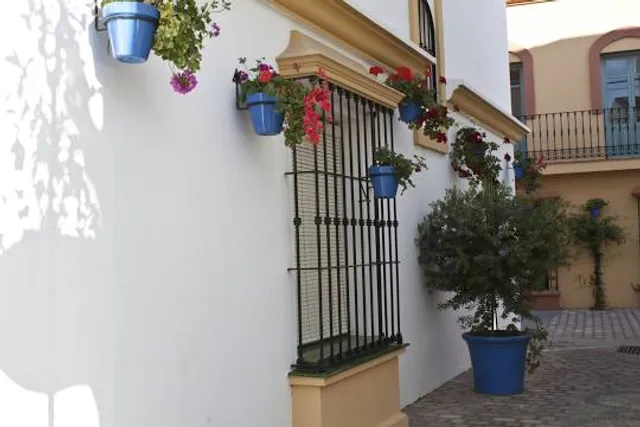
Basic Info
Casa de las Tejerinas
Plaza de las Flores, 15, 29680 Estepona, Málaga, Spain
4.6(45)
Closed
Save
spot
spot
Ratings & Description
Info
"cultural"
attractions: Plaza de las Flores de Estepona, Centro Histórico de Estepona, Plaza Antonia Guerrero, Torre del Reloj, Castillo de San Luis, Museo Arqueológico, Ruta de la Poesia, Estepona Orchid House, Paseo Marítimo de Estepona, Playa de la Cala, restaurants: Restaurante La Casa del Rey, La Italiana, El Descaro, Casa Doña Jerónima, MaduBar Estepona, Avocado, La Cozzeria, Restaurante La Esquina del Arte, Restaurante Taberna Diez, Restaurante El Gavilán del Mar Estepona, local businesses: Plaza de las Flores, Church of Our Lady of the Remedies, Souvenirs Estepona by Koral Bay, Estepona jardin de la Costa del Sol, Plazoleta Ortiz, Signum Escape Room Estepona, Ruta de los Murales Artisticos, Plaza Del Ajedrez Estepona, Estepona, Malaga, Estepona Town
 Learn more insights from Wanderboat AI.
Phone
+34 952 80 90 00
Website
estepona.es
Open hoursSee all hours
Sat10 a.m. - 2 p.m., 4 - 8 p.m.Closed
Plan your stay

Pet-friendly Hotels in Estepona
Find a cozy hotel nearby and make it a full experience.

Affordable Hotels in Estepona
Find a cozy hotel nearby and make it a full experience.

The Coolest Hotels You Haven't Heard Of (Yet)
Find a cozy hotel nearby and make it a full experience.

Trending Stays Worth the Hype in Estepona
Find a cozy hotel nearby and make it a full experience.
Reviews
Live events

Marbella sunset sail
Sat, Feb 14 • 5:30 PM
29660, Marbella, Andalusia, Spain
View details

Taste Marbellas tapas
Tue, Feb 17 • 6:30 PM
29601, Marbella, Andalusia, Spain
View details

Chefcooking Andalusian Grandmothers Paella
Sat, Feb 14 • 1:00 PM
29689, Estepona, Andalucía, Spain
View details
Nearby attractions of Casa de las Tejerinas
Plaza de las Flores de Estepona
Centro Histórico de Estepona
Plaza Antonia Guerrero
Torre del Reloj
Castillo de San Luis
Museo Arqueológico
Ruta de la Poesia
Estepona Orchid House
Paseo Marítimo de Estepona
Playa de la Cala
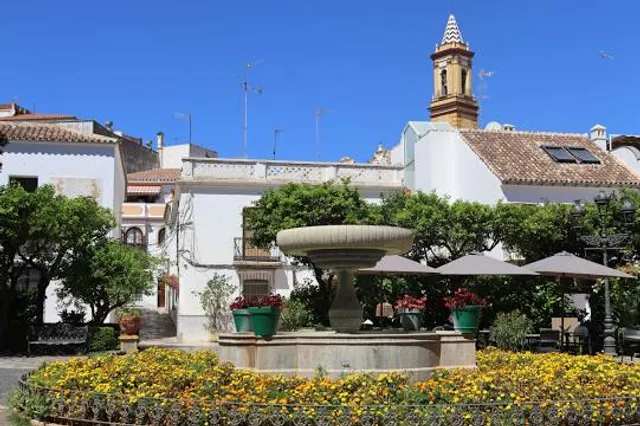
Plaza de las Flores de Estepona
4.5
(550)
Open until 12:00 AM
Click for details
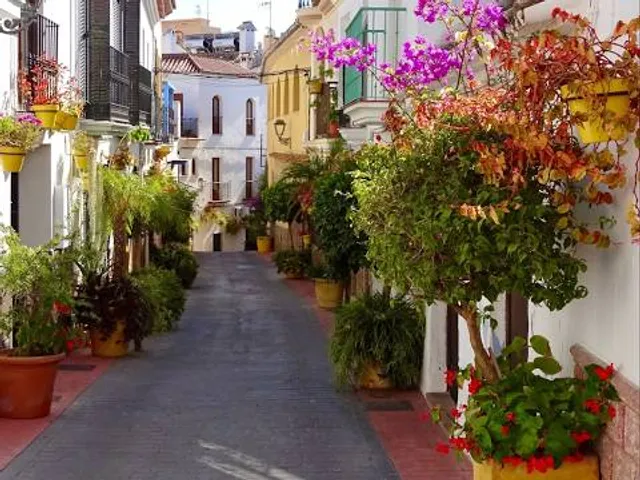
Centro Histórico de Estepona
4.7
(1.7K)
Open until 12:00 AM
Click for details
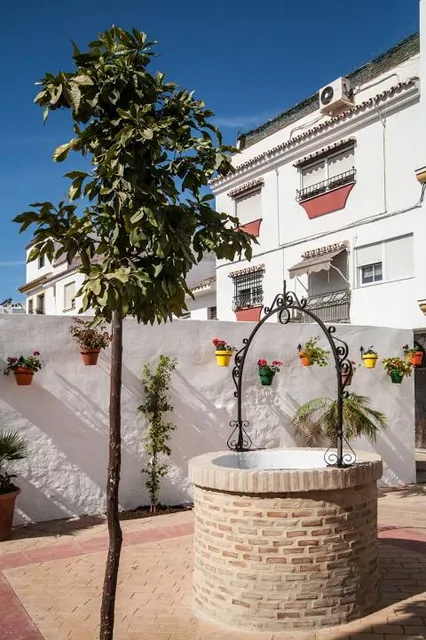
Plaza Antonia Guerrero
4.5
(744)
Open 24 hours
Click for details
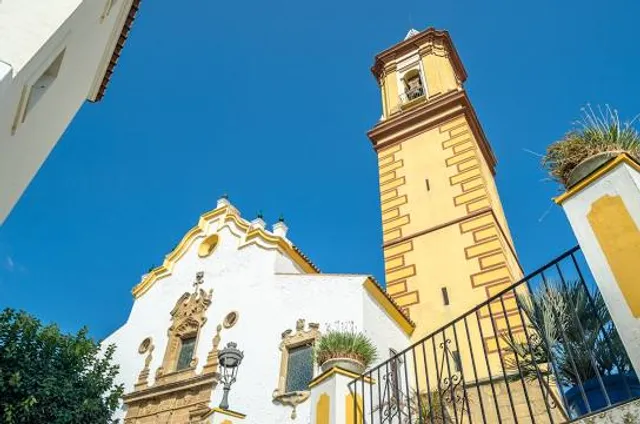
Torre del Reloj
4.4
(129)
Open until 12:00 AM
Click for details
Nearby restaurants of Casa de las Tejerinas
Restaurante La Casa del Rey
La Italiana
El Descaro
Casa Doña Jerónima
MaduBar Estepona
Avocado
La Cozzeria
Restaurante La Esquina del Arte
Restaurante Taberna Diez
Restaurante El Gavilán del Mar Estepona
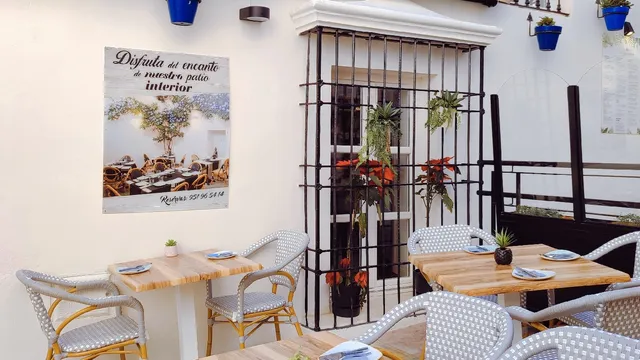
Restaurante La Casa del Rey
4.2
(1.1K)
Closed
Click for details
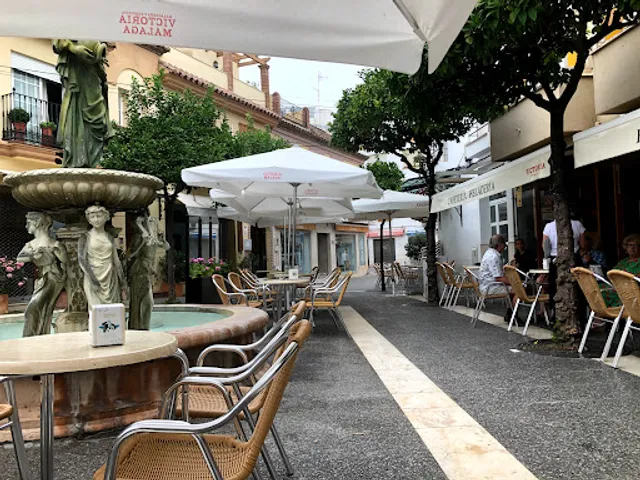
La Italiana
4.1
(679)
$
Closed
Click for details
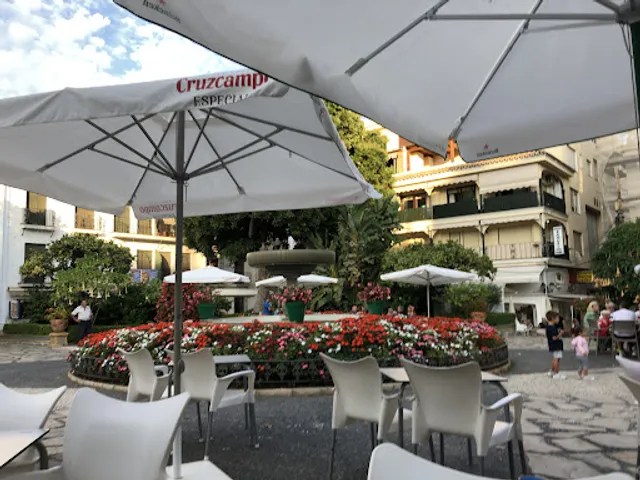
El Descaro
4.3
(373)
Closed
Click for details
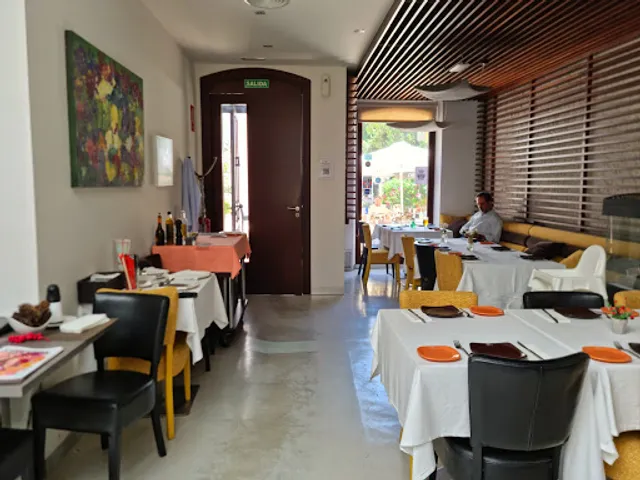
Casa Doña Jerónima
4.3
(249)
$$
Closed
Click for details
Nearby local services of Casa de las Tejerinas
Plaza de las Flores
Church of Our Lady of the Remedies
Souvenirs Estepona by Koral Bay
Estepona jardin de la Costa del Sol
Plazoleta Ortiz
Signum Escape Room Estepona
Ruta de los Murales Artisticos
Plaza Del Ajedrez Estepona
Estepona, Malaga
Estepona Town
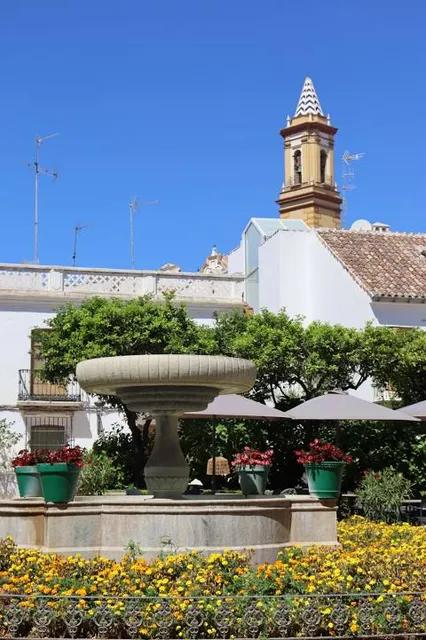
Plaza de las Flores
4.8
(96)
Click for details
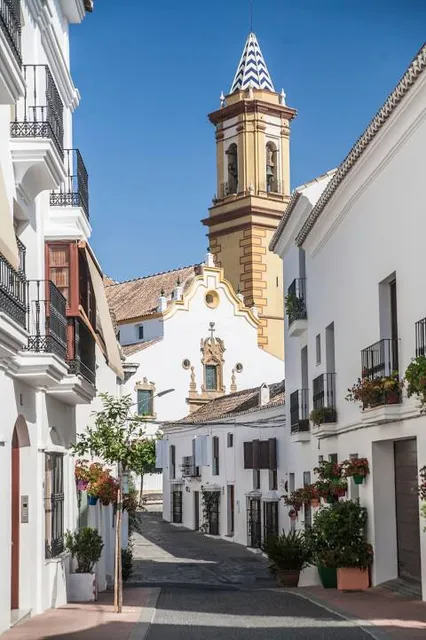
Church of Our Lady of the Remedies
4.6
(123)
Click for details

Souvenirs Estepona by Koral Bay
4.4
(49)
Click for details
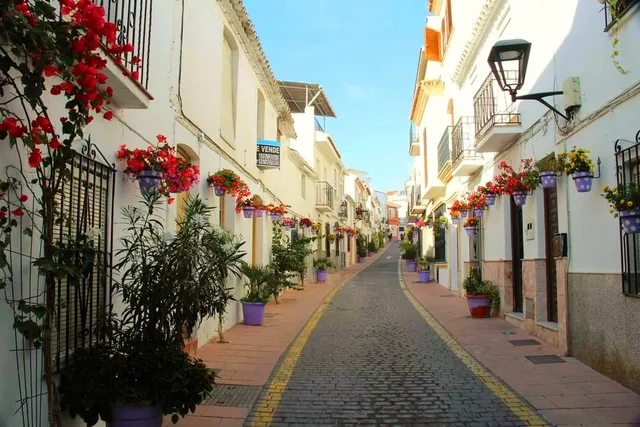
Estepona jardin de la Costa del Sol
4.9
(13)
Click for details







