Alcazaba things to do, attractions, restaurants, events info and trip planning
Basic Info
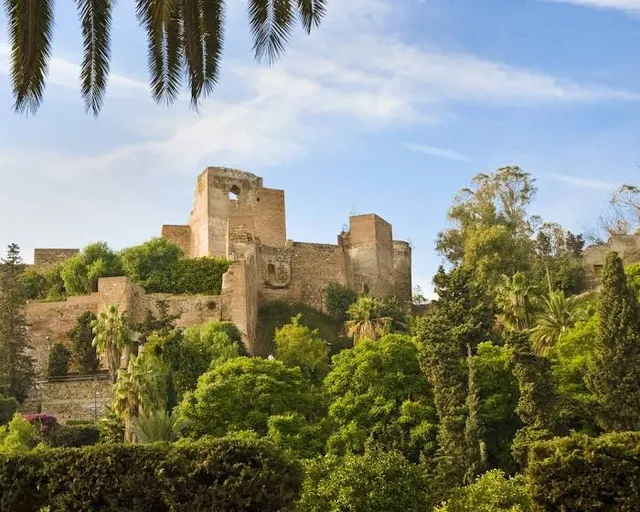
Alcazaba
C/ Alcazabilla, 2, Distrito Centro, 29012 Málaga, Spain
4.6(14.9K)
Open until 8:00 PM

tickets
Save
spot
spot
Ratings & Description
Info
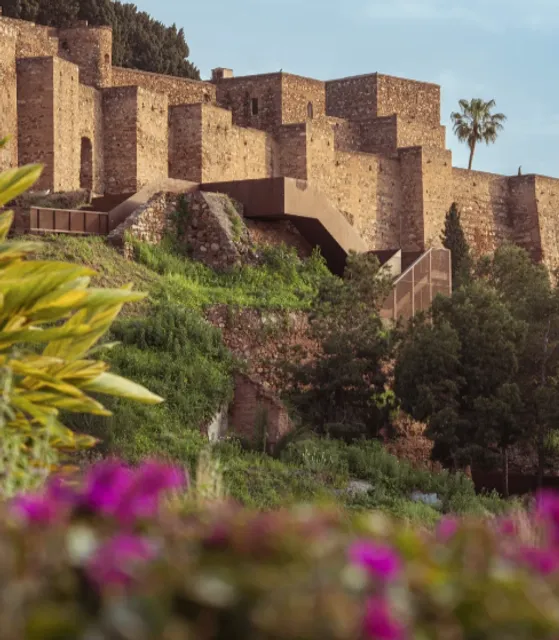
The Alcazaba is a palatial fortification in Málaga, Spain, built during the period of Muslim-ruled Al-Andalus. The current complex was begun in the 11th century and was modified or rebuilt multiple times up to the 14th century. It is one of the best-preserved alcazabas in Spain.
Cultural
Outdoor
Accessibility
attractions: Teatro Romano de Málaga, Picasso Museum Málaga, Malaga Museum, Catedral de la Encarnación de Málaga, Jardines de Pedro Luis Alonso, Pasarela-mirador de la Alcazaba, Jardines de Puerta Oscura, Parroquia Santiago Apóstol Málaga, Pirámide de Cristal, Centre Pompidou Malaga, restaurants: Bodega El Pimpi, Uvedoble Taberna, Picasso Bar Tapas, Batik, La Terraza de La Alcazaba, Restaurante Gusto, La Sole del Pimpi, El Vegetariano de la Alcazabilla, Restaurante Italiano 🍝 Osteria Angelino dal 1899 Malaga, Mestiza Gastrobar, local businesses: Cine Albéniz, ALE-HOP, University of Malaga, Málaga CF Official Store Historical Center, Muelle Uno, ALE-HOP, Pl. de Uncibay, 1, OXO - Museo del Videojuego, Calle Alcazabilla, Smile Joyas Málaga
 Learn more insights from Wanderboat AI.
Website
alcazabaygibralfaro.malaga.eu
Open hoursSee all hours
Thu9 a.m. - 8 p.m.Open
Plan your stay

Pet-friendly Hotels in Málaga
Find a cozy hotel nearby and make it a full experience.

Affordable Hotels in Málaga
Find a cozy hotel nearby and make it a full experience.

The Coolest Hotels You Haven't Heard Of (Yet)
Find a cozy hotel nearby and make it a full experience.

Trending Stays Worth the Hype in Málaga
Find a cozy hotel nearby and make it a full experience.
Reviews
Live events

The Jury Experience — Muerte por IA: ¿Quién Paga el precio?
Thu, Feb 26 • 6:00 PM
Calle Marqués de Valdecañas, 2, Málaga, 29008
View details

Málaga, hablemos de dinero
Thu, Feb 26 • 6:30 PM
1 Calle Cárcer 29008 Málaga
View details
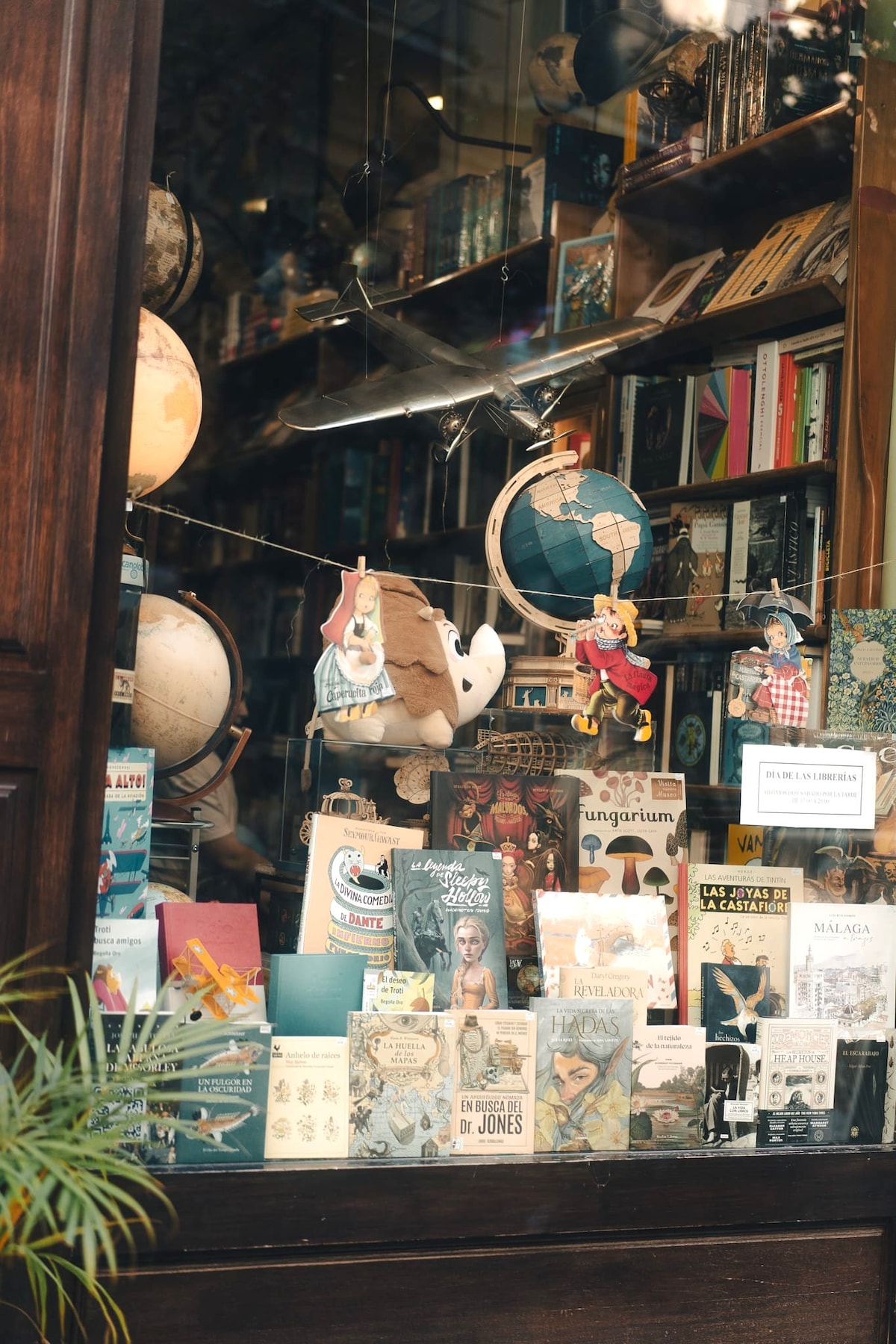
Second Hand & Vintage Fashion Walk in Malaga
Thu, Feb 26 • 11:00 AM
29015, Málaga, Andalusia, Spain
View details
Nearby attractions of Alcazaba
Teatro Romano de Málaga
Picasso Museum Málaga
Malaga Museum
Catedral de la Encarnación de Málaga
Jardines de Pedro Luis Alonso
Pasarela-mirador de la Alcazaba
Jardines de Puerta Oscura
Parroquia Santiago Apóstol Málaga
Pirámide de Cristal
Centre Pompidou Malaga
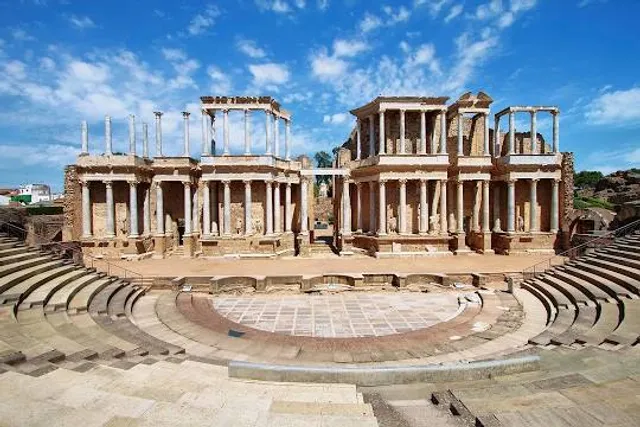
Teatro Romano de Málaga
4.6
(3.8K)
Open until 6:00 PM
Click for details
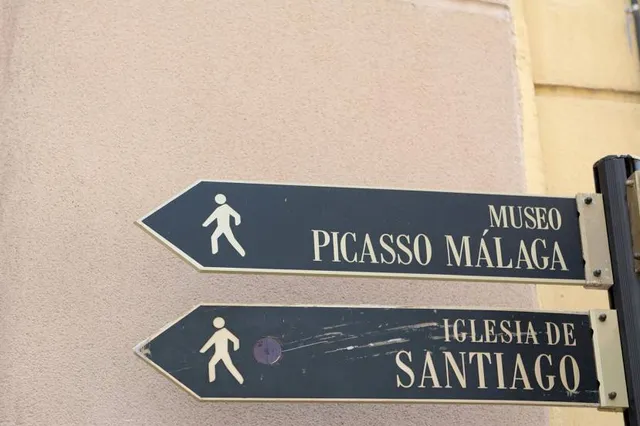
Picasso Museum Málaga
4.3
(12.9K)
Open until 6:00 PM
Click for details
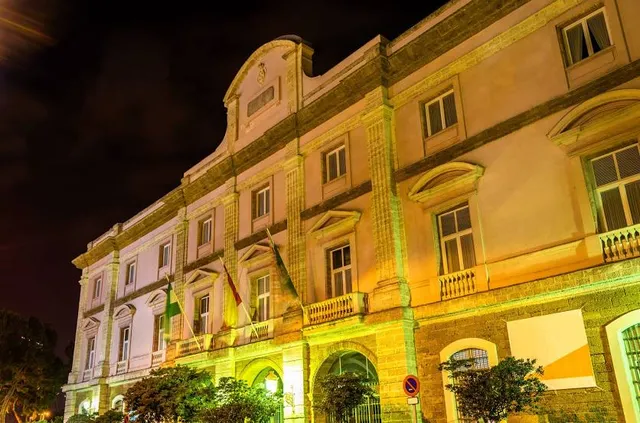
Malaga Museum
4.7
(3.5K)
Open until 9:00 PM
Click for details
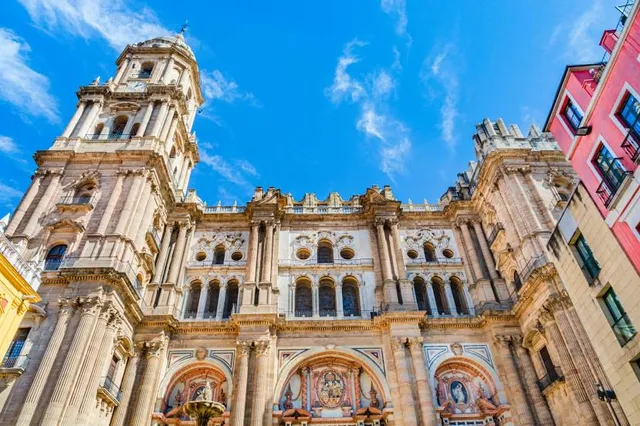
Catedral de la Encarnación de Málaga
4.6
(12.5K)
Open 24 hours
Click for details
Nearby restaurants of Alcazaba
Bodega El Pimpi
Uvedoble Taberna
Picasso Bar Tapas
Batik
La Terraza de La Alcazaba
Restaurante Gusto
La Sole del Pimpi
El Vegetariano de la Alcazabilla
Restaurante Italiano 🍝 Osteria Angelino dal 1899 Malaga
Mestiza Gastrobar
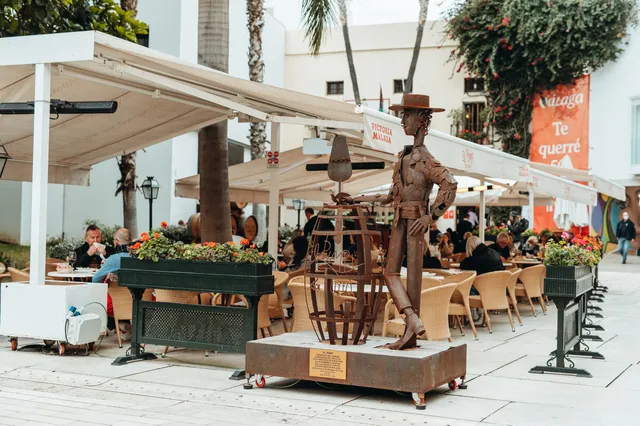
Bodega El Pimpi
4.1
(7.3K)
$$
Closed
Click for details
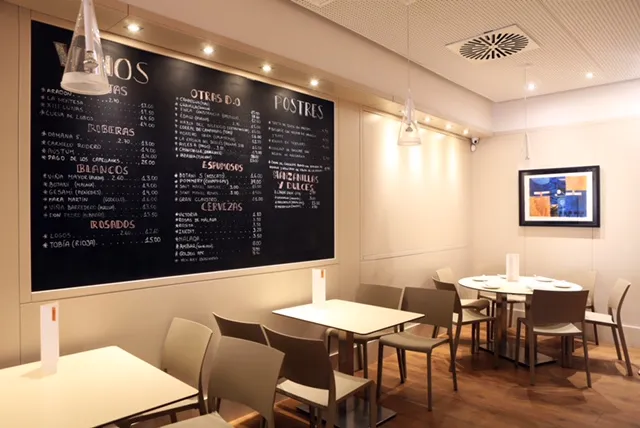
Uvedoble Taberna
4.5
(2.2K)
Closed
Click for details
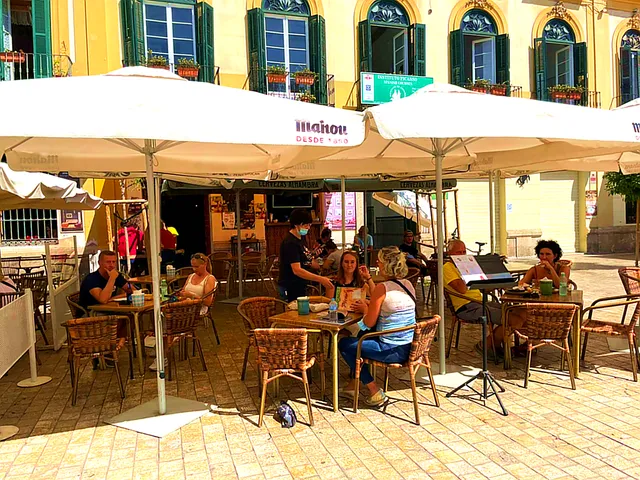
Picasso Bar Tapas
4.7
(14.3K)
$
Open until 12:00 AM
Click for details
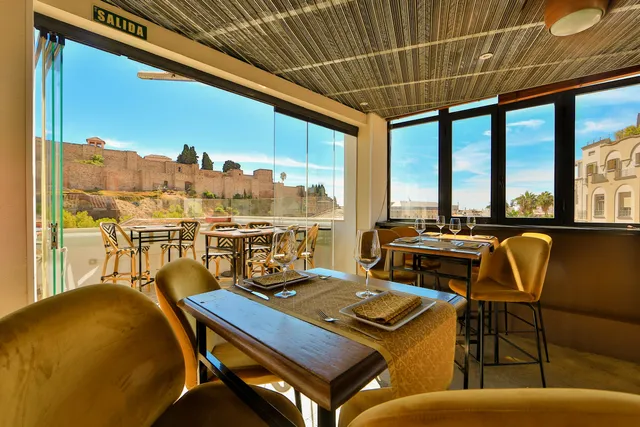
Batik
4.4
(1.5K)
$$
Closed
Click for details
Nearby local services of Alcazaba
Cine Albéniz
ALE-HOP
University of Malaga
Málaga CF Official Store Historical Center
Muelle Uno
ALE-HOP
Pl. de Uncibay, 1
OXO - Museo del Videojuego
Calle Alcazabilla
Smile Joyas Málaga

Cine Albéniz
4.6
(1.1K)
Click for details
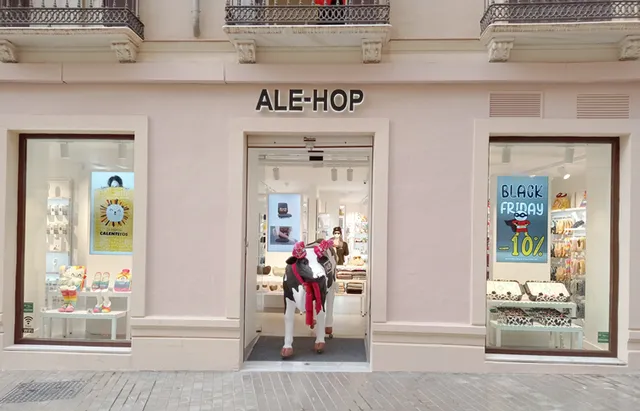
ALE-HOP
4.4
(764)
Click for details
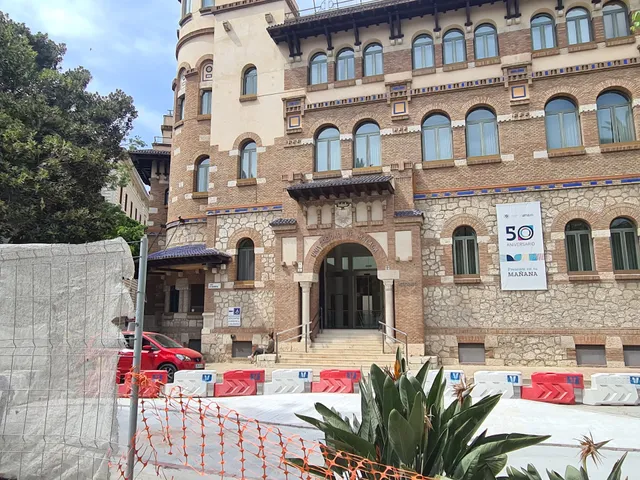
University of Malaga
3.8
(180)
Click for details
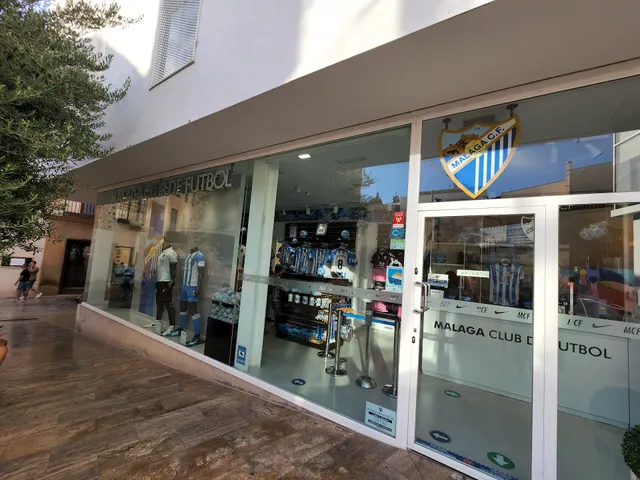
Málaga CF Official Store Historical Center
4.4
(238)
Click for details