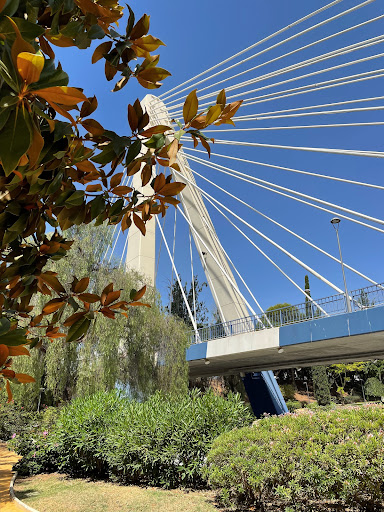
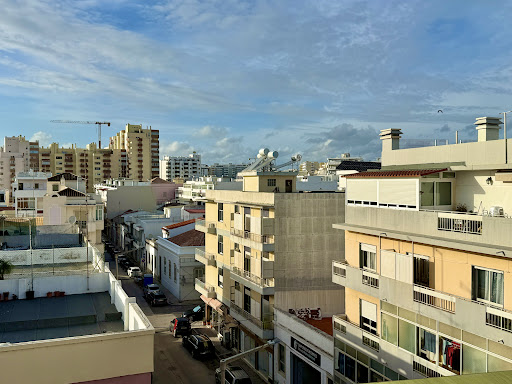
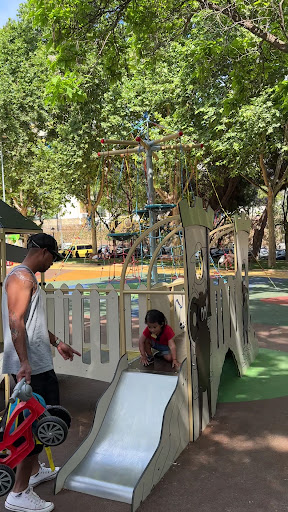
Parque de la Represa things to do, attractions, restaurants, events info and trip planning
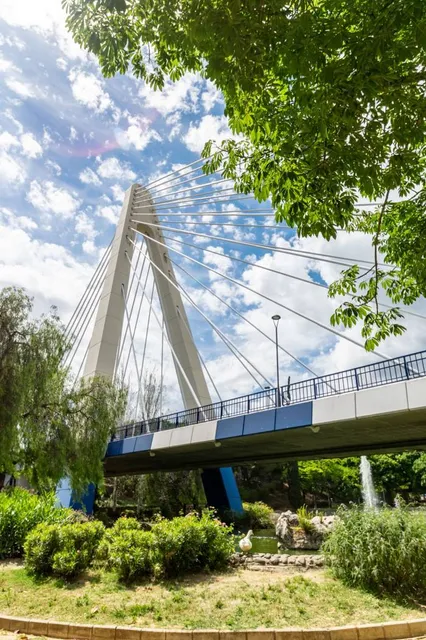
Basic Info
Parque de la Represa
C. Atarazanas, 11, 29601 Marbella, Málaga, Spain
4.3(1.2K)
Open until 12:00 AM
Save
spot
spot
Ratings & Description
Info
Outdoor
Relaxation
Family friendly
Pet friendly
attractions: Tablao Flamenco Marbella, Muralla Urbana de Marbella, Excellence Art Gallery by Giuseppe Carnevale, Castillo de Marbella, Museo del Grabado Español Contemporáneo, Skatepark Marbella, Lamanai XS by Galería Lamanai, Oficina de Turismo Plaza de los Naranjos - Marbella, Premiere Club Marbella, Arkham Escape Rooms Marbella y Experiencias Temáticas, restaurants: La Turuleka, Taberna Tarifa, Factory burger, Restaurante Pizzeria Trevi Marbella, Casanis Bistrot Marbella, Bodeguita La Fuensanta, EL BALCÓN DE LA VIRGEN, Kaleo Marbella, El Cordobes, MIA CAFE - Tapas & Bar, local businesses: Plaza de los Naranjos, Mercado Municipal Divina Pastora, Mercado Municipal de Marbella, Tecfix Marbella, Divina Masa, Modas Dulce Y Leche, Obrador Artesana, The Sugar Passion, Iglesia de Nuestra Señora de la Encarnación, Ermita del Santo Cristo de Marbella
 Learn more insights from Wanderboat AI.
Open hoursSee all hours
ThuOpen 24 hoursOpen
Plan your stay

Pet-friendly Hotels in Marbella
Find a cozy hotel nearby and make it a full experience.

Affordable Hotels in Marbella
Find a cozy hotel nearby and make it a full experience.

The Coolest Hotels You Haven't Heard Of (Yet)
Find a cozy hotel nearby and make it a full experience.

Trending Stays Worth the Hype in Marbella
Find a cozy hotel nearby and make it a full experience.
Reviews
Live events

Padel in Marbella | Play & Meet New International Friends
Sun, Feb 15 • 5:00 PM
s Avenida Cánovas del Castillo 29601 Marbella
View details
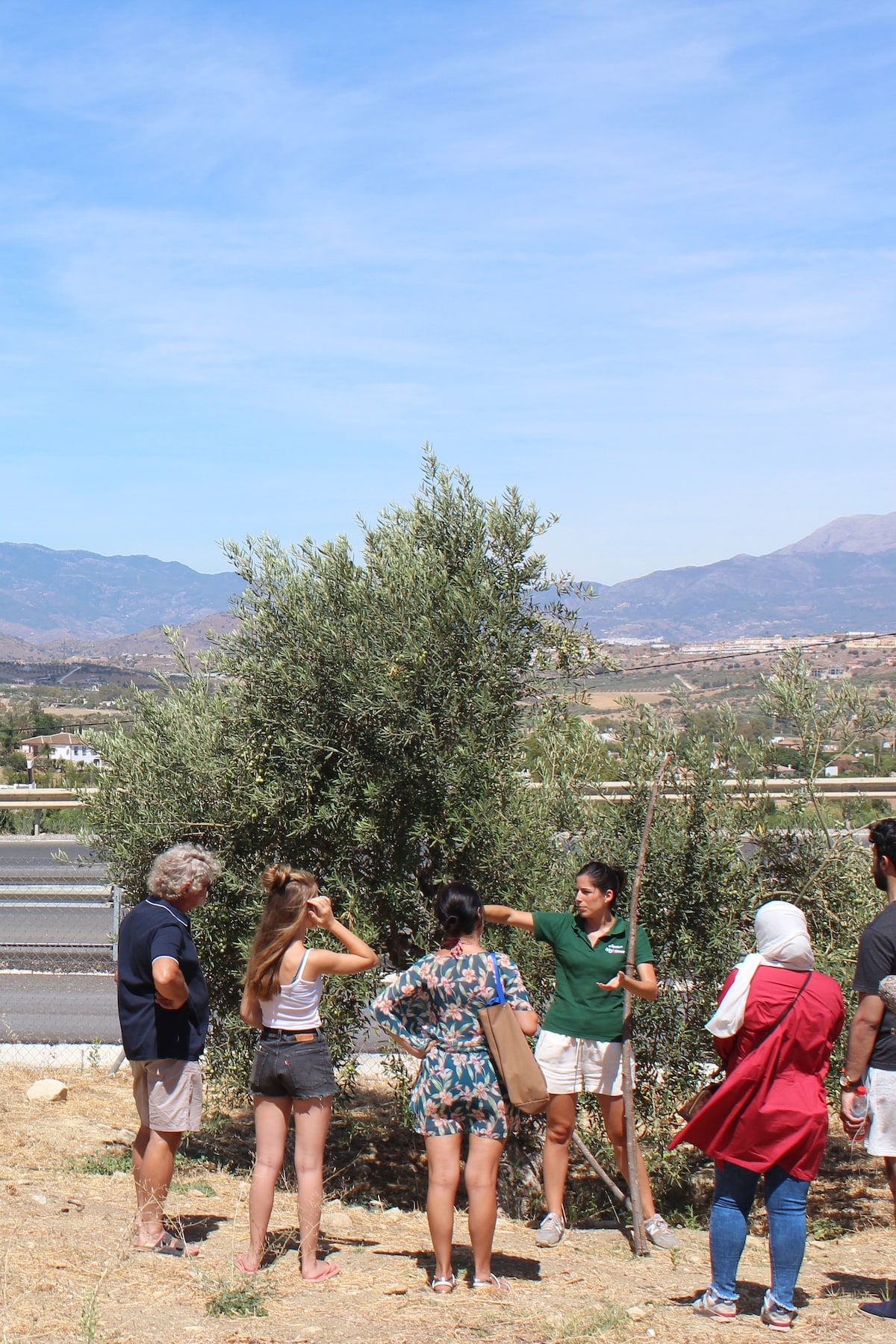
Explore olive oil production
Thu, Feb 12 • 12:00 PM
29120, Alhaurín el Grande, Andalusia, Spain
View details
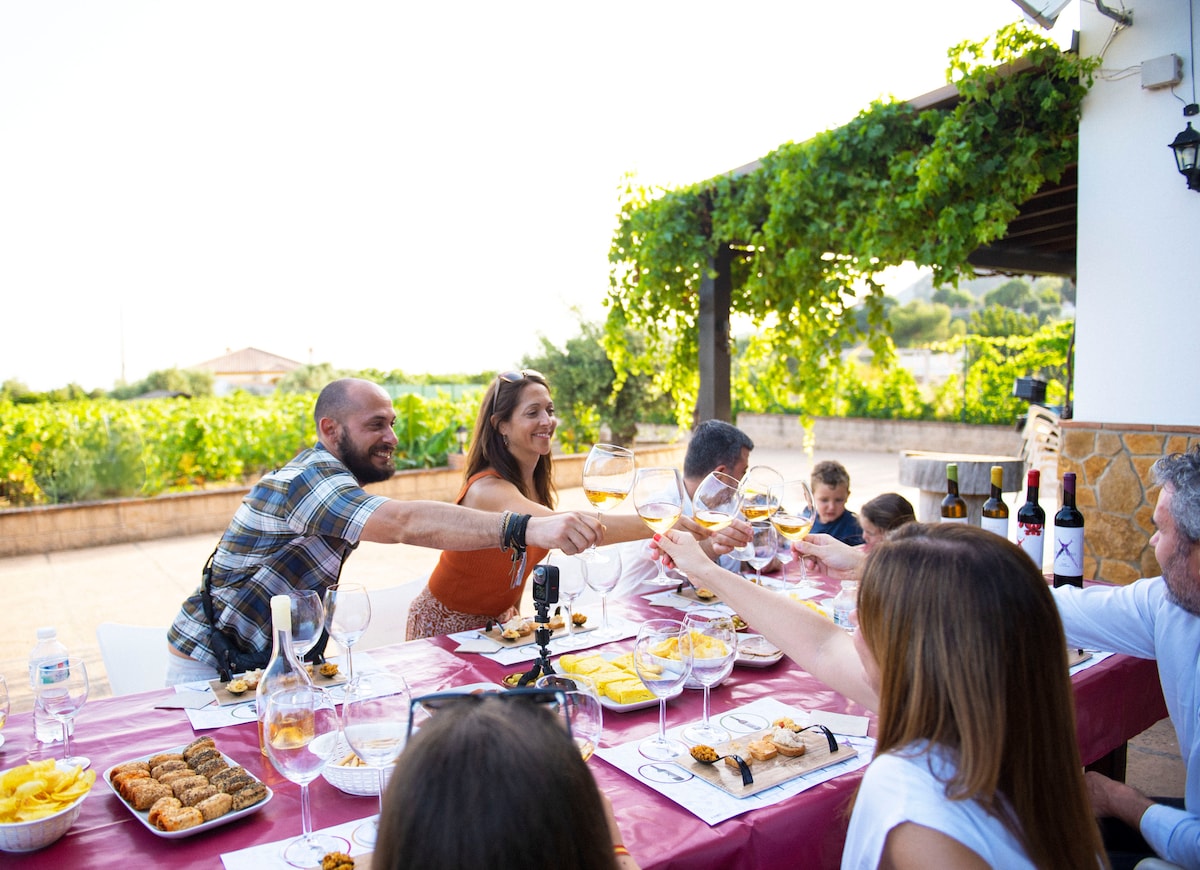
Organic Vineyard Tasting – 5 Wines & 2 Olive Oils
Thu, Feb 12 • 12:00 PM
29650, Mijas, Andalucía, Spain
View details
Nearby attractions of Parque de la Represa
Tablao Flamenco Marbella
Muralla Urbana de Marbella
Excellence Art Gallery by Giuseppe Carnevale
Castillo de Marbella
Museo del Grabado Español Contemporáneo
Skatepark Marbella
Lamanai XS by Galería Lamanai
Oficina de Turismo Plaza de los Naranjos - Marbella
Premiere Club Marbella
Arkham Escape Rooms Marbella y Experiencias Temáticas
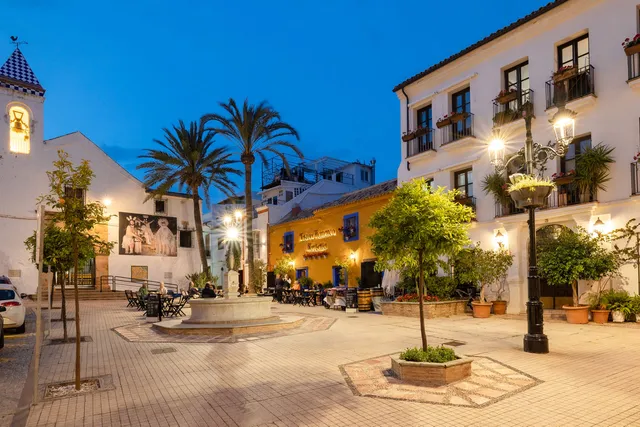
Tablao Flamenco Marbella
4.8
(367)
Open 24 hours
Click for details
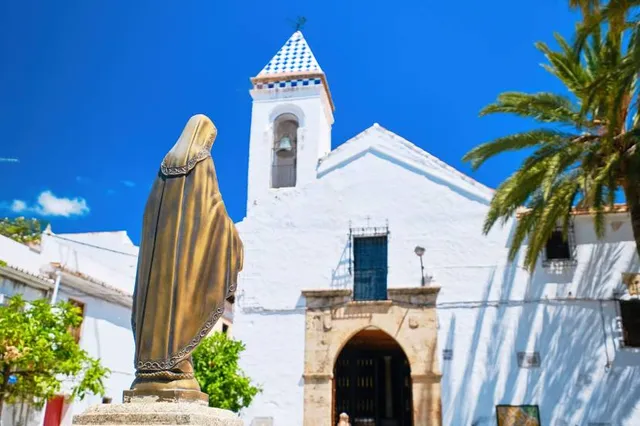
Muralla Urbana de Marbella
4.5
(406)
Open until 12:00 AM
Click for details

Excellence Art Gallery by Giuseppe Carnevale
4.7
(76)
Open until 8:00 PM
Click for details
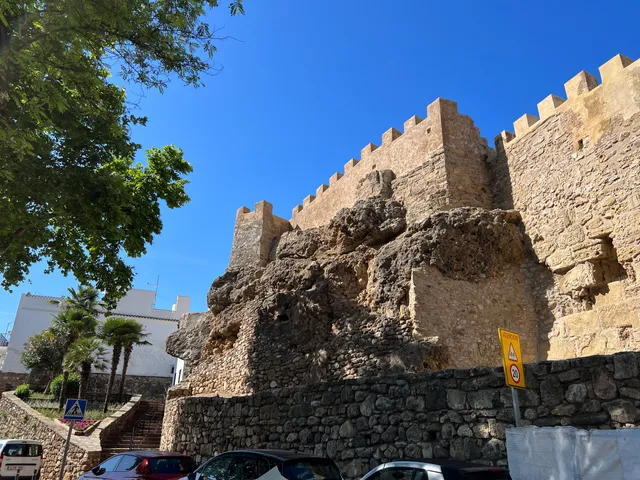
Castillo de Marbella
4.3
(86)
Open 24 hours
Click for details
Nearby restaurants of Parque de la Represa
La Turuleka
Taberna Tarifa
Factory burger
Restaurante Pizzeria Trevi Marbella
Casanis Bistrot Marbella
Bodeguita La Fuensanta
EL BALCÓN DE LA VIRGEN
Kaleo Marbella
El Cordobes
MIA CAFE - Tapas & Bar
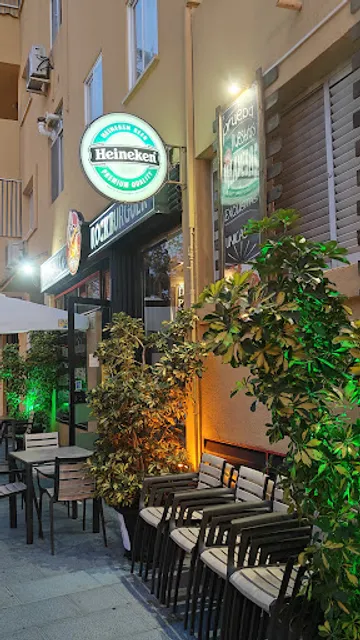
La Turuleka
4.4
(383)
Closed
Click for details
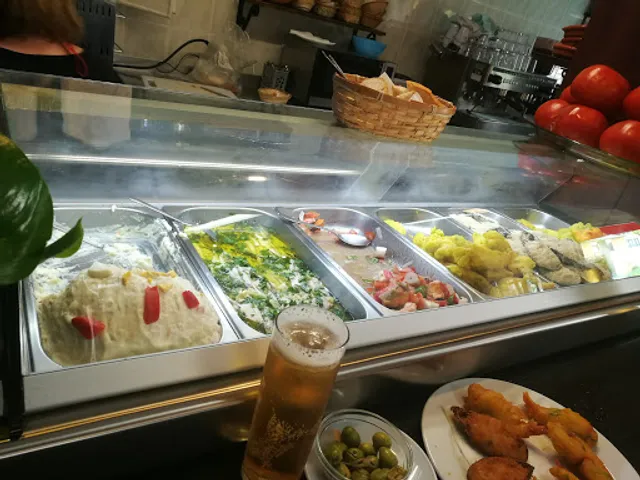
Taberna Tarifa
4.6
(201)
Closed
Click for details
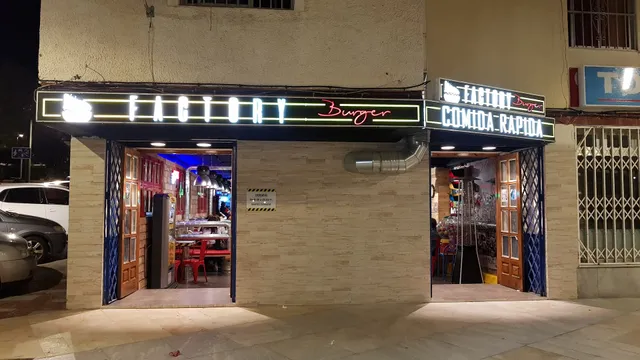
Factory burger
4.1
(261)
Open until 12:00 AM
Click for details

Restaurante Pizzeria Trevi Marbella
4.4
(411)
Closed
Click for details
Nearby local services of Parque de la Represa
Plaza de los Naranjos
Mercado Municipal Divina Pastora
Mercado Municipal de Marbella
Tecfix Marbella
Divina Masa
Modas Dulce Y Leche
Obrador Artesana
The Sugar Passion
Iglesia de Nuestra Señora de la Encarnación
Ermita del Santo Cristo de Marbella
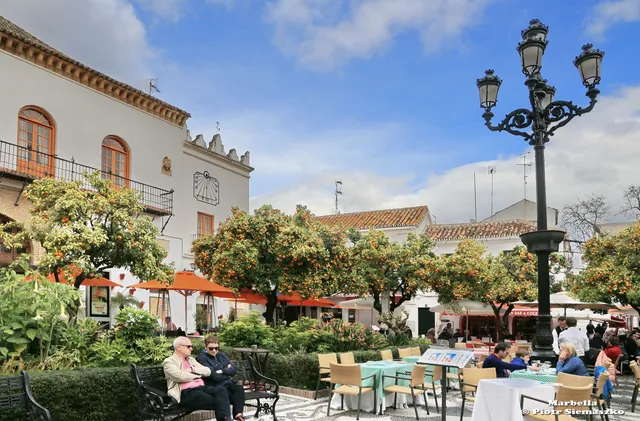
Plaza de los Naranjos
4.6
(5.1K)
Click for details
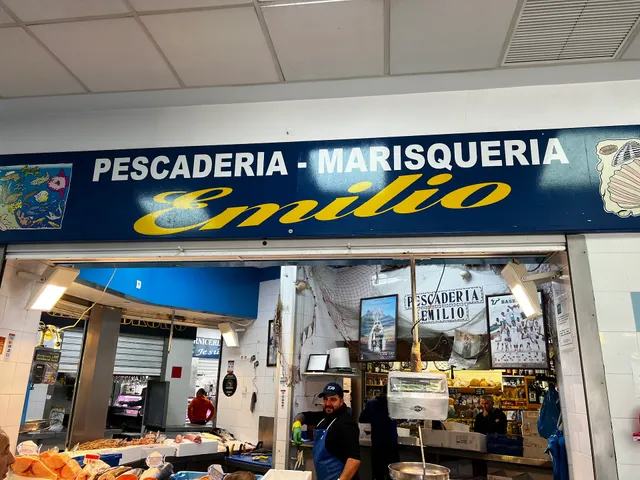
Mercado Municipal Divina Pastora
4.3
(228)
Click for details
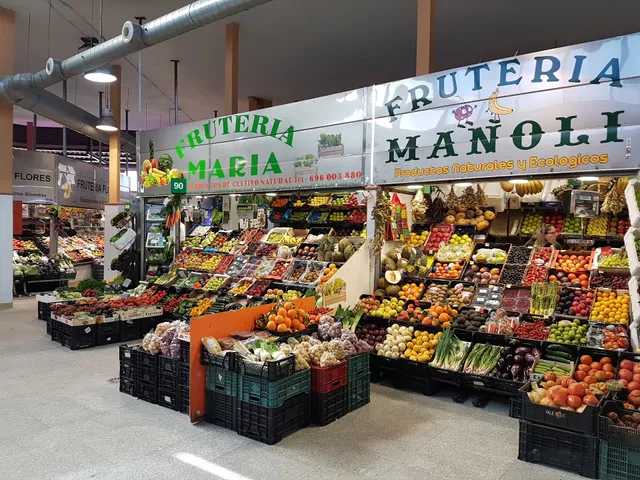
Mercado Municipal de Marbella
4.3
(885)
Click for details
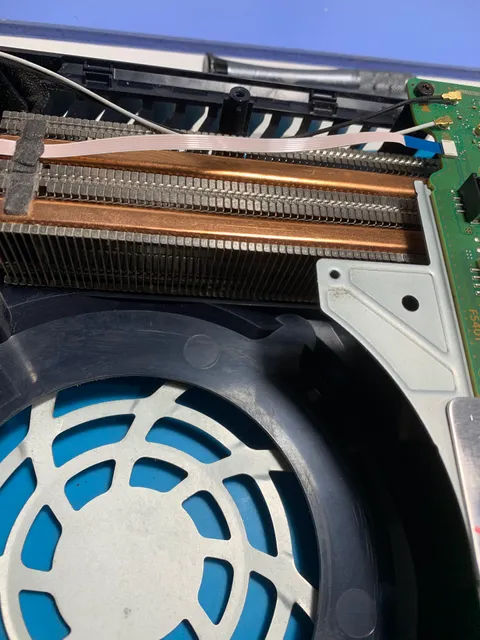
Tecfix Marbella
4.7
(51)
Click for details